Overview
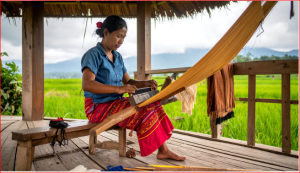
India has a rich heritage of weaving that dates back thousands of years. The country is famous for its handloom industry, which produces fabrics that are not just beautiful but also carry the history and culture tours of different regions. Indian Handloom Fabrics are unique because each region has its own techniques, patterns, and stories woven into the fabric. In this blog, we will explore the top 10 regional weaves that make India a global hub of traditional textiles.

1. Banarasi Silk – Uttar Pradesh
Banarasi silk is one of the most luxurious Indian Handloom Fabrics. Originating from Varanasi in Uttar Pradesh, these fabrics are famous for their intricate zari work. Zari is a type of gold or silver thread woven into the fabric to create detailed patterns, including floral motifs and Mughal-inspired designs. Banarasi silk sarees are highly valued and are often worn during weddings and festivals. The texture is smooth and shiny, and the handwoven details make each piece a work of art.
2. Kanchipuram Silk – Tamil Nadu
Kanchipuram silk is another iconic Indian Handloom Fabric, known for its vibrant colors and rich silk threads. Produced in the town of Kanchipuram in Tamil Nadu, these fabrics often have contrasting borders with elaborate patterns. The silk is thick, durable, and has a natural sheen. Kanchipuram sarees are famous for their temple-inspired designs and motifs like peacocks, checks, and floral patterns. The craft has been passed down through generations, making it a treasured heritage fabric.
3. Pochampally Ikat – Telangana
Pochampally Ikat is a colorful and geometric fabric that originates from Telangana. The weaving technique involves dyeing the threads before weaving, which creates striking patterns that look almost magical. Pochampally sarees and dupattas are a symbol of traditional craftsmanship. This Indian Handloom Fabric is light, soft, and perfect for daily wear or special occasions. The precision required in tying and dyeing threads makes this fabric a testament to the skill of Indian weavers.

4. Chanderi – Madhya Pradesh
Chanderi fabric comes from the town of Chanderi in Madhya Pradesh. It is known for its sheer texture, lightweight feel, and delicate patterns. Chanderi Indian Handloom Fabrics often feature gold and silver threads in floral or geometric designs. The fabric is mostly made from silk, cotton, or a combination of both, making it comfortable yet elegant. Chanderi sarees and stoles are popular for formal events because of their grace and charm.
5. Paithani – Maharashtra
Paithani is a traditional Indian Handloom Fabric from Maharashtra, famous for its vibrant colors and peacock motifs. It is primarily a silk saree woven with intricate borders in gold and silver zari. Paithani fabrics are considered heirlooms and are often passed down through generations. The weaving process is labor-intensive and can take months to complete, making each saree a rare and valuable piece.
6. Bengal Cotton – West Bengal
West Bengal is known for its soft and breathable cotton fabrics. Bengal cotton, often referred to as “tant,” is a handloom fabric that is perfect for hot and humid climates. The fabric is light, airy, and often comes in striped or checked patterns. These Indian Handloom Fabrics are versatile and commonly used for sarees, dupattas, and kurtas. Bengal cotton is not only comfortable but also reflects the rich weaving traditions of the region.

7. Kullu Wool – Himachal Pradesh
Kullu wool fabrics come from Himachal Pradesh, a region famous for its wool production. These Indian Handloom Fabrics are warm, soft, and perfect for cold weather. Kullu weavers use natural wool to create vibrant patterns, often inspired by nature, such as flowers, birds, and mountains. Kullu woolen shawls, sweaters, and blankets are not just functional but also visually appealing, making them popular souvenirs for travelers.
8. Patola – Gujarat
Patola is a double ikat fabric from Gujarat, considered one of the most intricate Indian Handloom Fabrics. The weaving process is extremely complex and requires precise alignment of threads dyed in multiple colors. Patola sarees are characterized by bold geometric patterns and vibrant colors. They are rare and highly valued because creating a single piece can take several months. Wearing Patola is a mark of elegance and tradition.
9. Himroo – Maharashtra
Himroo is a heritage fabric from Aurangabad in Maharashtra. This Indian Handloom Fabric combines cotton and silk to produce a soft, glossy finish. Himroo weaving often includes Persian-inspired floral and paisley motifs. These fabrics were historically worn by royalty and aristocrats. Today, Himroo sarees, dupattas, and stoles are prized for their subtle elegance and intricate craftsmanship.
10. Maheshwari – Madhya Pradesh
Maheshwari fabrics come from the town of Maheshwar in Madhya Pradesh. These are cotton-silk handloom fabrics known for their distinctive stripes, checks, and floral borders. The weaving technique creates a crisp texture that is comfortable yet stylish. Maheshwari sarees and dupattas are lightweight and perfect for summer wear. This fabric reflects the simplicity and elegance of Indian Handloom Fabrics while preserving traditional weaving skills.
Keynote Takeaway
Indian Handloom Fabrics are more than just textiles—they are a reflection of India’s diverse culture, history, and artistry. Each regional weave has its own story, technique, and charm. From the luxurious Banarasi and Kanchipuram silks to the lightweight Chanderi and breathable Bengal cotton, these fabrics showcase the incredible skill of Indian weavers. By wearing or appreciating these handlooms, we not only celebrate Indian craftsmanship but also help preserve these traditional arts for future generations skills.
Indian Handloom Fabrics continue to inspire designers, fashion enthusiasts, and culture lovers worldwide. They are living examples of how art, culture, and everyday life can beautifully intertwine in a single piece of fabric.

FAQs:
A. Indian Handloom Fabrics are unique because they are completely handmade, often using traditional techniques passed down through generations. Each region in India has its own style, patterns, and materials, making these fabrics rich in culture and craftsmanship.
A. Look for fine weaving, intricate designs, and natural fibers like silk, cotton, or wool. Genuine handloom fabrics often have slight irregularities, which show that they are handmade. Certifications like the Handloom Mark in India can also help confirm authenticity.
A. Fabrics like Banarasi silk, Kanchipuram silk, Paithani, and Patola are perfect for weddings because of their luxurious texture, rich colors, and intricate zari work. They are elegant and long-lasting, making them ideal for special occasions.
A. Yes! Fabrics like Bengal cotton, Maheshwari, Chanderi, and Himroo are lightweight, soft, and breathable, making them perfect for everyday wear. Choosing the right fabric depends on your comfort needs and the climate.