Indian rituals are not just old traditions written in books. They are living practices that quietly guide how people wake up, eat, pray, celebrate, and even think every day. From morning habits at home to festivals celebrated with neighbors, Indian rituals continue to shape daily life in deep and meaningful ways. Many people follow Indian rituals without even realizing their roots. These practices connect family, culture, nature, inner peace, and even help boost diet immunity through mindful eating habits and traditional food practices.
Below are ten Indian rituals that still influence daily life today, explained in very simple English.

1. Waking Up Early and Greeting the Day
One of the most common Indian rituals is waking up early, especially before sunrise. This time is often called peaceful and pure. Many families believe early mornings bring fresh energy and clear thoughts. Birds are calm, air is clean, and the mind feels lighter.
This habit is not only about religion. It helps people feel active, focused, and calm. Students study better, elders feel fresh, and working people plan their day. This simple daily routine shows how Indian rituals blend health and discipline into everyday life.
2. Bathing Before Prayer or Work
Bathing is an important part of Indian rituals. It is believed to clean not only the body but also the mind. Many people prefer to bathe before starting prayer, cooking, or going to work. Water is seen as pure and refreshing.
This ritual teaches cleanliness and self-respect. Even today, this habit keeps homes clean and helps people feel fresh and confident throughout the day. Indian rituals like this show respect for hygiene long before modern science explained it.
3. Lighting a Lamp Every Day
Lighting a lamp in the morning or evening is one of the most beautiful Indian rituals. A small oil lamp or candle is lit near a prayer space. The light stands for hope, knowledge, and positivity.
Even families who are not very religious still light a lamp for peace and calm. This ritual creates a quiet moment in busy lives. It reminds people to slow down, think positive thoughts, and feel thankful.

4. Saying Prayers or Mantras
Daily prayer is one of the strongest Indian rituals still followed today. Some people chant mantras, some say short prayers, and others simply sit quietly. This practice brings mental peace and emotional balance.
Indian rituals like prayer help people handle stress, fear, and uncertainty. It gives strength during difficult times and gratitude during happy moments. Many parents teach children small prayers to build good values and respect.
5. Respecting Elders by Touching Feet
Touching the feet of elders is a well-known Indian ritual. It is a way to show respect, love, and gratitude. Elders bless the younger person in return.
This ritual keeps family bonds strong. It teaches humility and respect from a young age. Even in modern homes, this tradition continues during festivals, weddings, and important days, proving how deeply Indian rituals are rooted in family life.
6. Eating Together as a Family
Eating together is more than a habit; it is one of the meaningful Indian rituals. Families sit together, share food, and talk about their day. Food is treated with respect and never wasted.
This ritual builds emotional connection. Children learn manners, sharing, and patience. In many homes, prayers are said before eating, reminding everyone to be thankful. Indian rituals around food teach balance, health, and togetherness.
7. Using Right Hand for Eating and Giving
Using the right hand while eating or giving something is a common Indian ritual. The right hand is considered clean and respectful. This practice also encourages mindfulness while eating.
Though modern tools are used today, many people still follow this ritual. Indian rituals like this promote awareness of actions and respect for others, even in small daily habits.
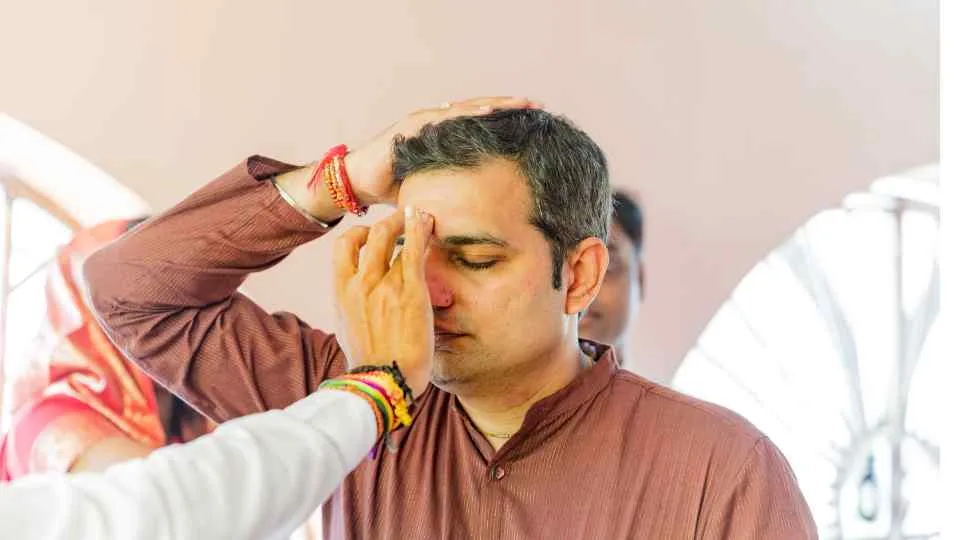
8. Applying Tilak or Kumkum
Applying tilak or kumkum on the forehead is one of the visible Indian rituals. It is often done after prayer or during special occasions. The spot between the eyebrows is believed to be a center of focus and wisdom.
This ritual reminds people to stay calm and thoughtful. Even today, many wear tilak during festivals, family functions, or important events as a sign of positivity and blessings.
9. Celebrating Festivals with Rituals
Indian festivals are full of Indian rituals that bring color and joy to life. Diwali, Holi, Navratri, Pongal, Eid, and many others have daily rituals before and during celebrations.
These rituals include cleaning homes, decorating, fasting, praying, and sharing sweets. They teach unity, joy, and kindness. Festivals break routine stress and bring families and communities closer.
10. Honoring Nature in Daily Life
Respect for nature is a powerful part of Indian rituals. Trees, rivers, animals, sun, and earth are honored daily. Many people water plants in the morning, avoid wasting water, and thank nature silently, making it a key part of their morning Dinacharya daily balance. This practice helps people start the day with mindfulness and awareness. Long before modern environmental movements, Indian rituals encouraged harmony with nature. Even today, this habit continues to shape daily routines and responsible living.
Why Indian Rituals Still Matter Today
Indian rituals continue to survive because they fit daily life naturally. They are simple, flexible, and meaningful. They do not force people but gently guide behavior. Indian rituals help people stay connected to roots while moving forward with modern life.
These rituals bring discipline, peace, respect, and care into everyday actions. They do not need expensive items or strict rules. Even small practices can create big positive changes.
How Indian Rituals Adapt with Time
Indian rituals are not frozen in the past. They change slowly with time. People may shorten prayers, adjust timings, or combine rituals with busy schedules. Still, the heart of Indian rituals remains the same.
Modern homes may look different, but values like respect, cleanliness, gratitude, and balance remain alive through these rituals. This adaptability is why Indian rituals continue across generations.

Indian Rituals and Mental Well-Being
Many Indian rituals support mental health without people realizing it. Silence during prayer, calm mornings, family meals, and respect rituals reduce stress. These habits create emotional safety and comfort.
In a fast world, Indian rituals offer moments of pause. They help people breathe, reflect, and reconnect with themselves and others.
Indian Rituals Passed Through Generations
Parents and grandparents pass Indian rituals to children through daily actions, not lectures. Children learn by watching. Lighting a lamp, greeting elders, and eating together become natural habits.
This silent learning keeps culture alive. Indian rituals do not need written rules; they live in everyday life.
Keynote Takeaway
Indian rituals continue to play a quiet but powerful role in shaping daily life. They are not strict rules but gentle habits that guide how people live, think, and connect with others. For example, early morning routines and shared family meals bring balance, discipline, and calm into everyday moments.
Moreover, many Indian rituals support healthy living by encouraging cleanliness, mindfulness, and food choices that naturally help boost diet immunity. Modern research for health also supports the benefits of these practices. They teach respect for elders, care for nature, and gratitude for what we have.
Even in modern lifestyles, these rituals adapt easily without losing their true meaning. They reduce stress, strengthen family bonds, and create a sense of belonging. Therefore, by following even a few simple rituals daily, people can bring peace, purpose, and positive energy into their lives while staying connected to their roots.

FAQs:
A. Indian rituals are still followed because they easily fit into daily life. They promote discipline, respect, cleanliness, and peace without being strict. Many people feel emotionally connected to these rituals because they learned them from family elders.
A. No, Indian rituals are not only religious. Many focus on healthy habits, family bonding, mental peace, and respect for nature. Even people who are not religious often follow Indian rituals for balance and well-being.
A. Indian rituals help bring routine, calmness, and positive thinking. Simple habits like early waking, mindful eating, and prayer reduce stress and improve focus. Some food-related rituals also help boost diet immunity naturally.
A. Yes, Indian rituals are flexible. People can adjust timings and methods according to their schedules. Even small daily practices keep the spirit of Indian rituals alive in modern life.
A. Indian rituals are passed through daily observation rather than teaching. Children learn by watching elders light lamps, respect elders, eat together, and care for nature.
A. Yes, many Indian rituals encourage silence, gratitude, and mindfulness. These practices help reduce anxiety, bring emotional comfort, and improve overall mental well-being.