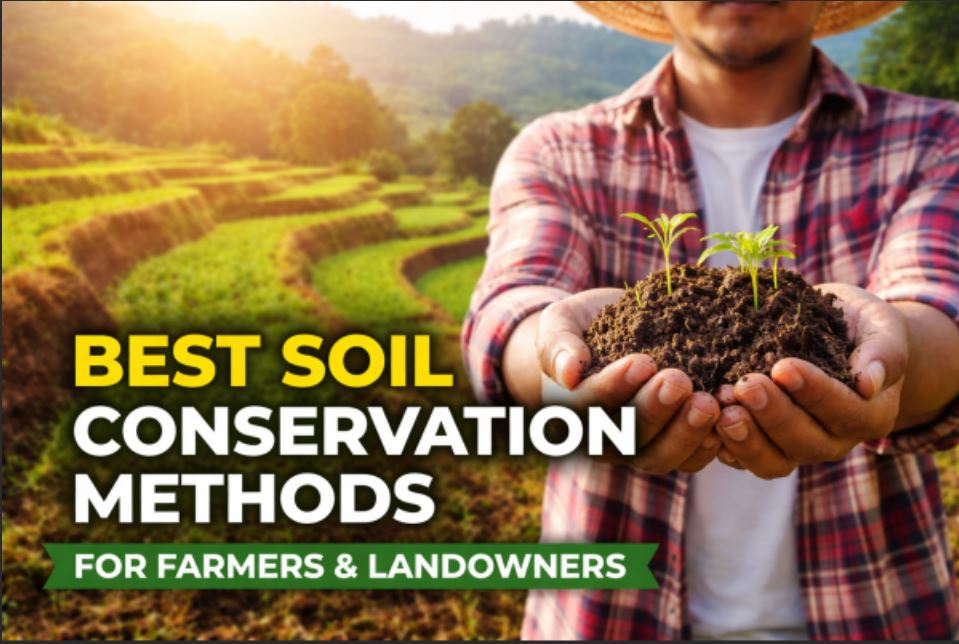
Best Soil Conservation Methods for Farmers and Landowners
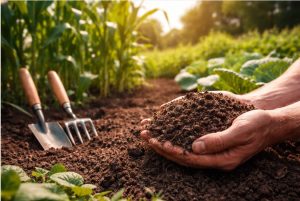
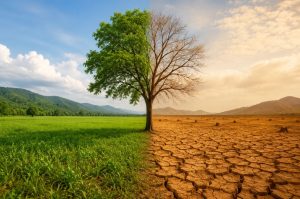
Soil is the backbone of agriculture and one of the most valuable natural resources for farmers and landowners. It supports crop growth, stores water, and sustains millions of microorganisms essential for a healthy ecosystem. However, increasing population pressure, intensive farming, and climate change are rapidly degrading soil quality across the world.
For farmers, maintaining soil health is directly linked to productivity, profitability, and long-term sustainability. When soil is properly conserved, it retains nutrients, supports better crop yields, and reduces dependency on costly inputs like fertilizers and pesticides. On the other hand, poor soil management can lead to erosion, loss of fertility, and declining farm income.
This comprehensive guide explores the most effective soil conservation methods that can help protect land, improve productivity, and ensure sustainable farming for years to come.
What is Soil Conservation?
Soil conservation refers to a range of agricultural practices designed to protect soil from erosion, degradation, and nutrient loss. It focuses on maintaining soil structure, improving fertility, and ensuring that land remains productive over time.
Key Objectives
- Prevent soil erosion caused by water and wind
- Maintain soil fertility and organic matter
- Improve water retention capacity
- Support sustainable agricultural practices
- Enhance biodiversity within the soil
Importance of Soil Conservation for Farmers
Increased Crop Productivity
Healthy soil provides essential nutrients that promote better plant growth and higher yields.
Cost Reduction
Reduced need for chemical fertilizers and pesticides lowers farming expenses.
Water Conservation
Improved soil structure helps retain moisture, reducing irrigation needs.
Climate Resilience
Well-maintained soil can better withstand droughts, floods, and extreme weather.
Environmental Protection
Prevents land degradation, protects water bodies, and maintains ecological balance.
Major Causes of Soil Degradation
Understanding the root causes helps in choosing the right conservation methods.
Soil Erosion
Caused by wind and water, leading to loss of fertile topsoil.
Overgrazing
Excessive grazing removes vegetation cover, exposing soil to erosion.
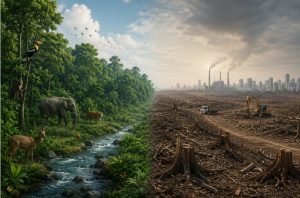
Deforestation
Tree removal reduces soil stability and organic content.
Unsustainable Farming
Continuous monocropping and heavy tillage degrade soil quality.
Improper Irrigation
Leads to salinity, waterlogging, and nutrient imbalance.
Effective Soil Conservation Methods
Contour Farming
Contour farming involves plowing and planting crops along the natural curves of the land instead of straight lines.
Advantages:
- Slows down water runoff
- Reduces soil erosion
- Improves water absorption
- Enhances soil moisture retention
This method is especially effective in sloped areas where water runoff is a major concern.
Terracing
Terracing converts steep slopes into a series of flat steps, making farming easier and safer.
Benefits:
- Prevents soil erosion on hills
- Conserves water efficiently
- Supports crop cultivation in hilly regions
Terracing is widely used in mountainous areas where traditional farming is difficult.
Crop Rotation
Crop rotation is the practice of growing different crops in a planned sequence on the same land.
Benefits:
- Restores soil nutrients naturally
- Reduces pest and disease cycles
- Improves soil structure
Example:
- Legumes (add nitrogen)
- Cereals (use nitrogen)
- Vegetables (diverse nutrient use)
This method is essential for maintaining long-term soil fertility.
Cover Cropping
Cover crops are planted during periods when the soil would otherwise remain bare.
Common Options:
- Clover
- Mustard
- Rye
- Legumes
Benefits:
- Protects soil from erosion
- Improves organic matter
- Suppresses weed growth
- Enhances soil fertility
Mulching
Mulching involves covering the soil surface with materials like straw, leaves, or plastic sheets.
Types:
- Organic mulch (compost, straw, leaves)
- Inorganic mulch (plastic, stones)
Benefits:
- Retains moisture
- Controls weeds
- Regulates soil temperature
- Improves soil fertility (organic mulch)
Conservation Tillage
This method reduces the amount of plowing to maintain soil structure.
Types:
- No-till farming
- Minimum tillage
- Strip tillage
Benefits:
- Reduces soil disturbance
- Prevents erosion
- Improves water retention
- Enhances microbial activity
Agroforestry
Agroforestry integrates trees and crops on the same land.
Advantages:
- Reduces soil erosion
- Improves biodiversity
- Enhances nutrient cycling
- Provides additional income sources
Common Systems:
- Alley cropping
- Silvopasture
- Windbreak plantations
Windbreaks and Shelterbelts
These are rows of trees or shrubs planted to protect fields from strong winds.
Benefits:
- Reduces wind erosion
- Protects crops from damage
- Conserves soil moisture
- Improves microclimate conditions
Proper Irrigation Management
Efficient water use is crucial for soil health.
Techniques:
- Drip irrigation
- Sprinkler irrigation
- Rainwater harvesting
Benefits:
- Prevents waterlogging
- Reduces soil salinity
- Improves water efficiency
Organic Farming Practices
Organic farming focuses on natural methods to improve soil health.
Key Practices:
- Composting
- Green manuring
- Use of biofertilizers
- Natural pest control
Benefits:
- Improves soil structure
- Enhances microbial life
- Reduces chemical dependency
Soil Testing and Nutrient Management
Regular soil testing helps farmers understand nutrient levels and take corrective action.
Benefits:
- Identifies nutrient deficiencies
- Guides proper fertilizer use
- Prevents overuse of chemicals
- Improves crop productivity
Best Practice:
Conduct soil testing every 1–2 years for optimal results.
Government Initiatives Supporting Soil Conservation (India)
Farmers in India have access to several schemes that promote soil health and sustainable farming:
Soil Health Card Scheme
Provides farmers with detailed reports on soil nutrients and recommendations.
Pradhan Mantri Krishi Sinchayee Yojana (PMKSY)
Promotes efficient irrigation practices.
National Mission for Sustainable Agriculture (NMSA)
Encourages climate-resilient farming and soil conservation methods.
Common Challenges Faced by Farmers
While soil conservation offers many benefits, implementation can be challenging:
- Lack of awareness and training
- Initial investment costs
- Limited access to modern tools
- Climate-related uncertainties
Addressing these challenges requires proper education, government support, and community participation.
Advanced Soil Conservation Methods and Practical Implementation
Maintaining soil health is an ongoing process that combines traditional practices with modern technology and innovation. Beyond foundational methods, advanced techniques help farmers and landowners maximize soil productivity, minimize erosion, and adapt to changing climate conditions. This section explores cutting-edge soil conservation methods, technology-driven approaches, and practical steps for effective soil management.
Advanced Soil Conservation Techniques
Contour Bunding and Check Dams
Contour bunding involves constructing small embankments along the natural contours of the land to slow water runoff and capture soil.
Benefits:
- Reduces surface runoff and erosion
- Increases groundwater recharge
- Helps retain soil nutrients
Check dams are small barriers built across streams or channels to slow water flow and trap sediments. They complement contour bunds in hilly or sloped areas.
Graded Earthen Bunds
Graded bunds are gently sloping embankments constructed along the field to control water flow.
Advantages:
- Reduces soil erosion
- Prevents waterlogging
- Promotes uniform distribution of rainfall
These structures are especially useful in areas with moderate slopes and irregular rainfall patterns.
Strip Cropping
Strip cropping alternates strips of different crops across a slope. For example, strips of legumes can be planted between cereal crops.
Benefits:
- Reduces water runoff
- Controls erosion on slopes
- Improves soil fertility naturally
This method is highly effective in combination with contour farming.
Green Manuring
Green manure crops, such as legumes, are grown and incorporated into the soil to improve fertility and organic content.
Benefits:
- Adds nitrogen and organic matter
- Enhances soil structure
- Supports microbial activity
Popular green manure crops include sunn hemp, dhaincha, and cowpea.
Integrated Nutrient Management (INM)
INM combines organic, chemical, and biological fertilizers to maintain soil fertility.
Advantages:
- Ensures balanced nutrient supply
- Reduces overuse of chemical fertilizers
- Improves soil productivity and long-term health
Farmers can use compost, vermicompost, biofertilizers, and targeted mineral fertilizers for optimal results.
Precision Agriculture
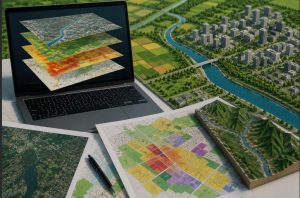
Precision agriculture leverages technology to monitor and manage soil and crop health.
Tools Include:
- Soil sensors for moisture and nutrient monitoring
- GPS-based mapping for field variability
- Drones for aerial soil and crop assessment
Benefits:
- Optimizes fertilizer and water use
- Identifies soil erosion hotspots
- Reduces environmental impact
Use of Biochar
Biochar is a carbon-rich material produced by heating organic waste in low-oxygen conditions.
Benefits:
- Improves soil fertility and water retention
- Reduces nutrient leaching
- Enhances microbial activity
Adding biochar to soil is particularly effective in degraded or sandy soils.
Reforestation and Afforestation
Planting trees on degraded or marginal land helps stabilize soil and reduce erosion.
Advantages:
- Anchors soil and prevents landslides
- Improves groundwater recharge
- Enhances biodiversity
Trees like acacia, neem, and eucalyptus are commonly used in soil conservation efforts.
Erosion Control with Geotextiles
Geotextiles are synthetic or natural fabrics laid over soil to prevent erosion on steep slopes or riverbanks.
Benefits:
- Provides immediate erosion control
- Supports vegetation growth
- Protects against heavy rainfall damage
This method is especially useful in construction or newly reclaimed agricultural land.
Practical Implementation Tips for Farmers
- Start Small – Begin with high-risk areas prone to erosion or waterlogging.
- Use Multiple Techniques Together – Combine contour farming, terracing, and cover cropping for maximum impact.
- Regular Soil Testing – Monitor soil pH, nutrients, and organic matter levels to guide interventions.
- Incorporate Organic Matter – Compost, green manure, and mulching improve soil fertility naturally.
- Monitor Water Flow – Construct small bunds, check dams, or drainage channels to manage water efficiently.
- Train and Educate Farm Workers – Awareness of soil conservation methods ensures proper maintenance.
- Leverage Technology – Use soil sensors, drones, or mapping software to make informed decisions.
- Plan for Climate Resilience – Select crops and practices that can withstand droughts, heavy rainfall, or wind erosion.
Case Studie
Case Study 1: Contour Farming in Maharashtra
Farmers in semi-arid regions of Maharashtra reduced soil erosion by 50% and increased crop yields by 20% after adopting contour farming and strip cropping.
Case Study 2: Agroforestry in Punjab
Integrating trees with wheat and mustard crops improved soil organic matter by 30% and provided additional income from timber and fruits.
Case Study 3: Precision Agriculture in Karnataka
Using soil sensors and drones, farmers optimized fertilizer use, reduced costs by 15%, and minimized soil degradation in high-intensity farmland.
Challenges and Solutions
| Challenge | Solution |
|---|---|
| High initial cost | Government subsidies, microfinance, and cooperative farming |
| Lack of knowledge | Training programs, farmer field schools, and extension services |
| Climate unpredictability | Crop diversification, resilient varieties, and water management |
| Land fragmentation | Community-based soil conservation and shared infrastructure |
Key Takeaways
- Soil conservation ensures long-term land productivity and profitability.
- A combination of traditional and modern techniques yields the best results.
- Regular monitoring, organic inputs, and smart water management are essential.
- Technology can significantly improve efficiency and reduce environmental impact.
Conclusion
Protecting soil is protecting the future of farming. By implementing a mix of methods like contour bunding, green manuring, agroforestry, precision agriculture, and erosion control, farmers and landowners can maintain soil fertility, reduce losses, and ensure sustainable crop production. Healthy soil not only secures higher yields but also strengthens resilience against climate change, making agriculture both profitable and sustainable.
FAQs:
Soil conservation refers to a set of practices aimed at protecting soil from erosion, maintaining fertility, and improving its structure to ensure long-term agricultural productivity.
Healthy soil increases crop yields, reduces dependency on chemical fertilizers, retains water, improves soil biodiversity, and ensures sustainable farming.
Soil erosion is primarily caused by water runoff, wind, deforestation, overgrazing, improper irrigation, and unsustainable farming practices.
Contour farming involves plowing and planting crops along the natural curves of a slope, which reduces water runoff and prevents soil erosion.
Terracing creates step-like flat areas on slopes, which slows water flow, reduces erosion, and makes cultivation on hilly land possible.
Legumes (like clover and beans), mustard, rye, and other green manure crops are excellent for preventing erosion, adding nutrients, and suppressing weeds.