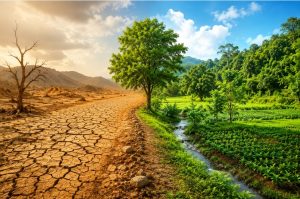
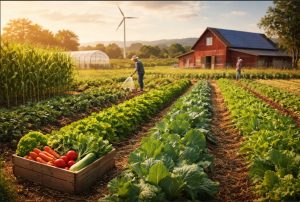
Effects of Land Degradation on Agriculture and Food Security
Understanding the link between land degradation, agriculture, and food security is vital for policymakers, farmers, and environmentalists seeking sustainable solutions. This blog explores the causes, effects, and long-term consequences of land degradation on agriculture and food security, emphasizing why urgent interventions are needed.
What is Land Degradation?
Land degradation is the process through which the quality and productivity of land deteriorate over time due to natural and human-induced factors. It includes:
- Soil erosion caused by wind, water, and deforestation
- Nutrient depletion, reducing essential nutrients critical for plant growth
- Salinization from improper irrigation practices
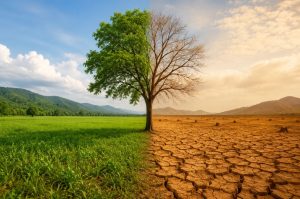
- Desertification, the conversion of productive land into desert-like conditions
- Pollution and contamination from pesticides, heavy metals, and industrial waste
Land degradation is not uniform; it varies regionally depending on climate, soil type, vegetation cover, and farming intensity. According to global environmental studies, a significant portion of cultivated land has been degraded, and a large number of people live in areas directly affected by land degradation.
Causes of Land Degradation
The causes of land degradation can be broadly divided into natural processes and human activities.
Natural Causes
- Climate variability, including droughts, floods, and storms, accelerates soil erosion and reduces land fertility
- Topography, where steep slopes are more prone to erosion and landslides
- Soil composition, as sandy or fragile soils are vulnerable to nutrient loss and compaction
Human-Induced Causes
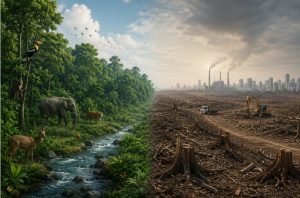
- Deforestation for agriculture or urbanization exposes soil to erosion and disrupts natural nutrient cycles
- Overgrazing by livestock removes vegetation cover, leading to soil compaction and erosion
- Unsustainable agricultural practices such as continuous monocropping, improper irrigation, and overuse of chemical fertilizers degrade soil health over time
- Urbanization and industrialization reduce arable land and can contaminate surrounding soils
In many developing regions, the combination of population pressure, poverty, and weak land management policies accelerates land degradation, creating a vicious cycle of reduced agricultural productivity and declining food security.
Impacts on Agriculture
Land degradation has direct and indirect effects on agriculture, influencing both the quantity and quality of food production.
Reduced Soil Fertility
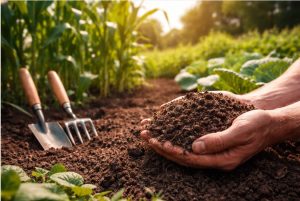
Healthy soil is rich in organic matter, nutrients, and microorganisms. Degraded soils lose these properties, reducing crop yields. Farmers often respond by increasing chemical fertilizer use, which may temporarily boost productivity but can further damage soil structure and microbial health over time.
Decreased Water Retention
Degraded soils have lower water-holding capacity, leading to drought susceptibility. Crops suffer during dry periods, and irrigation becomes less effective, increasing water demand and costs.
Increased Vulnerability to Pests and Diseases
Weakened plants grown on degraded land are more susceptible to pests, diseases, and invasive species. This not only reduces yields but also forces farmers to rely on pesticides, impacting both human health and the environment.
Loss of Arable Land
Soil erosion, desertification, and urban encroachment reduce the area of productive farmland. In regions heavily dependent on agriculture for livelihood, this translates to economic losses and increased rural poverty.
Link Between Land Degradation and Food Security
Food security is defined by the availability, access, utilization, and stability of food. Land degradation undermines each of these dimensions:
- Availability of food decreases due to lower crop yields and livestock productivity
- Access to food is limited as reduced agricultural income affects the ability to purchase sufficient nutrition
- Utilization is compromised when soil contamination and poor-quality crops lead to nutritional deficiencies
- Stability is threatened as unpredictable production increases vulnerability to food crises, especially in regions prone to climate shocks
Countries with high rates of land degradation often face persistent food insecurity and malnutrition. Regions in Africa, South Asia, and parts of Latin America are experiencing simultaneous pressures of population growth, degraded soils, and climate variability, threatening long-term food stability.
Regional Impacts of Land Degradation
Land degradation affects different regions in unique ways, depending on climate, soil type, and human activity. In arid and semi-arid regions, desertification reduces arable land, forcing communities to abandon traditional farming practices. Tropical regions face deforestation and soil erosion due to shifting agriculture and logging, which reduces nutrient-rich topsoil. In temperate regions, intensive agriculture and industrial pollution gradually deplete soil fertility and contaminate water sources.
These regional variations influence local food security, with rural communities often bearing the greatest burden. Farmers in degraded areas struggle to maintain productivity, which can lead to migration, loss of livelihoods, and increased dependence on food imports.
Economic Consequences of Land Degradation
Degraded land directly affects the agricultural economy. Reduced crop yields mean lower incomes for farmers, which in turn impacts the local and national economy. Countries with high levels of land degradation often face increased costs for fertilizers, irrigation, and soil rehabilitation.
In addition, degraded land may lead to higher food prices due to reduced supply, creating challenges for low-income households. The economic burden extends beyond agriculture, as loss of productive land affects rural employment, trade, and overall economic stability.
Case Studies of Land Degradation
Sub-Saharan Africa
Sub-Saharan Africa has experienced extensive land degradation due to overgrazing, deforestation, and unsustainable farming practices. Soil erosion and nutrient depletion reduce crop yields, contributing to food insecurity in countries heavily reliant on rain-fed agriculture.
South Asia
In South Asia, intensive agriculture and improper irrigation have caused widespread soil salinization and loss of fertility. Degraded land affects staple crops like rice and wheat, threatening the region’s food supply and increasing pressure on water resources.
Latin America
Latin America faces deforestation-driven soil erosion, particularly in the Amazon and Andean regions. Conversion of forests to agricultural land exposes soil to degradation, impacting both biodiversity and crop productivity.
Impacts on Agricultural Systems
Land degradation affects different types of agricultural systems in distinct ways.
- Rain-Fed Agriculture: Vulnerable to soil erosion and drought, leading to unpredictable yields.
- Irrigated Agriculture: Susceptible to salinization and waterlogging, which reduce productivity over time.
- Livestock Farming: Overgrazing and loss of pastureland reduce animal health and productivity.
- Agroforestry Systems: Deforestation and soil erosion compromise tree growth and long-term sustainability.
Strategies to Mitigate Land Degradation
Sustainable land management practices are essential to prevent and reverse degradation. These strategies include:
- Soil Conservation Techniques: Contour farming, terracing, and cover cropping help reduce erosion and maintain fertility.
- Agroforestry and Reforestation: Planting trees alongside crops improves soil structure, reduces erosion, and enhances biodiversity.
- Efficient Irrigation: Drip and sprinkler irrigation prevent salinization and conserve water.
- Crop Rotation and Organic Fertilizers: Maintaining soil nutrients through crop diversity and organic inputs improves long-term productivity.
- Community-Based Land Management: Engaging local communities in sustainable practices ensures long-term maintenance and resilience.
Long-Term Consequences of Land Degradation
Land degradation has far-reaching impacts that extend beyond immediate agricultural losses. If not addressed, the long-term consequences can threaten global food security, livelihoods, and environmental sustainability. Degraded soils reduce the capacity to produce sufficient food, contributing to malnutrition and undernourishment. Loss of productive land also forces farmers to expand into marginal areas, often causing deforestation, habitat destruction, and further ecological imbalance.
Impact on Global Food Systems
The global food system relies on productive land to meet the demands of a growing population. Land degradation undermines this system by reducing crop yields, affecting supply chains, and increasing food prices. Countries that depend on imports are particularly vulnerable, as degraded land elsewhere can disrupt global markets. Additionally, reduced agricultural productivity increases reliance on intensive farming methods, which can accelerate soil depletion, water scarcity, and environmental pollution.
Connection to Climate Change
Land degradation and climate change are closely linked. Degraded soils store less carbon, releasing greenhouse gases into the atmosphere and worsening climate change. Conversely, changing climate patterns, such as rising temperatures and altered rainfall, intensify land degradation. This creates a feedback loop where degraded land contributes to climate change, and climate change further accelerates soil degradation, posing challenges for sustainable agriculture.
Innovative Solutions for Sustainable Agriculture
Addressing land degradation requires integrated approaches that combine technology, policy, and community engagement. Key strategies include:
- Restoration of Degraded Lands: Techniques like reforestation, afforestation, and soil rehabilitation improve land fertility and restore ecosystem services.
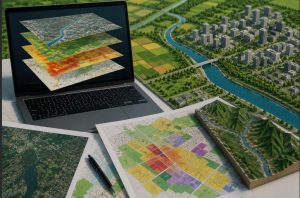
- Precision Agriculture: Using technology such as soil sensors, drones, and GPS-guided equipment optimizes fertilizer use, irrigation, and planting patterns, reducing land stress.
- Climate-Smart Farming: Adopting drought-resistant crops, crop diversification, and water-efficient practices enhances resilience against climate variability.
- Policy and Incentives: Governments can support farmers through subsidies for sustainable practices, land-use regulations, and awareness campaigns to prevent degradation.
- Community Participation: Empowering local communities to manage and protect their land ensures long-term sustainability and equitable food access.
The Role of Global Cooperation
Combating land degradation and ensuring food security is a global responsibility. International initiatives, such as the UN Sustainable Development Goals and the UN Convention to Combat Desertification, emphasize restoring degraded land, promoting sustainable agriculture, and reducing hunger worldwide. Collaboration between governments, NGOs, research institutions, and farmers is essential to implement effective strategies and share knowledge globally.
Conclusion
Land degradation poses one of the greatest challenges to agriculture and food security. Its impacts range from reduced soil fertility and crop yields to economic losses, migration, and heightened vulnerability to climate change. Sustainable land management, innovative agricultural practices, and global cooperation are critical to reversing degradation and ensuring a resilient food system. Protecting the land is not just an environmental necessity but a vital step toward securing nutrition, livelihoods, and well-being for current and future generations.
FAQs:
Land degradation is the decline in the quality and productivity of land caused by natural processes and human activities, such as soil erosion, nutrient depletion, deforestation, and pollution.
It reduces soil fertility, lowers crop yields, decreases water retention, and makes plants more vulnerable to pests and diseases. Over time, it can lead to the loss of productive farmland.
Land degradation occurs due to climate factors like droughts and floods, topography, and soil type, as well as human-induced activities like deforestation, overgrazing, unsustainable farming, and urbanization.
By lowering crop and livestock productivity, land degradation reduces food availability, increases prices, limits access to nutritious food, and creates instability in food supply, affecting both local and global food security.
Yes, through sustainable land management practices, soil conservation, reforestation, efficient irrigation, crop rotation, organic fertilization, and community-based initiatives, degraded land can be restored.
Degraded soils release more greenhouse gases and store less carbon, worsening climate change. Conversely, climate change accelerates land degradation through extreme weather events and shifting rainfall patterns.