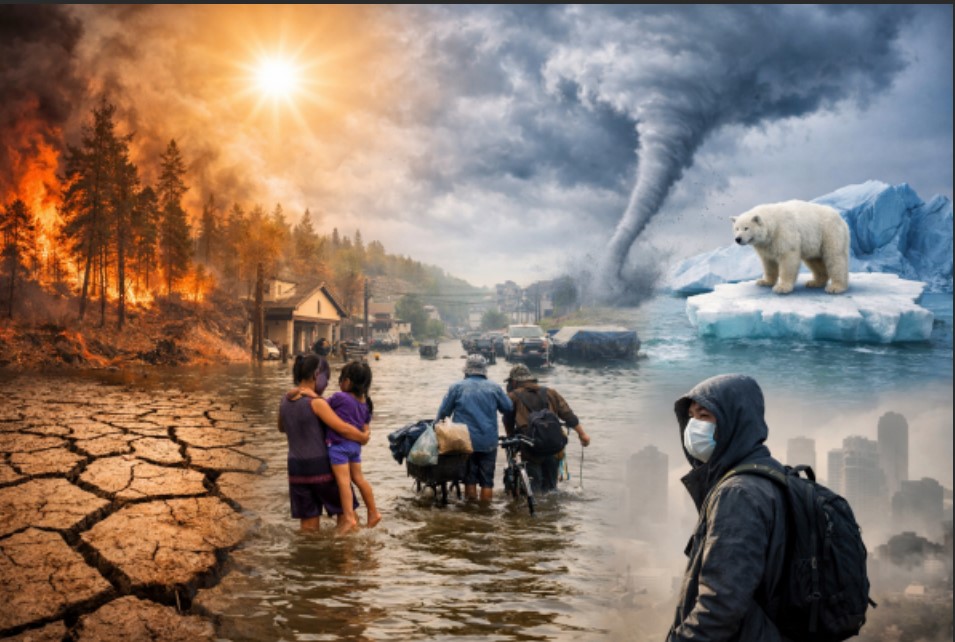
Climate change is no longer a distant threat—it is a present-day reality affecting both natural ecosystems and human societies across the globe. Driven primarily by human activities, climate change results in rising temperatures, altered weather patterns, melting glaciers, and an increase in extreme climatic events. Its effects are far-reaching, impacting biodiversity, agriculture, water resources, human health, and socio-economic structures.
Understanding Climate Change
Climate change refers to long-term alterations in temperature, precipitation, wind patterns, and other elements of the Earth’s climate system. While the planet has undergone natural climate shifts throughout its history, the rapid changes observed over the past century are largely attributed to human activities, particularly the burning of fossil fuels, deforestation, and industrialization.
Causes of Climate Change
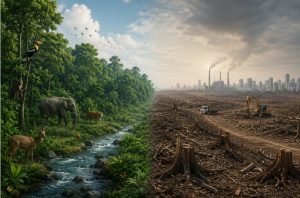
Greenhouse gas emissions, including carbon dioxide, methane, nitrous oxide, and fluorinated gases, trap heat in the atmosphere, leading to global warming. Deforestation reduces the Earth’s ability to absorb carbon dioxide, accelerating warming. Industrial pollution from factories alters atmospheric composition, while agricultural practices, such as livestock farming and synthetic fertilizers, contribute to methane and nitrous oxide emissions. Urbanization increases energy consumption, creates heat islands, and adds environmental stress.
Impacts of Climate Change on Nature
Nature is particularly sensitive to shifts in temperature and precipitation. Changes in ecosystems can have cascading effects on biodiversity, food webs, and ecosystem services.
Rising Temperatures and Heatwaves
Global temperatures have been rising steadily, with the last decade being the warmest on record. Heatwaves cause stress to both plants and animals, altering growth patterns, migration routes, and reproductive cycles.
For example, coral reefs, such as the Great Barrier Reef in Australia, experience bleaching due to prolonged exposure to high sea temperatures. Plant species may die off or migrate to cooler regions, affecting herbivores and the predators that depend on them.
Melting Ice and Rising Sea Levels
The Arctic and Antarctic regions are witnessing accelerated ice melting. Glaciers and polar ice caps contribute to sea-level rise, threatening coastal habitats and low-lying islands.
Polar bears and seals lose their natural habitats, while mangroves and coastal wetlands face inundation. Coastal human communities experience displacement, erosion, and increased vulnerability to storms.
Altered Precipitation Patterns
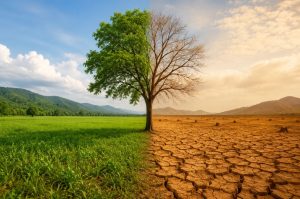
Climate change disrupts the hydrological cycle, causing erratic rainfall patterns, floods, and droughts.
Regions like sub-Saharan Africa experience prolonged droughts, while South Asia faces heavy monsoons and floods. Wetlands dry up, rivers shrink, and soil fertility decreases, affecting biodiversity.
Ocean Acidification
Increased carbon dioxide levels lead to higher absorption by oceans, lowering their pH. This acidification affects marine organisms like shellfish and corals, disrupting entire marine food chains. Fish populations decline, impacting seabirds and humans dependent on fisheries for food and livelihood.
Biodiversity Loss
Many species cannot adapt quickly enough to rapid climate changes, resulting in population declines or extinctions.
Amphibians and tropical rainforest species are among the most vulnerable due to narrow habitat ranges. Loss of biodiversity destabilizes ecosystems, reduces resilience, and affects ecosystem services like pollination and water purification.
Effects of Climate Change on Human Life
Humans are both contributors to and victims of climate change. The impacts on society, health, and economy are extensive and increasingly severe.
Health Impacts
Climate change directly and indirectly affects human health through increased heat stress, altered disease patterns, and food insecurity.
Prolonged heatwaves cause dehydration, heatstroke, and cardiovascular stress. Changes in temperature and precipitation expand habitats for disease-carrying vectors like mosquitoes, leading to outbreaks of malaria and dengue. Extreme weather events, displacement, and uncertainty can trigger anxiety, depression, and trauma.
Food Security and Agriculture
Agriculture is highly sensitive to climatic conditions. Shifts in temperature, rainfall, and soil quality threaten crop yields and livestock productivity.
Droughts and floods reduce harvests and increase food prices. Warmer climates allow pests to survive longer, damaging crops. These factors increase the risk of hunger and malnutrition, particularly in vulnerable communities in Africa, South Asia, and Latin America.
Water Scarcity
Climate change affects both the availability and quality of freshwater. Glacial melt initially increases river flow but eventually leads to water shortages. Communities relying on rivers fed by glaciers face scarcity, while contaminated water supplies increase the risk of waterborne diseases.
Economic Consequences
Extreme weather events, crop failures, and rising sea levels impose economic burdens on nations. Countries spend billions on flood relief, infrastructure repair, and emergency services. Agriculture, fisheries, tourism, and insurance industries are particularly vulnerable.
Human Migration and Displacement
Rising sea levels, desertification, and extreme weather force communities to migrate. Climate refugees face social, economic, and political challenges, often leading to conflicts over resources in host areas.
Climate change continues to affect human life and urban environments in ways that are often interconnected and compounding. Beyond the natural world, cities, economies, and societies face unique vulnerabilities. Understanding these impacts and exploring strategies for adaptation and mitigation is essential to building resilience.
Impacts on Urban Environments
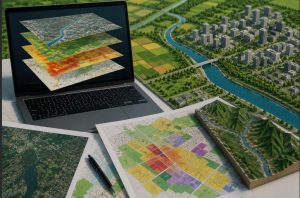
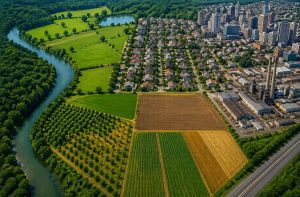
Cities are particularly vulnerable to climate change due to high population density, infrastructure demands, and energy consumption. Rising temperatures intensify urban heat islands, where concrete, asphalt, and buildings absorb and retain heat, making cities hotter than surrounding areas. This increases energy demand for cooling, strains power grids, and heightens health risks for vulnerable populations.
Flooding and storms affect urban infrastructure, damaging roads, bridges, and public transportation. Poorly planned drainage systems lead to waterlogging, contaminating water supplies and disrupting daily life. Coastal cities face an added threat from rising sea levels, which can displace millions and damage property on a massive scale.
Climate Change and Global Conflicts
Competition over scarce resources is intensified by climate change. Water shortages, failing crops, and rising food prices can lead to disputes between communities and nations. In some regions, environmental stress has contributed to political instability and conflict, particularly where governments lack the capacity to manage crises.
Migration caused by environmental pressures can also spark social tensions in host regions, as communities struggle to accommodate large numbers of climate refugees. These dynamics highlight the complex relationship between environmental change and human security.
Long-term Socio-Economic Impacts
The economic consequences of climate change extend beyond immediate disaster recovery. Agricultural losses, damage to infrastructure, and decreased labor productivity affect both national and global economies. Developing countries are often hit hardest due to reliance on climate-sensitive sectors and limited resources to respond.
Climate change exacerbates social inequalities, disproportionately impacting marginalized communities. People with limited access to healthcare, housing, and financial resources face higher vulnerability to health risks, displacement, and economic hardship. Over time, these disparities can deepen cycles of poverty and social instability.
Adaptation and Mitigation Strategies
While the impacts of climate change are severe, proactive strategies can reduce risks and enhance resilience. Adaptation focuses on adjusting human and natural systems to minimize harm. Examples include developing drought-resistant crops, constructing flood-resistant infrastructure, restoring wetlands, and improving urban planning to manage heat and water.
Mitigation aims to address the root causes of climate change by reducing greenhouse gas emissions. Renewable energy adoption, reforestation, sustainable agriculture, and cleaner transportation systems are essential for slowing global warming. International cooperation, policy reforms, and community engagement are critical for implementing effective solutions.
The Role of Education and Awareness
Raising awareness about climate change empowers individuals and communities to take action. Education programs can promote energy conservation, sustainable practices, and disaster preparedness. Local initiatives, such as community gardens, tree planting drives, and water conservation campaigns, help build resilience while fostering a sense of collective responsibility.
Looking Ahead
The future of both nature and human life depends on urgent and coordinated action. Without intervention, climate change will continue to amplify environmental degradation, threaten biodiversity, compromise human health, and disrupt global economies. However, by integrating science-based policies, innovative technologies, and community engagement, societies can reduce vulnerability and create a sustainable future.
Conclusion
Climate change is a pervasive challenge that affects every aspect of life on Earth. From rising temperatures and biodiversity loss to health crises and economic instability, the impacts are wide-ranging and interconnected. Addressing this global issue requires immediate action at all levels—from governments and businesses to individuals—through mitigation, adaptation, and a commitment to sustainability.
FAQs:
Climate change refers to long-term alterations in the Earth’s temperature, precipitation, and other weather patterns. While the planet has experienced natural climate shifts, current changes are primarily driven by human activities such as burning fossil fuels, deforestation, and industrialization.
Climate change disrupts ecosystems through rising temperatures, altered rainfall, melting ice, ocean acidification, and biodiversity loss. Species struggle to adapt, leading to habitat loss, migration, and in severe cases, extinction.
Humans are affected through increased heat stress, health risks, food insecurity, water scarcity, economic losses, and forced migration. Vulnerable populations face greater challenges due to limited resources and infrastructure.
Rising global temperatures intensify storms, hurricanes, floods, droughts, and heatwaves. These events become more frequent and severe, causing damage to infrastructure, agriculture, and human lives.
Yes. Climate change can exacerbate resource scarcity, particularly water and food, leading to disputes between communities and countries. It can also trigger migration, creating social tensions in affected regions.