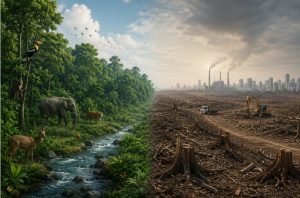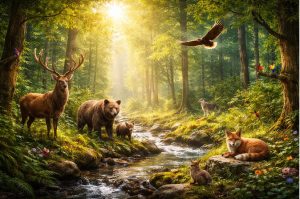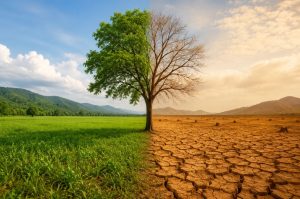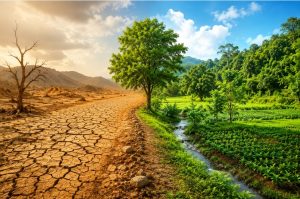
Introduction: Understanding Biodiversity
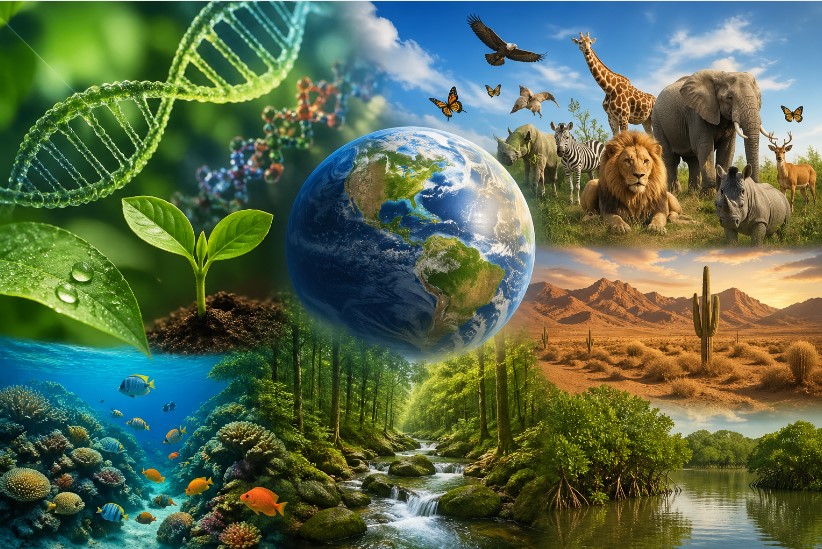
Biodiversity refers to the variety of life on Earth. It includes all living organisms, from tiny microbes to large animals and plants. In addition, it covers the ecosystems where these organisms live and interact.
Biodiversity is essential for maintaining balance in nature. For example, it supports food chains, regulates climate, and ensures clean air and water. Therefore, understanding biodiversity is important for both environmental protection and human survival.
Scientists group biodiversity into three main levels. These are genetic diversity, species diversity, and ecosystem diversity. Each level plays a unique role in sustaining life on Earth.
What Is Biodiversity?
Biodiversity is a key concept in Ecology. It describes the variety of life forms in a given area or across the planet.
Key Features of Biodiversity
- Variety of living organisms
- Differences within species
- Range of ecosystems
- Interaction between organisms and environment
As a result, higher biodiversity usually means a healthier and more stable environment.
Types of Biodiversity
Biodiversity is divided into three main types. Each type focuses on a different level of life.
- Genetic diversity
- Species diversity
- Ecosystem diversity
In this section, the focus is on genetic diversity, which forms the base of all biodiversity.
Genetic Diversity Explained
What Is Genetic Diversity?
Genetic diversity refers to the variation in genes within a species. In other words, it explains why individuals of the same species look and behave differently.
For instance, humans have different eye colors, heights, and skin tones. Similarly, plants and animals also show variation within their species.
Importance of Genetic Diversity
Genetic diversity is very important for survival. Without it, species may not adapt to changes in the environment.
Key Benefits
- Helps species adapt to climate change
- Increases resistance to diseases
- Supports evolution over time
- Ensures survival during environmental changes
Therefore, greater genetic diversity increases the chances of survival.
How Genetic Diversity Works
Genes carry information that determines traits. These genes are passed from parents to offspring.
Because of genetic variation:
- Some individuals may survive better in harsh conditions
- Others may resist certain diseases
- Some may adapt faster to changes
As a result, species with higher genetic diversity are more resilient.
Examples of Genetic Diversity
Humans
Humans show wide genetic variation. Differences in appearance and health conditions are examples of this diversity.
Plants
Crop plants like rice or wheat have many varieties. Each variety has different traits, such as drought resistance or faster growth.
Animals
Animals of the same species may differ in size, color, or behavior. These differences are due to genetic variation.
Causes of Genetic Diversity
Several natural processes create genetic diversity.
Mutation
Changes in DNA create new traits. Sometimes, these traits help survival.
Reproduction
Sexual reproduction mixes genes from two parents. As a result, offspring are genetically unique.
Gene Flow
Movement of individuals between populations introduces new genes.
Natural Selection
In Natural Selection, individuals with better traits survive and reproduce. Therefore, useful traits become more common over time.
Threats to Genetic Diversity
Despite its importance, genetic diversity is under threat.
Major Threats
- Habitat destruction
- Pollution
- Climate change
- Overexploitation of species
For example, when populations become small, genetic variation decreases. As a result, species become weaker and more vulnerable.
Conservation of Genetic Diversity
Protecting genetic diversity is essential for long-term survival of species.
Conservation Methods
- Protecting natural habitats
- Breeding programs
- Seed banks and gene banks
- Wildlife conservation efforts
These methods help maintain genetic variation and support biodiversity.
Why Genetic Diversity Matters for Humans
Genetic diversity is not only important for nature but also for humans.
Human Benefits
- Supports agriculture and food security
- Helps develop medicines
- Maintains ecosystem stability
- Reduces risk of species extinction
Therefore, protecting genetic diversity benefits both nature and society.
Link Between Genetic Diversity and Other Biodiversity Levels
Genetic diversity forms the foundation of all biodiversity.
- It supports species diversity
- It influences ecosystem stability
Without genetic variation, species cannot survive. As a result, ecosystems may collapse.
ows how evenly individuals are spread among species. For example, if one species dominates and others are rare, evenness is low. However, if all species are present in similar numbers, evenness is high.
Importance of Species Diversity
Species diversity plays a major role in maintaining ecological balance. Moreover, it supports many natural processes.
Key Benefits
- Improves ecosystem stability
- Supports food chains and food webs
- Enhances resilience to environmental changes
- Helps control pests and diseases
- Maintains natural cycles
As a result, ecosystems with high species diversity are stronger and more stable.
How Species Diversity Works
Each species has a role in its environment. Some produce food, while others consume it. Therefore, all species are connected in a complex system.
For example:
- Plants produce energy through photosynthesis
- Herbivores eat plants
- Carnivores eat other animals
This connection is known as a food chain. In reality, many food chains combine to form a food web. Consequently, the removal of one species can affect many others.
Role of Food Chain and Food Webs
Food chains show how energy flows from one organism to another. However, ecosystems are more complex, so they form food webs.
Why They Matter
- Maintain balance in nature
- Control population levels
- Ensure energy flow
Therefore, species diversity supports strong and stable food systems.
Examples of Species Diversity
Forest Ecosystems
Forests are rich in species diversity. They include trees, birds, insects, and mammals. As a result, they are among the most stable ecosystems.
Coral Reefs
Coral reefs are highly diverse marine ecosystems. They support thousands of species. Therefore, they are often called the “rainforests of the sea.”
Grasslands
Grasslands have fewer species than forests. However, they still support a wide range of animals and plants.
Factors Affecting Species Diversity
Species diversity depends on several environmental factors.
Climate
Warm and stable climates support more species. For example, tropical regions have higher diversity than cold regions.
Habitat Size
Larger habitats can support more species. Therefore, bigger ecosystems usually have higher diversity.
Availability of Resources
Food, water, and shelter are essential. If these are limited, species diversity decreases.
Human Activities
Human actions can strongly affect species diversity.
- Deforestation
- Pollution
- Urbanization
- Overhunting
As a result, many species lose their habitats and may become endangered.
Threats to Species Diversity
Species diversity is declining due to several reasons. Therefore, conservation is very important.
Major Threats
- Habitat loss
- Climate change
- Pollution
- Invasive species
In addition, overuse of natural resources also reduces diversity.
Conservation of Species Diversity
Protecting species diversity helps maintain ecological balance.
Conservation Methods
- Wildlife protection laws
- National parks and reserves
- Sustainable resource use
- Awareness programs
As a result, these efforts help protect endangered species and restore ecosystems.
Importance of Species Diversity for Humans
Species diversity is not only important for nature but also for human life.
Human Benefits
- Provides food and resources
- Supports medicine development
- Maintains ecosystem services
- Helps agriculture
Therefore, protecting species diversity directly benefits human survival.
Link Between Species and Other Biodiversity Levels
Species diversity depends on genetic diversity. At the same time, it supports ecosystem diversity.
- Genetic diversity allows species to adapt
- Species diversity maintains ecosystem balance
As a result, all levels of biodiversity are interconnected.
Ecosystem Diversity Explained
What Is Ecosystem Diversity?
Ecosystem diversity refers to the variety of ecosystems in a particular area or on Earth. In simple terms, it includes different environments such as forests, deserts, oceans, and grasslands. Each ecosystem has its own climate, organisms, and natural processes.
For example, a tropical forest is very different from a desert. Therefore, both support different types of plants and animals. As a result, greater ecosystem diversity means more variety of life and better environmental balance.
Types of Ecosystems
Ecosystems can be broadly grouped based on their environment. Each type supports unique living conditions.
Terrestrial Ecosystems
These are land-based ecosystems. For instance:
- Forests
- Grasslands
- Deserts
- Mountains
Each of these has different climates and species. Therefore, they contribute to overall biodiversity.
Aquatic Ecosystems
These include water-based environments.
- Oceans and seas
- Rivers and lakes
- Wetlands
Aquatic ecosystems support a wide range of life. In addition, they play a key role in climate regulation.
Importance of Ecosystem Diversity
Ecosystem diversity is essential for maintaining life on Earth. Moreover, it supports both nature and human life.
Key Benefits
- Maintains ecological balance
- Supports food production
- Regulates climate
- Provides clean air and water
- Supports wildlife habitats
As a result, diverse ecosystems are more stable and productive.
How Ecosystems Function
Ecosystems work through interactions between living and non-living components. These interactions create a balanced system.
Key Components
- Living organisms (plants, animals, microbes)
- Non-living factors (air, water, soil, sunlight)
Plants produce energy using sunlight. Then, animals depend on plants or other animals for food. As a result, energy flows through the ecosystem.
Role of Food Web
A food web shows how different food chains are connected. Unlike a simple food chain, it represents multiple feeding relationships.
Why Food Webs Matter
- Maintain ecological balance
- Support energy flow
- Reduce impact of species loss
Therefore, strong food webs make ecosystems more stable.
Examples of Ecosystem Diversity
Forest Ecosystems
Forests are rich in biodiversity. They support many plant and animal species. In addition, they help regulate climate and store carbon.
Desert Ecosystems
Deserts have extreme conditions. However, they still support specially adapted plants and animals.
Marine Ecosystems
Oceans cover most of the Earth. Therefore, they support a vast range of species and play a major role in global systems.
Wetland Ecosystems
Wetlands act as natural filters. They also provide habitats for birds and aquatic life.
Factors Affecting Ecosystem Diversity
Several factors influence ecosystem diversity.
Climate
Temperature and rainfall play a major role. For example, tropical regions have higher diversity.
Geography
Mountains, rivers, and landforms affect ecosystem types. Therefore, different regions have different ecosystems.
Human Activities
Human actions can greatly impact ecosystems.
- Deforestation
- Pollution
- Urban development
- Climate change
As a result, many ecosystems are under threat.
Threats to Ecosystem Diversity
Ecosystem diversity is decreasing due to various reasons.
Major Threats
- Habitat destruction
- Global warming
- Pollution
- Overuse of resources
In addition, invasive species can disturb natural balance.
Conservation of Ecosystem Diversity
Protecting ecosystems is essential for biodiversity.
Conservation Methods
- Creating national parks
- Protecting natural habitats
- Reducing pollution
- Promoting sustainable practices
As a result, these efforts help preserve ecosystems for future generations.
Importance for Human Life
Ecosystem diversity provides many benefits to humans.
Human Benefits
- Food and water resources
- Climate control
- Medicines from plants
- Natural disaster protection
Therefore, protecting ecosystems is directly linked to human survival.
Link Between All Three Levels of Biodiversity
All three levels of biodiversity are connected.
- Genetic diversity supports species survival
- Species diversity maintains ecosystems
- Ecosystem diversity supports life on Earth
As a result, losing one level affects the others.
Conclusion
Ecosystem diversity is a vital part of biodiversity. It includes the wide range of environments that support life. Moreover, it ensures ecological balance and sustainability.
By protecting ecosystems, we protect all forms of life. Therefore, conservation efforts are necessary for a healthy planet.
FAQs:
Biodiversity refers to the variety of living organisms on Earth. It includes genetic, species, and ecosystem diversity.
The three main types are genetic diversity, species diversity, and ecosystem diversity. Each level supports life in a different way.
Genetic diversity is the variation of genes within a species. As a result, individuals of the same species have different traits.
It helps species adapt to changes, resist diseases, and survive over time. Therefore, it is essential for evolution.
Species diversity refers to the variety of different species in an area. It also includes how evenly they are distributed.
Genetic diversity supports species survival. Then, species diversity supports ecosystems. Therefore, all three are linked.