Introduction
Forests are among the most powerful natural systems on Earth when it comes to regulating climate and supporting life. Covering a significant portion of the planet’s land, forests act as a natural defense against climate change by absorbing carbon dioxide, maintaining ecological balance, and supporting biodiversity.
As climate change intensifies, forests have become even more important. Rising temperatures, unpredictable weather, and environmental degradation are increasing the need for strong natural solutions. Forests not only help reduce these impacts but also provide a foundation for sustainable living.
Understanding Climate Change
Climate change refers to long-term changes in temperature and weather patterns, mainly caused by human activities such as deforestation, burning fossil fuels, and industrial development. These activities release greenhouse gases into the atmosphere, leading to global warming.
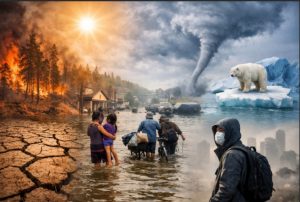
The major effects of climate change include:
- Rising global temperatures
- Melting glaciers
- Increased extreme weather events
- Loss of biodiversity
Forests play a crucial role in addressing these issues by acting as natural regulators of the environment.
Forests as Carbon Sinks
The Forests absorb carbon dioxide from the atmosphere through photosynthesis. Trees store carbon in their trunks, leaves, roots, and surrounding soil.
This process helps:
- Reduce greenhouse gases
- Slow down global warming
- Maintain atmospheric balance
Large forest areas, especially dense forests, act as massive carbon storage systems, making them essential in fighting climate change.
Oxygen Production and Air Quality
Forests are often called the lungs of the Earth because they produce oxygen and improve air quality. Trees absorb pollutants and release fresh oxygen into the atmosphere.
Benefits include:
- Cleaner air
- Reduced pollution levels
- Improved human health
Forests near urban areas are especially valuable in reducing pollution and enhancing living conditions.
Regulation of Temperature
Forests help regulate temperature by providing shade and releasing moisture into the air through transpiration.
This leads to:
- Cooling of surrounding areas
- Reduction in heatwaves
- Stabilization of local climate
Without forests, temperatures can rise significantly, making regions more vulnerable to extreme heat.
Role in Water Cycle
Forests play a key role in maintaining the water cycle. Trees absorb water from the soil and release it into the atmosphere, contributing to cloud formation and rainfall.
This helps:
- Maintain consistent rainfall
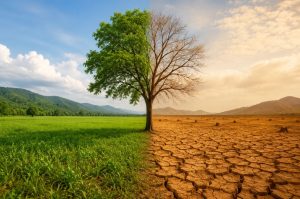
- Prevent drought conditions
- Support freshwater availability
Regions with healthy forests tend to have more stable weather patterns.
Prevention of Soil Erosion
Tree roots hold the soil firmly, preventing it from being washed away by rain or blown away by wind.
This results in:
- Protection against landslides
- Preservation of fertile soil
- Support for agriculture
Without forest cover, soil becomes weak and loses its productivity over time.
Biodiversity Conservation
Forests are home to a vast range of plants, animals, and microorganisms. They provide shelter, food, and a safe environment for countless species.
Key benefits include:
- Protection of wildlife
- Maintenance of ecological balance
- Preservation of genetic diversity
Healthy biodiversity strengthens ecosystems and helps them adapt to climate change.
Forests and Rainfall Patterns
Forests influence rainfall by releasing moisture into the atmosphere, which contributes to cloud formation.
This leads to:
- Stable rainfall cycles
- Reduced risk of drought
- Better agricultural conditions
Deforestation disrupts these natural processes, leading to unpredictable weather.
Impact of Deforestation on Climate Change
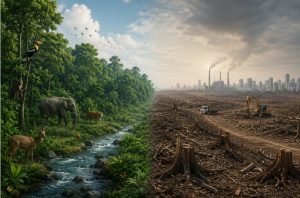
Deforestation is one of the leading causes of climate change. When trees are cut down, the carbon stored in them is released into the atmosphere.
This causes:
- Increase in greenhouse gas emissions
- Loss of carbon storage capacity
- Environmental imbalance
Deforestation also weakens the Earth’s ability to absorb future emissions.
Forests and Sustainable Livelihoods
Millions of people depend on forests for their daily needs and income. Forests provide resources such as food, fuel, medicine, and raw materials.
They help:
- Support rural economies
- Provide employment
- Sustain indigenous communities
Protecting forests ensures both environmental and economic stability.
Urban Forests and Climate Benefits
Urban forests, including parks and green spaces, are important for improving city environments.
They contribute to:
- Reduction of urban heat
- Improved air quality
- Better mental and physical health
Cities with more greenery are more resilient to climate change.
Forests as Natural Climate Solutions
Forests are one of the most effective natural solutions to climate change.
Key approaches include:
- Reforestation
- Afforestation
- Conservation of existing forests
These methods help reduce carbon emissions and promote long-term sustainability.
Role of Governments and Policies
Governments play a major role in protecting forests through laws and policies.
Important actions include:
- Preventing illegal logging
- Promoting sustainable forest management
- Supporting conservation programs
Strong policies are essential to ensure forests are preserved for future generations.
Community Participation in Forest Conservation
Local communities play a vital role in forest conservation. Their involvement ensures responsible use and protection of forest resources.
This includes:
- Community-led forest management
- Awareness programs
- Sustainable practices
Active participation leads to better conservation outcomes.
Global Forest Conservation Initiatives
Efforts to protect forests are being carried out at international, national, and local levels. Governments and organizations are working together to reduce deforestation and promote sustainable forest use.
One major global initiative is REDD+, which supports developing countries in reducing emissions from forest loss while encouraging conservation and sustainable practices.
Another key agreement is the Paris Agreement, where countries committed to limiting global warming and recognized forests as essential for carbon reduction.
These initiatives highlight the global recognition of forests as a powerful tool in climate action.
Challenges in Forest Conservation
Despite strong efforts, forest conservation faces several serious challenges.
Illegal Logging
Unauthorized cutting of trees continues to damage forest ecosystems.
- Leads to rapid deforestation
- Reduces biodiversity
- Increases carbon emissions
Agricultural Expansion
Forests are often cleared for farming and livestock grazing.
- Decreases forest cover
- Disrupts ecosystems
- Affects soil quality
Urbanization and Development
Expanding cities and infrastructure projects result in forest loss.
- Habitat destruction
- Increased pollution
- Fragmentation of ecosystems
Climate Change Effects
Climate change itself is harming forests.
- Increased droughts
- Pest infestations
- Rising temperatures
These challenges weaken forests and reduce their ability to fight climate change.
Forest Fires and Their Impact
Forest fires are becoming more frequent due to rising temperatures and dry conditions.
- Release large amounts of carbon dioxide
- Destroy wildlife habitats
- Reduce forest cover
Fires can turn forests from carbon sinks into carbon sources, accelerating climate change instead of slowing it.
Role of Technology in Forest Protection
Modern technology is improving forest conservation efforts.
Satellite Monitoring
Satellites help track deforestation and monitor forest health in real time, allowing quick action against illegal activities.
Drones and Artificial Intelligence
- Drones survey remote forest areas
- AI detects patterns of deforestation
- Early warning systems help prevent fires
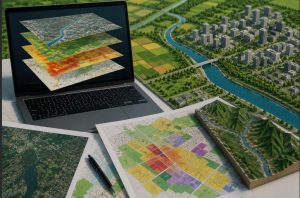
Digital Mapping
Geographic tools help in planning and managing forest resources efficiently.
Technology makes conservation more accurate, transparent, and effective.
Reforestation and Afforestation
Tree planting plays a crucial role in restoring environmental balance.
Reforestation
Reforestation involves planting trees in areas where forests have been destroyed.
- Restores ecosystems
- Increases carbon absorption
- Improves biodiversity
Afforestation
Afforestation means planting trees in areas that were not previously forested.
- Expands green cover
- Improves air quality
- Supports climate stability
Both approaches are essential for long-term climate solutions.
Importance of Indigenous Knowledge
Indigenous communities have a deep understanding of forest ecosystems. Their traditional practices help maintain balance and sustainability.
- Use resources responsibly
- Protect biodiversity
- Maintain ecological harmony
Including indigenous communities in conservation efforts leads to more effective and sustainable outcomes.
Economic Importance of Forests
Forests contribute significantly to economies worldwide.
- Provide timber and raw materials
- Support tourism and medicinal industries
- Create employment opportunities
Sustainable forest management ensures economic benefits without harming the environment.
Forest-Based Climate Solutions
Forests offer practical and effective solutions to climate change.
Carbon Sequestration
Trees absorb and store carbon dioxide, reducing greenhouse gases in the atmosphere.
Ecosystem Restoration
Restoring forests improves biodiversity and strengthens ecosystems.
Agroforestry
Combining agriculture with forestry improves productivity and environmental health.
These solutions are natural, cost-effective, and long-lasting.
Role of Individuals in Forest Conservation
Individuals can make a meaningful contribution to protecting forests.
- Reduce paper usage
- Choose sustainable products
- Participate in tree planting
- Spread awareness
Small efforts from many people can create a big impact.
Corporate Responsibility
Businesses also play an important role in forest conservation.
- Adopt sustainable sourcing
- Reduce environmental impact
- Support reforestation programs
Many companies are now focusing on eco-friendly practices and long-term sustainability.
Education and Awareness
Awareness is key to protecting forests.
- Environmental education in schools
- Public awareness campaigns
- Community involvement
Educated communities are more likely to support conservation efforts.
Future of Forests in Climate Action
The future depends on how effectively forests are protected and restored.
- Stronger global cooperation is needed
- Policies must be strictly enforced
- Sustainable practices should be promoted
Forests will remain a critical part of climate solutions for years to come.
Final Thought
Forests are one of the most valuable natural resources on Earth. Their ability to absorb carbon, regulate climate, and support biodiversity makes them essential in the fight against climate change.
Protecting forests requires collective action from governments, organizations, and individuals. By preserving and restoring forests, we can ensure a healthier environment and a sustainable future.
FAQs:
Forests absorb carbon dioxide, reduce greenhouse gases, and help regulate global temperatures.
Deforestation is the clearing of forests for agriculture, urban development, or industrial use.
They act as carbon sinks, absorbing and storing carbon dioxide from the atmosphere.
Afforestation is planting trees in areas that were not previously forested.
By reducing resource use, supporting eco-friendly products, and participating in conservation activities.