Introduction
Urban growth is one of the most defining trends of the modern world. Cities are expanding rapidly as populations increase and economies develop. While urbanization brings infrastructure, employment, and improved living standards, it also creates significant pressure on the natural environment. One of the most concerning consequences is the growing threat to biodiversity.
Biodiversity refers to the variety of life on Earth, including plants, animals, microorganisms, and ecosystems. It is essential for maintaining ecological balance, supporting food systems, and ensuring environmental sustainability. However, as urban areas expand, natural habitats are destroyed or altered, leading to a decline in biodiversity.
Understanding how urban growth impacts biodiversity is crucial for creating sustainable cities and protecting the planet’s natural heritage.
What Is Urban Growth
Urban growth refers to the expansion of cities and towns, both in population and physical size. It involves the development of residential areas, commercial zones, industrial hubs, and transportation networks.
This growth is driven by several factors:
- Population increase
- Migration from rural to urban areas
- Economic development
- Industrialization
- Infrastructure expansion
Urban growth can be planned or unplanned. Planned growth includes structured city development with proper zoning and environmental considerations. Unplanned growth, often seen in developing regions, leads to overcrowding, pollution, and environmental degradation.
Understanding Biodiversity
Biodiversity is not just about the number of species; it includes genetic diversity, species diversity, and ecosystem diversity.
Types of Biodiversity
Genetic Diversity
Variation within a species that allows it to adapt to environmental changes.
Species Diversity
The variety of species within a particular region or ecosystem.
Ecosystem Diversity
Different ecosystems such as forests, wetlands, grasslands, and oceans.
Each level of biodiversity plays a critical role in maintaining ecological stability and resilience.
Why Biodiversity Matters
Ecosystem Stability
Biodiversity ensures that ecosystems function properly. A diverse ecosystem is more resilient to changes and disturbances.
Food Security
Many crops depend on pollinators and healthy ecosystems. Loss of biodiversity threatens food production.
Climate Regulation
Natural ecosystems help regulate temperature, rainfall, and carbon cycles.
Economic Value
Biodiversity supports industries such as agriculture, tourism, and medicine.
Human Well-being
Access to green spaces improves mental and physical health.
The Link Between Urban Growth and Biodiversity Loss
Urban growth and biodiversity are closely connected. As cities expand, natural landscapes are converted into built environments, leading to habitat loss and fragmentation.
Urbanization changes land use patterns, increases pollution, and disrupts natural ecosystems. These changes directly and indirectly impact biodiversity.
Major Ways Urban Growth Threatens Biodiversity
Habitat Destruction
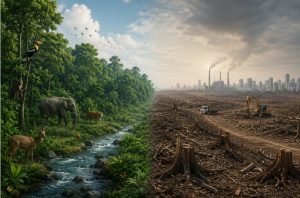
One of the most direct impacts of urban growth is the destruction of natural habitats. Forests, wetlands, and grasslands are cleared to make space for buildings and infrastructure.
When habitats are destroyed:
- Species lose their homes
- Food sources disappear
- Ecosystems collapse
This often leads to species migration or extinction.
Habitat Fragmentation
Even when some natural areas remain, they are often divided into smaller, isolated patches due to roads, buildings, and urban infrastructure.
Fragmentation leads to:
- Reduced genetic diversity
- Limited movement of species
- Increased vulnerability to predators and environmental changes
Small, isolated populations are more likely to decline over time.
Pollution
Urban areas generate large amounts of pollution, which affects biodiversity in multiple ways.
Air Pollution
Emissions from vehicles and industries harm plants and animals.
Water Pollution
Urban runoff carries chemicals, plastics, and waste into water bodies, affecting aquatic life.
Noise Pollution
Constant noise disrupts animal communication, breeding, and migration.
Light Pollution
Artificial lighting affects nocturnal species and disrupts natural cycles.
Introduction of Invasive Species
Urban environments often introduce non-native species that outcompete local species for resources.
Examples include:
- Ornamental plants spreading into wild areas
- Pets or escaped animals becoming invasive
- Imported goods carrying foreign organisms
These invasive species can significantly alter ecosystems.
Overexploitation of Resources
Urban populations demand large amounts of resources such as water, timber, and energy. This leads to overexploitation of natural ecosystems.
For example:
- Excessive water extraction affects wetlands
- Deforestation for construction materials
- Increased demand for land
This pressure reduces the availability of resources for wildlife.
Climate Change Amplification
Urban areas contribute significantly to climate change through greenhouse gas emissions.
Urban growth leads to:
- Increased carbon emissions
- Urban heat island effect
- Altered weather patterns
Climate change further stresses biodiversity by changing habitats and affecting species survival.
Urban Ecosystems: A Double-Edged Sword
While urbanization often harms biodiversity, cities can also support certain forms of life.
Urban Adapted Species
Some species adapt well to urban environments, such as:
- Pigeons
- Rats
- Certain insects
However, these species often dominate, reducing overall biodiversity.
Loss of Native Species
Native species are usually less adaptable to urban conditions and are often replaced by generalist species.
This leads to:
- Homogenization of biodiversity
- Loss of unique ecosystems
- Reduced ecological balance
Case Examples of Urban Growth Impact
Rapid Urbanization in Developing Countries
Cities in developing countries are expanding rapidly, often without proper planning. This leads to large-scale habitat destruction and pollution.
Expansion of Mega Cities
Mega cities with populations over 10 million people place enormous pressure on surrounding ecosystems. Urban sprawl extends into forests and agricultural lands.
The Role of Urban Planning
Urban planning plays a critical role in determining how cities impact biodiversity.
Sustainable Urban Planning
Sustainable planning includes:
- Green spaces
- Wildlife corridors
- Pollution control measures
- Efficient resource management
Poor Planning Consequences
Lack of planning leads to:
- Uncontrolled urban sprawl
- Environmental degradation
- Increased biodiversity loss
Early Warning Signs of Biodiversity Loss in Cities
Recognizing early signs can help in taking timely action.
- Decline in bird and insect populations
- Reduction in green cover
- Poor air and water quality
- Increased human-wildlife conflict
Human-Wildlife Conflict in Urban Areas
As cities expand into natural habitats, humans and wildlife come into closer contact.
This results in:
- Animals entering urban areas in search of food
- Increased accidents involving wildlife
- Conflicts leading to harm on both sides
Importance of Green Spaces in Cities
Urban green spaces such as parks, gardens, and urban forests are essential for supporting biodiversity.
Benefits of Green Spaces
- Provide habitat for species
- Improve air quality
- Reduce urban heat
- Enhance quality of life
However, green spaces must be well-designed and connected to be effective.
Ecological Imbalance Caused by Urban Growth
Urban growth disrupts the natural balance that ecosystems depend on. In a healthy ecosystem, every species has a role—predators control prey populations, plants regulate air quality, and microorganisms recycle nutrients.
When urbanization interferes:
- Food chains are broken
- Predator-prey relationships collapse
- Certain species overpopulate while others decline
This imbalance reduces ecosystem stability and increases vulnerability to environmental stress.
Decline in Pollinators
Pollinators such as bees, butterflies, and birds are essential for plant reproduction. However, urban growth severely impacts their populations.
Causes of Pollinator Decline
- Loss of flowering plants due to construction
- Use of pesticides in urban landscaping
- Air pollution affecting navigation and survival
Impact on Biodiversity
Without pollinators:
- Plant species fail to reproduce
- Food chains are disrupted
- Agricultural productivity declines
The disappearance of pollinators is one of the most critical yet overlooked consequences of urbanization.
Urban Heat Island Effect
Urban areas are significantly warmer than surrounding rural regions due to concrete structures, asphalt roads, and reduced vegetation. This phenomenon is known as the urban heat island effect.
Effects on Biodiversity
- Increased temperatures stress plants and animals
- Altered breeding cycles of species
- Reduced water availability
- Migration of species to cooler areas
Some species cannot adapt quickly, leading to population decline or extinction.
Alteration of Natural Water Systems
Urban growth changes the way water moves through ecosystems.
Key Changes
- Replacement of soil with concrete reduces water absorption
- Increased surface runoff leads to flooding
- Pollution enters rivers and lakes
Impact on Aquatic Biodiversity
- Loss of freshwater habitats
- Decline in fish and amphibian populations
- Disruption of aquatic food chains
Wetlands, which act as natural water filters and biodiversity hotspots, are particularly at risk.
Soil Degradation and Loss of Microbial Life
Soil is a living ecosystem filled with microorganisms that support plant growth and nutrient cycling. Urban development often leads to soil sealing, where land is covered with impermeable materials.
Consequences
- Loss of soil fertility
- Decline in plant diversity
- Disruption of underground ecosystems
Healthy soil is essential for biodiversity, and its degradation has long-term ecological impacts.
Impact on Wildlife Behavior
Urban environments force animals to change their natural behavior in order to survive.
Behavioral Changes
- Nocturnal animals becoming active during the day
- Altered feeding habits due to human waste
- Increased dependence on urban resources
While some species adapt, these changes often reduce survival rates and reproductive success.
Genetic Erosion in Urban Wildlife
Fragmented habitats and isolated populations lead to reduced genetic diversity.
Why Genetic Diversity Matters
- Helps species adapt to environmental changes
- Reduces risk of diseases
- Supports long-term survival
When populations become too small and isolated, inbreeding increases, weakening the species over time.
Spread of Zoonotic Diseases
Urban expansion increases contact between humans and wildlife, raising the risk of disease transmission.
How It Happens
- Habitat loss forces animals into human settlements
- Increased interaction with wildlife carriers
- Poor sanitation in densely populated areas
This creates conditions for zoonotic diseases—those that spread from animals to humans.
Loss of Keystone Species
Keystone species play a crucial role in maintaining ecosystem structure. Their removal has a disproportionate impact on the environment.
Effects of Losing Keystone Species
- Collapse of entire ecosystems
- Rapid decline in biodiversity
- Uncontrolled population growth of certain species
Urban growth often eliminates these critical species, leading to cascading ecological effects.
Marine and Coastal Biodiversity Impact
Urbanization is not limited to land—it also affects coastal and marine ecosystems.
Coastal Urban Growth
- Construction of ports and resorts
- Pollution entering oceans
- Destruction of mangroves and coral reefs
Impact
- Loss of breeding grounds for marine species
- Decline in fish populations
- Increased coastal erosion
Marine biodiversity is essential for global ecological balance, and its loss affects food systems worldwide.
Air Quality and Its Impact on Biodiversity
Urban areas are major sources of air pollution, which affects both terrestrial and aquatic ecosystems.
Effects on Plants
- Reduced photosynthesis
- Leaf damage
- Slower growth
Effects on Animals
- Respiratory issues
- Reduced lifespan
- Altered migration patterns
Poor air quality weakens ecosystems and reduces their ability to support diverse life forms.
Urban Noise and Its Ecological Impact
Noise pollution is a growing concern in cities and has significant effects on wildlife.
Impact on Animals
- Disruption of communication signals
- Difficulty in finding mates
- Increased stress levels
Birds, for example, may change their songs or avoid noisy areas altogether, affecting reproduction.
Light Pollution and Disruption of Natural Cycles
Artificial lighting in cities interferes with natural light cycles.
Effects on Biodiversity
- Disruption of circadian rhythms
- Impact on nocturnal species
- Confusion in migratory patterns
Many species rely on natural light cues for survival, and artificial light alters these essential processes.
Urban Expansion and Extinction Risk
The combined effects of habitat loss, pollution, and climate change increase the risk of extinction for many species.
High-Risk Species
- Endemic species with limited habitats
- Species with low reproductive rates
- Large mammals requiring extensive territories
Urban growth accelerates extinction rates, making biodiversity loss a global crisis.
Economic Consequences of Biodiversity Loss
Biodiversity loss due to urbanization has serious economic implications.
Decline in Ecosystem Services
- Reduced pollination affects agriculture
- Loss of natural pest control increases farming costs
- Decreased water quality raises treatment expenses
Impact on Tourism
Natural landscapes and wildlife attract tourism. Their loss reduces revenue and employment opportunities.
Social Consequences of Biodiversity Decline
Urban biodiversity loss also affects human societies in multiple ways.
Reduced Quality of Life
- Lack of green spaces
- Increased pollution
- Higher stress levels
Health Impacts
- Increased respiratory diseases
- Reduced access to natural remedies
- Mental health issues due to lack of nature
Human well-being is closely linked to biodiversity, making its loss a serious concern.
Case Studies of Urban Growth Impact
Urban Expansion and Forest Loss
In many regions, forests are cleared to make way for residential and commercial projects, leading to habitat destruction and biodiversity decline.
Wetland Destruction
Wetlands are often drained for construction, resulting in the loss of critical ecosystems that support diverse species.
Infrastructure Development
Highways and railways divide ecosystems, creating barriers for wildlife movement.
Long-Term Consequences of Urban-Induced Biodiversity Loss
Irreversible Ecosystem Damage
Once ecosystems are destroyed, they are difficult—sometimes impossible—to restore.
Reduced Climate Resilience
Healthy ecosystems help combat climate change. Their loss weakens the planet’s ability to adapt.
Food and Water Insecurity
Biodiversity loss affects agriculture and water systems, leading to resource shortages.
Increased Natural Disasters
Deforestation and habitat loss increase the risk of floods, landslides, and droughts.
The Need for Immediate Action
The effects of urban growth on biodiversity are not just environmental—they are economic, social, and global. Without intervention, these impacts will continue to worsen.
Key Areas of Focus
- Sustainable urban planning
- Conservation of natural habitats
- Pollution reduction
- Awareness and education
Rethinking Urban Development
Traditional urban development often prioritizes infrastructure over ecology. However, modern cities are beginning to shift toward sustainable models that integrate nature into planning.
From Gray to Green Cities
“Gray infrastructure” refers to concrete buildings, roads, and industrial zones. In contrast, “green cities” incorporate:
- Urban forests
- Green roofs
- Vertical gardens
- Parks and biodiversity corridors
This transformation helps cities become more livable while supporting wildlife.
Sustainable Urban Planning
Urban planning plays the most important role in protecting biodiversity.
Key Principles of Sustainable Planning
Compact City Design
Reducing urban sprawl helps preserve surrounding natural habitats.
Mixed Land Use
Combining residential, commercial, and recreational spaces reduces the need for expansion.
Transit-Oriented Development
Efficient public transport reduces pollution and land use pressure.
Protection of Natural Areas
Designating protected zones within and around cities helps conserve ecosystems.
Green Infrastructure Solutions
Green infrastructure is one of the most effective ways to support biodiversity in urban areas.
Urban Forests
Planting trees within cities improves air quality, regulates temperature, and provides habitats for birds and insects.
Green Roofs and Walls
Buildings can support vegetation, creating micro-habitats and reducing heat.
Wetland Restoration
Restoring wetlands improves water quality and supports aquatic biodiversity.
Wildlife Corridors
Connecting fragmented habitats allows animals to move freely and maintain genetic diversity.
Biodiversity-Friendly Architecture
Modern architecture can be designed to coexist with nature.
Examples of Eco-Friendly Design
- Bird-safe glass to prevent collisions
- Nesting spaces for birds and bats
- Use of natural materials
- Water-efficient landscaping
Such innovations help reduce the ecological footprint of buildings.
Role of Technology in Biodiversity Conservation
Technology is becoming a powerful tool in protecting biodiversity.
Smart Monitoring Systems
Sensors and drones can track wildlife populations and detect environmental changes.
Geographic Information Systems (GIS)
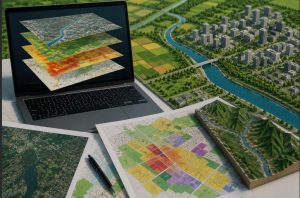
Used for mapping habitats and planning conservation efforts.
Artificial Intelligence
AI helps analyze large datasets to predict biodiversity trends and risks.
Government Policies and Regulations
Strong policies are essential for controlling the negative impacts of urban growth.
Environmental Impact Assessments (EIA)
Before any major project, its environmental impact must be evaluated.
Land Use Regulations
Zoning laws can protect forests, wetlands, and other ecosystems.
Pollution Control Laws
Strict enforcement reduces harm to biodiversity.
Conservation Programs
Governments can promote afforestation, reforestation, and habitat restoration.
Community Participation and Awareness
Public involvement is crucial for successful biodiversity conservation.
Citizen Engagement
- Tree planting drives
- Community gardens
- Local conservation projects
Awareness Campaigns
Educating people about biodiversity encourages responsible behavior.
Sustainable Lifestyle Choices
- Reducing waste
- Conserving water
- Using eco-friendly products
Individual actions collectively make a significant impact.
Role of Businesses and Corporations
Businesses contribute significantly to urban growth, and they also have the power to drive change.
Corporate Responsibility
Companies can adopt sustainable practices such as:
- Reducing carbon emissions
- Using renewable energy
- Supporting conservation initiatives
Green Certifications
Eco-labels encourage businesses to follow environmentally friendly standards.
Urban Agriculture and Biodiversity
Urban agriculture can support biodiversity while improving food security.
Benefits
- Promotes pollinators
- Reduces food transportation emissions
- Encourages green space development
Examples include rooftop farming, community gardens, and vertical farming.
Restoration of Degraded Ecosystems
Restoration is essential where damage has already occurred.
Reforestation
Planting native trees helps rebuild ecosystems.
Soil Restoration
Improving soil health supports plant and microbial life.
Water Body Cleanup
Removing pollutants restores aquatic ecosystems.
Protecting Endangered Species in Urban Areas
Special measures are needed to protect species at risk.
Conservation Strategies
- Creating protected habitats
- Breeding programs
- Reducing human-wildlife conflict
Urban conservation efforts can help prevent extinction.
Climate-Resilient Urban Ecosystems
Cities must adapt to climate change while protecting biodiversity.
Nature-Based Solutions
- Urban wetlands for flood control
- Green spaces for temperature regulation
- Coastal mangroves for storm protection
These solutions benefit both humans and ecosystems.
Education and Research
Knowledge is key to long-term conservation.
Importance of Research
- Understanding ecosystem dynamics
- Identifying threats
- Developing innovative solutions
Environmental Education
Teaching biodiversity concepts in schools and communities builds awareness from an early age.
Global Initiatives and Collaboration
Biodiversity conservation requires global cooperation.
International Efforts
Countries are working together to:
- Reduce deforestation
- Protect endangered species
- Combat climate change
Sharing Knowledge
Global platforms allow exchange of ideas, technologies, and strategies.
The Future of Urban Biodiversity
The future depends on how cities evolve today.
Smart Cities with Nature Integration
Future cities will combine technology and sustainability to protect biodiversity.
Biodiversity as a Planning Priority
Urban planners are increasingly recognizing biodiversity as essential, not optional.
Balancing Growth and Conservation
The goal is to create cities where development and nature coexist.
Practical Steps Individuals Can Take
Every individual can contribute to biodiversity conservation.
- Plant native species in gardens
- Avoid chemical pesticides
- Support eco-friendly products
- Reduce plastic use
- Participate in local conservation efforts
Small actions can lead to significant change when adopted widely.
Final Thoughts
Urban growth has placed immense pressure on biodiversity, but it also presents an opportunity to rethink how we design and live in cities. By adopting sustainable practices, promoting green infrastructure, and encouraging collective responsibility, it is possible to reduce the impact of urbanization on natural ecosystems.
Protecting biodiversity is not just about saving plants and animals—it is about securing the future of humanity. Healthy ecosystems provide clean air, water, food, and climate stability. Without them, sustainable development cannot exist.
The path forward requires commitment from governments, businesses, communities, and individuals. If the right steps are taken today, cities of the future can become thriving ecosystems where both humans and nature flourish together.
FAQs:
Urban growth leads to habitat destruction, pollution, and resource depletion, all of which reduce the variety of plant and animal species in an area.
Urbanization replaces forests, wetlands, and grasslands with buildings, roads, and infrastructure, leaving little space for wildlife to survive.
Biodiversity improves air quality, regulates temperature, supports pollination, and enhances overall human well-being in urban environments.
Habitat fragmentation occurs when natural areas are divided into smaller patches due to roads and construction, making it difficult for species to move and survive.
Yes, with proper planning such as green spaces, urban forests, and wildlife corridors, cities can support certain species.
Urban heat islands are areas with higher temperatures due to concrete and reduced greenery, which stress plants and animals and alter ecosystems.