Introduction
Forests are one of the most valuable natural resources on Earth. They cover large portions of land and support life in countless ways. From providing oxygen and shelter to maintaining climate balance, forests play a critical role in sustaining ecosystems and human life. Despite their importance, forests face constant threats due to human activities and environmental changes.
Forest conservation focuses on protecting, managing, and restoring forests to ensure they continue to benefit present and future generations. It is not just about saving trees; it involves preserving biodiversity, maintaining ecological balance, and supporting livelihoods.
Understanding forest conservation begins with learning what forests are, why they are important, and how human actions affect them. This section explores the concept in detail and explains why protecting forests matters now more than ever.
What Is Forest Conservation?
Forest conservation refers to the practice of protecting forests from damage, overuse, and destruction. It involves managing forest resources in a way that meets current needs without harming their ability to support life in the future.
This concept includes several activities such as:
- Preventing deforestation
- Managing forest resources responsibly
- Protecting wildlife habitats
- Restoring degraded forest areas
- Promoting sustainable use of forest products
Forest conservation aims to maintain the health and diversity of forest ecosystems. It ensures that forests continue to provide essential services like clean air, water regulation, and soil protection.
Importance of Forests
Forests provide a wide range of benefits that support both the environment and human life. Their importance goes far beyond what is visible.
Oxygen Production and Air Quality
Trees absorb carbon dioxide and release oxygen through photosynthesis. This process helps maintain the balance of gases in the atmosphere. Forests also filter pollutants, improving air quality and reducing health risks.
Climate Regulation
Forests play a key role in regulating climate. They store large amounts of carbon, which helps reduce the effects of global warming. By controlling temperature and rainfall patterns, forests contribute to a stable climate system.
Biodiversity Support
Forests are home to a vast number of plant and animal species. They provide food, shelter, and breeding grounds for wildlife. Protecting forests helps preserve biodiversity and prevents species extinction.
Water Cycle Management
Forests influence the water cycle by absorbing rainfall and releasing moisture into the atmosphere. They help maintain groundwater levels and reduce the risk of floods and droughts.
Soil Protection
Tree roots hold soil together, preventing erosion. Forests also improve soil fertility by adding organic matter. This supports agriculture and reduces land degradation.
Livelihood and Resources
Millions of people depend on forests for their livelihood. Forests provide food, medicine, fuel, and raw materials. Sustainable management ensures that these resources remain available.
Major Threats to Forests
Forests face several threats, many of which result from human activities. Understanding these threats is essential for effective conservation.
Deforestation
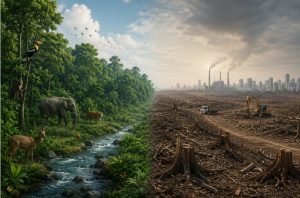
Deforestation involves clearing forests for agriculture, urban development, or industrial use. It is one of the leading causes of forest loss worldwide.
Illegal Logging
Unauthorized cutting of trees damages forest ecosystems and reduces biodiversity. It also disrupts local communities that depend on forest resources.
Climate Change
Rising temperatures and changing weather patterns affect forest health. Extreme conditions such as droughts and wildfires increase the risk of forest degradation.
Forest Fires
Fires can destroy large areas of forest in a short time. While some fires occur naturally, many result from human negligence or intentional actions.
Urbanization
Expanding cities and infrastructure projects often lead to forest clearing. This reduces green cover and affects wildlife habitats.
Overgrazing
Excessive grazing by livestock can damage young plants and prevent forest regeneration.
Types of Forest Conservation
Forest conservation involves different approaches depending on the goals and conditions of the area.
Conservation Through Protection
This method focuses on preserving forests in their natural state. Governments and organizations create protected areas such as national parks and wildlife reserves.
Sustainable Forest Management
This approach balances resource use with conservation. It allows controlled harvesting of forest products while ensuring long-term health of the ecosystem.
Afforestation and Reforestation
Afforestation involves planting trees in areas that were not previously forested. Reforestation focuses on restoring forests that have been destroyed.
Community-Based Conservation
Local communities play a vital role in protecting forests. Involving them in conservation efforts ensures better management and long-term success.
Role of Governments and Organizations
Governments and environmental organizations play a major role in forest conservation. They create policies, enforce laws, and promote awareness.
Many countries have laws that regulate forest use and prevent illegal activities. International agreements also encourage global cooperation in protecting forests.
Non-governmental organizations work on conservation projects, conduct research, and support local communities.
Benefits of Forest Conservation
Protecting forests brings long-term benefits for both nature and people.
Healthy forests improve air and water quality. They support biodiversity and help maintain ecological balance. Forest conservation also contributes to climate change mitigation by reducing carbon emissions.
Economically, forests provide resources that support industries such as agriculture, medicine, and tourism. Sustainable use ensures continuous benefits without harming the environment.
Socially, forests support communities by providing livelihoods and cultural value.
Challenges in Forest Conservation
Despite its importance, forest conservation faces several challenges.
Lack of awareness and education often leads to harmful practices. Economic pressures push people to exploit forest resources unsustainably.
Weak law enforcement allows illegal activities to continue. Climate change adds further stress to forest ecosystems.
Balancing development and conservation remains a major challenge for many countries.
How Individuals Can Help
Everyone can contribute to forest conservation through simple actions.
Reducing paper and wood consumption helps lower demand for forest resources. Recycling and using eco-friendly products also make a difference.
Supporting organizations that work on conservation and spreading awareness can encourage others to take action.
Planting trees and participating in local conservation efforts help restore green cover.
Causes of Forest Degradation and Loss
Forests continue to decline due to a mix of human activities and natural factors. Understanding these causes helps in developing effective conservation strategies.
Agriculture remains one of the biggest drivers of forest loss. Farmers clear large areas of land to grow crops or raise livestock. This practice often leads to permanent deforestation, especially in tropical regions.
Logging, both legal and illegal, also contributes to forest degradation. While controlled logging can be sustainable, excessive cutting damages ecosystems and reduces biodiversity.
Infrastructure development such as roads, dams, and urban expansion leads to fragmentation of forests. This breaks large forest areas into smaller sections, making it harder for wildlife to survive.
Mining activities remove large portions of land and pollute nearby areas. These operations often leave forests unable to recover naturally.
Natural causes like pests, diseases, and extreme weather events also affect forest health. However, human activities tend to worsen these impacts.
Impact of Deforestation on the Environment
Deforestation has far-reaching effects on the environment. It disrupts natural systems and creates long-term damage.
One major impact is the increase in carbon dioxide levels. When trees are cut, stored carbon is released into the atmosphere, contributing to global warming.
Loss of forests also leads to a decline in biodiversity. Many species lose their habitat and struggle to survive. This can lead to extinction and imbalance in ecosystems.
Water cycles become unstable when forests disappear. Reduced tree cover leads to less rainfall and increased chances of drought.
Soil erosion becomes more severe without tree roots to hold the soil together. This reduces land fertility and affects agriculture.
Impact on Wildlife and Ecosystems
Forests serve as homes for a wide variety of species. When forests are destroyed, animals lose their natural habitat.
Many species depend on specific plants and environmental conditions found only in forests. When these conditions change, survival becomes difficult.
Habitat loss forces animals to migrate, often bringing them closer to human settlements. This increases human-wildlife conflict.
Ecosystems rely on balance. When one species disappears, it can affect many others. This chain reaction can disrupt entire ecosystems.
Role of Forests in Climate Change Mitigation
Forests play a key role in controlling climate change. They act as carbon sinks by absorbing carbon dioxide from the atmosphere.
Healthy forests store large amounts of carbon in trees, soil, and vegetation. This helps reduce greenhouse gases and slows global warming.
Forests also regulate temperature and humidity. They create a cooling effect that helps stabilize local and global climates.
Protecting forests is one of the most effective ways to combat climate change. Restoring damaged forests further increases carbon absorption.
Sustainable Forest Management Practices
Sustainable forest management focuses on using forest resources without harming their long-term health.
Selective logging allows certain trees to be cut while preserving the overall structure of the forest. This reduces environmental damage.
Agroforestry combines agriculture with tree planting. Farmers grow crops alongside trees, which helps maintain soil health and biodiversity.
Controlled harvesting ensures that forest products are used responsibly. Replanting trees after cutting helps maintain forest cover.
Monitoring and planning are essential in sustainable management. Authorities track forest use and implement strategies to prevent overexploitation.
Afforestation and Reforestation Efforts
Planting trees is a key strategy in forest conservation. It helps restore damaged ecosystems and increase green cover.
Afforestation involves planting trees in areas where forests did not exist before. This helps create new ecosystems and improve environmental conditions.
Reforestation focuses on restoring forests that have been destroyed. It helps bring back wildlife habitats and improve soil quality.
Governments and organizations often run large-scale tree planting programs. These efforts contribute to climate control and biodiversity protection.
Community participation plays an important role in the success of these programs. Local involvement ensures long-term care and maintenance.
Importance of Community Involvement
Local communities have a strong connection to forests. Their involvement is essential for successful conservation.
Community-based programs encourage people to protect and manage forests responsibly. These programs provide education and resources to support sustainable practices.
When communities benefit from forest conservation, they are more likely to protect it. This includes income from eco-tourism, sustainable harvesting, and forest-based products.
Traditional knowledge also plays a valuable role. Indigenous communities often have deep understanding of forest ecosystems and sustainable practices.
Government Policies and Global Initiatives
Governments create laws and policies to protect forests. These regulations help control deforestation and promote sustainable use.
Protected areas such as national parks and wildlife reserves help conserve important ecosystems. Strict rules prevent harmful activities in these zones.
International agreements bring countries together to address global forest issues. These initiatives focus on reducing deforestation and promoting conservation.
Programs that support climate action often include forest protection as a key component. Governments also provide funding and incentives for conservation efforts.
Technological Advances in Forest Conservation
Technology plays an increasing role in protecting forests. Modern tools help monitor and manage forest resources more effectively.
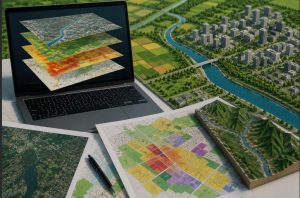
Satellite imaging allows experts to track changes in forest cover. This helps detect illegal activities and assess damage.
Drones provide detailed views of forest areas, making it easier to monitor remote regions.
Data analysis helps researchers understand patterns and develop better conservation strategies.
These technologies improve efficiency and support decision-making in forest management.
Education and Awareness
Raising awareness about forest conservation is essential for long-term success. Education helps people understand the importance of forests and the impact of their actions.
Schools, media, and organizations play a key role in spreading knowledge. Campaigns encourage people to adopt eco-friendly habits.
When individuals understand the value of forests, they are more likely to support conservation efforts.
Public awareness also puts pressure on governments and industries to adopt responsible practices.
Challenges in Implementing Conservation Strategies
Implementing conservation strategies is not always easy. Several challenges make it difficult to protect forests effectively.
Economic pressures often lead to overuse of forest resources. People may prioritize short-term benefits over long-term sustainability.
Lack of funding can limit conservation programs. Without proper resources, it becomes difficult to enforce laws and manage forests.
Conflicts between development and conservation create additional challenges. Balancing economic growth with environmental protection requires careful planning.
Climate change continues to add stress to forest ecosystems, making conservation efforts more complex.
Why Forest Conservation Matters for the Future
Forest conservation is not just about protecting nature today; it is about securing the future of the planet. Forests support life in ways that directly affect human survival, economic stability, and environmental balance.
As global challenges like climate change, population growth, and resource scarcity increase, the importance of conserving forests becomes even greater. Healthy forests act as a foundation for a sustainable future.
Economic Importance of Forest Conservation
Forests contribute significantly to the global and local economy. They provide raw materials such as timber, paper, rubber, and medicinal products.
Many industries depend on forest resources. Sustainable management ensures that these industries continue to function without exhausting natural resources.
Forests also support eco-tourism. People travel to experience natural landscapes, wildlife, and biodiversity. This creates jobs and income for local communities.
In rural areas, forests provide livelihoods through activities like farming, harvesting, and small-scale trade. Protecting forests ensures stable income for millions of people.
Social and Cultural Value of Forests
Forests hold deep cultural and social importance for many communities around the world. Indigenous groups often depend on forests for their traditions, beliefs, and daily survival.
These communities have lived in harmony with forests for generations. Their knowledge of sustainable practices helps maintain ecological balance.
Forests also offer recreational spaces for people. Parks, reserves, and natural areas improve mental health and well-being.
Protecting forests helps preserve cultural heritage and strengthens community identity.
Forest Conservation and Sustainable Development
Sustainable development focuses on meeting present needs without harming future generations. Forest conservation plays a key role in achieving this balance.
Forests support agriculture by maintaining soil fertility and regulating water supply. They also protect natural resources that future generations will depend on.
Conserving forests helps reduce poverty by supporting livelihoods and providing essential resources. It also contributes to clean energy solutions through renewable forest products.
Integrating forest conservation into development plans ensures long-term environmental and economic stability.
Role of Individuals in Forest Conservation
Every individual can contribute to forest conservation through simple actions. Small efforts, when combined, create a significant impact.
Reducing the use of paper and wood products helps decrease demand for deforestation. Choosing recycled and eco-friendly products supports sustainable practices.
Planting trees and participating in local conservation programs help restore green cover. Supporting organizations that protect forests also makes a difference.
Raising awareness among family and friends encourages more people to take action.
Role of Businesses and Industrie
Businesses play a major role in forest conservation. Industries that rely on forest resources must adopt responsible practices.
Sustainable sourcing ensures that raw materials come from well-managed forests. Companies can also reduce waste and improve efficiency to lower environmental impact.
Many organizations now follow environmental standards and certifications. These measures help protect forests while maintaining business growth.
Corporate responsibility and eco-friendly policies contribute to long-term conservation goals.
Global Efforts and Future Strategies
Countries around the world are working together to protect forests. Global initiatives focus on reducing deforestation and promoting sustainable practices.
Reforestation programs aim to restore damaged forests on a large scale. Governments and organizations invest in projects that increase green cover.
Climate agreements often include forest conservation as a key strategy. Protecting forests helps reduce greenhouse gas emissions and supports global climate goals.
Future strategies also focus on innovation. New technologies and research improve forest management and conservation efforts.
Importance of Education and Awareness
Education plays a vital role in shaping attitudes toward forest conservation. When people understand the value of forests, they make better choices.
Schools, communities, and media can spread awareness about environmental protection. Educational programs encourage responsible behavior and long-term thinking.
Awareness campaigns also influence policy decisions and encourage governments to take action.
An informed society is more likely to support conservation efforts.
Challenges That Remain
Despite progress, several challenges still affect forest conservation.
Rapid population growth increases demand for land and resources. This puts pressure on forests and leads to deforestation.
Illegal activities such as logging and land clearing continue in many regions. Weak enforcement makes it difficult to control these actions.
Climate change adds further stress through extreme weather, droughts, and wildfires.
Balancing economic development with environmental protection remains a major challenge worldwide.
The Way Forward
The future of forests depends on collective action. Governments, communities, businesses, and individuals must work together to protect these vital resources.
Strong policies, sustainable practices, and continuous monitoring are essential for effective conservation. Investment in research and technology can improve outcomes.
Encouraging community participation ensures long-term success. When people benefit from conservation, they are more likely to protect forests.
Final Thoughts
Forest conservation is essential for maintaining life on Earth. Forests provide environmental, economic, and social benefits that support both present and future generations.
Protecting forests requires awareness, responsibility, and action at every level. By making informed choices and supporting conservation efforts, society can ensure that forests continue to thrive.
A sustainable future depends on the health of our forests. Preserving them today secures a better tomorrow for all.
FAQs:
Forest conservation means protecting and managing forests so they remain healthy and continue to support life, wildlife, and natural resources.
Forest conservation helps maintain clean air, regulate climate, protect wildlife, and support human livelihoods. It also ensures resources remain available for future generations.
Deforestation mainly happens due to agriculture, logging, urban development, mining, and infrastructure expansion.
Afforestation means planting trees in areas that were not previously forested, while reforestation means restoring forests that were destroyed.
Forest loss destroys natural habitats, forcing animals to migrate or struggle to survive, which can lead to extinction.
Sustainable practices include controlled logging, tree planting, and responsible use of forest resources to maintain long-term forest health.