Understanding Forest Ecosystems and Their Importance
Forests are among the most vital ecosystems on Earth, supporting an incredible diversity of life. From towering trees to microscopic organisms, forests provide shelter, food, and balance to countless species. Wildlife depends heavily on forest habitats for survival, making these ecosystems essential not only for animals but also for the health of the planet.
To understand why forest habitats matter so much, it is important to explore how they function, what makes them unique, and how they support biodiversity.
What Are Forest Habitats?
Forest habitats are ecosystems dominated by trees and dense vegetation. They create a natural environment where animals, plants, fungi, and microorganisms interact and depend on one another.
These habitats can vary widely depending on climate, geography, and altitude. Some forests are dense and tropical, while others are dry or located in colder regions.
Common types of forests include tropical rainforests, temperate forests, and boreal forests. Each type supports different forms of wildlife adapted to its conditions.
The Role of Forests in Supporting Wildlife
Forests act as natural homes for a wide variety of species. Animals rely on forests for shelter, protection from predators, and access to food.
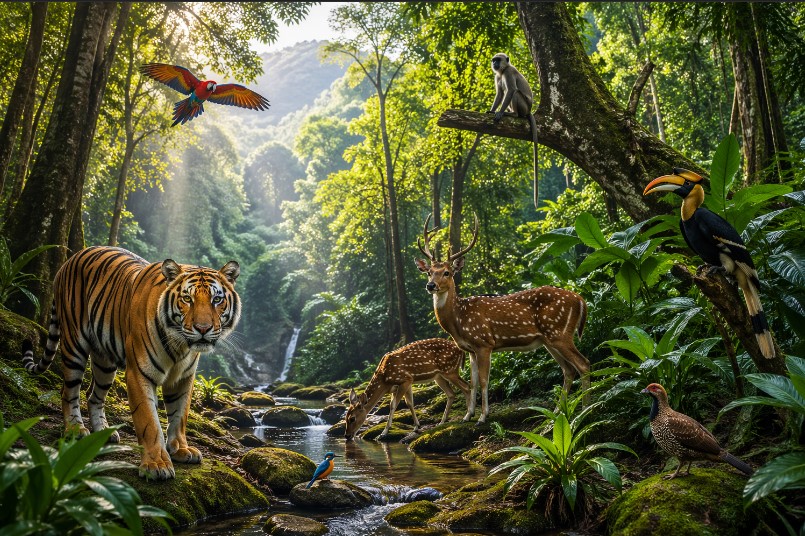
For example, species like the Bengal Tiger depend on dense forest cover for hunting and survival. Birds, insects, reptiles, and mammals all find unique niches within forest ecosystems.
The layered structure of forests—canopy, understory, and forest floor—creates multiple living spaces. This allows different species to coexist without direct competition.
Forests also provide breeding grounds, migration routes, and safe nesting areas for many species.
Biodiversity in Forest Ecosystems
Forests are among the richest ecosystems in terms of biodiversity. A single forest can contain thousands of plant and animal species.
Tropical forests, in particular, are known for their high biodiversity. Regions like the Amazon Rainforest are home to an extraordinary variety of wildlife.
This diversity is crucial because it helps maintain ecological balance. Each species plays a role, whether it is pollination, seed dispersal, or controlling populations of other organisms.
Loss of even a single species can disrupt the entire ecosystem.
Food Chains and Ecological Balance
Forest ecosystems are interconnected through complex food chains. Plants produce energy through photosynthesis, which supports herbivores, and in turn, carnivores.
Predators like the Leopard help regulate prey populations, preventing overgrazing and maintaining vegetation balance.
Scavengers and decomposers break down dead organic matter, returning nutrients to the soil. This cycle ensures that forests remain fertile and productive.
Every organism, no matter how small, contributes to the overall health of the forest.
Climate Regulation and Forests
Forests play a critical role in regulating the Earth’s climate. They absorb carbon dioxide and release oxygen, helping reduce the impact of climate change.
Trees act as carbon sinks, storing large amounts of carbon in their biomass. This helps stabilize global temperatures.
Forests also influence rainfall patterns and maintain humidity levels. They help regulate local and global climates, which in turn affects wildlife survival.
Water Cycle and Forest Habitats
Forests are essential for maintaining the water cycle. They absorb rainfall, store water, and release it slowly into rivers and streams.
Tree roots help prevent soil erosion and maintain water quality. Forests also act as natural filters, ensuring clean water for both wildlife and humans.
Animals depend on these water sources for survival, making forests crucial for sustaining life.
Human Dependence on Forests
While forests are vital for wildlife, they are equally important for humans. They provide resources such as timber, medicinal plants, and food.
Many communities depend directly on forests for their livelihoods. Indigenous populations, in particular, have deep connections with forest ecosystems.
Forests also contribute to mental and physical well-being by providing clean air and natural spaces.
Threats to Forest Habitats
Despite their importance, forests are under constant threat.
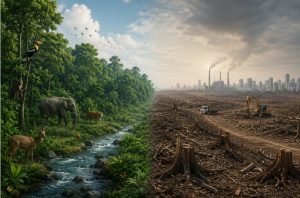
Deforestation, caused by agriculture, urbanization, and logging, is one of the biggest challenges. Large areas of forest are cleared every year, leading to habitat loss.
Climate change also affects forest ecosystems, altering temperature and rainfall patterns. This can disrupt wildlife habitats and migration patterns.
Illegal hunting and poaching further threaten species that depend on forests.
Why Protecting Forests is Urgent
The loss of forests has far-reaching consequences. It leads to the extinction of species, disruption of ecosystems, and increased carbon emissions.
Protecting forests is essential for preserving biodiversity and maintaining ecological balance.
Efforts such as conservation programs, reforestation, and sustainable practices are crucial in safeguarding these habitats.
Types of Forest Wildlife and Their Unique Adaptations
Forests across the world are home to an astonishing range of wildlife, each species uniquely adapted to survive in its environment. From dense tropical jungles to cold northern forests, animals have evolved specialized traits that allow them to thrive in different forest conditions.
Understanding these adaptations helps us appreciate the complexity of forest ecosystems and the delicate balance that supports life within them.
Types of Forest Wildlife
Forest ecosystems support a wide variety of animal groups, each playing a specific role.
Mammals are among the most recognizable forest inhabitants. Large predators like the Bengal Tiger and herbivores such as deer species rely heavily on forest cover for survival.
Birds are another essential group. Forests provide nesting sites, food sources, and protection for countless bird species, from colorful parrots to nocturnal owls.
Reptiles and amphibians thrive in forest environments due to the availability of moisture and shelter. Frogs, snakes, and lizards often depend on forest floors and water bodies.
Insects, though often overlooked, form the foundation of forest ecosystems. They act as pollinators, decomposers, and a primary food source for many animals
Layered Structure and Wildlife Distribution
Forests are not uniform environments. They are structured in layers, and each layer supports different forms of life.
The canopy, formed by the tops of tall trees, is home to many birds, monkeys, and insects. Animals living here are adapted for climbing, jumping, or flying.
The understory consists of smaller trees and shrubs. It provides shelter for animals that prefer shaded environments.
The forest floor is rich in nutrients and supports insects, fungi, and ground-dwelling animals. Decomposers play a crucial role here in recycling nutrients.
This layered system allows a wide range of species to coexist without competing directly for the same resources.
Adaptations in Tropical Forests
Tropical forests are among the most diverse ecosystems on Earth. Regions like the Amazon Rainforest host thousands of species with unique adaptations.
Animals in tropical forests often have bright colors for communication or camouflage. For example, some frogs display vivid patterns to warn predators of toxicity.
Many species are arboreal, meaning they live in trees. They have strong limbs, prehensile tails, or specialized claws for climbing.
High humidity and dense vegetation require animals to adapt to limited visibility and intense competition for food.
Adaptations in Temperate Forests
Temperate forests experience seasonal changes, including warm summers and cold winters.
Animals in these regions have developed strategies such as hibernation and migration. Bears, for instance, conserve energy during winter months by entering a state of dormancy.
Other animals grow thicker fur to survive colder temperatures. Some species store food in preparation for winter scarcity.
These adaptations help wildlife cope with changing environmental conditions throughout the year.
Adaptations in Boreal Forests
Boreal forests, also known as taiga, are found in colder regions with long winters and short growing seasons.
Animals here are adapted to extreme cold. Thick fur, fat layers, and compact body shapes help conserve heat.
Species like the Snowy Owl are well-suited to these environments, with feathers that provide insulation and camouflage in snowy landscapes.
Migration is also common, as some species move to warmer areas during harsh winters.
Camouflage and Survival Strategies
Camouflage is one of the most important survival strategies in forest environments.
Animals blend into their surroundings to avoid predators or to hunt prey. For example, the Leopard uses its spotted coat to hide among leaves and shadows.
Some insects resemble leaves or twigs, making them almost invisible to predators.
Other animals rely on mimicry, where they imitate the appearance or behavior of more dangerous species to deter threats.
Symbiotic Relationships in Forests
Forest ecosystems are built on relationships between different species.
Some animals and plants depend on each other for survival. Pollinators like bees help plants reproduce, while plants provide nectar and food.
Certain birds and mammals assist in seed dispersal, helping forests regenerate and expand.
There are also mutualistic relationships where both species benefit, as well as parasitic relationships where one organism benefits at the expense of another.
These interactions contribute to the complexity and resilience of forest ecosystems.
Nocturnal vs Diurnal Wildlife
Forest animals can also be categorized based on their activity patterns.
Diurnal animals are active during the day and rely on sunlight for visibility. Many birds and herbivores fall into this category.
Nocturnal animals are active at night. Species like owls and some big cats have enhanced night vision and heightened senses to hunt in the dark.
This division reduces competition for resources and allows more species to coexist within the same habitat.
Migration and Movement Patterns
Many forest species do not stay in one place year-round.
Migration is common among birds and some mammals. These animals travel long distances to find food, suitable climates, or breeding grounds.
Seasonal movement ensures survival in changing environmental conditions.
Migration also connects different ecosystems, making forests part of a larger ecological network.
Human Impact on Wildlife Adaptation
Human activities have forced many species to adapt rapidly.
Deforestation, pollution, and climate change alter natural habitats, pushing animals to adjust their behaviors.
Some species adapt by moving closer to human settlements, while others struggle to survive.
Not all species can adapt quickly, which increases the risk of extinction.
Conservation, Challenges, and the Future of Forest Wildlife
Forests are essential for sustaining wildlife and maintaining ecological balance, but they are increasingly under threat. As human activities expand, the need to protect forest habitats has become more urgent than ever.
This final section explores conservation efforts, ongoing challenges, and what the future holds for wildlife living in forest ecosystems.
Major Threats to Forest Wildlife
Across the globe, forest habitats are shrinking and degrading. One of the biggest threats is deforestation, where large areas of forest are cleared for agriculture, infrastructure, and urban development.
Illegal logging and mining further damage ecosystems, destroying the natural homes of countless species.
Climate change is another major concern. Rising temperatures, changing rainfall patterns, and extreme weather events disrupt habitats and food availability.
Wildlife species such as the Bengal Tiger face increased pressure as their territories shrink and prey becomes scarce.
Habitat Fragmentation
Even when forests are not completely destroyed, they are often divided into smaller patches. This process is known as habitat fragmentation.
Fragmentation isolates animal populations, making it harder for them to find food, mates, and safe migration routes.
Species that require large territories, such as the Leopard, are particularly affected. Smaller, isolated populations are more vulnerable to extinction.
Maintaining connected forest areas is crucial for preserving biodiversity.
Role of Protected Areas
Protected areas play a key role in conserving forest wildlife. National parks, wildlife sanctuaries, and conservation reserves help safeguard ecosystems from human interference.
For example, reserves like Jim Corbett National Park provide a safe habitat for numerous species, including endangered animals.
These protected zones allow wildlife to thrive in relatively undisturbed environments and support conservation research and monitoring.
Global Conservation Efforts
Many international organizations are working to protect forest ecosystems.
Groups like World Wildlife Fund focus on preserving biodiversity, restoring habitats, and promoting sustainable practices.
Global agreements and environmental policies aim to reduce deforestation and combat climate change.
Reforestation projects are also gaining momentum, helping restore degraded lands and create new habitats for wildlife.
Community Involvement in Conservation
Local communities play a vital role in protecting forests.
Indigenous and rural populations often have deep knowledge of forest ecosystems and sustainable practices. Involving them in conservation efforts leads to more effective and long-lasting results.
Community-based conservation programs encourage responsible use of forest resources while protecting biodiversity.
When people benefit from conservation, they are more likely to support it.
Sustainable Practices for Forest Protection
Sustainability is key to balancing human needs with environmental protection.
Practices such as controlled logging, eco-friendly agriculture, and responsible tourism help reduce the impact on forests.
Eco-tourism, in particular, raises awareness about wildlife conservation while generating income for local communities.
Reducing waste, conserving resources, and supporting sustainable products also contribute to protecting forest habitats.
Technology in Wildlife Conservation
Modern technology is playing an increasingly important role in conservation.
Satellite monitoring helps track deforestation and habitat changes in real time. Drones and camera traps are used to monitor wildlife populations.
Data analysis and tracking systems allow researchers to study animal behavior and migration patterns more effectively.
These advancements improve conservation strategies and help protect endangered species.
What Individuals Can Do
Protecting forests is not just the responsibility of governments and organizations. Individuals can also make a difference.
Simple actions such as reducing paper usage, supporting sustainable products, and spreading awareness about conservation can have a positive impact.
Participating in tree-planting initiatives and supporting environmental organizations are also effective ways to contribute.
Every small effort helps in preserving forest ecosystems.
The Future of Forest Wildlife
The future of forest wildlife depends on the actions taken today.
If conservation efforts continue and expand, many ecosystems can recover and thrive. However, continued deforestation and climate change pose serious risks.
Protecting forests is essential not only for wildlife but also for maintaining the planet’s health.
A balanced approach that combines conservation, sustainable development, and global cooperation is necessary for long-term success.
Final Thoughts
Forests are more than just collections of trees—they are complex ecosystems that support an incredible diversity of life.
From providing shelter and food to regulating climate and water cycles, forests play a crucial role in sustaining both wildlife and human life.
The survival of species like the Snowy Owl and countless others depends on our ability to protect and preserve these habitats.
By understanding the importance of forest ecosystems and taking meaningful action, we can ensure a healthier future for wildlife and the planet.
FAQs:
Wildlife in forests plays a vital role in maintaining ecological balance. Species like the Bengal Tiger help regulate food chains and keep ecosystems stable.
Wildlife in forests includes mammals, birds, reptiles, amphibians, and insects, all contributing to biodiversity and ecosystem health.
Forests offer diverse environments such as canopy, understory, and forest floor. This allows multiple species to live together, increasing biodiversity and ecological stability.
Deforestation leads to habitat loss, species extinction, and climate imbalance. It disrupts food chains and affects animals like the Leopard that depend on large territories.
Forests absorb carbon dioxide and release oxygen, helping reduce global warming. They also influence rainfall patterns and maintain temperature balance.
Habitat fragmentation occurs when large forests are broken into smaller patches. This isolates wildlife populations and makes survival more difficult.