Understanding the Threat to Biodiversity and Ecosystems
The natural world is built on balance. Every plant, animal, and microorganism plays a specific role in maintaining the stability of ecosystems. However, this balance is increasingly being disrupted by a growing global issue—invasive species. These are organisms that are introduced, either intentionally or accidentally, into regions where they are not native. Once established, they can spread rapidly and cause serious harm to local environments.
Invasive species are now considered one of the leading threats to biodiversity worldwide. They affect ecosystems, economies, and even human health. Understanding how they function, why they are so successful, and what impacts they create is essential for protecting both flora and fauna.
What Are Invasive Species?
In simple terms, invasive species are non-native organisms that cause harm in a new environment. Not all introduced species become invasive; however, those that do often share certain characteristics that allow them to dominate their surroundings.
Key Features of Invasive Species
- Rapid reproduction and growth
- High adaptability to different environments
- Lack of natural predators
- Ability to outcompete native species
Because of these traits, invasive species can quickly take over habitats, leaving little space or resources for native organisms.
How Do Invasive Species Spread?
Invasive species do not appear randomly. Instead, they are usually introduced through human activities, either knowingly or unknowingly.
Major Pathways of Introduction
1. Global Trade and Transport
Ships, airplanes, and cargo transport often carry organisms across continents. For example, insects, seeds, or aquatic species can travel unnoticed in packaging, soil, or ballast water.
2. Agriculture and Horticulture
Some plants are introduced for farming or ornamental purposes. However, certain species escape cultivation and spread uncontrollably.
3. Pet Trade and Exotic Animals
Animals released into the wild—either intentionally or accidentally—can become invasive if they adapt successfully.
4. Tourism and Travel
People unknowingly carry seeds, insects, or microorganisms on clothing, luggage, or equipment.
As a result, globalization has significantly accelerated the spread of invasive species.
Why Are Invasive Species So Dangerous?
At first glance, the introduction of a new species may not seem harmful. However, the long-term effects can be severe and irreversible.
Disruption of Ecosystem Balance
Invasive species often compete with native organisms for food, water, and space. Since they lack natural predators in the new environment, their population can grow unchecked.
Loss of Biodiversity
Native species may decline or even become extinct due to competition, predation, or disease introduced by invasive species.
Alteration of Habitats
Some invasive plants can change soil composition, water availability, or fire patterns, making the environment unsuitable for native species.
Economic Impact
Agriculture, fisheries, and forestry can suffer significant losses due to invasive species. Controlling them also requires substantial financial resources.
Impact on Flora (Plant Life)
Plants form the foundation of most ecosystems. When invasive species affect plant life, the entire food chain is disrupted.
Competition for Resources
Invasive plants often grow faster and consume more nutrients than native plants. As a result, native species struggle to survive.
Changes in Soil Chemistry
Certain invasive plants release chemicals that alter soil conditions. This process, known as allelopathy, can prevent native plants from growing.
Reduction in Plant Diversity
Over time, invasive plants can dominate large areas, reducing the variety of plant species in an ecosystem.
Example Scenario
In many regions, fast-growing invasive vines or grasses have taken over forests and grasslands, preventing native plants from receiving sunlight.
Impact on Fauna (Animal Life)
Animals are directly and indirectly affected by invasive species.
Loss of Food Sources
When invasive plants replace native vegetation, herbivores lose their primary food sources. This, in turn, affects predators higher up the food chain.
Direct Predation
Some invasive animals prey on native species that have no defense mechanisms against them.
Spread of Diseases
Invasive species can introduce new diseases to which native species have no immunity.
Habitat Destruction
Changes in vegetation and landscape caused by invasive species can destroy natural habitats for many animals.
Real-World Examples of Invasive Species
Water Hyacinth
This aquatic plant spreads rapidly across water bodies, blocking sunlight and reducing oxygen levels. As a result, fish and other aquatic life suffer.
Lantana
A widely spread invasive plant, it grows aggressively and replaces native vegetation, affecting grazing animals and biodiversity.
Zebra Mussels
These small aquatic organisms attach to surfaces in large numbers, disrupting ecosystems and damaging infrastructure.
Cane Toad
Introduced to control pests, it became invasive and toxic to predators, leading to widespread ecological imbalance.
These examples highlight how even well-intentioned introductions can lead to serious consequences.
The Role of Climate Change
Climate change is making the problem of invasive species even worse. Warmer temperatures and changing weather patterns create new opportunities for invasive species to survive and spread.
Key Effects
- Expansion into new regions
- Longer breeding seasons
- Increased survival rates
- Greater stress on native species
As a result, ecosystems become more vulnerable to invasion.
Early Warning Signs of Invasive Species
Identifying invasive species early can help control their spread.
Signs to Watch For
- Rapid spread of a new plant or animal
- Decline in native species
- Unusual changes in habitat
- Increased competition for resources
Early detection allows for quicker and more effective management.
Importance of Awareness and Education
One of the most effective ways to combat invasive species is through awareness. When people understand the risks, they are more likely to take preventive actions.
Key Awareness Actions
- Avoid releasing non-native species into the wild
- Support local conservation efforts
- Follow guidelines for travel and trade
- Report unusual species sightings
Education plays a vital role in protecting ecosystems.
Ecological Consequences, Case Studies & Management Strategies
Invasive species do not just affect individual plants or animals. Instead, they trigger a chain reaction that can reshape entire ecosystems. Over time, these changes become more difficult to reverse. Therefore, understanding the deeper ecological consequences and learning from real-world cases is essential for effective control and management.
How Invasive Species Disrupt Ecosystems
Ecosystems function through interconnected relationships. However, when an invasive species enters, it often disrupts these connections.
Food Chain Disruption
First, invasive species can alter food chains. For example, if an invasive predator reduces the population of a native herbivore, plant growth may increase uncontrollably. On the other hand, if invasive plants replace native vegetation, herbivores may lose their primary food source.
As a result, the entire food web becomes unstable.
Competition for Resources
In addition, invasive species compete aggressively for resources such as food, water, sunlight, and space. Since they often grow faster or reproduce more quickly, they outcompete native species.
Consequently, native populations decline, sometimes leading to extinction.
Habitat Modification
Many invasive species physically change their environment. For instance, certain plants can alter soil nutrients, while aquatic species can affect water quality.
Because of these changes, native species may no longer be able to survive in their natural habitat.
Genetic Impact
Another less visible but important effect is genetic pollution. When invasive species breed with closely related native species, it can dilute the native gene pool.
Over time, this reduces the uniqueness and resilience of native species.
Detailed Case Studies
Case Study 1: Water Hyacinth in Freshwater Ecosystems
Water hyacinth spreads rapidly across lakes and rivers. As it forms dense mats on the water surface, it blocks sunlight and reduces oxygen levels.
Impact:
- Fish populations decline
- Aquatic plants die due to lack of light
- Water flow is obstructed
Lesson:
Unchecked plant growth can damage entire aquatic ecosystems.
Case Study 2: Lantana in Forest Ecosystems
Lantana is an invasive shrub that spreads aggressively in forests and grasslands.
Impact:
- Replaces native plants
- Reduces grazing areas for animals
- Increases fire risk due to dry biomass
Lesson:
Invasive plants can affect both biodiversity and land use.
Case Study 3: Zebra Mussels in Water Systems
Zebra mussels attach to surfaces in large numbers, including pipes and rocks.
Impact:
- Block water supply systems
- Compete with native aquatic species
- Alter nutrient cycles
Lesson:
Small organisms can cause large-scale ecological and economic damage.
Case Study 4: Cane Toad in Terrestrial Ecosystems
Originally introduced to control pests, the cane toad became invasive.
Impact:
- Toxic to predators
- Reduces native animal populations
- Disrupts ecological balance
Lesson:
Biological control methods must be carefully evaluated.
Impact on Ecosystem Services
Ecosystem services are the benefits humans receive from nature. However, invasive species can reduce these benefits significantly.
Types of Affected Services
Provisioning Services:
- Reduced crop yields
- Decline in fisheries
Regulating Services:
- Disrupted water purification
- Increased soil erosion
Cultural Services:
- Loss of natural landscapes
- Reduced tourism value
Supporting Services:
- Impaired nutrient cycling
- Reduced soil fertility
Therefore, invasive species not only harm nature but also affect human livelihoods.
Management and Control Strategies
Although invasive species are difficult to eliminate, several strategies can help control their spread. Importantly, a combination of methods is often most effective.
Prevention
Prevention is the most effective strategy. Once an invasive species is established, removal becomes much harder.
Key Measures:
- Strict quarantine regulations
- Inspection of goods and transport
- Public awareness campaigns
As a result, early action reduces long-term damage.
Mechanical Control
This method involves physically removing invasive species.
Examples:
- Cutting or uprooting invasive plants
- Trapping invasive animals
- Cleaning water bodies
However, this method requires continuous effort and resources.
Chemical Control
Chemicals such as herbicides or pesticides are sometimes used.
Advantages:
- Quick results
- Effective for large infestations
Disadvantages:
- Can harm non-target species
- Environmental risks
Therefore, chemical control must be used carefully.
Biological Control
This approach introduces natural predators or diseases to control invasive species.
Examples:
- Insects that feed on invasive plants
- Pathogens that target specific species
While effective in some cases, it carries risks if not properly managed.
Integrated Management
The most successful approach combines multiple strategies.
For instance:
- Prevention + monitoring
- Mechanical removal + biological control
- Public awareness + policy enforcement
This balanced method increases effectiveness while reducing risks.
Role of Technology in Monitoring
Modern technology is improving the way invasive species are tracked and managed.
Tools and Techniques
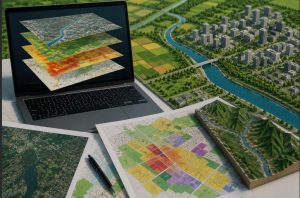
- Satellite imaging to detect spread
- Drones for monitoring remote areas
- Data analysis for prediction models
As a result, early detection and response have become more efficient.
Community Involvement and Responsibility
Government efforts alone are not enough. Communities play a vital role in controlling invasive species.
Ways People Can Help
- Avoid planting invasive species
- Participate in local clean-up drives
- Report unusual species sightings
- Follow environmental guidelines
Collective action can make a significant difference.
Challenges in Managing Invasive Species
Despite various strategies, controlling invasive species remains difficult.
Key Challenges
- Rapid reproduction rates
- Lack of funding and resources
- Limited awareness
- Climate change effects
Therefore, long-term commitment is necessary.
Prevention, Policy, and the Future of Ecosystem Protection
Addressing the issue of invasive species requires more than just understanding their impact. It demands long-term planning, strong policies, and collective action at local, national, and global levels. While earlier sections explored causes and consequences, it is equally important to focus on prevention, sustainable management, and future solutions.
By combining science, policy, and public participation, it is possible to reduce the spread of invasive species and protect ecosystems more effectively.
Why Prevention Is the Most Effective Strategy
First and foremost, preventing the introduction of invasive species is far easier than controlling them after they spread. Once established, these species are difficult and expensive to remove.
Therefore, prevention helps:
- Protect biodiversity
- Reduce economic losses
- Minimize environmental damage
- Save long-term resources
In other words, early action is always more effective than delayed response.
Strengthening Policies and Regulations
Governments play a critical role in controlling invasive species through laws and regulations. Strong policies can limit the movement of harmful organisms across regions.
Key Policy Measures
- Strict import and export controls
- Quarantine regulations for plants and animals
- Monitoring of trade and transport routes
- Penalties for illegal introduction of species
As a result, well-enforced policies can significantly reduce the risk of new invasions.
Role of International Cooperation
Invasive species do not recognize borders. Therefore, global cooperation is essential.
Areas of Collaboration
- Sharing research and data
- Coordinating control strategies
- Developing global monitoring systems
- Supporting affected regions
For example, international agreements help countries work together to manage shared ecosystems.
Importance of Early Detection and Rapid Response
Even with strong prevention measures, some invasive species may still enter new environments. In such cases, early detection becomes critical.
Steps for Effective Response
- Regular monitoring of ecosystems
- Quick identification of new species
- Immediate containment measures
- Continuous follow-up actions
Consequently, early intervention can stop invasive species before they spread widely.
Restoration of Affected Ecosystems
Once invasive species are controlled, restoring ecosystems is the next important step.
Restoration Strategies
- Reintroducing native plant species
- Rebuilding natural habitats
- Supporting recovery of animal populations
- Improving soil and water quality
Over time, these efforts help ecosystems regain balance and resilience.
Role of Education and Awareness
Public awareness is one of the most powerful tools in preventing invasive species.
Key Awareness Initiatives
- Environmental education programs
- Community workshops and campaigns
- School-level awareness activities
- Media and digital outreach
When people understand the risks, they are more likely to take responsible actions.
Sustainable Practices for Individuals
Every individual can contribute to preventing the spread of invasive species. Small actions can create a big impact when practiced consistently.
Simple Steps to Follow
- Avoid releasing pets or plants into the wild
- Choose native plants for gardening
- Clean shoes, vehicles, and equipment after travel
- Follow local environmental guidelines
By adopting these habits, individuals can help protect local ecosystems.
The Role of Science and Innovation
Scientific research continues to play a key role in managing invasive species. New technologies and methods are improving both prevention and control.
Emerging Solutions
- Genetic research to understand species behavior
- Biological control advancements
- Improved monitoring systems
- Data-driven decision-making
As a result, science is providing more effective and sustainable solutions.
Climate Change and Future Risks
Climate change is expected to increase the spread of invasive species. Changing temperatures and weather patterns create new opportunities for them to thrive.
Future Concerns
- Expansion into previously unsuitable areas
- Increased survival rates
- Greater pressure on native species
Therefore, addressing climate change is also essential in managing invasive species.
Building a Long-Term Strategy
A successful approach requires long-term planning rather than short-term fixes.
Elements of a Strong Strategy
- Continuous monitoring and research
- Policy enforcement and updates
- Community involvement
- Sustainable funding
By maintaining a long-term vision, ecosystems can be better protected.
Challenges Ahead
Despite progress, several challenges remain.
Ongoing Issues
- Limited resources and funding
- Lack of awareness in some regions
- Rapid spread of invasive species
- Difficulty in complete eradication
However, with consistent efforts, these challenges can be managed.
A Shared Responsibility
Protecting ecosystems is not the responsibility of one group alone. Governments, scientists, communities, and individuals must work together.
Collective Actions
- Supporting conservation programs
- Participating in local initiatives
- Promoting responsible behavior
- Encouraging policy improvements
Together, these efforts can create meaningful change.
Final Thoughts
Invasive species are a serious and growing threat to flora and fauna. However, with the right combination of prevention, policy, education, and innovation, their impact can be reduced.
In conclusion, protecting biodiversity requires awareness, responsibility, and long-term commitment. By learning from past experiences and taking proactive steps, we can preserve the natural balance of ecosystems for future generations.
A sustainable future depends on the actions we take today.
FAQs:
Invasive species are non-native organisms that harm ecosystems by competing with native flora and fauna for resources and disrupting natural balance.
They outcompete native plants for sunlight, water, and nutrients, often reducing plant diversity and altering soil conditions.
Flora and fauna maintain ecological balance, support food chains, regulate climate, and contribute to biodiversity and environmental health.
Yes, in severe cases, invasive species can lead to the decline or extinction of native plants and animals by overpowering them.
We can prevent spread by avoiding introduction of non-native species, supporting conservation efforts, and promoting awareness and early detection
Climate change creates favorable conditions for invasive species to spread, putting additional stress on native flora and fauna.