Understanding the Foundation of Agricultural Success
Agriculture begins beneath our feet. While crops, climate, and farming techniques often receive the most attention, the true foundation of productivity lies in the soil. Healthy soil is not just a medium for plant growth—it is a living ecosystem that directly influences crop yield, quality, and sustainability. Understanding the connection between soil health and crop productivity is essential for farmers, researchers, and anyone concerned about food security and environmental balance.
What Is Soil Health?
Soil Health refers to the soil’s ability to function as a living system that supports plants, animals, and humans. It involves physical, chemical, and biological properties working together to sustain plant growth and environmental balance.
Healthy soil is characterized by:
- Good structure and texture
- Adequate nutrient availability
- Balanced pH levels
- High organic matter content
- Active microbial life
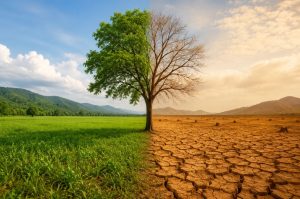
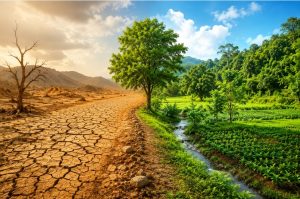
In contrast, degraded soil lacks nutrients, has poor structure, and cannot support optimal crop growth.
Understanding Crop Productivity
Crop Productivity refers to the amount and quality of crops produced per unit of land. It depends on several factors, including soil condition, water availability, climate, and farming practices.
Higher productivity is not just about increasing yield; it also includes:
- Better crop quality
- Efficient resource use
- Sustainable long-term production
The Living Nature of Soil
Soil is far from being an inert substance. It is a dynamic ecosystem filled with microorganisms, organic matter, minerals, air, and water.
Microbial Activity
Microorganisms such as bacteria, fungi, and earthworms play a crucial role in maintaining soil health. They break down organic matter, release nutrients, and improve soil structure.
For example:
- Bacteria help convert nitrogen into forms plants can absorb
- Fungi form symbiotic relationships with plant roots
- Earthworms improve aeration and nutrient cycling
As a result, active soil biology directly enhances crop growth.
Soil Organic Matter
Organic matter consists of decomposed plant and animal material. It improves soil fertility by:
- Increasing nutrient availability
- Enhancing water retention
- Supporting microbial life
Therefore, soils rich in organic matter tend to produce healthier and more resilient crops.
Key Components of Soil Health
Physical Properties
Soil structure, texture, and porosity determine how well roots can grow and access water and nutrients.
- Well-structured soil allows proper root penetration
- Good porosity ensures air and water movement
- Balanced texture supports stability and drainage
Poor physical conditions, such as compaction, can restrict root growth and reduce productivity.
Chemical Properties
Soil chemistry affects nutrient availability and plant growth.
Important factors include:
- pH levels
- Nutrient content (nitrogen, phosphorus, potassium)
- Presence of harmful substances
Maintaining balanced chemical properties ensures that plants receive essential nutrients in the right amounts.
Biological Properties
Biological activity is a key indicator of soil health. A diverse and active microbial population supports nutrient cycling and disease resistance.
Healthy biological systems:
- Decompose organic matter efficiently
- Improve soil structure
- Protect plants from pathogens
How Soil Health Influences Crop Productivity
The relationship between soil health and crop productivity is direct and powerful. Healthy soil creates optimal conditions for plant growth, while poor soil limits productivity.
Nutrient Availability
Plants rely on soil for essential nutrients. When soil is healthy, nutrients are readily available and balanced. However, degraded soil may lack key nutrients, leading to poor crop growth.
Water Retention and Drainage
Healthy soil can hold water while also allowing excess moisture to drain. This balance is crucial for plant survival.
- Too little water leads to drought stress
- Too much water causes root damage
Therefore, proper soil structure ensures consistent water supply to crops.
Root Development
Strong root systems are essential for nutrient and water uptake. Healthy soil allows roots to grow deep and spread widely.
As a result:
- Plants become more resilient
- Nutrient absorption improves
- Crop yields increase
Resistance to Pests and Diseases
Healthy soil supports beneficial microorganisms that protect plants from harmful pathogens. This natural defense system reduces the need for chemical inputs.
Signs of Healthy vs. Unhealthy Soil
Recognizing soil condition is important for improving productivity.
Healthy Soil Indicators
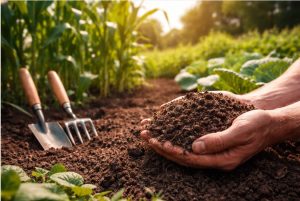
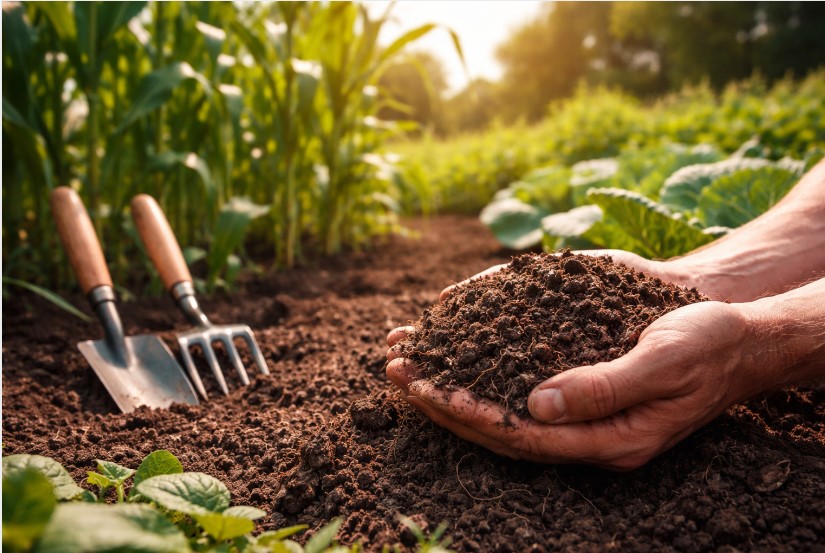
- Dark color and crumbly texture
- Presence of earthworms
- Good moisture retention
- Strong plant growth
Unhealthy Soil Indicators
- Hard and compacted surface
- Poor drainage
- Low organic matter
- Weak or stunted crops
Modern Challenges to Soil Health
Despite its importance, soil health is often compromised by modern agricultural practices.
Overuse of Chemical Fertilizers
While fertilizers can boost short-term productivity, excessive use can degrade soil over time. It may reduce microbial activity and disrupt natural nutrient cycles.
Soil Erosion
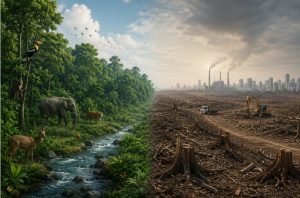
Wind and water erosion remove the topsoil, which is the most fertile layer. This leads to reduced productivity and long-term land degradation.
Monocropping
Growing the same crop repeatedly depletes specific nutrients and reduces soil biodiversity.
Over-Tillage
Excessive plowing disrupts soil structure and destroys beneficial microorganisms.
Why Soil Health Matters for Sustainability
Healthy soil is essential not only for productivity but also for environmental sustainability.
It helps:
- Store carbon and reduce climate impact
- Maintain water quality
- Support biodiversity
- Ensure long-term food security
Therefore, improving soil health is a critical step toward sustainable agriculture.
The Bigger Picture
The connection between soil health and crop productivity goes beyond farming. It affects global food systems, environmental health, and economic stability.
When soil is healthy:
- Crops grow better
- Farmers achieve higher yields
- Ecosystems remain balanced
Factors Affecting Soil Health and Practical Farm Management
Understanding soil health is only the first step. The real challenge lies in maintaining and improving it under changing environmental and agricultural conditions. Several natural and human-driven factors influence soil quality, and managing these effectively can significantly improve crop productivity.
Natural Factors Influencing Soil Health
Soil does not exist in isolation. Instead, it is shaped continuously by natural elements such as climate, topography, and biological activity.
Climate and Weather
Climate plays a major role in determining soil characteristics. For example, rainfall affects soil moisture, while temperature influences microbial activity.
- High rainfall can lead to nutrient leaching
- Drought conditions reduce microbial activity
- Extreme temperatures can degrade organic matter
Therefore, adapting farming practices to local climate conditions is essential for maintaining soil health.
Topography and Landscape
The position of land affects how water flows and how soil is distributed.
- Sloped land is more prone to erosion
- Low-lying areas may retain excess water
- Flat land generally supports better soil stability
As a result, land management strategies must consider the natural landscape.
Soil Type
Different soils have different properties. For instance:
- Sandy soils drain quickly but hold fewer nutrients
- Clay soils retain water but may have poor aeration
- Loamy soils offer a balanced combination of drainage and fertility
Understanding soil type helps farmers choose suitable crops and management practices.
Human Activities Impacting Soil Health
While natural factors shape soil over time, human activities can accelerate both improvement and degradation.
Excessive Chemical Use
The overuse of fertilizers and pesticides can harm soil biology. Although these inputs may increase short-term yields, they often reduce long-term fertility.
For example:
- Beneficial microorganisms may decline
- Soil structure can weaken
- Nutrient imbalances may develop
Intensive Farming Practices
Continuous cultivation without proper management leads to soil exhaustion.
- Nutrients are depleted faster than they are replenished
- Organic matter levels decrease
- Soil becomes less productive over time
Water Mismanagement
Both over-irrigation and under-irrigation can damage soil.
- Over-irrigation may cause waterlogging and salinity
- Insufficient irrigation leads to dry and infertile soil
Therefore, efficient water management is critical.
Sustainable Practices to Improve Soil Health
Fortunately, several proven practices can restore and maintain soil health while improving crop productivity.
Crop Rotation
Crop rotation involves growing different crops in the same field over time. This practice helps maintain nutrient balance and reduces pest buildup.
For example:
- Legumes add nitrogen to the soil
- Different crops use different nutrients
- Soil structure improves with diversity
As a result, crop rotation supports long-term productivity.
Cover Cropping
Cover crops are grown primarily to protect and enrich the soil rather than for harvest.
Benefits include:
- Preventing soil erosion
- Improving soil structure
- Increasing organic matter
Additionally, they help retain moisture and suppress weeds.
Organic Farming Practices
Organic farming focuses on natural inputs instead of synthetic chemicals. It promotes soil health by enhancing biological activity.
Key methods include:
- Using compost and manure
- Encouraging beneficial organisms
- Avoiding harmful chemicals
Over time, these practices improve soil fertility and sustainability.
Reduced Tillage
Minimizing soil disturbance helps preserve soil structure and microbial life.
Compared to conventional plowing:
- Soil retains more moisture
- Organic matter remains intact
- Erosion risk decreases
Therefore, reduced tillage is an effective way to maintain soil health.
Integrated Nutrient Management
Integrated Nutrient Management combines organic and inorganic inputs to maintain soil fertility.
This approach ensures:
- Balanced nutrient supply
- Improved soil structure
- Sustainable productivity
The Role of Water in Soil Health
Water is a key factor in both soil health and crop productivity.
Efficient Irrigation Systems
Modern irrigation methods such as drip and sprinkler systems help deliver water more efficiently.
Benefits include:
- Reduced water waste
- Better moisture control
- Improved crop growth
Soil Moisture Management
Maintaining optimal soil moisture supports microbial activity and nutrient absorption.
For instance:
- Mulching helps retain moisture
- Proper drainage prevents waterlogging
Soil Testing and Monitoring
Regular soil testing is essential for understanding soil condition and making informed decisions.
Why Soil Testing Matters
Soil testing provides information about:
- Nutrient levels
- pH balance
- Organic matter content
With this data, farmers can apply the right inputs in the right amounts.
Modern Tools and Technology
Advancements in technology have made soil monitoring more precise.
- Sensors measure moisture and nutrient levels
- Satellite data helps track soil conditions
- Digital tools assist in farm planning
As a result, farmers can optimize productivity while preserving soil health.
Balancing Productivity and Sustainability
Increasing crop productivity should not come at the cost of soil degradation. Instead, sustainable practices ensure that productivity is maintained over the long term.
For example:
- Healthy soil produces consistent yields
- Reduced chemical use protects the environment
- Balanced farming improves economic stability
Therefore, sustainability and productivity must go hand in hand.
Common Mistakes to Avoid
Even with good intentions, certain practices can harm soil health.
Ignoring Soil Testing
Without proper testing, farmers may overuse or misuse fertilizers.
Overdependence on Chemicals
Relying only on chemical inputs can degrade soil over time.
Poor Crop Planning
Growing the same crop repeatedly reduces soil fertility.
Neglecting Organic Matter
Failing to replenish organic matter leads to declining soil quality.
The Economic Impact of Soil Health
Healthy soil not only improves crop yield but also reduces costs.
- Lower need for fertilizers and pesticides
- Better water efficiency
- Higher crop quality and market value
As a result, investing in soil health benefits both productivity and profitability.
Future Strategies, Innovation, and Long-Term Agricultural Sustainability
Sustaining soil health while meeting the growing global demand for food is one of the biggest challenges in modern agriculture. While traditional practices have laid a strong foundation, future success depends on innovation, awareness, and long-term planning. Therefore, this section focuses on advanced strategies, emerging technologies, and the path toward sustainable agricultural systems.
The Need for Long-Term Soil Management
Soil health cannot be restored overnight. Instead, it requires consistent care and strategic planning over time.
For example:
- Rebuilding organic matter may take several seasons
- Restoring microbial balance is a gradual process
- Preventing erosion requires ongoing effort
As a result, farmers must adopt a long-term perspective rather than focusing only on immediate yields.
Climate Change and Soil Health
Climate change is increasingly affecting soil conditions and crop productivity. Rising temperatures, unpredictable rainfall, and extreme weather events create new challenges.
Impact on Soil
- Increased erosion due to heavy rainfall
- Loss of moisture during prolonged droughts
- Reduced organic matter from higher temperatures
Impact on Crops
- Lower yields in stressed conditions
- Increased pest and disease pressure
- Reduced crop quality
Therefore, improving soil health is a key strategy for building climate resilience.
Climate-Smart Agriculture
Climate-Smart Agriculture focuses on increasing productivity while adapting to climate change and reducing environmental impact.
Key practices include:
- Conserving soil moisture
- Reducing greenhouse gas emissions
- Improving carbon storage in soil
As a result, this approach supports both productivity and sustainability.
The Role of Technology in Soil Management
Modern technology is transforming how farmers understand and manage soil.
Precision Agriculture
Precision Agriculture uses data and digital tools to optimize farming practices.
For example:
- Sensors monitor soil moisture and nutrients
- GPS technology guides accurate input application
- Data analytics improve decision-making
Consequently, farmers can use resources more efficiently while maintaining soil health.
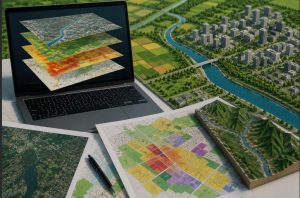
Soil Mapping and Data Analysis
Advanced mapping techniques provide detailed information about soil conditions across fields.
Benefits include:
- Identifying problem areas
- Customizing soil treatments
- Improving crop planning
This targeted approach reduces waste and enhances productivity.
Use of Artificial Intelligence
Artificial intelligence is increasingly being used to predict soil behavior and recommend best practices.
For instance:
- AI models analyze weather and soil data
- Predictive tools suggest irrigation schedules
- Automated systems optimize fertilizer use
As a result, farming becomes more efficient and sustainable.
Regenerative Agriculture: A Growing Movement
Regenerative Agriculture focuses on restoring soil health while improving productivity.
Unlike conventional methods, it emphasizes:
- Increasing organic matter
- Enhancing biodiversity
- Minimizing soil disturbance
Over time, regenerative practices rebuild soil structure and improve resilience.
Policy and Government Support
Government policies play a crucial role in promoting soil health.
Supportive Measures
- Subsidies for sustainable farming practices
- Training programs for farmers
- Investment in research and innovation
Such initiatives encourage farmers to adopt environmentally friendly methods.
Education and Awareness
Raising awareness about soil health is essential for long-term change.
Farmers, students, and communities need to understand:
- The importance of soil conservation
- Sustainable farming techniques
- The link between soil and food quality
Education empowers individuals to make informed decisions.
Balancing Productivity with Environmental Responsibility
Modern agriculture must strike a balance between increasing production and protecting natural resources.
For example:
- Excessive input use may boost yields but harm soil
- Sustainable practices may take time but ensure long-term benefits
Therefore, a balanced approach is necessary for lasting success.
The Global Importance of Soil Health
Soil health is not just a local issue—it has global implications.
Healthy soil contributes to:
- Food security for growing populations
- Climate change mitigation through carbon storage
- Biodiversity conservation
As a result, protecting soil is a shared global responsibility.
Steps Toward a Sustainable Future
Achieving sustainable agriculture requires coordinated efforts at multiple levels.
For Farmers
- Adopt sustainable practices
- Monitor soil regularly
- Reduce dependence on harmful inputs
For Governments
- Promote research and innovation
- Support sustainable policies
- Provide financial incentives
Consumers
- Support sustainably grown products
- Reduce food waste
- Raise awareness about soil health
Measuring Success Beyond Yield
Traditionally, success in agriculture has been measured by yield alone. However, a broader perspective is now needed.
Indicators of success include:
- Soil fertility and structure
- Biodiversity levels
- Water efficiency
- Long-term productivity
These factors provide a more complete picture of agricultural sustainability.
Challenges Ahead
Despite progress, several challenges remain:
- Limited awareness in some regions
- High initial costs of sustainable practices
- Resistance to change in traditional systems
However, with continued innovation and support, these challenges can be overcome.
A Vision for the Future
The future of agriculture depends on how well soil is managed today. By combining traditional knowledge with modern technology, it is possible to create systems that are both productive and sustainable.
Healthy soil leads to:
- Stronger crops
- Better yields
- Resilient farming systems
Final Thoughts
The connection between soil health and crop productivity is undeniable. Soil is not just a resource—it is a living system that sustains life on Earth. Protecting and improving it is essential for ensuring food security, environmental stability, and economic growth.
By embracing sustainable practices, leveraging technology, and promoting awareness, we can build a future where agriculture thrives without compromising the health of our planet.
FAQs:
Soil Health refers to the soil’s ability to function as a living system that supports plant growth, maintains environmental balance, and sustains productivity over time.
Healthy soil provides essential nutrients, proper water retention, and a supportive environment for root growth. As a result, crops grow stronger, healthier, and produce higher yields.
Healthy soil usually has a dark color, crumbly texture, good moisture retention, and visible organisms like earthworms. It also supports consistent and vigorous plant growth.
Common causes include excessive use of chemicals, soil erosion, over-tillage, monocropping, and poor water management. These factors degrade soil structure and reduce fertility.
It refers to the quantity and quality of crops produced per unit of land. It depends on soil condition, climate, water availability, and farming practices.