Introduction
Soil is much more than just dirt beneath our feet—it is a living, dynamic ecosystem that supports plant growth, sustains biodiversity, and plays a crucial role in maintaining environmental balance. In agriculture, soil is the foundation upon which food production depends. However, with increasing population pressure, intensive farming practices, and climate change, maintaining soil health has become more important than ever.
Soil health refers to the condition of soil in terms of its ability to function as a living ecosystem that sustains plants, animals, and humans. Healthy soil is productive, resilient, and capable of supporting crops while maintaining environmental quality.

What Is Soil Health?
Soil health can be defined as the soil’s capacity to function as a vital living system. It is not just about fertility or nutrient content, but also about biological activity, structure, and sustainability.
A healthy soil:
- Supports plant growth
- Stores and filters water
- Cycles nutrients efficiently
- Supports a diverse range of organisms
- Resists degradation and erosion
Soil health is often used interchangeably with “soil quality,” but soil health emphasizes the living, dynamic nature of soil.
Components of Soil Health
Soil health is determined by three main components:
Physical Properties
These relate to the structure and texture of the soil.
- Soil Texture: The proportion of sand, silt, and clay
- Soil Structure: How soil particles are arranged
- Porosity: The spaces between particles that hold air and water
- Water Holding Capacity: Ability to retain moisture
Healthy soil has a balanced structure that allows roots to grow easily and ensures proper air and water movement.
Chemical Properties
These determine nutrient availability and soil fertility.
- pH Level: Affects nutrient availability
- Nutrient Content: Nitrogen, phosphorus, potassium, and micronutrients
- Organic Matter Content: Influences nutrient supply and soil structure
Soils that are too acidic or too alkaline can limit crop growth, even if nutrients are present.
Biological Properties
Soil is alive with microorganisms and organisms that play vital roles.
- Bacteria and fungi
- Earthworms
- Insects and other soil fauna
These organisms:
- Decompose organic matter
- Release nutrients
- Improve soil structure
Healthy soil is rich in biodiversity, which enhances productivity and resilience.
Importance of Soil Health in Agriculture
Soil health is directly linked to agricultural productivity and sustainability.
Enhances Crop Productivity
Healthy soil provides essential nutrients and a stable environment for plant growth. Crops grown in healthy soil:
- Grow faster
- Have better yields
- Are more resistant to diseases
Improves Water Management
Healthy soil acts like a sponge:
- Absorbs rainwater efficiently
- Reduces runoff
- Prevents waterlogging
This is especially important in regions facing irregular rainfall.
Supports Sustainable Farming
Soil health reduces dependence on chemical fertilizers and pesticides. Farmers can:
- Lower input costs
- Maintain long-term productivity
- Reduce environmental impact
Prevents Soil Degradation
Poor soil management leads to:
- Erosion
- Nutrient depletion
- Desertification
Healthy soil resists these problems and maintains its productivity over time.
Factors Affecting Soil Health
Several natural and human factors influence soil health:
Climate
Temperature and rainfall affect:
- Soil moisture
- Microbial activity
- Organic matter decomposition
Farming Practices
Modern agricultural practices can either improve or harm soil health:
Harmful practices:
- Excessive tillage
- Overuse of chemical fertilizers
- Monocropping
Beneficial practices:
- Crop rotation
- Organic farming
- Conservation tillage
Soil Erosion
Wind and water erosion remove topsoil, which is rich in nutrients and organic matter. This reduces soil fertility significantly.
Organic Matter Levels
Organic matter is crucial for soil health. It:
- Improves structure
- Enhances nutrient availability
- Supports microorganisms
Low organic matter leads to poor soil performance.
Indicators of Healthy Soil
Farmers and scientists use several indicators to assess soil health:
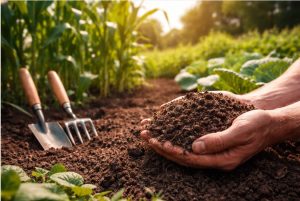
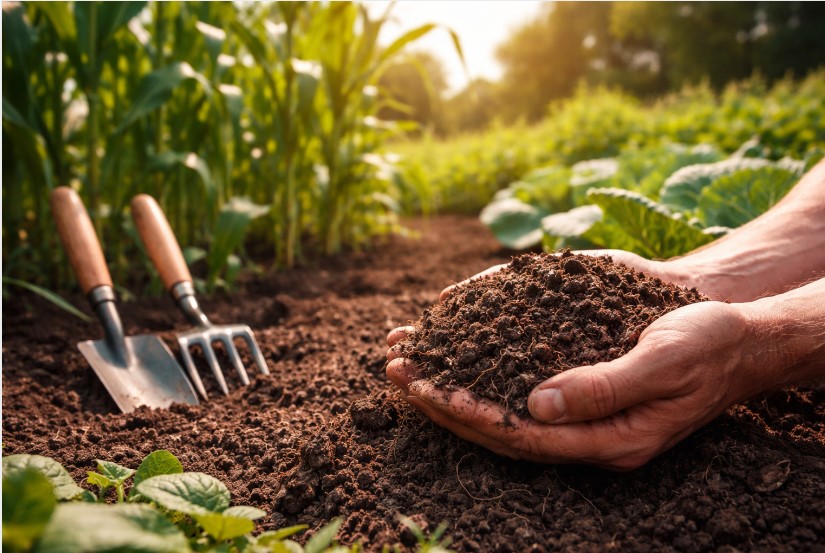
- Dark color (indicates organic matter)
- Good soil structure (crumbly texture)
- Presence of earthworms
- Proper drainage
- Balanced pH levels
These indicators help determine whether soil management practices are effective.
Soil Health and Food Security
Soil health is closely linked to food security. Without healthy soil:
- Crop yields decline
- Food quality decreases
- Farming becomes unsustainable
As the global population grows, maintaining soil health is essential to ensure enough food for everyone.
Methods to Improve Soil Health
Improving soil health requires a combination of traditional knowledge and modern scientific practices. Here are some of the most effective methods:
Crop Rotation
Crop rotation involves growing different types of crops in the same field across seasons.
Benefits:
- Prevents nutrient depletion
- Reduces pest and disease buildup
- Improves soil fertility
For example, rotating legumes with cereals helps increase nitrogen levels naturally.
Use of Organic Matter
Adding organic materials such as:
- Compost
- Farmyard manure
- Green manure
Benefits:
- Improves soil structure
- Enhances microbial activity
- Increases nutrient availability
Organic matter acts as food for soil organisms, boosting overall soil health.
Conservation Tillage (Minimum Tillage)
Reducing soil disturbance helps maintain its natural structure.
Advantages:
- Reduces soil erosion
- Maintains moisture
- Preserves soil organisms
Excessive plowing can damage soil structure and reduce fertility over time.
Cover Cropping
Cover crops are grown to protect soil rather than for harvest.
Examples:
- Clover
- Rye
- Mustard
Benefits:
- Prevents erosion
- Improves soil fertility
- Suppresses weeds
Balanced Fertilization
Using the right amount of fertilizers based on soil testing is crucial.
- Avoid overuse of chemical fertilizers
- Combine organic and inorganic inputs
- Follow soil test recommendations
This ensures sustainable nutrient management.
Agroforestry
Agroforestry integrates trees with crops and livestock.
Benefits:
- Improves soil structure
- Enhances biodiversity
- Reduces erosion
Tree roots help bind soil and improve nutrient cycling.
Modern Techniques and Innovations
With technological advancements, soil health management has become more efficient and precise.
Precision Agriculture
Precision farming uses technologies like:
- GPS
- Sensors
- Drones
Benefits:
- Optimizes input use
- Reduces waste
- Improves productivity
Farmers can apply fertilizers and water only where needed.
Soil Testing and Monitoring
Regular soil testing helps farmers understand:
- Nutrient levels
- pH balance
- Organic matter content
This allows for informed decision-making and better crop planning.
Biofertilizers
Biofertilizers are natural fertilizers containing beneficial microorganisms.
Examples:
- Rhizobium
- Azotobacter
Benefits:
- Enhance nutrient availability
- Reduce chemical dependency
- Improve soil biological activity
Integrated Nutrient Management (INM)
INM combines:
- Organic fertilizers
- Chemical fertilizers
- Biofertilizers
This approach ensures balanced nutrition and long-term soil health.
Government Initiatives in India
India has launched several programs to promote soil health among farmers:
Soil Health Card Scheme
The Soil Health Card Scheme provides farmers with detailed reports on soil nutrient status.
Key features:
- Soil testing every 2–3 years
- Recommendations for fertilizer use
- Helps reduce input costs
Paramparagat Krishi Vikas Yojana (PKVY)
The Paramparagat Krishi Vikas Yojana promotes organic farming.
Objectives:
- Reduce chemical use
- Improve soil fertility
- Encourage sustainable practices
National Mission for Sustainable Agriculture (NMSA)
The National Mission for Sustainable Agriculture focuses on climate-resilient farming.
Goals:
- Enhance soil health
- Improve water use efficiency
- Promote sustainable agriculture
Long-Term Benefits of Healthy Soil
Maintaining soil health offers numerous long-term advantages:
Increased Productivity
Healthy soil ensures consistent and higher crop yields over time.
Environmental Protection
- Reduces pollution
- Enhances carbon sequestration
- Supports biodiversity
Climate Change Mitigation
Healthy soils store carbon, helping reduce greenhouse gases in the atmosphere.
Economic Benefits for Farmers
- Lower input costs
- Higher profits
- Sustainable income
Food Quality and Nutrition
Crops grown in healthy soil are:
- More nutritious
- Better in quality
- Safer for consumption
Challenges in Maintaining Soil Health
Despite its importance, several challenges exist:
- Overuse of chemical fertilizers
- Lack of awareness among farmers
- Soil erosion and land degradation
- Climate change impacts
Addressing these challenges requires education, policy support, and community participation.
Future of Soil Health in Agriculture
The future of agriculture depends heavily on soil health. Key trends include:
- Increased adoption of organic farming
- Use of AI and data-driven agriculture
- Greater awareness of sustainability
- Government and global support initiatives
Farmers, scientists, and policymakers must work together to protect this vital resource.
Conclusion
Soil health is not just a scientific concept—it is the backbone of sustainable agriculture and food security. By adopting better farming practices, using modern technologies, and supporting government initiatives, we can protect and enhance soil health for future generations.
Healthy soil means healthy crops, healthy people, and a healthy planet.
FAQs:
Soil health refers to the condition of soil in terms of its ability to support plant growth, maintain environmental quality, and promote biological activity.
Healthy soil improves crop yield, enhances nutrient availability, supports root growth, and helps retain water, leading to better farm productivity.
Farmers can improve soil health by using organic fertilizers, practicing crop rotation, reducing chemical usage, and adding compost or green manure.
Poor plant growth, soil erosion, low water retention, and lack of organic matter are common signs of unhealthy soil.
Healthy soil provides essential nutrients and proper structure for plant roots, which directly increases crop yield and quality.
Microorganisms break down organic matter, release nutrients, and improve soil structure, making the soil more fertile.