Indian spices are more than flavours added to food — they are pieces of history, medicine, culture, and identity. For thousands of years, traders, travellers, and explorers from across the world sailed to India searching for its precious spices. Even today, the global food world cannot imagine its dishes without the touch of Indian spice blends. From the warmth of turmeric to the aroma of cardamom, each spice tells a story of healing, heritage, and tradition.
In this detailed guide, we explore the long journey of Indian spices, the science-backed indian spices benefits for health, and how India became the world’s largest spice hub. The language is simple, the facts are clear, and the flow is natural — just like a conversation.
The Ancient Story of Indian Spices
Long before modern cities existed, people in ancient India were cultivating spices in their fertile lands. Archaeologists found evidence of pepper, turmeric, cumin, and ginger in the Indus Valley Civilisation, which dates back more than 4,000 years. These spices were not just ingredients but symbols of wealth and trade power.
A Magnet for Global Explorers
India’s spice fame attracted merchants from Arabia, Persia, Rome, China, and later Europe. Ships filled with black pepper, cinnamon, and cardamom sailed from Indian ports and reached distant markets. At one point, black pepper was so costly in Europe that it was called “black gold.”
The spice trade also shaped world history. Explorers like Vasco da Gama reached India while searching for a direct sea route to its spice-rich coast. Without spices, global exploration might have taken a completely different path.
Spices in Ayurveda and Ancient Healing
Ayurveda used spices as medicines long before modern science studied them. Each spice had a specific role:
- Turmeric for inflammation
- Cumin for digestion
- Clove for dental pain
- Ginger for nausea and cold
- Cardamom for detoxifying the body
The ayurvedic principles behind many indian spices benefits continue to be proven by modern research.
Why Indian Spices Are Loved Worldwide
India produces more than 75 of the 109 spices listed by the International Organization for Standardization (ISO). The climate, soil diversity, and centuries of farming knowledge help make Indian spices unique in smell, colour, and strength.
Diversity of Flavours
Indian spices range from sweet to smoky, spicy to earthy. Each geographical region contributes something special:
- Kerala — pepper, cinnamon, nutmeg
- Rajasthan — cumin, coriander, chilli
- Meghalaya — Lakadong turmeric
- Tamil Nadu — cardamom, cloves
- Kashmir — saffron
This natural diversity is one of the key reasons the world seeks Indian spices for their quality and strong flavour.
Health Power: Understanding Real Indian Spices Benefit
People often think spices only add taste, but the truth is deeper. Most Indian spices are packed with natural antioxidants, anti-inflammatory compounds, and digestive-friendly properties. Here’s a closer look at the indian spices benefits that make them so important in everyday cooking.
1. Turmeric: The Golden Healer
Turmeric is called “haldi” in India and has been used for centuries for healing wounds, improving skin, and boosting overall wellness.
Major benefits:
- Supports joint health
- Reduces inflammation
- Strengthens immunity
- Promotes glowing skin
Curcumin, the active compound, is the main reason turmeric is considered one of the most powerful natural healers.

2. Black Pepper: The King of Spices
Black pepper is not just a table seasoning. It improves digestion, increases nutrient absorption, and warms the body naturally.
Benefits include:
- Enhancing metabolism
- Supporting the respiratory system
- Helping absorb nutrients like turmeric
The combination of black pepper and turmeric is one of the most popular natural health practices.
3. Cinnamon: Nature’s Sweet Medicine
Cinnamon adds a comforting sweetness to dishes, but its health value is equally remarkable.
Key advantages:
- Helps regulate blood sugar
- Supports heart health
- Acts as a strong antioxidant
People across the world value cinnamon for both food and medicine.
4. Cardamom: The Queen of Aroma
Cardamom has a cooling effect on the body and a strong fragrance that makes it a favourite in desserts and beverages.
Key benefits:
- Refreshes breath
- Eases digestive discomfort
- Supports detoxification
Its delicate flavour and soothing qualities make cardamom a unique symbol of indian spices benefits.
5. Cumin: The Digestive Hero
Cumin (jeera) is used almost daily in Indian kitchens. It is one of the best spices for digestion.
Benefits include:
- Reducing bloating
- Improving metabolism
- Supporting liver health
Many home remedies use cumin water due to its gentle nature and effectiveness.
6. Cloves: Strong, Warm & Healing
Cloves have a bold, warming flavour and are packed with antibacterial and pain-relieving properties.
Benefits include:
- Relieving tooth pain
- Supporting respiratory health
- Acting as a natural antiseptic
Cloves are commonly used in both cuisine and traditional home treatments.
7. Coriander: Cooling & Calming
Coriander seeds and leaves are cooling in nature.
Benefits:
- Helps reduce acidity
- Supports digestion
- Refreshes the body
Its calming effect makes it perfect for summer drinks and daily cooking.
Indian Spice Farming: A Cultural Heritage
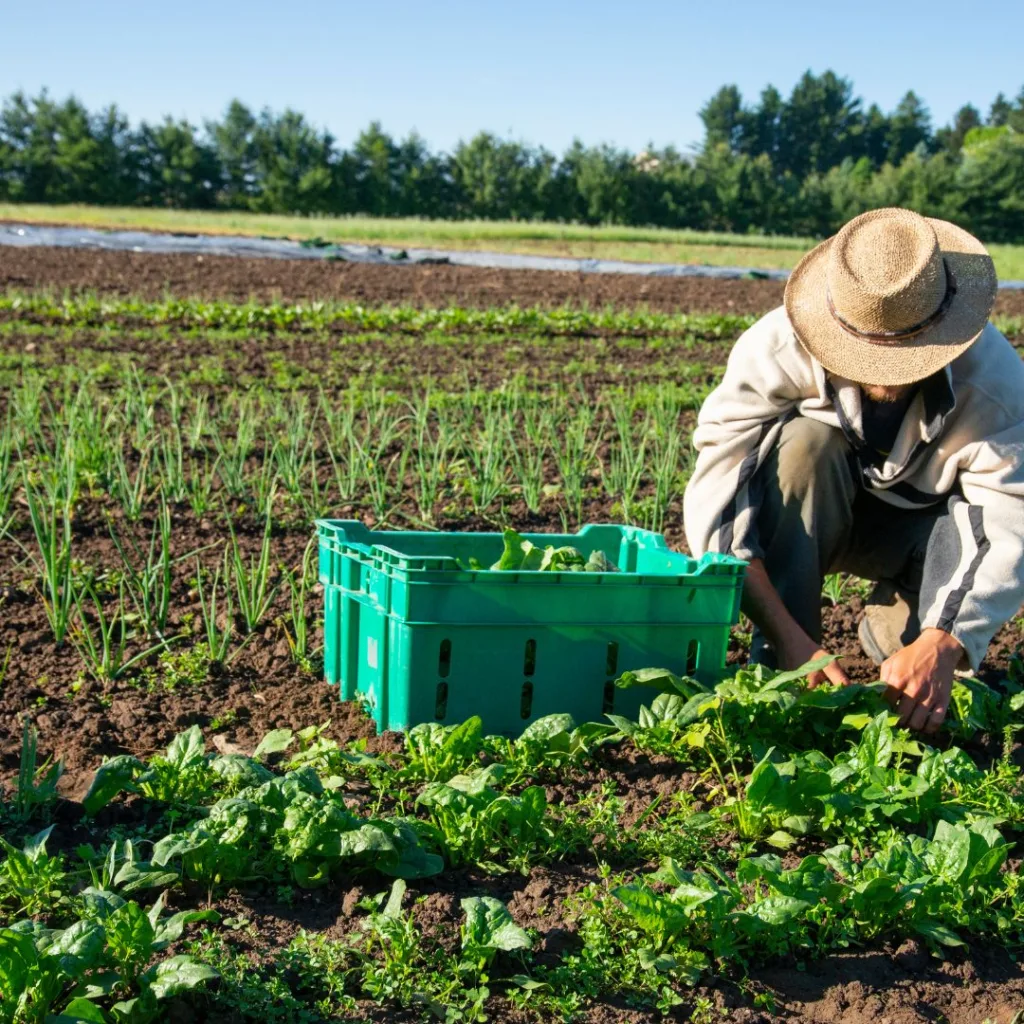
Most spices in India are grown by small farmers who have inherited knowledge from their ancestors. Generations pass down methods of drying, processing, and storing spices. This connection between spice farming and culture is part of the long-lasting indian spices benefits for rural livelihoods.
Traditional Farming Practices
Many farmers still use natural manure, hand-harvesting, and sun-drying methods. These practices preserve the aroma and purity of spices. In regions like Kerala and Karnataka, spice farming is also supported by forest-based agriculture, which protects biodiversity.

How Indian Spices Became Global Leaders
India exports spices to more than 180 countries. Chilli, turmeric, cumin, coriander, pepper, cardamom, and ginger are among the top exports.
Reasons for India’s Export Strength
- High-quality aroma and essential oil content
- Reliable farming knowledge
- Large production capacity
- Growing demand for natural and clean-label food products
Indian spices benefits are recognised not just by households but also by global industries like cosmetics, pharmaceuticals, and wellness brands.
How Spices Shaped Indian Cuisine
Indian cuisine is known worldwide for its bold flavours and colourful dishes. Spices do more than add taste — they balance the body, improve digestion, and create harmony in food.
Regional Spice Profiles
- North India: garam masala, coriander, cumin
- South India: curry leaves, mustard seeds, black pepper
- East India: mustard, poppy seeds
- West India: dried chillies, fenugreek
Each region uses spices based on climate and local lifestyles, adding depth to the story of indian spices benefits.
Spices in Everyday Indian Life
Spices are part of rituals, skincare routines, festivals, and home remedies. For example:
- Haldi ceremony at weddings
- Masala chai for comfort
- Jeera water for digestion
- Clove oil for toothache
These everyday uses show how deeply spices are woven into Indian culture.
Popular Spice Blends of India
India is known for its spice blends, each with a unique character:
- Garam Masala — warm and aromatic
- Sambar Powder — tangy and spicy
- Chaat Masala — salty and tangy
- Panch Phoron — a five-seed mix
- Tandoori Masala — smoky and bold
These blends spread Indian flavours to kitchens around the world.
The Science Behind Their Strength
Spices get their power from natural plant compounds like:
- Curcumin (turmeric)
- Piperine (black pepper)
- Cinnamaldehyde (cinnamon)
- Eugenol (clove)
These compounds are responsible for most indian spices benefits, including digestion support, immune strength, and antioxidant activity.
Modern Uses of Indian Spices
Today, Indian spices are used in:
- Herbal teas
- Skincare products
- Natural supplements
- Fragrance oils
- Wellness drinks
The world is moving toward clean, plant-based lifestyles, and spices fit perfectly into this trend.
Aroma, Colour & Healing — The True Essence of Spices
Every spice has a personality of its own:
- Red chilli adds heat and colour
- Turmeric gives a golden hue
- Cardamom brings elegance
- Cumin adds earthiness
Together, they make meals nourishing and lively. This balance of flavour and wellness explains why indian spices benefits are appreciated globally.
The Future of Indian Spices
With increasing demand for natural antioxidants, chemical-free foods, and herbal treatments, the future of Indian spice farming is bright. More farmers are shifting to organic methods, and global food companies prefer Indian spice oils and oleoresins for purity.
India’s export strength continues to grow, and the world’s love for Indian cuisine adds even more value.
Keynote Takeaway
Indian spices are not just ingredients — they are a bridge between ancient wisdom and modern health. They shaped world trade, influenced global cuisine, and supported millions of farmers. The indian spices benefits go far beyond taste. They nourish the body, protect health, and connect us to centuries of tradition.
FAQs:
1. Why are Indian spices so famous worldwide?
Indian spices are known for their strong aroma, natural oils, and rich flavour. India’s climate and farming traditions make its spices unique. Many spices grown in India have been used for thousands of years, which adds to their global reputation.
2. Are Indian spices good for health?
Yes. Many Indian spices support digestion, immunity, skin health, and overall wellness. They contain natural antioxidants and anti-inflammatory compounds that help the body in many ways.
3. Which Indian spice is best for daily use?
Turmeric, cumin, coriander, and black pepper are great for everyday cooking. They are gentle on the stomach, easy to add to meals, and offer natural health support.
4. Do spices really help with digestion?
Many of them do. Cumin, coriander, fennel, ginger, and cardamom are known to improve digestion, reduce bloating, and soothe the stomach.
5. What makes Indian spices different from spices from other countries?
Indian spices have higher essential oil content, stronger flavour, and deeper colour. The farming methods, soil types, and traditional processing also make them special.
6. Which spices from India are most exported?
Chilli, turmeric, cumin, coriander, cardamom, pepper, and ginger are among the top Indian spice exports.
7. Can Indian spices be used for skincare?
Yes. Turmeric, saffron, sandalwood powder, and neem are used in many traditional skincare routines. They help brighten the skin, reduce inflammation, and support natural healing.
8. Are Indian spices safe for children?
Most mild spices like turmeric, cumin, coriander, and fennel are safe when used in small amounts in daily cooking. Very spicy ingredients like strong chilli may not suit all children.
9. How should Indian spices be stored?
Store them in airtight glass containers away from heat and moisture. This keeps the aroma and flavour strong for a long time.
10. Can spices lose their strength over time?
Yes. Spices slowly lose their aroma and colour if stored for too long. Whole spices last longer than ground ones, so many people prefer to buy them whole and grind them fresh.