Why Indian Festivals and Traditions Attract Global Attention
India is one of the few countries where culture is not locked inside museums or books. It is lived every day. From small villages to big cities, festivals and traditions shape daily life. This is one strong reason why Indian festivals and traditions attract global attention. People around the world are curious about how such an old culture stays alive, colorful, and meaningful even today.
Indian festivals are not only celebrations. They are stories, emotions, values, and shared experiences. When people from other countries see these festivals, they feel something real and human. This emotional connection is why Indian festivals and traditions attract global attention again and again.

A Culture That Celebrates Life
One of the main reasons Indian festivals and traditions attract global attention is that they celebrate life itself. There is a festival for almost everything — birth, harvest, seasons, faith, victory, and even remembrance. These celebrations teach people to pause, reflect, and enjoy life.
In many parts of the world, life moves fast. Festivals in India slow things down. They remind people to connect with family, neighbors, and inner peace. This balance between joy and meaning is why Indian festivals and traditions attract global attention.
Deep Historical Roots
Indian festivals are not modern creations. Many of them are thousands of years old. They come from ancient stories, epics, and oral traditions. This deep history fascinates global audiences. Indian festivals and traditions attract global attention because they carry living history.
While many cultures have lost old customs, India has preserved them through festivals. Rituals, songs, and symbols still reflect ancient times. Indian festivals and traditions attract global attention because they show how the past can live peacefully with the present.
Unity in Diversity
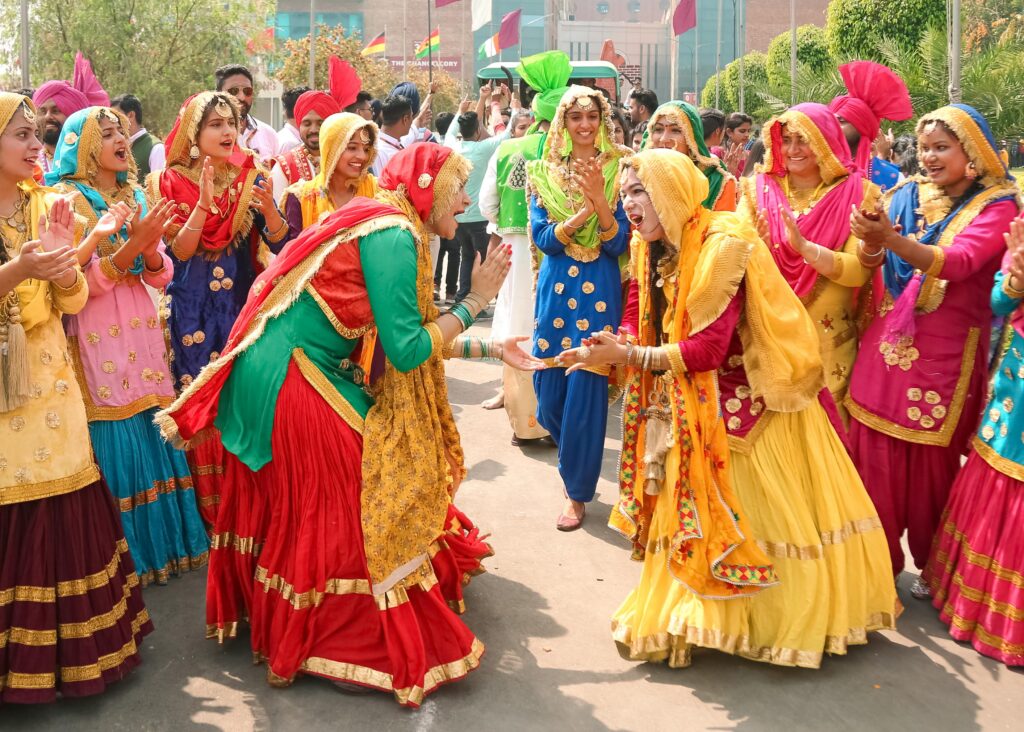
India is home to many religions, languages, and communities. Yet, festivals bring people together. This unity in diversity is a powerful reason why Indian festivals and traditions attract global attention.
People of different faiths often celebrate together. Streets fill with shared joy, not division. For global audiences, this message of harmony is inspiring. Indian festivals and traditions attract global attention because they show that differences can coexist beautifully.

Colors, Lights, and Visual Beauty
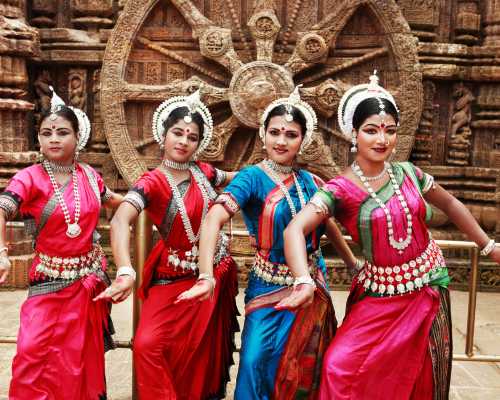
The visual beauty of Indian festivals is hard to ignore. Bright colors, lamps, flowers, rangoli, and traditional clothes create scenes that look like living art. This strong visual appeal is another reason why Indian festivals and traditions attract global attention.
Festivals like Diwali and Holi are now celebrated in many countries. Social media spreads these images worldwide. Indian festivals and traditions attract global attention because they are visually joyful and emotionally uplifting.
Strong Family Values
In Indian culture, festivals are family-centered. People travel long distances to be together. Elders, children, and relatives all take part. This focus on family is deeply admired across the world.
In many societies, family time is becoming rare. Seeing Indian families celebrate together touches hearts. Indian festivals and traditions attract global attention because they highlight love, respect, and togetherness.
Meaningful Rituals and Symbolism
Every ritual in Indian festivals has meaning. Lighting a lamp represents hope. Fasting represents discipline. Sharing food represents equality. These simple yet deep ideas attract people globally.
Indian festivals and traditions attract global attention because they do not feel empty or forced. They feel thoughtful. People from other cultures find comfort in these symbols because they speak a universal language.

Connection With Nature
Many Indian festivals are linked to nature — seasons, sun, moon, rivers, and harvests. This respect for nature feels very relevant today. As the world faces environmental issues, people look for cultures that value balance.
Indian festivals and traditions attract global attention because they show how humans can live in harmony with nature. These festivals remind people that nature is not separate from life.
Spiritual Depth Without Pressure
Indian festivals often carry spiritual meaning, but they are not strict or controlling. People can celebrate in their own way. This openness attracts global interest.
Indian festivals and traditions attract global attention because they offer spirituality without fear. People can enjoy, learn, and reflect without feeling forced. This gentle approach feels welcoming.
Music, Dance, and Art
Traditional music, dance, and folk art are central to festivals. These art forms are not just performances; they are expressions of culture. Global audiences admire this creativity.
Indian festivals and traditions attract global attention because they turn streets into stages and homes into galleries. Culture is not hidden; it is shared openly.

Food That Tells a Story
Festival food is another attraction. Every dish has a story, a season, and a reason. Sweets, snacks, and meals are prepared with care and shared freely.
Indian festivals and traditions attract global attention because food becomes a way of expressing love and culture. People across the world connect easily through taste.
Festivals Beyond Religion
While many festivals have religious roots, their message is often universal. Joy, hope, victory of good, gratitude, and renewal are feelings everyone understands.
Indian festivals and traditions attract global attention because they go beyond belief systems. They speak to human emotions, not just religion.
Indian Festivals on the Global Stage
Today, Indian festivals are celebrated worldwide. Indians living abroad share their culture with pride. Cities across the globe host Diwali nights, Holi events, and cultural fairs.
Indian festivals and traditions attract global attention because they travel well. They adapt to new places without losing their soul.
Influence of Media and Travel
Movies, documentaries, travel shows, and social media have introduced Indian festivals to global audiences. Tourists plan trips around festival seasons.
Indian festivals and traditions attract global attention because they offer real experiences, not staged shows. Visitors feel included, not like outsiders.
Emotional Connection and Human Touch
At the heart of it all is emotion. Festivals make people smile, forgive, and reconnect. This emotional honesty is rare.
Indian festivals and traditions attract global attention because they feel human. They remind people of shared emotions across cultures.
Traditions That Evolve, Not Break
Indian traditions change with time. New ideas blend with old customs. This flexibility keeps them alive.
Indian festivals and traditions attract global attention because they are not frozen in time. They grow while staying rooted.
Learning Through Celebration
Festivals teach values without lectures. Children learn stories, respect elders, and understand culture naturally.
Indian festivals and traditions attract global attention because they turn learning into joy. This approach feels refreshing.
A Sense of Belonging
Even visitors feel welcomed during festivals. Strangers are offered food, smiles, and warmth.
Indian festivals and traditions attract global attention because they create a sense of belonging, even for those far from home.
Keynote Takeaway
Indian festivals and traditions attract global attention because they beautifully combine culture, history, spirituality, and natural beauty. These celebrations reflect the richness of Indian culture and traditions, highlighting unity in diversity, strong family values, and deep respect for nature. From colorful festivals of India to traditional Indian celebrations admired worldwide, each event expresses emotion, meaning, and heritage. The connection with seasons, landscapes, and natural beauty makes these festivals even more appealing to global audiences. Indian festivals and traditions continue to inspire cultural awareness, heritage appreciation, and meaningful global cultural exchange.

FAQs:
A. Indian festivals attract global attention because they are full of color, emotion, tradition, and meaning. They celebrate life, nature, family, and values that people everywhere can relate to.
A. Indian traditions are deeply connected to history, spirituality, family values, and nature. They are not just followed but lived daily, which makes them unique and meaningful.
A. No, many Indian festivals are cultural, seasonal, or social. While some have religious roots, their messages of joy, unity, gratitude, and harmony are universal.
A. People from different religions and communities often celebrate together. This shared participation shows respect, harmony, and peaceful coexistence.
A. Colors and natural beauty symbolize joy, positivity, seasons, and connection with nature. They make festivals visually attractive and emotionally uplifting.
A. Indian festivals are celebrated globally due to Indian communities abroad, cultural events, social media, and global interest in Indian culture and traditions.