India’s soul is defined by its incredible variety — of people, languages, customs, and traditions. To truly understand the essence of this vast country, one must embark on a journey through India that unravels its intricate rituals, vibrant arts, and deeply rooted lifestyles. This journey is a fascinating exploration of the past living vividly in the present.

The Fascinating World of Indian Rituals
Indian rituals are not mere formalities; they are heartfelt expressions of culture, belief, and identity. They connect individuals to their communities, nature, and spirituality. Whether grand festivals or quiet daily practices, rituals form a continuous thread in the fabric of Indian life.
Key Aspects of Indian Rituals:
Life-Cycle Ceremonies:
From birth to marriage and final rites, every major milestone in a person’s life is marked by specific ceremonies. For instance, the naming ceremony (Namkaran) celebrates the arrival of a newborn, while weddings often last several days with numerous rituals symbolizing union, prosperity, and blessings.
Festivals as Rituals:
Festivals like Diwali, Holi, Navratri, Eid, and Christmas have unique rituals associated with them. Diwali’s ritual of lighting lamps symbolizes the triumph of light over darkness. Holi’s colorful powder-throwing ritual is a joyous celebration of spring and friendship.
Daily Rituals:
Many Indian households begin their day with prayer or meditation, offering flowers, lighting incense sticks, and chanting mantras. These moments instill peace and mindfulness.

Regional Variations:
Rituals vary widely by region, religion, and community. In Tamil Nadu, temple festivals include processions with decorated elephants and classical dances. In Punjab, Baisakhi celebrates the harvest with traditional folk dances like Bhangra.
Nature and Seasons:
Several rituals revolve around the changing seasons and agricultural cycles. Harvest festivals like Pongal and Onam are vibrant celebrations thanking nature for its bounty.
This rich spectrum of rituals reflects a deep reverence for life’s mysteries and a connection to the cosmic order.
The Diverse and Rich Arts of India
Art in India is not just a hobby or luxury; it is an essential part of cultural identity and communication. Through art, stories are told, histories preserved, and spiritual ideas expressed.
Important Facets of Indian Arts:
- Classical Dance and Music:
The classical dance forms—Bharatanatyam (Tamil Nadu), Kathak (North India), Odissi (Odisha), and others—are performances that blend storytelling, religious devotion, and artistic expression. These dances often depict tales from epics like the Ramayana and Mahabharata. Music, with its ragas and talas, forms the melodic backbone of these performances. - Folk Arts and Crafts:
India’s folk arts vary by region — Warli paintings from Maharashtra use simple shapes to depict daily life; Madhubani art from Bihar features intricate patterns and mythological themes. These forms often emerge from local stories and rituals, keeping oral traditions alive. - Textiles and Handicrafts:
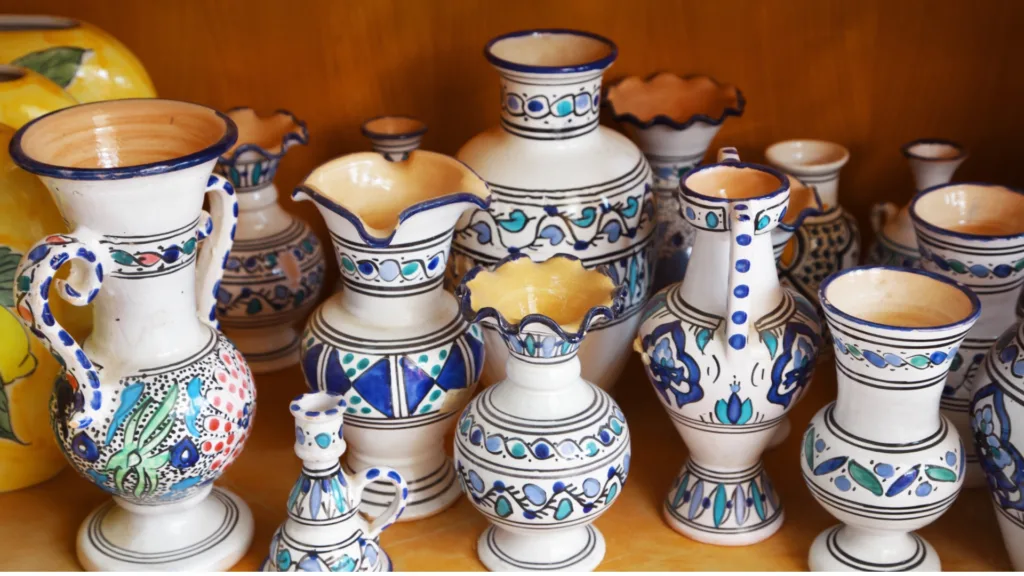
India’s handloom traditions are world-famous. Banarasi silk sarees with gold and silver zari work, Kanchipuram silk known for its durability and vivid colors, and the tie-dye Bandhani technique from Gujarat are just a few examples. Craftsmanship also extends to pottery, jewelry, and woodwork.

- Architecture:
From the grand temples of Khajuraho and Hampi to the Mughal marvel Taj Mahal, Indian architecture is a testament to its diverse religious and cultural influences. Intricate carvings, geometric patterns, and symbolic motifs are common across styles. - Contemporary Expressions:
Modern Indian artists blend tradition with contemporary themes, using mediums like painting, sculpture, and digital art to comment on society, history, and identity.
Art in India is a living, breathing entity—ever-changing but deeply connected to roots.
The Multifaceted Lifestyles Across India
The lifestyles in India vary dramatically depending on geography, community, climate, and urbanization, yet they share common values of family, respect, and celebration.
Lifestyle Highlights:
- Rural Life:
In villages, life follows natural rhythms. Agriculture is the primary occupation. Homes are often made from local materials such as mud, stone, or bamboo. The lifestyle emphasizes community support and sustainable living, with joint families living under one roof. Festivals and rituals are celebrated collectively, strengthening bonds. - Urban Life:
Cities in India are a blend of old and new. Modern infrastructure coexists with ancient temples and bustling bazaars. People juggle fast-paced work lives while maintaining cultural practices. Urban homes might have altars for daily prayers, and festivals are enthusiastically celebrated in apartment complexes and streets alike.
- Food and Diet:
Indian cuisine is as diverse as its people. Vegetarianism is widespread in many regions, while others include fish, meat, and dairy. Meals are often shared, emphasizing hospitality and togetherness. Spices, grains, and cooking methods vary by region, reflecting climate and culture. - Clothing and Attire:
Traditional attire like sarees, salwar kameez, dhotis, and turbans are still widely worn, especially during festivals and ceremonies. Fabrics and styles tell stories of regional identity—bright, embroidered Phulkari from Punjab, hand-painted Ajrakh prints from Gujarat, or the simple cottons of the South. - Values and Social Life:
Respect for elders, hospitality toward guests, and emphasis on education and spirituality are common threads. Community gatherings, storytelling, and collective celebrations are integral parts of daily living.
Spirituality as a Way of Life
Spirituality is not just a belief system but a lived experience in India. It transcends religions and is visible in daily actions and attitudes.
- Practices like yoga and meditation are embedded in the lifestyle.
- The concept of “Atithi Devo Bhava” (guest is god) shapes hospitality.
- Many people perform small acts of worship throughout the day, creating mindfulness and gratitude.
- Reverence for nature—trees, rivers, animals—is common, linking people with their environment.
This spiritual ethos nurtures a holistic approach to life and relationships.

Preserving Heritage Amid Change
India is evolving quickly, yet the journey through India shows a remarkable resilience of traditions. Many efforts help preserve heritage:
- Craft cooperatives and NGOs support artisans.
- Cultural festivals and fairs promote regional arts.
- Younger generations use social media to showcase and revive folk arts.
- Education systems include cultural history to instill pride.
This blend of preservation and innovation ensures that heritage remains relevant and vibrant.
Conclusion
India’s rich tapestry of rituals, arts, and lifestyles offers an unforgettable journey that connects the past with the present. Through diverse ceremonies and vibrant traditions, India reflects a culture that values heritage while encouraging healthy lifestyles rooted in balance, mindfulness, and community living. Spiritual beliefs influence daily routines, food habits, and wellness practices, blending ancient wisdom with modern needs. The country’s commitment to preserving cultural traditions while adapting to change highlights a resilient and dynamic society. Experiencing India means understanding how rituals, art, and healthy lifestyles shape identity and everyday life. This journey inspires respect for diversity and appreciation of living heritage.

FAQs:
A. Indian rituals are deeply tied to spirituality, community, and nature. They are often elaborate, symbolic, and celebrate every phase of life, connecting people not just with each other but also with the cosmos and ancestors.
A. Indian arts vary greatly by region, language, religion, and history. From classical dance and music to folk paintings and crafts, each form tells a story rooted in local traditions and beliefs, showcasing the country’s vast cultural richness.
A. Yes, traditional lifestyles remain significant in both rural and urban India. Many people blend modern living with age-old customs, preserving values like family unity, respect for nature, and community celebrations.
A. Various initiatives support artisans, promote cultural festivals, and use digital platforms to revive and share traditional arts and rituals with younger generations worldwide.