Introduction: Why Indian Folk Art Forms Still Matter Today
Have you ever looked at a village wall painting, a handmade mask, or a colorful floor design and felt something familiar, even if you didn’t fully understand it? That feeling comes from culture. Indian folk art forms are not just decorative pieces made long ago. They are living stories, passed from one generation to another, carrying emotions, beliefs, and everyday life experiences.
For students, understanding Indian folk art forms is like opening a window to India’s soul. These art styles didn’t begin in art schools or museums. They were born in homes, fields, temples, and festivals. They show how ordinary people expressed joy, fear, hope, and faith through colors, lines, music, and movement.
So why should you care today? Because Indian folk art forms help us understand who we are, where we come from, and why cultural identity still matters in a fast-changing world.
Let’s explore nine powerful Indian folk art forms that continue to define India’s cultural identity.
1. Madhubani Painting – Bihar’s Storytelling Art
Madhubani painting is one of the most well-known Indian folk art forms, and it comes from the Mithila region of Bihar. Traditionally, women painted these artworks on mud walls using natural colors made from flowers, leaves, and minerals.
What makes Madhubani special is its storytelling style. Every painting tells a story—about gods like Ram and Sita, nature, marriage, festivals, or daily village life. There are no empty spaces; every corner is filled with patterns, symbols, and meaning.
For students, Madhubani shows how Indian folk art forms can be simple yet deep. You don’t need advanced tools—just imagination and emotion.
2. Warli Art – Life in Simple Shapes
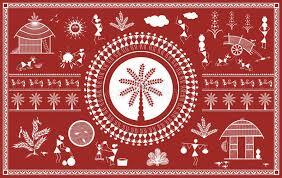
Warli art comes from Maharashtra and is one of the oldest Indian folk art forms. At first glance, it looks very basic—stick figures, circles, triangles—but don’t be fooled by its simplicity.
Warli paintings show daily life: farming, dancing, hunting, weddings, and celebrations. These paintings remind us that art doesn’t always need bright colors or complex designs to be powerful.
This folk art form teaches students an important lesson: Indian folk art forms focus more on expression than perfection. Even simple shapes can carry big ideas.
3. Pattachitra – Stories Painted on Cloth
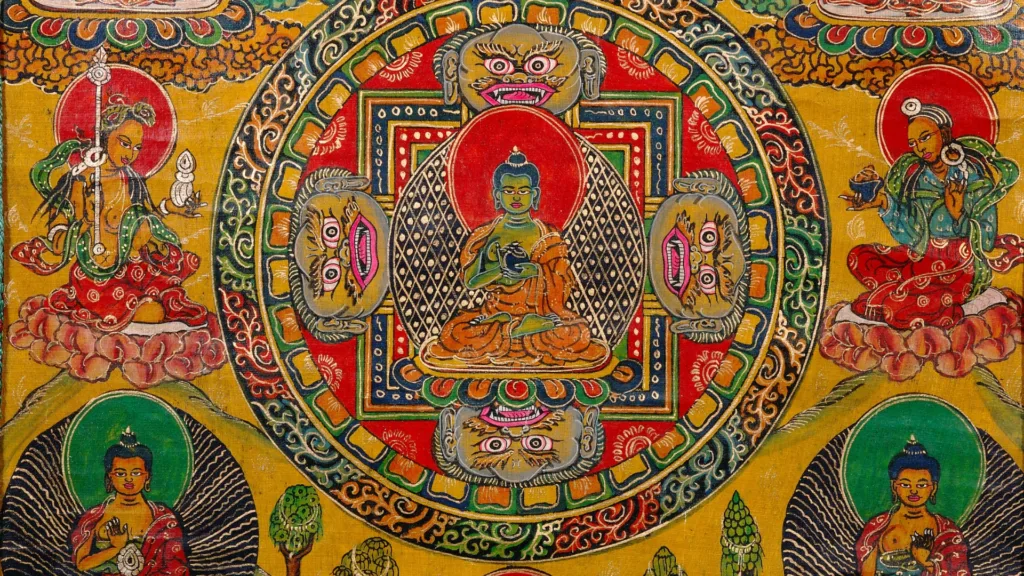
Pattachitra is a traditional painting style from Odisha and West Bengal. The word “patta” means cloth, and “chitra” means picture. Artists use natural colors and fine brushwork to paint detailed scenes from mythology.
Among all Indian folk art forms, Pattachitra stands out for its patience and discipline. Each painting takes days or even weeks to complete. Borders are detailed, figures are expressive, and stories are carefully arranged.
For students, this art shows how dedication and storytelling come together in Indian folk art forms.
4. Gond Art – Nature Through Tribal Eyes
Gond art comes from the Gond tribal community of central India. This is one of the most expressive Indian folk art forms, using dots, lines, and bright colors to show animals, trees, birds, and gods.
In Gond culture, nature is alive. Trees have souls. Animals are sacred. That belief is reflected in their art. Every line has rhythm, and every pattern has meaning.
Gond art helps students see how Indian folk art forms connect humans with nature, reminding us to respect the environment.
5. Kalamkari – Art That Uses the Pen
Kalamkari is a hand-painted or block-printed textile art from Andhra Pradesh and Telangana. “Kalam” means pen, and “kari” means work. Artists use natural dyes and hand-drawn designs to create large story panels.
Among Indian folk art forms, Kalamkari is unique because it mixes art, storytelling, and fabric. These artworks often show scenes from the Ramayana, Mahabharata, or ancient legends.
For students, Kalamkari proves that Indian folk art forms are not limited to paper or walls—they exist in clothing and daily life too.
6. Bhil Art – Dots That Speak
Bhil art belongs to the Bhil tribal community of Madhya Pradesh, Rajasthan, and Gujarat. This style uses dots, bright colors, and symbolic figures to tell stories.
Each dot in Bhil art represents life, energy, and continuity. The paintings often show festivals, animals, and tribal rituals.
This is one of those Indian folk art forms that shows how art can be spiritual without being complex. Students can easily relate to its joyful patterns and positive energy.
7. Phad Painting – Rajasthan’s Moving Stories
Phad painting is a traditional scroll painting from Rajasthan. These long cloth scrolls are used by folk singers who travel from village to village, singing stories of local heroes.
Among Indian folk art forms, Phad is special because it combines painting with performance. The artwork comes alive when stories are sung in front of it.
For students, Phad painting shows that Indian folk art forms were interactive long before digital media existed.
8. Chittara Art – Sacred Geometry of Karnataka
Chittara art comes from Karnataka and is practiced mainly by the Deevaru community. These paintings are usually made on mud-coated walls using natural materials.
Chittara designs include geometric patterns, symbols, and figures linked to festivals and rituals. Every line follows tradition and belief.
This art reminds students that Indian folk art forms often have deep cultural rules and meanings behind their beauty.
9. Kalbelia Art – When Movement Becomes Art
Kalbelia is a folk dance from Rajasthan performed by the Kalbelia community. While it is a performance art, it is still one of the most powerful Indian folk art forms.
The swirling movements, traditional costumes, and music tell stories of community life. The dance reflects freedom, rhythm, and survival.
For students, Kalbelia proves that Indian folk art forms are not only visual—they can be felt through movement and sound.
How Indian Folk Art Forms Shape Cultural Identity
So what ties all these art forms together?
They reflect:
- Community life
- Traditions and rituals
- Beliefs and values
- Relationship with nature
Indian folk art forms were created by people for people. They weren’t made to impress critics but to express life. That’s why they still feel real today.
In a world full of screens and fast trends, these art forms remind students of slower, meaningful creativity.
Why Students Should Learn About Indian Folk Art Forms
You might wonder—how does this help you as a student?
Learning about Indian folk art forms:
- Builds cultural awareness
- Encourages creativity
- Strengthens identity
- Teaches respect for diversity
Even if you don’t become an artist, understanding these art forms makes you more connected to your roots.
Key Takeaway
Indian folk art forms are more than just visual beauty—they are powerful expressions of cultural identity that shape how communities remember their past and live in the present. Art and culture together influence society deeply, much like how broader cultural practices shape human behavior and values. Indian folk art forms reflect beliefs, traditions, and regional stories passed down through generations, while also influencing modern indian art and culture in meaningful ways. Understanding these art forms gives students a clearer picture of how artistic traditions connect identity, history, and social life, helping them appreciate the deeper role art plays in society today.

FAQs:
A. Indian folk art forms are traditional styles of art created by everyday people across India. These art forms include paintings, crafts, dance, and performances that reflect local culture, beliefs, festivals, and daily life. They are passed down through generations and show how different regions express their identity.
A. Folk art forms are important because they keep cultural traditions alive. They tell stories about history, nature, community life, and beliefs. These art forms also help communities celebrate festivals, share values, and support creative expression among young and old alike.
A. Many modern artists take inspiration from folk art forms. Modern Indian art and culture often borrows colors, patterns, motifs, and storytelling ideas from traditional folk arts. This mix helps keep tradition alive while adding new creativity in today’s art world.
A. Absolutely! You don’t need to be a perfect painter or dancer. Simply learning about folk art forms helps you understand culture, history, and creativity. If you enjoy creativity, you can try simple forms like Warli painting or Rangoli designs to get started.