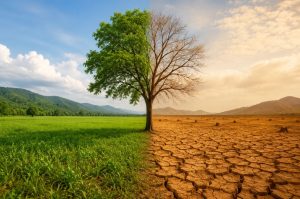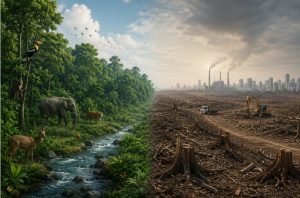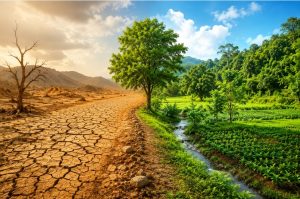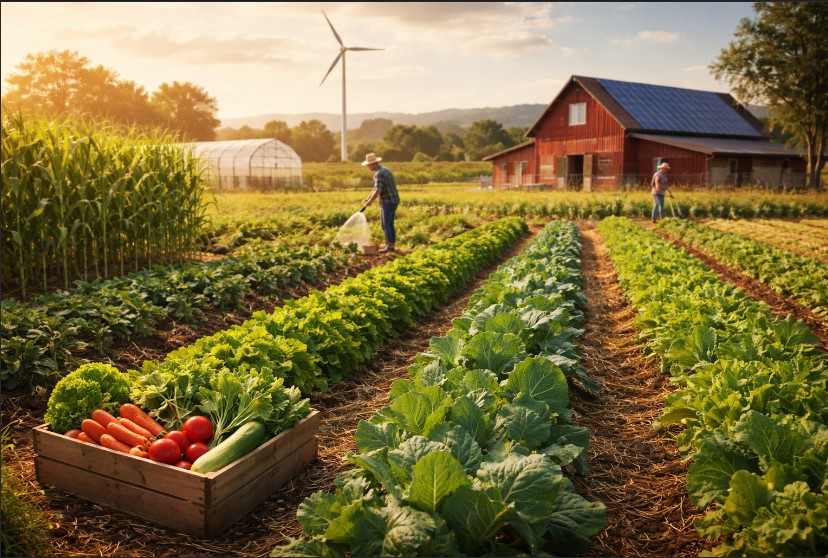
Agriculture has always been the backbone of human civilization. However, modern farming methods focused heavily on high production often place pressure on soil, water, and biodiversity. Over time, repeated cultivation of the same crop on the same land can reduce soil fertility, increase pest attacks, and lower overall productivity. Because of these challenges, farmers and environmental experts are turning back toward sustainable agricultural methods that protect natural resources while maintaining food production.
One of the most effective and time-tested practices in sustainable agriculture is crop rotation. This farming method involves growing different types of crops in a planned sequence on the same piece of land over different seasons or years. Instead of planting the same crop repeatedly, farmers alternate crops to improve soil health, reduce pests, and increase long-term productivity naturally.
Understanding how crop rotation works helps explain why it remains one of the strongest foundations of sustainable farming systems around the world.
Understanding Crop Rotation
Crop rotation is the practice of changing crops grown on a particular field according to a planned cycle. For example, a farmer may grow wheat one season, legumes the next season, and vegetables after that.
This rotation pattern prevents soil exhaustion and helps balance nutrient usage. Different crops have different nutritional requirements and root structures. Therefore, alternating crops allows the soil to recover naturally while improving its fertility.
Legume crops such as peas and beans are especially important because they add nitrogen back into the soil through natural biological processes. On the other hand, cereal crops like wheat and rice consume higher amounts of nutrients. Rotating them creates balance within the farming ecosystem.
Why Sustainable Farming Matters Today
Modern agriculture faces many environmental challenges. Excessive use of chemical fertilizers, pesticides, and monocropping practices has led to declining soil quality and increased ecological damage.
Sustainable farming aims to produce food while preserving natural resources for future generations. It focuses on methods that support environmental health, economic stability, and social well-being.
Crop rotation plays a major role in this system because it reduces dependence on synthetic chemicals and improves natural soil processes.
Sustainable farming also helps farmers adapt to climate changes, water shortages, and increasing production costs. Instead of exhausting the land, it promotes long-term productivity and resilience.
How Crop Rotation Improves Soil Health
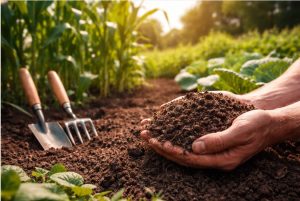
Healthy soil is the foundation of successful farming. Without fertile soil, crop productivity gradually declines.
Continuous cultivation of a single crop often removes the same nutrients repeatedly from the soil. This imbalance weakens soil structure and reduces fertility over time.
Balancing Soil Nutrients
Different crops use nutrients differently. Rotating crops prevents excessive depletion of specific nutrients and supports natural nutrient balance.
Leguminous plants contribute nitrogen naturally, reducing the need for chemical fertilizers.
Improving Soil Structure
Crops have different root systems. Some crops develop deep roots that loosen compact soil, while others spread shallow roots that protect the topsoil.
This diversity improves soil aeration, water movement, and root penetration.
Increasing Organic Matter
Certain crops leave behind plant residues that decompose and enrich the soil with organic matter. Organic matter improves moisture retention and supports beneficial microorganisms.
Reducing Soil Erosion
Crop rotation helps maintain soil cover throughout the year. This protects soil from wind and water erosion, especially during heavy rainfall.
Crop Rotation and Natural Pest Control
One of the biggest problems in farming is pest infestation. When the same crop is grown repeatedly, pests and diseases that target that crop become stronger and spread more easily.
Crop rotation interrupts the life cycle of pests and pathogens.
For example, insects that depend on a specific crop may not survive when a completely different crop is planted the following season. Similarly, soil-borne diseases decline because their preferred host plants are absent.
As a result, farmers can reduce pesticide use while maintaining healthier crops.
This natural pest management approach is both environmentally friendly and cost-effective.
The Relationship Between Crop Rotation and Biodiversity
Biodiversity is essential for maintaining ecological balance in agricultural systems.
Monoculture farming often reduces biodiversity because large areas are dominated by a single crop. This creates weak ecosystems that are more vulnerable to disease outbreaks and environmental stress.
Crop rotation increases biodiversity by introducing different plant species into the farming cycle.
Greater diversity supports beneficial insects, soil microbes, pollinators, and wildlife. These organisms contribute to healthier ecosystems and improved agricultural resilience.
Biodiversity also enhances soil biological activity, which helps break down organic matter and recycle nutrients naturally.
Economic Benefits for Farmers
Sustainable farming methods are not only beneficial for the environment but also economically valuable for farmers.
Crop rotation helps reduce production costs by lowering the need for chemical fertilizers and pesticides.
Healthier soil also improves long-term productivity, leading to more stable yields over time.
Additionally, farmers can diversify income sources by growing multiple crops instead of relying on a single crop market.
This diversification reduces financial risk during market fluctuations or climate-related crop failures.
Common Crop Rotation Systems
Farmers use different rotation systems depending on climate, soil type, and farming goals.
Two-Crop Rotation
This is one of the simplest systems where farmers alternate between two crops, often cereals and legumes.
Three-Crop Rotation
This system includes three different crop categories rotated over multiple seasons for better nutrient balance.
Mixed Crop Rotation
Farmers combine cereals, vegetables, legumes, and cover crops to improve overall farm sustainability.
Cover Crop Rotation
Cover crops are planted mainly to protect and enrich soil rather than for harvesting. They help prevent erosion and improve fertility.
Challenges in Implementing Crop Rotation
Although crop rotation offers many benefits, some farmers face challenges while adopting it.
Market demand often encourages farmers to grow highly profitable crops repeatedly. This can make rotation planning difficult.
Lack of awareness and technical knowledge may also limit adoption, especially in regions dependent on traditional monoculture systems.
In some cases, farmers may require additional equipment or planning to manage multiple crop types effectively.
However, long-term environmental and economic benefits often outweigh these initial difficulties.
Role of Crop Rotation in Climate-Resilient Agriculture
Climate change is creating unpredictable weather patterns, droughts, and flooding that affect agriculture globally.
Crop rotation improves resilience by strengthening soil health and increasing water retention capacity.
Healthy soils absorb water more efficiently during heavy rainfall and retain moisture better during drought conditions.
Diverse cropping systems also reduce the risk of complete crop failure because different crops respond differently to climate stress.
As climate challenges continue to grow, crop rotation is becoming increasingly important in sustainable agricultural planning.
Scientific Principles Behind Crop Rotation
Every crop interacts differently with soil nutrients, microorganisms, and surrounding ecosystems. When the same crop is grown repeatedly, the soil gradually loses balance because identical nutrients are continuously removed.
Crop rotation helps restore equilibrium through natural biological processes.
Different plants have varying root depths and nutrient requirements. Some absorb large amounts of nitrogen, while others contribute nutrients back into the soil. Rotating these crops prevents excessive nutrient depletion and encourages healthier soil activity.
Microorganisms in the soil also respond positively to crop diversity. Beneficial bacteria and fungi thrive in balanced conditions, improving nutrient cycling and supporting plant growth naturally.
Importance of Legumes in Sustainable Farming
Legumes are among the most valuable crops in rotation systems.
Plants such as peas, lentils, soybeans, and beans have a unique relationship with nitrogen-fixing bacteria. These bacteria live in root nodules and convert atmospheric nitrogen into forms plants can use.
This natural nitrogen fixation improves soil fertility without relying heavily on synthetic fertilizers.
After harvesting legumes, remaining plant material continues enriching the soil. Farmers often rotate legumes with nutrient-demanding crops like wheat or maize to maintain productivity naturally.
Legumes also improve soil structure and encourage microbial activity, making them essential in sustainable agriculture.
Role of Cover Crops in Soil Protection
Cover crops are planted mainly to improve and protect soil rather than for direct harvesting.
Farmers often grow cover crops between main cropping seasons to prevent soil erosion and nutrient loss.
Popular cover crops include clover, rye, mustard, and grasses.
These crops create a protective layer over the soil surface, reducing the impact of heavy rainfall and wind erosion. Their roots hold soil particles together and improve water infiltration.
Cover crops also suppress weeds naturally by reducing open space where unwanted plants can grow.
When decomposed, they add organic matter that improves soil fertility and moisture retention.
Best Crop Combinations for Rotation
Successful crop rotation depends on selecting crops that complement each other.
Cereals and Legumes
This is one of the most common combinations because cereals consume nitrogen while legumes replenish it naturally.
Deep-Rooted and Shallow-Rooted Crops
Deep-rooted crops loosen compact soil and bring nutrients upward, while shallow-rooted crops protect topsoil and reduce erosion.
Heavy Feeders and Light Feeders
Some crops require large amounts of nutrients, while others grow with fewer nutrient demands. Rotating them prevents nutrient exhaustion.
Pest-Resistant Rotations
Alternating unrelated crops reduces pest populations and interrupts disease cycles.
Careful planning of these combinations improves both productivity and environmental sustainability.
Crop Rotation and Organic Farming
Organic farming avoids synthetic chemicals and focuses on natural agricultural processes.
Crop rotation is one of the central pillars of organic agriculture because it naturally manages soil fertility, pests, and weeds.
Without rotation, organic farmers would struggle to maintain healthy soil and crop productivity.
Rotating crops helps reduce weed pressure because different plants compete differently with weeds. It also limits disease buildup and supports healthier ecosystems.
Organic farming systems often combine crop rotation with composting, mulching, and biological pest control for better sustainability.
Water Conservation Benefits
Water scarcity has become a serious concern in many agricultural regions.
Crop rotation helps conserve water by improving soil structure and organic matter content.
Healthy soils absorb and store water more effectively. This reduces runoff and increases moisture availability for crops during dry periods.
Some crops also require less water than others. Rotating water-intensive crops with drought-tolerant crops reduces overall water demand.
Cover crops further support water conservation by reducing evaporation and protecting soil from direct sunlight.
As climate change increases water stress worldwide, crop rotation becomes even more valuable for sustainable farming.
Reducing Dependence on Chemical Fertilizers
Modern agriculture often depends heavily on chemical fertilizers to maintain productivity.
However, excessive fertilizer use can damage soil quality, pollute water bodies, and increase farming costs.
Crop rotation naturally improves nutrient balance, reducing the need for synthetic fertilizers.
Legumes contribute nitrogen, while organic residues from various crops improve soil fertility gradually.
This natural nutrient management creates healthier soils and lowers environmental pollution.
Farmers also benefit financially because reduced fertilizer use decreases production expenses over time.
Crop Rotation and Weed Management
Weeds compete with crops for nutrients, sunlight, and water.
Monoculture systems often encourage the spread of specific weeds adapted to one crop environment.
Crop rotation changes growing conditions regularly, making it difficult for weeds to dominate.
Different crops have different planting schedules, growth patterns, and canopy structures. This variation disrupts weed growth cycles naturally.
Some crops also produce dense foliage that shades weeds and reduces their spread.
As a result, farmers can reduce herbicide use while maintaining cleaner fields.
Traditional Knowledge and Modern Science
Many traditional farming communities practiced crop rotation long before modern agricultural science explained its benefits.
Farmers observed that alternating crops improved yields and reduced soil exhaustion naturally.
Today, scientific research confirms these traditional observations through studies on soil biology, nutrient cycles, and ecological balance.
Modern technology now helps farmers design more effective rotation systems based on climate, soil analysis, and crop performance data.
This combination of traditional wisdom and scientific understanding creates stronger and more sustainable agricultural practices.
Global Importance of Sustainable Farming
Sustainable farming is becoming increasingly important as the global population grows and environmental pressures increase.
Agriculture must produce enough food while protecting ecosystems, conserving water, and maintaining soil health.
Crop rotation supports these goals by creating resilient farming systems that balance productivity with environmental responsibility.
Countries around the world are encouraging sustainable farming practices through agricultural policies, education programs, and environmental initiatives.
As awareness continues to grow, crop rotation is expected to play an even larger role in future food systems.
Environmental Benefits of Crop Rotation
One of the biggest advantages of crop rotation is its positive environmental impact.
Repeated cultivation of the same crop often weakens ecosystems and increases soil degradation. Crop rotation helps restore ecological balance by introducing diversity into agricultural fields.
Healthier soils store more carbon, reducing greenhouse gas accumulation in the atmosphere. Increased organic matter also improves soil structure and microbial activity.
Crop rotation further protects nearby rivers and groundwater by reducing dependence on chemical fertilizers and pesticides that can contaminate water systems.
Through these natural processes, sustainable farming contributes to environmental conservation and long-term ecological stability.
Supporting Soil Microorganisms
Soil contains millions of microorganisms that play a major role in plant growth and nutrient cycling.
Continuous monocropping often disrupts microbial diversity because the same plant type repeatedly influences soil conditions.
Crop rotation creates a more balanced environment for beneficial bacteria, fungi, and earthworms.
These organisms break down organic matter, release nutrients, improve soil aeration, and support root health naturally.
Healthy microbial activity also strengthens plant resistance against diseases and environmental stress.
A biologically active soil system is one of the strongest indicators of sustainable agricultural health.
Crop Rotation and Food Security
Food security depends on reliable agricultural production systems that can function under changing environmental conditions.
Crop rotation improves long-term productivity by maintaining healthier soils and reducing crop failure risks.
Diverse farming systems are generally more resilient than monoculture systems because different crops respond differently to pests, diseases, and climate conditions.
This diversity reduces the chances of complete harvest losses during extreme weather or disease outbreaks.
As the global population continues to increase, sustainable farming practices like crop rotation will become essential for ensuring stable food supplies.
Reducing Farming Costs Naturally
Modern agriculture often involves high expenses related to fertilizers, pesticides, herbicides, and soil treatments.
Crop rotation helps lower many of these costs naturally.
Improved soil fertility reduces fertilizer requirements, while natural pest and weed control lowers pesticide and herbicide dependency.
Healthier soils also improve crop productivity over time, reducing the need for expensive corrective treatments.
Although planning rotation systems may require knowledge and management, the long-term economic benefits are significant for farmers.
Crop Rotation in Small and Large Farms
Crop rotation is beneficial for both small-scale and large-scale agricultural systems.
Small farmers often use rotation to maintain soil fertility naturally and reduce input costs. Traditional farming communities have relied on these methods for generations because they support stable harvests without excessive chemical dependence.
Large commercial farms also increasingly adopt crop rotation to improve sustainability and comply with environmental regulations.
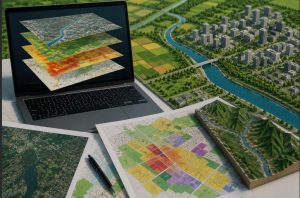
Modern agricultural technology allows large farms to manage complex rotation systems efficiently using soil analysis, satellite monitoring, and precision farming tools.
Regardless of farm size, crop rotation supports healthier and more sustainable production systems.
Importance of Farmer Education
Successful crop rotation requires proper planning and understanding of crop relationships.
Farmers need knowledge about soil conditions, nutrient requirements, seasonal timing, and local climate patterns.
Agricultural education programs and extension services play an important role in helping farmers adopt sustainable methods effectively.
Training programs can guide farmers on selecting suitable crop combinations, managing soil health, and reducing environmental impact.
As awareness increases, more farmers are recognizing the long-term value of sustainable farming practices.
Challenges Facing Sustainable Agriculture
Despite its benefits, sustainable farming still faces several obstacles.
Many farmers experience pressure to maximize short-term profits through monoculture systems and intensive chemical use.
Market demand for certain crops can discourage diversification and rotation planning.
Climate change also creates unpredictable growing conditions that complicate agricultural management.
In some regions, limited access to education, financial support, or modern agricultural tools slows the adoption of sustainable practices.
However, increasing environmental awareness and policy support are encouraging gradual change toward more balanced farming systems.
Future of Crop Rotation and Sustainable Farming
The future of agriculture depends heavily on sustainability.
As natural resources become increasingly stressed, farming systems must adapt to protect soil, water, and biodiversity while meeting growing food demands.
Crop rotation offers a practical solution because it combines environmental protection with long-term productivity.
New agricultural technologies are helping farmers design more efficient rotation systems based on data analysis and climate forecasting.
Research in soil science and regenerative agriculture continues to highlight the importance of crop diversity and ecological balance.
Governments, researchers, and environmental organizations worldwide are promoting sustainable farming as a key strategy for future food security.
Building a Sustainable Agricultural System
A sustainable agricultural system is built on balance rather than exploitation.
Crop rotation supports this balance by maintaining healthy soils, encouraging biodiversity, conserving water, and reducing chemical dependency.
When combined with practices like composting, organic farming, conservation tillage, and water management, crop rotation creates stronger agricultural ecosystems.
These systems not only protect the environment but also support farmer livelihoods and long-term food production.
Sustainable agriculture is ultimately about creating harmony between human needs and natural ecosystems.
Final Thoughts
Crop rotation remains one of the most effective and reliable methods in sustainable farming because it works with natural biological processes rather than against them.
By improving soil fertility, reducing pests naturally, conserving water, and supporting biodiversity, crop rotation strengthens agricultural systems for the future.
In a world facing climate change, environmental degradation, and increasing food demand, sustainable farming practices are no longer optional—they are essential.
Farmers, consumers, researchers, and policymakers all play a role in supporting agricultural methods that protect both productivity and the planet.
Through consistent adoption of sustainable practices like crop rotation, agriculture can continue to feed growing populations while preserving natural resources for future generations.
FAQs:
Crop rotation is the practice of growing different crops on the same land in a planned sequence over different seasons. It helps maintain soil fertility and reduces pest problems naturally.
Crop rotation improves soil health, conserves water, reduces chemical dependency, and supports biodiversity. These benefits make farming more environmentally friendly and sustainable.
Different crops use and restore different nutrients. Legume crops, for example, add nitrogen back into the soil, helping maintain nutrient balance naturally.
Yes, rotating crops interrupts the life cycles of pests and diseases. This reduces their spread and lowers the need for chemical pesticides.
Cover crops are plants grown mainly to protect and enrich soil rather than for harvesting. They help prevent erosion, improve moisture retention, and increase organic matter.
Yes, crop rotation benefits both small and large farms. Small farmers can reduce fertilizer and pesticide costs while improving long-term productivity naturally.