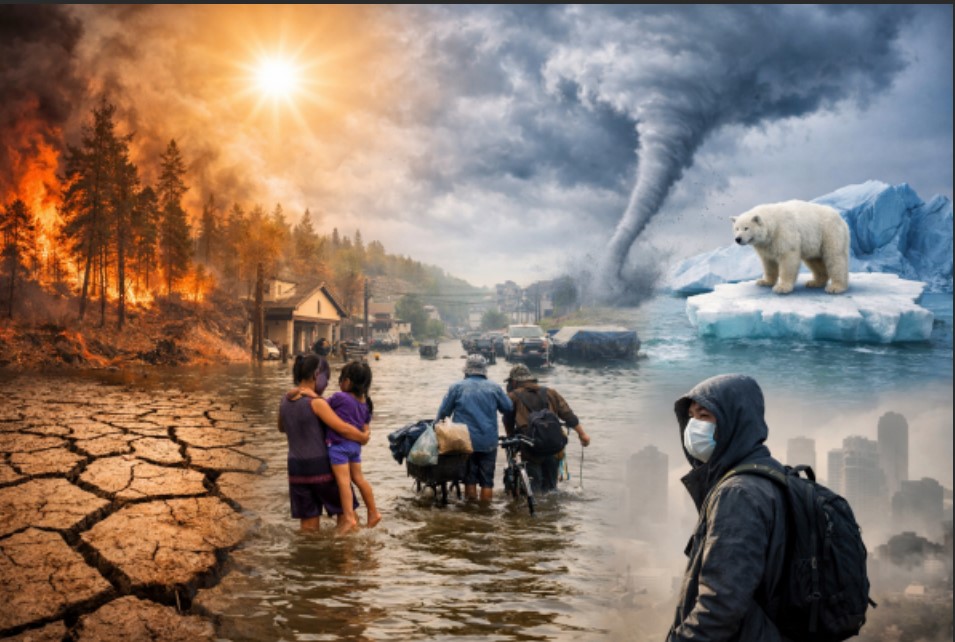
Global warming is rapidly transforming the environment, economies, and human lifestyles across the world. Rising temperatures, changing weather patterns, melting glaciers, and increasing natural disasters are creating serious challenges for future generations. As climate change continues to affect ecosystems and societies, understanding its long-term impact becomes more important than ever.
What Is Global Warming and Why Is It Increasing?
Global warming refers to the gradual rise in Earth’s average temperature caused mainly by greenhouse gas emissions. Human activities such as burning fossil fuels, industrial production, and deforestation release gases like carbon dioxide and methane into the atmosphere. These gases trap heat and increase global temperatures.
Scientists have observed steady warming over the last century. Moreover, climate experts predict that temperatures may continue rising if emissions are not controlled. Even small temperature increases can create major environmental disruptions in the future.
Global warming also contributes to climate change, which includes sea-level rise, extreme weather events, and changing rainfall patterns.
Major Causes of Global Warming in the Modern World
Burning Fossil Fuels and Carbon Emissions
Coal, oil, and natural gas remain the primary energy sources worldwide. However, burning these fuels releases massive amounts of carbon dioxide into the atmosphere.
Vehicles, factories, transportation systems, and power plants depend heavily on fossil fuels. Consequently, greenhouse gas emissions continue increasing rapidly.
Deforestation and Loss of Forest Cover
Forests absorb carbon dioxide and help maintain climate balance. However, deforestation reduces the Earth’s natural ability to regulate greenhouse gases.
Large forest areas are cleared for agriculture, urban development, and industrial activities. As a result, environmental stability weakens while carbon emissions increase.
Industrial Pollution and Manufacturing Activities
Industries release harmful gases through production processes and energy consumption. Cement production, chemical industries, and manufacturing sectors contribute heavily to global warming.
Rapid industrialization has increased environmental pressure in both developed and developing countries.
Agricultural Emissions and Unsustainable Farming
Agriculture produces methane from livestock and nitrous oxide from fertilizers. Modern farming practices also involve machinery and land clearing that increase emissions.
Although agriculture is essential for food production, sustainable farming methods are necessary to reduce environmental damage.
Growing Waste and Environmental Pollution
Increasing populations generate enormous amounts of waste every year. Landfills release methane gas as organic waste decomposes.
Plastic pollution and open waste burning further contribute to environmental degradation and climate-related problems.
Future Impact of Rising Global Temperatures
Rising temperatures are among the most serious consequences of global warming. Scientists warn that future warming could create severe environmental, economic, and social challenges worldwide.
Higher temperatures affect agriculture, water resources, biodiversity, and public health. Furthermore, extreme heat events are becoming more frequent and intense.
Urban areas may face stronger heatwaves because of concrete structures, pollution, and limited green spaces.
Hot climates can also reduce productivity and create health risks for vulnerable populations.
How Global Warming Is Changing Weather Patterns
Increasing Heatwaves Across the World
Heatwaves are becoming more common in many countries. Extremely high temperatures can cause dehydration, heatstroke, and serious health complications.
Children, elderly individuals, and outdoor workers are especially vulnerable during prolonged heat events.
Increased use of air conditioning during heatwaves also places pressure on electricity systems.
Heavy Rainfall and Flooding Risks
Global warming affects rainfall distribution worldwide. Some regions experience excessive rainfall and flooding, while others face severe droughts.
Floods can damage homes, infrastructure, crops, and transportation systems. Additionally, contaminated floodwater may increase disease outbreaks.
Unpredictable rainfall patterns also create challenges for agriculture and water management.
Stronger Hurricanes and Tropical Storms
Warmer ocean temperatures provide more energy for storms and hurricanes. Consequently, future storms may become stronger and more destructive.
Coastal communities face increasing risks from flooding, erosion, and storm surges. Economic losses caused by extreme weather events may continue rising.
Future Drought Conditions and Water Scarcity
Several regions may experience longer dry seasons and reduced rainfall due to climate change.
Droughts affect drinking water supplies, agriculture, and hydroelectric power generation. Farmers may struggle to maintain crop production during severe water shortages.
Dry conditions also increase wildfire risks and soil degradation.
Melting Glaciers and Rising Sea Levels in the Future
Glaciers and polar ice caps are melting rapidly because of rising temperatures.
Melting ice directly contributes to rising sea levels. Additionally, warmer ocean water expands and further increases sea-level rise.
Future sea-level increases may threaten coastal cities, island nations, and low-lying communities worldwide.
Millions of people could face displacement due to flooding and land erosion. Saltwater intrusion may also damage freshwater supplies and agricultural land.
Ports, tourism industries, transportation systems, and coastal infrastructure are expected to face growing environmental risks.
Future Effects of Global Warming on Oceans and Marine Life
Ocean Warming and Marine Ecosystem Changes
The oceans absorb much of the excess heat caused by global warming. However, warmer oceans affect fish migration and marine ecosystems.
Some fish species may move toward cooler waters, affecting fisheries and coastal economies.
Coral reefs are especially vulnerable to rising ocean temperatures. Coral bleaching events are becoming increasingly common.
Ocean Acidification and Environmental Damage
The oceans absorb carbon dioxide from the atmosphere, increasing water acidity levels.
Ocean acidification affects shell-forming organisms such as oysters, corals, and plankton species. Since marine food chains depend on these organisms, entire ecosystems may face disruption.
Decline in Marine Biodiversity Worldwide
Global warming, pollution, and overfishing are placing heavy stress on marine biodiversity.
Many species may struggle to survive in changing ocean conditions. Loss of marine biodiversity can affect food security, tourism, and fishing industries globally.
Impact of Climate Change on Biodiversity and Wildlife
Climate change threatens ecosystems across forests, mountains, oceans, and polar regions.
Many species depend on stable environmental conditions for survival. However, rising temperatures and habitat destruction are forcing wildlife to migrate or adapt quickly.
Polar animals are losing ice habitats, while tropical species face increasing heat stress.
Bird migration patterns and breeding cycles are also changing because of climate shifts.
Additionally, climate change increases the spread of invasive species and pests that damage crops and ecosystems.
Protecting biodiversity is important because ecosystems support food production, clean water, medicine, and environmental balance.
Human Health Risks Caused by Global Warming
Heat-Related Diseases and Health Problems
Rising temperatures increase the risk of heat exhaustion, dehydration, and heatstroke.
People living in densely populated urban areas may face greater health challenges during extreme heat conditions.
Spread of Mosquito-Borne Diseases
Warmer climates may expand mosquito habitats into new regions.
Diseases such as malaria and dengue fever could spread more widely as environmental conditions become favorable for insects.
Air Pollution and Respiratory Disorders
Wildfires, industrial pollution, and heat-related atmospheric reactions may worsen air quality.
Poor air quality contributes to respiratory illnesses, allergies, and cardiovascular diseases.
Food and Water Security Challenges
Climate-related droughts, floods, and crop failures may increase food shortages in vulnerable regions.
Reduced freshwater availability may also create drinking water problems and increase waterborne diseases.
Future Impact of Global Warming on Agriculture
Agriculture is one of the sectors most vulnerable to climate change. Rising temperatures, changing rainfall patterns, droughts, and floods directly affect crop production and food security.
Farmers rely heavily on stable weather conditions for successful cultivation. However, unpredictable climate patterns are making farming increasingly difficult in many regions.
Declining Crop Productivity
Extreme heat can reduce crop yields by affecting plant growth and soil moisture. Crops such as wheat, rice, and maize are highly sensitive to temperature increases.
Longer heatwaves may damage crops before harvest, resulting in financial losses for farmers and food shortages for communities.
Water Scarcity and Irrigation Problems
Climate change is affecting freshwater availability worldwide. Reduced rainfall and increasing droughts may create irrigation challenges for agricultural regions.
Without adequate water supplies, crop production may decline significantly in the future.
Increased Pest and Disease Attacks
Warmer temperatures create favorable conditions for insects, pests, and crop diseases.
Farmers may face greater difficulties controlling agricultural pests, leading to higher production costs and reduced harvest quality.
Threats to Livestock Farming
Extreme heat and water shortages also affect livestock health and productivity.
Animals exposed to prolonged heat stress may experience lower milk production, reduced fertility, and higher disease risks.
Global Warming and Future Water Crisis
Freshwater resources are becoming increasingly threatened due to climate change.
Rising temperatures increase evaporation rates, while changing rainfall patterns affect rivers, lakes, and groundwater supplies.
Declining Freshwater Availability
Many regions may experience severe freshwater shortages in the future.
Population growth combined with climate change could increase competition for water resources among agriculture, industries, and households.
Melting Glaciers and Water Supply Risks
Mountain glaciers provide freshwater for millions of people worldwide. However, rapid glacier melting may disrupt long-term water availability.
Initially, melting glaciers may increase river flows. Over time, reduced glacier mass could create serious water shortages.
Flooding and Water Contamination
Heavy rainfall and floods may contaminate drinking water supplies with pollutants and harmful bacteria.
Flood-related water contamination increases the risk of disease outbreaks and public health emergencies.
Economic Impact of Climate Change in the Future
Global warming may create major economic disruptions across industries and countries.
Natural disasters, infrastructure damage, agricultural losses, and health-related costs could place heavy financial pressure on governments and businesses.
Damage to Infrastructure
Floods, storms, and rising sea levels may damage roads, bridges, railways, airports, and buildings.
Repairing and rebuilding infrastructure after climate disasters requires enormous financial resources.
Rising Disaster Recovery Costs
Governments may spend increasing amounts on disaster relief, emergency response, and rebuilding efforts.
Frequent climate disasters could slow economic growth and increase public debt in many countries.
Impact on Tourism Industries
Tourism industries may suffer due to environmental degradation and extreme weather events.
Coastal tourism areas face risks from sea-level rise and stronger storms, while mountain tourism may decline because of melting snow and glaciers.
Reduced Workforce Productivity
Extreme heat can lower productivity, especially for outdoor workers in construction, agriculture, and transportation sectors.
Higher temperatures may also increase health-related absences and workplace risks.
Impact of Global Warming on Cities and Urban Areas
Urban areas are highly vulnerable to climate change because of dense populations and infrastructure pressure.
Cities already experience heat island effects caused by concrete buildings, pollution, and limited vegetation.
Urban Heat Island Effect
Cities tend to absorb and retain more heat than rural areas.
As temperatures continue rising, urban populations may face severe heat stress and higher energy consumption for cooling systems.
Flooding in Urban Regions
Heavy rainfall combined with poor drainage systems can increase urban flooding.
Floodwater can damage homes, transportation systems, and public utilities while disrupting daily life.
Pressure on Energy Systems
Hotter temperatures increase electricity demand due to air conditioning use.
Power shortages and energy system failures may become more common during extreme heat events.
Housing and Climate Migration Challenges
Sea-level rise and environmental disasters may force millions of people to relocate from vulnerable areas.
Rapid migration toward cities could create housing shortages and increase pressure on urban services.
Future Impact of Climate Change on Human Health
Global warming is expected to create significant public health challenges worldwide.
Climate-related diseases, heat stress, pollution, and food insecurity may increase health risks for millions of people.
Increase in Heat-Related Deaths
Prolonged heatwaves can cause severe dehydration, heatstroke, and cardiovascular complications.
Elderly individuals and people with existing health conditions are particularly vulnerable.
Spread of Infectious Diseases
Warmer climates may expand the geographic range of mosquitoes and disease-carrying insects.
Diseases such as dengue fever, malaria, and chikungunya may spread into previously unaffected regions.
Mental Health Effects of Climate Change
Climate disasters, displacement, and environmental uncertainty may increase stress, anxiety, and mental health disorders.
Communities affected by repeated natural disasters often experience long-term psychological impacts.
Malnutrition and Food Insecurity
Crop failures and rising food prices may increase hunger and malnutrition in vulnerable populations.
Children are especially at risk because poor nutrition affects physical and cognitive development.
Global Warming and Environmental Refugees
Climate change may force millions of people to leave their homes because of floods, droughts, storms, and sea-level rise.
These displaced populations are often called environmental or climate refugees.
Coastal Displacement Risks
Rising sea levels threaten coastal communities and low-lying island nations.
People living in flood-prone regions may face repeated displacement and property loss.
Migration Due to Drought and Water Scarcity
Severe droughts may force rural populations to migrate in search of water, food, and employment opportunities.
Large-scale migration can increase social and economic pressure in receiving regions.
Conflict Over Natural Resources
Competition for limited resources such as water and agricultural land may increase tensions between communities and countries.
Climate-related resource shortages could contribute to political instability and conflict in vulnerable regions.
Future Threats to Forests and Natural Ecosystems
Forests and ecosystems play an essential role in maintaining climate balance and biodiversity.
However, global warming is increasing environmental pressure on natural habitats worldwide.
Increasing Forest Fires
Hot and dry conditions contribute to larger and more frequent wildfires.
Forest fires destroy wildlife habitats, release carbon dioxide, and reduce air quality.
Loss of Biodiversity
Many species may struggle to adapt to rapid environmental changes.
Habitat destruction and rising temperatures increase the risk of species extinction.
Changes in Ecosystem Balance
Climate change can alter food chains, migration patterns, and breeding cycles.
Disruptions in ecosystems may affect agriculture, fisheries, and environmental stability.
Importance of Climate Change Adaptation
As global warming continues, adaptation strategies are becoming increasingly important.
Countries, industries, and communities must prepare for future climate challenges through sustainable planning and environmental protection.
Building Climate-Resilient Infrastructure
Infrastructure should be designed to withstand floods, storms, and extreme temperatures.
Climate-resilient construction can reduce disaster damage and improve long-term sustainability.
Sustainable Water Management
Efficient water conservation and management systems are necessary to address future water shortages.
Rainwater harvesting, wastewater recycling, and efficient irrigation methods can support sustainability.
Climate-Smart Agriculture
Farmers can adopt climate-smart farming methods to improve productivity while reducing environmental impact.
Sustainable farming practices help protect soil, conserve water, and reduce greenhouse gas emissions.
Public Awareness and Environmental Education
Educating communities about climate change can encourage sustainable lifestyles and environmental responsibility.
Public participation plays an important role in reducing pollution and protecting natural resources.
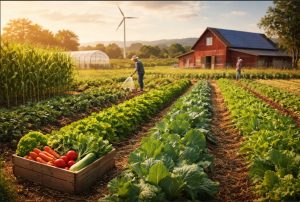
Role of Renewable Energy in Reducing Global Warming
Renewable energy is one of the most effective solutions for reducing greenhouse gas emissions.
Unlike fossil fuels, renewable energy sources generate power without releasing large amounts of carbon dioxide into the atmosphere.
Solar Energy and Sustainable Power
Solar energy is becoming increasingly popular because it is clean, renewable, and widely available.
Renewable energy systems help reduce dependence on coal and oil while lowering electricity costs in the long term.
Many countries are investing heavily in solar infrastructure to support climate goals and energy security.
Wind Energy and Green Development
Clean renewable resources also help reduce environmental pollution and support sustainable energy development.
Wind farms produce electricity without burning fossil fuels, making them environmentally friendly alternatives for power generation.
Advancements in wind technology are improving energy efficiency and reducing production costs.
Hydropower and Alternative Energy Sources
Hydropower, geothermal energy, and bioenergy also contribute to cleaner energy production.
However, careful environmental planning is necessary because some renewable projects may still affect ecosystems and local communities.
Importance of Sustainable Development in the Future
Sustainable development focuses on meeting present needs without harming the ability of future generations to meet their own needs.
Climate change has increased the importance of balancing economic growth with environmental protection.
Sustainable Urban Planning
Future cities must include green spaces, efficient public transportation, and climate-resilient infrastructure.
Urban planning strategies can reduce pollution, improve air quality, and lower energy consumption.
Green buildings and smart city technologies may play a major role in future sustainability efforts.
Eco-Friendly Transportation Systems
Transportation is a major source of greenhouse gas emissions worldwide.
Electric vehicles, public transportation, cycling infrastructure, and clean fuel technologies can reduce environmental pollution significantly.
Governments are increasingly promoting cleaner transportation systems to reduce carbon emissions.
Waste Reduction and Recycling
Efficient waste management systems help reduce pollution and greenhouse gas emissions.
Recycling, composting, and reducing single-use plastics are important steps toward environmental sustainability.
Public awareness campaigns can encourage responsible waste disposal and eco-friendly habits.
Future Impact of Global Warming on Food Security
Food security remains one of the biggest concerns linked to climate change.
Rising temperatures, water shortages, and extreme weather events may reduce global agricultural productivity.
Rising Food Prices
Climate-related crop failures may reduce food supply and increase prices worldwide.
Poor and vulnerable populations may struggle to access nutritious food because of increasing costs.
Fisheries and Seafood Production Challenges
Ocean warming and acidification are affecting fish populations and marine ecosystems.
Fishing communities may face economic losses due to declining seafood production and changing fish migration patterns.
Threats to Global Supply Chains
Climate disasters can disrupt transportation, storage, and distribution systems for food supplies.
Floods, storms, and droughts may create delays and shortages in agricultural markets.
International Cooperation Against Climate Change
Global warming is a worldwide problem that requires international cooperation.
No single country can fully address climate change alone because greenhouse gas emissions affect the entire planet.
Global Climate Agreements
International agreements encourage countries to reduce emissions and invest in sustainable development.
Many nations are setting climate targets to reduce dependence on fossil fuels and increase renewable energy use.
Technology Sharing and Innovation
Developed and developing countries can work together to share climate-friendly technologies and environmental solutions.
Innovation in clean energy, water conservation, and sustainable agriculture can support global climate action.
Financial Support for Vulnerable Nations
Developing countries often face the greatest climate risks despite contributing fewer emissions historically.
Financial and technical support can help vulnerable nations improve climate adaptation and disaster preparedness.
Role of Technology in Combating Global Warming
Technology is playing an increasingly important role in climate change mitigation and adaptation.
Scientific advancements can improve energy efficiency, environmental monitoring, and sustainable resource management.
Artificial Intelligence and Climate Monitoring
Artificial intelligence helps scientists analyze climate patterns and predict environmental risks.
Advanced monitoring systems can improve disaster preparedness and environmental planning.
Carbon Capture and Storage Technologies
Carbon capture technologies aim to remove carbon dioxide from industrial emissions before it enters the atmosphere.
Although still developing, these technologies may help reduce future greenhouse gas concentrations.
Smart Agriculture and Precision Farming
Modern agricultural technologies can improve productivity while reducing environmental impact.
Precision farming uses sensors, data analysis, and efficient irrigation systems to conserve water and reduce waste.
Individual Actions to Reduce Global Warming
Every individual can contribute to climate protection through responsible lifestyle choices.
Small actions taken collectively can create significant environmental benefits over time.
Saving Energy at Home
Using energy-efficient appliances, reducing electricity waste, and switching to renewable energy sources can lower carbon footprints.
Simple habits such as turning off unused lights and conserving water also support sustainability.
Reducing Plastic Consumption
Avoiding single-use plastics and choosing reusable products can reduce environmental pollution.
Plastic waste harms ecosystems, oceans, and wildlife across the world.
Supporting Sustainable Products
Consumers can encourage environmental responsibility by choosing eco-friendly and sustainable products.
Businesses are more likely to adopt green practices when demand for sustainable goods increases.
Planting Trees and Protecting Nature
Tree plantation programs help absorb carbon dioxide and improve environmental quality.
Protecting forests and biodiversity is essential for maintaining climate balance.
Future Challenges if Global Warming Continues
If greenhouse gas emissions continue rising, the future consequences of global warming may become more severe and difficult to manage.
Extreme Weather Becoming More Frequent
Heatwaves, floods, hurricanes, and droughts may occur more often and with greater intensity.
Climate disasters could create long-term economic and social disruptions worldwide.
Increasing Pressure on Natural Resources
Water, food, forests, and energy resources may face growing pressure due to population growth and climate change.
Resource shortages could affect economic stability and quality of life.
Threats to Human Survival and Development
Severe climate impacts may increase poverty, migration, and health risks in many regions.
Future generations could face environmental conditions far more challenging than those experienced today.
Hope for a Sustainable Future
Despite the serious risks associated with global warming, positive changes are happening worldwide.
Governments, environmental organizations, scientists, and communities are increasingly focusing on sustainability and climate action.
Renewable energy investments, environmental education, conservation programs, and technological innovations are helping reduce climate risks.
Young people are also playing an important role in raising awareness and supporting environmental protection efforts.
With collective action, sustainable policies, and responsible lifestyles, humanity can reduce the future impact of global warming and create a healthier planet for future generations.
Conclusion
The future impact of global warming in a changing world will influence every aspect of life, including agriculture, water resources, health, biodiversity, economies, and human settlements.
Rising temperatures and environmental changes are already creating serious global challenges. Without effective climate action, future risks may become even more severe.
However, renewable energy, sustainable development, technological innovation, and international cooperation offer hope for reducing environmental damage.
Individuals, industries, and governments all share responsibility for protecting the planet. By adopting sustainable practices and supporting climate solutions, societies can work toward a safer, cleaner, and more sustainable future for generations to come.
FAQs:
Global warming is the gradual increase in Earth’s average temperature caused mainly by greenhouse gas emissions from human activities such as burning fossil fuels and deforestation.
The major causes include fossil fuel burning, industrial pollution, deforestation, agricultural emissions, and improper waste management.
Global warming increases the frequency of heatwaves, floods, storms, droughts, and other extreme weather events by disturbing natural climate systems.
Rising global temperatures cause glaciers and polar ice caps to melt faster, leading to sea-level rise and environmental imbalance.
Global warming can increase heat-related illnesses, respiratory diseases, waterborne diseases, and the spread of mosquito-borne infections like dengue and malaria.