Introduction
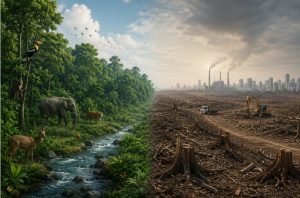
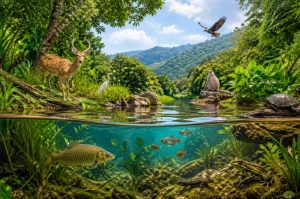
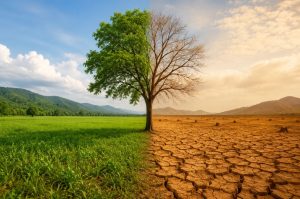
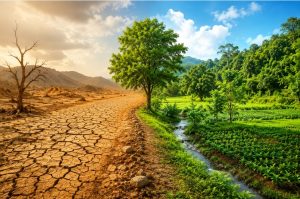
Biodiversity refers to the variety of life on Earth, including plants, animals, microorganisms, and the ecosystems they form. It is essential for maintaining ecological balance, supporting human survival, and ensuring the sustainability of natural resources. However, biodiversity is under constant threat due to human activities such as deforestation, pollution, climate change, and overexploitation of natural resources.
To address these challenges, conservation efforts have become a global priority. Governments, organizations, scientists, and communities are working together to protect and restore ecosystems. This blog explores the most effective conservation efforts that play a crucial role in safeguarding biodiversity.
Understanding the Importance of Biodiversity Conservation
Biodiversity is not just about protecting wildlife; it directly impacts human well-being. Healthy ecosystems provide clean air, fresh water, fertile soil, and pollination of crops. They also help regulate climate and prevent natural disasters.
Key Benefits of Biodiversity
- Maintains ecological balance
- Supports food security and agriculture
- Provides medicinal resources
- Enhances climate stability
- Promotes cultural and recreational value
When biodiversity declines, ecosystems become unstable, leading to consequences such as food shortages, increased diseases, and environmental degradation.
Major Threats to Biodiversity
Before exploring conservation efforts, it is important to understand the key threats:
Habitat Destruction
Urbanization, agriculture, and industrial expansion lead to loss of natural habitats.
Climate Change
Rising temperatures and changing weather patterns affect species survival.
Pollution
Air, water, and soil pollution harm ecosystems and wildlife.
Overexploitation
Excessive hunting, fishing, and resource extraction reduce species populations.
Invasive Species
Non-native species disrupt ecosystems and threaten native biodiversity.
Conservation Efforts to Protect Biodiversity
Establishment of Protected Areas
Protected areas are one of the most effective ways to conserve biodiversity. These include national parks, wildlife sanctuaries, biosphere reserves, and marine protected areas.
Benefits of Protected Areas
- Safeguard natural habitats
- Protect endangered species
- Promote ecological research
- Encourage eco-tourism
Governments across the world have designated protected regions to preserve ecosystems and wildlife.
Wildlife Conservation Programs
Wildlife conservation focuses on protecting endangered and vulnerable species through targeted initiatives.
Key Strategies
- Breeding programs in captivity
- Anti-poaching laws and enforcement
- Habitat restoration
- Monitoring species populations
These programs help prevent extinction and support population recovery.
Habitat Restoration
Habitat restoration involves repairing ecosystems that have been damaged or destroyed.
Common Restoration Activities
- Reforestation and afforestation
- Wetland restoration
- Soil conservation
- Removal of invasive species
Restoring habitats ensures that species can thrive in their natural environments.
Sustainable Resource Management
Using natural resources responsibly is essential for long-term biodiversity conservation.
Examples
- Sustainable agriculture practices
- Responsible fishing methods
- Forest management
- Water conservation techniques
This approach balances human needs with environmental protection.
Conservation Laws and Policies
Governments play a vital role by implementing laws and policies that protect biodiversity.
Important Measures
- Bans on illegal wildlife trade
- Environmental protection acts
- Climate policies
- Land-use regulations
Strong legal frameworks help ensure that conservation efforts are enforced effectively.
Role of Local Communities in Conservation
Local communities are key stakeholders in biodiversity conservation. Their involvement ensures sustainable and long-lasting results.
Community-Based Conservation
- Encourages local participation
- Provides alternative livelihoods
- Promotes traditional knowledge
- Reduces human-wildlife conflict
When communities benefit from conservation, they are more likely to protect natural resources.
Importance of Education and Awareness
Education plays a critical role in promoting biodiversity conservation.
Awareness Initiatives
- Environmental education in schools
- Public campaigns
- Workshops and seminars
- Social media awareness
Informed individuals make better decisions that support conservation efforts.
Use of Technology in Biodiversity Conservation
Modern technology has enhanced conservation efforts significantly.
Technological Tools
- Satellite monitoring
- Geographic Information Systems (GIS)
- Drones for wildlife tracking
- DNA analysis for species identification
These tools help scientists and conservationists monitor ecosystems and take timely action.
Challenges in Conservation Efforts
Despite progress, several challenges remain:
- Lack of funding
- Weak enforcement of laws
- Climate change impacts
- Conflicts between development and conservation
- Limited public awareness
Addressing these challenges is essential for effective biodiversity protection.
Global Conservation Initiatives
Efforts to protect biodiversity extend beyond national boundaries. Many ecosystems, such as oceans, forests, and migratory species habitats, require international cooperation. Global initiatives bring countries together to address environmental challenges collectively.
One of the most important agreements is the Convention on Biological Diversity, which focuses on conserving biological diversity, promoting sustainable use, and ensuring fair sharing of genetic resources. Countries that are part of this agreement commit to national biodiversity strategies and conservation targets.
Another major effort is the United Nations Environment Programme, which supports environmental activities worldwide and helps countries implement sustainable practices.
Global goals such as the Sustainable Development Goals also emphasize biodiversity conservation, especially goals related to climate action, life below water, and life on land.
Role of International Organizations
Several international organizations play a vital role in protecting biodiversity by funding projects, conducting research, and influencing policies.
The World Wildlife Fund works on wildlife conservation, climate change mitigation, and habitat protection across multiple countries. Its programs focus on endangered species and critical ecosystems.
The International Union for Conservation of Nature is known for its Red List, which assesses the conservation status of species worldwide. This database helps policymakers and scientists prioritize conservation efforts.
Another important organization is the UNESCO, which manages World Heritage Sites and biosphere reserves that protect unique ecosystems.
Innovative Conservation Strategies
Conservation is evolving with new and creative approaches that combine science, technology, and community participation.
Ecosystem-Based Conservation
This approach focuses on protecting entire ecosystems rather than individual species. By maintaining ecosystem health, multiple species can thrive together.
Climate-Smart Conservation
Climate change is a major threat to biodiversity. Climate-smart strategies aim to make ecosystems more resilient by:
- Protecting carbon-rich habitats like forests and wetlands
- Promoting sustainable land use
- Reducing greenhouse gas emissions
Rewilding Projects
Rewilding involves restoring natural processes and reintroducing species into their native habitats. This helps rebuild ecosystems and improve biodiversity.
Conservation Through Sustainable Development
Balancing development with environmental protection is essential for long-term biodiversity conservation.
Green Infrastructure
Green infrastructure includes eco-friendly urban planning practices such as:
- Green roofs and urban forests
- Rainwater harvesting systems
- Sustainable drainage systems
These solutions reduce environmental impact while supporting biodiversity in urban areas.
Eco-Tourism
Eco-tourism promotes responsible travel that benefits local communities and conserves the environment. It encourages:
- Wildlife protection
- Cultural preservation
- Sustainable income generation
When managed properly, eco-tourism creates economic incentives for conservation.
Role of Indigenous Knowledge
Indigenous communities have lived in harmony with nature for centuries. Their traditional knowledge plays a crucial role in biodiversity conservation.
Contributions of Indigenous Communities
- Sustainable land management practices
- Conservation of medicinal plants
- Protection of sacred natural sites
- Knowledge of local ecosystems
Recognizing and respecting indigenous knowledge improves conservation outcomes and ensures cultural preservation.
Marine Biodiversity Conservation
Oceans cover a large portion of the Earth and are home to diverse ecosystems. Protecting marine biodiversity is critical for global ecological balance.
Key Conservation Measures
- Establishment of marine protected areas
- Regulation of fishing practices
- Reduction of plastic pollution
- Coral reef restoration
Organizations and governments are increasingly focusing on ocean conservation to protect marine life.
Corporate Responsibility in Conservation
Businesses also have a role to play in protecting biodiversity. Sustainable business practices can reduce environmental impact and promote conservation.
Corporate Initiatives
- Reducing carbon footprint
- Using sustainable raw materials
- Supporting conservation projects
- Adopting eco-friendly production methods
Many companies now include environmental responsibility as part of their core strategies.
Citizen Participation in Biodiversity Protection
Individuals can make a significant difference through small but impactful actions.
Ways Individuals Can Help
- Reducing waste and plastic use
- Supporting sustainable products
- Participating in tree plantation drives
- Spreading awareness about conservation
Public participation strengthens conservation efforts and creates a culture of environmental responsibility.
Monitoring and Evaluation of Conservation Efforts
Effective conservation requires continuous monitoring and evaluation.
Key Methods
- Biodiversity surveys
- Satellite data analysis
- Species tracking
- Environmental impact assessments
These methods help measure progress and improve conservation strategies over time.
Emerging Challenges in Biodiversity Conservation
As conservation efforts evolve, new challenges continue to arise.
- Rapid urbanization
- Increasing resource demand
- Climate extremes
- Loss of genetic diversity
- Limited global cooperation
Addressing these challenges requires innovation, collaboration, and strong commitment.
Future Trends in Biodiversity Conservation
As environmental challenges grow, conservation strategies are becoming more advanced, data-driven, and inclusive. The future of biodiversity protection lies in combining science, policy, and community action.
One emerging trend is landscape-level conservation, which focuses on managing entire regions instead of isolated ecosystems. This approach improves habitat connectivity and supports species migration.
Another key development is nature-based solutions, which use natural processes to address environmental problems such as climate change, water scarcity, and disaster risk.
Advanced Technologies in Conservation
Technology is transforming how biodiversity is monitored and protected. New tools provide accurate data and enable faster decision-making.
Artificial Intelligence and Big Data
Artificial intelligence helps analyze large datasets to track wildlife populations, predict threats, and identify conservation priorities. Machine learning models can detect patterns that humans may miss.
Remote Sensing and Satellite Imaging
Satellite technology allows scientists to monitor deforestation, habitat changes, and climate impacts in real time. It provides valuable insights for conservation planning.
Blockchain for Conservation
Blockchain technology is being used to improve transparency in conservation funding and track sustainable supply chains. It ensures accountability in environmental projects.
Genetic Engineering and Conservation
Innovations in genetics are helping scientists preserve endangered species. Techniques like DNA sequencing and gene editing can support breeding programs and restore genetic diversity.
Case Studies of Successful Conservation Efforts
Giant Panda Conservation in China
The giant panda is one of the most successful examples of conservation. Through habitat protection, breeding programs, and strict regulations, its population has significantly increased. Conservation efforts have also improved forest ecosystems in China.
Bald Eagle Recovery in the United States
Once on the brink of extinction due to pesticide use and habitat loss, the bald eagle has made a remarkable comeback. Legal protection and environmental awareness campaigns played a major role in its recovery.
Tiger Conservation in India
India has implemented strong conservation programs, including Project Tiger, which focuses on habitat protection and anti-poaching measures. As a result, tiger populations have shown steady growth in recent years.
Role of Policy and Governance
Strong policies and effective governance are essential for successful conservation. Governments must create frameworks that balance development and environmental protection.
Key Policy Approaches
- Integrating biodiversity into national development plans
- Strengthening environmental regulations
- Encouraging public-private partnerships
- Supporting international cooperation
Transparent governance ensures that conservation initiatives are properly implemented and monitored.
Economic Value of Biodiversity
Biodiversity contributes significantly to global and local economies. Recognizing its economic value can encourage better conservation practices.
Economic Contributions
- Agriculture and food production
- Tourism and recreation
- Pharmaceuticals and biotechnology
- Ecosystem services like pollination and water purification
Investing in biodiversity conservation can lead to long-term economic benefits.
Education, Research, and Capacity Building
Education and research are fundamental to improving conservation efforts.
Key Focus Areas
- Environmental education programs
- Scientific research and innovation
- Training conservation professionals
- Knowledge sharing across countries
Building capacity ensures that future generations are equipped to protect biodiversity.
Urban Biodiversity Conservation
Cities are expanding rapidly, but they can still support biodiversity through thoughtful planning.
Urban Conservation Strategies
- Creating green spaces and parks
- Protecting urban wildlife habitats
- Promoting sustainable architecture
- Encouraging community gardening
Cities can become important centers for biodiversity if designed sustainably.
Individual Actions That Make a Difference
Every individual has the power to contribute to biodiversity conservation through everyday choices.
Practical Steps
- Reduce, reuse, and recycle
- Conserve water and energy
- Support eco-friendly products
- Participate in conservation programs
- Spread environmental awareness
Small actions, when multiplied across communities, can create significant positive impact.
Building a Sustainable Future
A sustainable future depends on maintaining a healthy balance between human development and environmental protection. Conservation efforts must be integrated into all aspects of life, including education, business, and governance.
Collaboration between governments, organizations, and citizens is essential to achieve long-term success.
Final Conclusion
Protecting biodiversity is one of the most important challenges of our time. Conservation efforts across the world—from protected areas and global agreements to advanced technologies and community participation—are helping preserve the planet’s rich natural heritage.
The journey toward sustainability requires continuous effort, innovation, and commitment. By valuing biodiversity and taking responsible actions, humanity can ensure that future generations inherit a healthy and thriving planet.
FAQs:
Biodiversity conservation refers to the protection, preservation, and management of natural ecosystems and species to ensure their survival and sustainability.
Biodiversity supports ecosystem stability, provides essential resources, and contributes to human well-being and economic development.
Individuals can reduce waste, conserve resources, support sustainable products, and participate in conservation initiatives.
Major threats include habitat destruction, climate change, pollution, overexploitation, and invasive species.
Technology helps monitor ecosystems, track wildlife, analyze data, and improve conservation strategies.