

Across the diverse landscape of India, where traditions breathe life into every ritual and belief, one of the most recognizable symbols of Hindu identity is the tilak. Whether it’s a mark drawn on the forehead with sandalwood paste, vermilion, or sacred ash, the tilak carries layers of spiritual meaning. It’s not merely a decorative spot — it represents faith, devotion, and inner awakening.
Understanding the tilak significance in Hinduism opens a window into centuries of culture, spirituality, and the philosophy that connects body, mind, and soul.
What Is a Tilak?
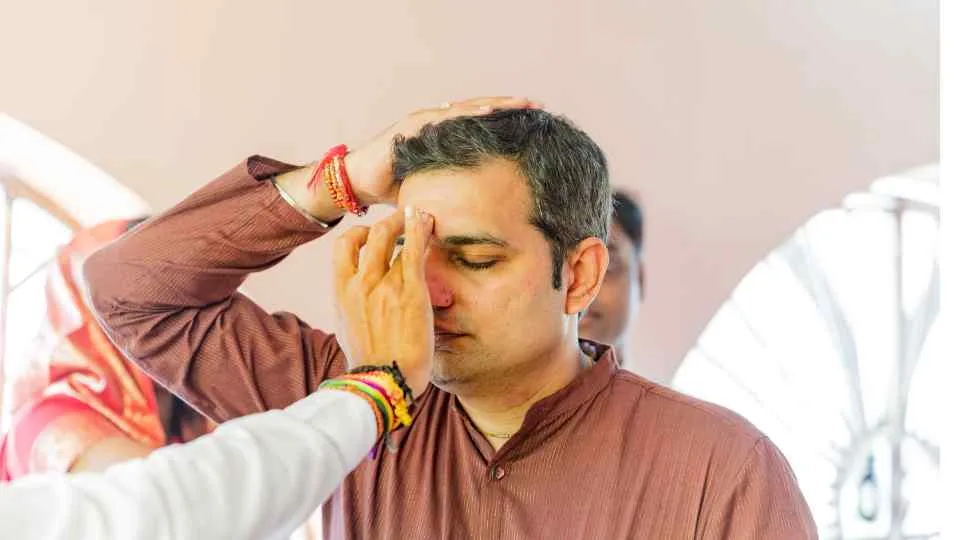
A tilak is a symbolic mark applied on the forehead — often between the eyebrows, the place considered to be the Ajna Chakra or the third eye. It’s usually made with natural materials like sandalwood paste (chandan), turmeric (haldi), vermilion (kumkum), sacred ash (vibhuti), or clay from holy rivers like the Ganga.
In daily life, tilak is worn during prayers, festivals, and rituals, symbolizing a connection with divine energy. It’s a sign that one’s thoughts are centered on God and spiritual consciousness.
For many Hindus, wearing a tilak is as essential as saying a prayer. It reflects inner discipline, purity, and respect for ancient wisdom.
Historical Roots of Tilak in Indian Traditions
The tradition of wearing a tilak can be traced back thousands of years. Ancient scriptures, including the Vedas, Upanishads, and Puranas, mention the practice in the context of spiritual purification and identification with one’s faith.
Kings and warriors in ancient India wore distinctive tilaks as marks of honor, courage, and devotion. Scholars and priests applied it as a sign of wisdom and spiritual authority. Over time, the practice spread across all sections of society, becoming a vital part of Indian identity.
The tilak significance in Hinduism also extends to its connection with the chakras — the energy centers of the body. The forehead, where the tilak is applied, is believed to be the seat of intuition and divine insight. By applying a tilak, one symbolically awakens this inner light.
Types of Tilaks and Their Meanings
One of the most fascinating aspects of the tilak significance in Hinduism is its variety. Different communities and sects have their own distinct forms of tilak, each carrying its own message and symbolism.
1. Tripundra (Three Horizontal Lines)
This type of tilak, made with sacred ash (vibhuti), is common among devotees of Lord Shiva. The three lines represent the destruction of the three impurities — ego, illusion, and bad karma. The center of the forehead becomes a reminder to rise above worldly attachments.
2. Urdhva Pundra (Vertical Lines)
Worn by Vaishnavas, devotees of Lord Vishnu, this tilak is usually made with sandalwood paste or clay from sacred rivers. The two vertical lines symbolize the feet of Lord Vishnu, while the space between them represents the divine presence of Lakshmi.
3. Red Kumkum Tilak
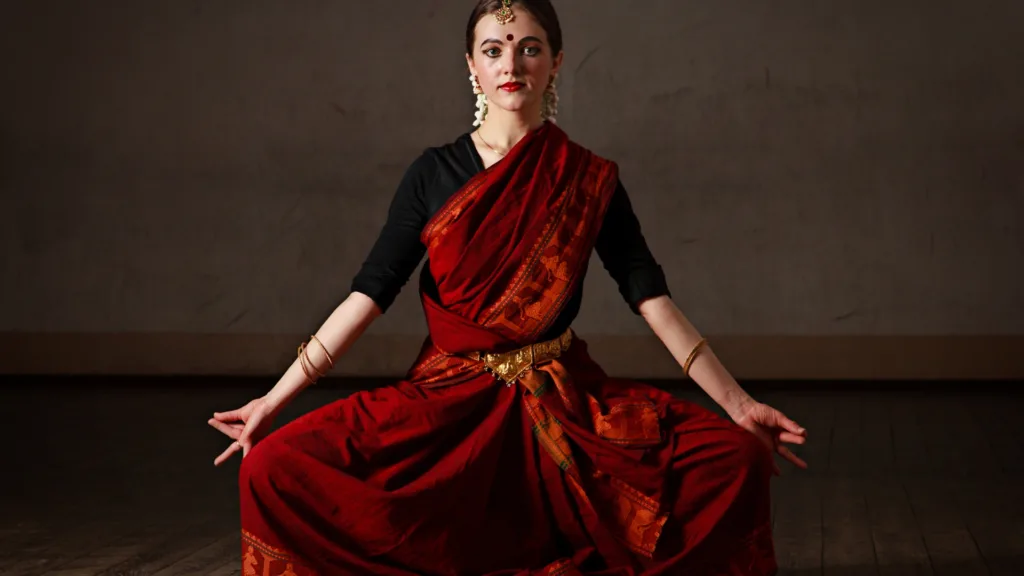
This form is often seen on the foreheads of married women and during religious ceremonies. The red mark stands for energy, fertility, and protection. It is also considered a blessing of Goddess Parvati, the divine consort of Lord Shiva.
4. Yellow and White Tilak
Tilaks made from turmeric or sandalwood paste are used for auspicious occasions. Yellow stands for prosperity and peace, while white symbolizes purity and calmness.
5. Black Tilak
Made from kajal (collyrium) or charcoal, this tilak is commonly applied to children to ward off the evil eye. It’s a simple yet powerful form of protection in many Indian households.
Each of these forms reflects the deep-rooted cultural and spiritual essence behind the tilak significance in Hinduism.
Spiritual and Scientific Meaning Behind the Tilak
The tilak is not just a symbol of faith — it’s also a spiritual science. Ancient Hindu sages knew the human body was deeply connected with energy centers, and the forehead area was particularly powerful.
The spot where the tilak is applied — between the eyebrows — is the Ajna Chakra, known as the seat of wisdom and intuition. When this point is touched or pressed, it helps to calm the mind, increase focus, and channel thoughts toward positivity.
From a scientific viewpoint, the application of cool substances like sandalwood or turmeric helps regulate body temperature, reduce stress, and maintain concentration during meditation or worship.
Thus, the tilak significance in Hinduism lies not only in religious devotion but also in its subtle influence on physical and mental well-being.

Tilak in Daily Life and Rituals
In Hindu households, the day often begins with a bath, prayer, and the application of a tilak. For men, it symbolizes readiness to engage in worldly duties while staying spiritually anchored. For women, it often represents prosperity, commitment, and grace.
During pujas (rituals), festivals, and temple visits, tilak becomes a mark of reverence. Priests apply tilak on devotees’ foreheads as a divine blessing, believed to carry positive vibrations from the deity.
Wearing a tilak also signifies that the individual is walking a path of truth, discipline, and devotion — core values of Hindu life. It’s a visible reminder to keep the mind pure and actions righteous.

This is why the tilak significance in Hinduism remains as vital today as it was thousands of years ago — it keeps spiritual consciousness alive in everyday life.
Regional Variations and Cultural Expressions
Across India, the way tilak is worn changes with region, language, and local customs — yet the underlying belief stays the same.
- In North India, a large red or saffron tilak is often worn during weddings, yajnas (sacred rituals), or religious gatherings.
- In South India, sandalwood paste and vibhuti are popular, especially among Shaivites and Vaishnavites.
- In Maharashtra, men wear a long vertical tilak made of red kumkum and sandalwood during festivals.
- In Bengal, married women draw a small red dot of vermilion, known as bindi, signifying marital bliss.
- In Rajasthan, the tilak is applied on guests as a mark of respect and welcome — often mixed with rice grains and sandal paste.
These variations demonstrate that while forms differ, the tilak significance in Hinduism continues to represent a universal message — unity, reverence, and divine awareness.
Symbolism of Colors in Tilak
Every color used in the tilak has its own vibration and meaning. The use of natural colors reflects the Hindu belief in balance between nature and spirituality.
| Color | Symbolic Meaning |
|---|---|
| Red (Kumkum) | Power, passion, divine feminine energy |
| Yellow (Turmeric) | Wisdom, purity, auspiciousness |
| White (Sandalwood or Ash) | Peace, clarity, detachment |
| Black (Kajal/Charcoal) | Protection, removal of negativity |
| Orange (Saffron) | Sacrifice, devotion, renunciation |
These colors enhance the tilak significance in Hinduism by connecting the physical world with higher consciousness.
The Psychological and Social Meaning
Beyond religion, the tilak plays an important social and emotional role. It represents belonging, identity, and mindfulness.
When someone applies a tilak before leaving home or attending a ceremony, it acts as a silent reminder of one’s values. It helps cultivate inner calm and responsibility.
Psychologically, performing the ritual of applying tilak daily creates a pattern of discipline and mindfulness. It helps individuals start their day with a sacred thought — something that anchors them amidst the distractions of modern life.
Even in urban cities where traditions often fade, many young Indians still embrace this practice as a connection to heritage and personal spirituality.
The Tilak and Meditation Connection
Meditation and tilak share an intimate bond. In Hindu philosophy, the forehead center — or third eye — symbolizes spiritual awakening. When one meditates, attention naturally gravitates toward this point, aligning consciousness with divine energy.
Applying tilak before meditation helps prepare the mind for focus and silence. The fragrance of sandalwood or sacred ash activates subtle awareness and purifies thoughts.
This spiritual practice showcases yet another dimension of the tilak significance in Hinduism — as a bridge between the outer ritual and the inner journey of the soul.

Tilak in Modern Times
While modern lifestyles have changed many traditional practices, the tilak continues to hold relevance. People today may not apply it daily, yet during festivals, weddings, or temple visits, the mark still carries the same reverence.
Interestingly, the tilak has also become a cultural emblem representing India on global platforms. From yoga teachers to diplomats, many wear it proudly to reflect peace, spirituality, and ancient wisdom.
The simplicity of the tilak — just a small mark — yet its profound symbolism makes it timeless. Its endurance over centuries speaks volumes about its spiritual strength.
The ongoing respect for this practice keeps the tilak significance in Hinduism alive in every generation, linking the past with the present.
Final Thoughts: A Symbol of Inner Light
The tilak, though a small mark, carries enormous depth. It’s a reminder that faith is not always about grand gestures but about inner purity and awareness.
In a world that moves at lightning speed, such traditions encourage pause, reflection, and connection with something larger than ourselves. The tilak significance in Hinduism beautifully captures this — transforming a simple ritual into a lifelong symbol of devotion and clarity.
Whether it’s worn daily, during rituals, or just on special occasions, the tilak continues to remind millions that the divine is not outside but within.
FAQs:
1. Why do Hindus apply tilak on the forehead?
Hindus apply tilak as a mark of respect and devotion to God. It symbolizes purity, focus, and spiritual awakening. The spot where it’s applied — between the eyebrows — is believed to be the center of intuition and energy.
2. What materials are used to make a tilak?
Traditionally, tilak is made using natural materials like sandalwood paste, vermilion (kumkum), turmeric, sacred ash (vibhuti), or clay from holy rivers. Each substance carries a different meaning and energy.
3. Is there a difference between tilak and bindi?
Yes, there is a difference. A tilak is usually applied by both men and women during rituals and prayers, while a bindi is commonly worn by women as a symbol of grace and marital status. However, both marks are applied on the same spiritual point — the forehead’s center.
4. Why do different Hindu sects have different tilaks?
Different sects wear distinct tilaks to express their devotion to specific deities.
For example, Shaivites wear three horizontal lines of ash for Lord Shiva, while Vaishnavites wear vertical lines representing Lord Vishnu’s feet. Each style reflects a unique spiritual path within Hinduism.
5. Can anyone wear a tilak, or is it only for Hindus?
Anyone can wear a tilak as a mark of respect and mindfulness. While it’s rooted in Hinduism, the values behind it — peace, purity, and focus — are universal. People of different faiths often apply tilak when visiting temples or participating in Indian rituals.
6. Does the color of the tilak have a special meaning?
Yes, colors in tilak hold deep symbolism. Red stands for power and divine energy, yellow for prosperity, white for peace, and black for protection. The choice of color often depends on the occasion or personal belief.
7. Is there any scientific reason behind applying tilak?
Yes. The area between the eyebrows, where the tilak is applied, is known to calm the mind and improve concentration. Substances like sandalwood or turmeric also have cooling properties, which help in reducing stress and enhancing focus during meditation.
8. How is tilak used during festivals or rituals?
During festivals, weddings, or temple rituals, tilak is applied as a sacred blessing. It’s also used to welcome guests, honor elders, and mark new beginnings. The gesture spreads positive energy and goodwill.
9. Do people still wear tilak in modern times?
Yes, even in modern society, tilak remains relevant. Many wear it during religious functions, yoga practices, or meditation. It’s also seen as a beautiful connection to one’s heritage and a way to stay rooted in spirituality.
10. What message does the tilak give to the world?
The tilak reminds the world that true beauty lies in inner purity. It speaks of peace, awareness, and respect for divine energy. It shows that spirituality can live in the simplest daily acts.


