The Heartbeat of Punjab’s Culture
Punjab is known for its colourful festivals, joyful gatherings, and energetic traditions. Among these traditions, nothing represents the spirit of Punjab as beautifully as Punjabi Folk Music: Bhangra, Giddha & Dhol Beat. This lively art form carries the emotions, stories, and rhythm of the land. Whether it is a harvest celebration, Indian wedding, or community event, Punjabi music brings people together with its energy and warmth.

Over the years, Punjabi songs and dances have travelled far beyond the villages of Punjab. Today, people across India and even around the world enjoy the vibrant moves, loud beats, and heartfelt lyrics. And at the centre of it all stands the magical flow of Punjabi Folk Music: Bhangra, Giddha & Dhol Beat.
Origins of Punjabi Folk Music
The roots of Punjabi folk traditions go back hundreds of years. The early communities used music to express joy, gratitude, struggle, and love. Music was never separate from daily life in Punjab—it was woven into farming, marriages, gatherings, and festivals.
Farming and Harvest Culture
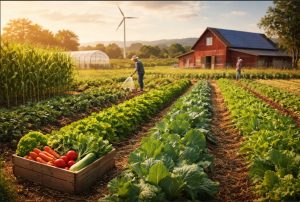
Punjab has always been an agricultural state. When farmers finished their harvest, they celebrated with singing and dancing. This joy slowly shaped into Bhangra, a powerful and energetic form of dance that expresses the pride of farmers.
Women’s Community Songs
Women in Punjab created their own style of storytelling through music. While gathering for festivals or family events, they sang and danced together. Over time, this became Giddha, a vibrant and joyful dance form filled with playful expressions, claps, and rhythmic moves.
Traditional Instruments
No Punjabi celebration is complete without instruments. The main ones include:
- Dhol – The loud heartbeat of Punjab
- Tumbi – A single-string instrument with a sharp tone
- Algoza – Twin flutes played together
- Chimta – Metal tongs with jingles
- Dhad – A small drum used for devotional singing
These instruments create the unique sound that defines Punjabi Folk Music: Bhangra, Giddha & Dhol Beat.

The Power of Bhangra
Bhangra is not just a dance; it is a celebration of life. It is bold, energetic, and full of enthusiasm. Traditionally performed by men, it has now become a global sensation loved by all genders and all age groups.
How Bhangra Began
Bhangra began as a way to celebrate the harvest festival called Vaisakhi. Farmers rejoiced after months of hard work, and their happiness turned into strong dance movements that matched the heartbeat-like rhythm of the dhol.
Music and Movements
Bhangra moves are strong, expressive, and joyful. Some popular steps include:
- Jhummar
- Daankara
- Dhamaal
- Fummania
- Lok Tatkar
The movements represent the daily life of farmers—sowing seeds, cutting crops, celebrating nature.
Bhangra Today
Today, Bhangra has travelled worldwide. It is performed on stages, in competitions, at universities, and in international shows. Many artists mix modern research beats with traditional tunes, creating powerful dance tracks that people love to move to.

The Grace of Giddha
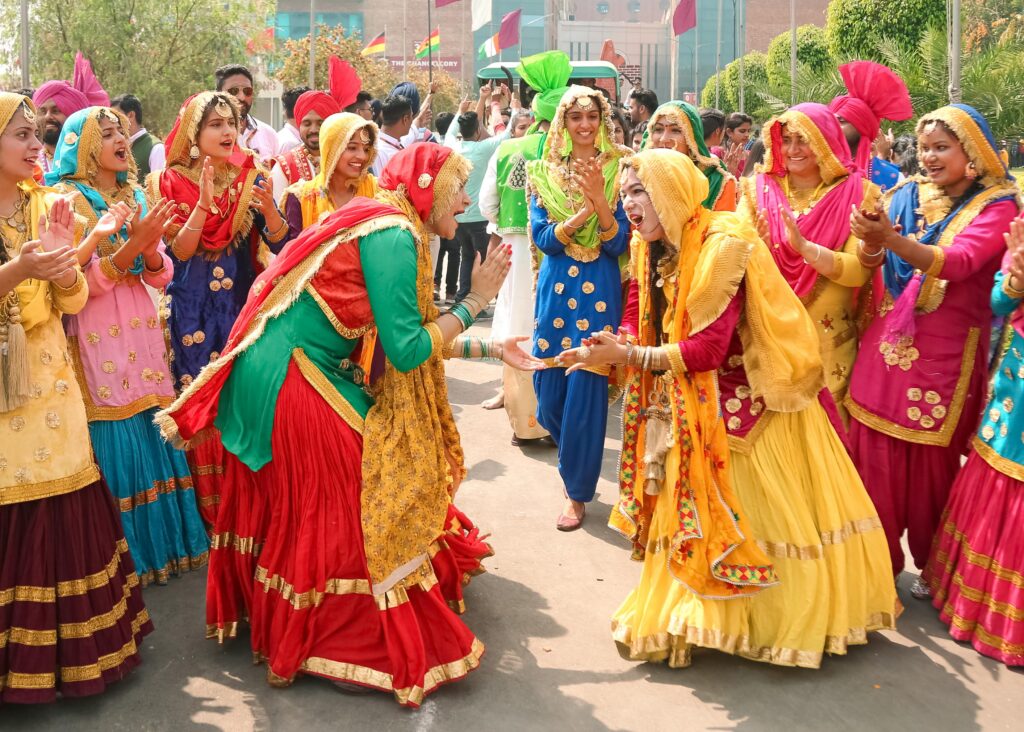
If Bhangra is power, Giddha is elegance. Giddha reflects the beauty, confidence, and emotions of Punjabi women. It is a dance filled with laughter, storytelling, and the joy of togetherness.
Origins of Giddha
Giddha grew out of Boliyan—short, witty, expressive lines sung by women. These lines describe everyday life, family relationships, jokes, and even romantic hints. Women gather in a circle, clap rhythmically, and take turns stepping into the centre to express the boli through dance.
Beautiful Costumes & Accessories
Giddha performers wear bright traditional clothes:
- Colourful salwar kameez
- Heavy dupatta
- Paranda (a decorative hair accessory)
- Traditional jewellery
These costumes add charm to the dance and highlight its joyful spirit.
How Giddha Evolved
With time, Giddha has become a symbol of Punjabi women’s culture. It is now performed at weddings, cultural programs, and international stages. Though modern music mixes are becoming popular, the traditional rhythm remains special and irreplaceable.

The Magical Impact of the Dhol Beat
The dhol is at the centre of Punjabi Folk Music: Bhangra, Giddha & Dhol Beat. Its powerful rhythm can be felt in the heart and chest. No matter where a person is from, the dhol beat can make anyone want to dance.
What Makes the Dhol Special?
- It creates a deep, vibrant sound
- The rhythm connects instantly with people
- It sets the base for all Punjabi dances
- It controls the speed and mood of the performance
Skilled dhol players can shift rhythms instantly, creating excitement and energy.
Dhol in Today’s World
From weddings to concerts, from movies to DJ nights, the dhol has become a global symbol of rhythm and celebration. Many modern musicians now blend dhol beats with hip-hop, EDM, and Bollywood music.
Storytelling Through Folk Music
Punjabi folk songs are more than entertainment—they are stories of the people. The songs talk about:
- Love and separation
- Friendship and loyalty
- Festivals and traditions
- Heroes and folklore
- Social issues and emotions
Every song carries a message or memory. That is why Punjabi folk music feels alive and meaningful.
Costumes and Colours
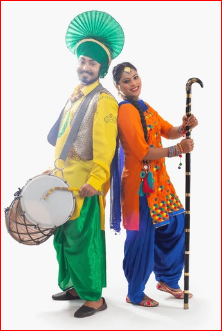
One of the most eye-catching parts of Punjabi culture is the colourful clothing worn during performances.
For Bhangra:
- Turban (Pagri)
- Kurta
- Waistcoat
- Lungi
For Giddha:
- Bright suits
- Heavy jewellery
- Embroidered dupattas
These colourful outfits make the dances even more lively and festive.
Punjabi Folk Music Around the World
Today, people in Canada, UK, USA, Australia, and many other countries celebrate Punjabi culture. Universities host Bhangra competitions, social groups organise Giddha workshops, and global DJs include dhol in music festivals.
This global love shows how strongly Punjabi Folk Music: Bhangra, Giddha & Dhol Beat connects people across cultures.
Influence on Modern Punjabi Songs
Modern Punjabi music has been heavily influenced by its folk roots. You can still hear:
- Tumbi sounds in upbeat dance tracks
- Dhol beats in wedding songs
- Folk lyrics mixed with pop tunes
- Traditional dance moves in music videos
This blend has helped Punjabi music become popular around the world.
Festivals That Celebrate Punjabi Folk Music
Punjab celebrates many festivals with music, dance, and colours.
Some important ones include:
- Vaisakhi – The harvest festival
- Lohri – A celebration of warmth and togetherness
- Teeyan – A festival dedicated to women, filled with Giddha
- Maghi – A festival linked to folk performances
These festivals keep the tradition alive and strong.

Why Punjabi Folk Music Feels So Alive
There are many reasons why this music touches people deeply:
- The beats are energetic and natural
- The lyrics speak about real life
- The dances are full of expression and joy
- The music brings people together
- The culture values celebration and unity
This is why the world continues to cherish Punjabi Folk Music: Bhangra, Giddha & Dhol Beat.
The Future of Punjabi Folk Culture
Even with modern trends, the essence of Punjabi folk traditions remains strong. Young artists are learning dhol, tumbi, and folk singing. Dance teams are performing on global stages. Families still play folk songs at weddings. Schools and cultural groups encourage students to learn traditional dance.
The future looks bright because people continue to celebrate the music of their roots.
Keynote Takeaway
Punjabi folk traditions reflect joy, unity, and energy. Punjabi Folk Music: Bhangra, Giddha & Dhol Beat expresses the true spirit of Punjab through its rhythm, dance, and soulful stories. From colourful costumes to loud dhol beats, from graceful Giddha to powerful Bhangra, every part of this tradition makes people feel alive. It connects generations, brings communities together, and continues to shine across the world.
FAQs:
Punjabi folk music is full of energy, emotion, and rhythm. It connects people through stories, celebrations, and traditional beats that are easy to enjoy.
Bhangra began as a joyful celebration by farmers after harvesting their crops. Over time, it became a worldwide symbol of Punjabi strength and happiness.
Giddha is a graceful dance performed mostly by women. It includes clapping, singing short verses called Boliyan, and expressing emotions through playful moves.
The dhol creates a deep, powerful sound that sets the mood for dances and celebrations. It is the heart of many Punjabi festivals.
Some popular instruments include the dhol, tumbi, algoza, dhad, and chimta. Each adds a unique flavour to the traditional sound of Punjab.
No, they are performed at weddings, cultural shows, competitions, and even international events. They bring joy to almost any gathering.
Yes, modern artists often blend folk instruments and melodies into their music. This keeps the tradition alive while adding a fresh twist.
Absolutely! You do not need to be from Punjab. People around the world learn and perform these dances with pride.
Boliyan are short, expressive lines that talk about daily life, jokes, emotions, and relationships. They make Giddha more meaningful and fun.
Its rhythm is catchy, its dances are lively, and its emotions are universal. This combination attracts people from every culture.