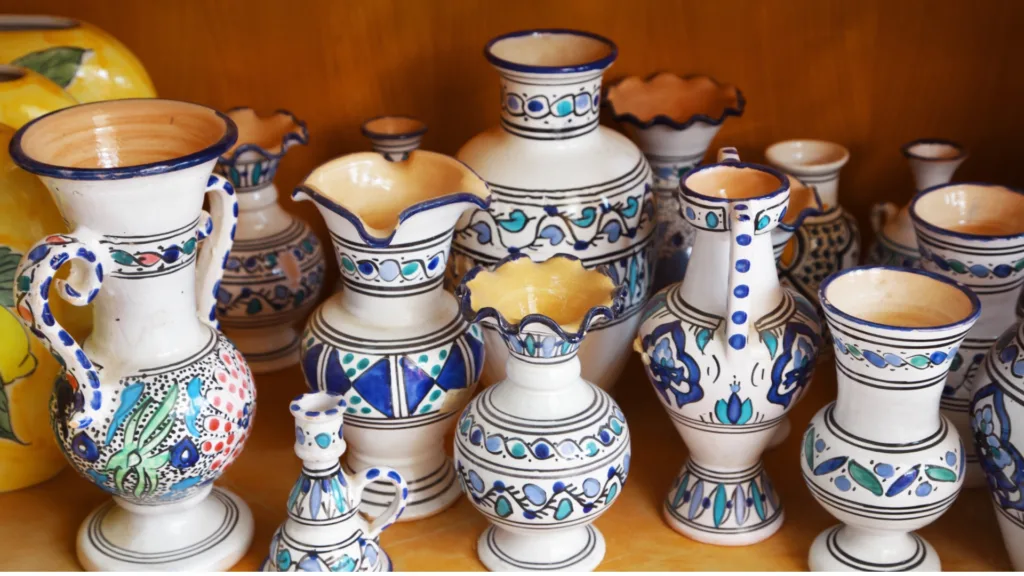
Terracotta Pottery of India has always held a special place in the story of our culture. It is one of the oldest art forms, yet it continues to survive with pride, beauty, and skill. From village courtyards to modern homes, this earthy craft bridges the gap between ancient traditions and today’s lifestyle. What makes it unique is its humble origin—simple clay shaped by hand, fired under the sun or in traditional kilns, and decorated with patterns that speak of local identity.
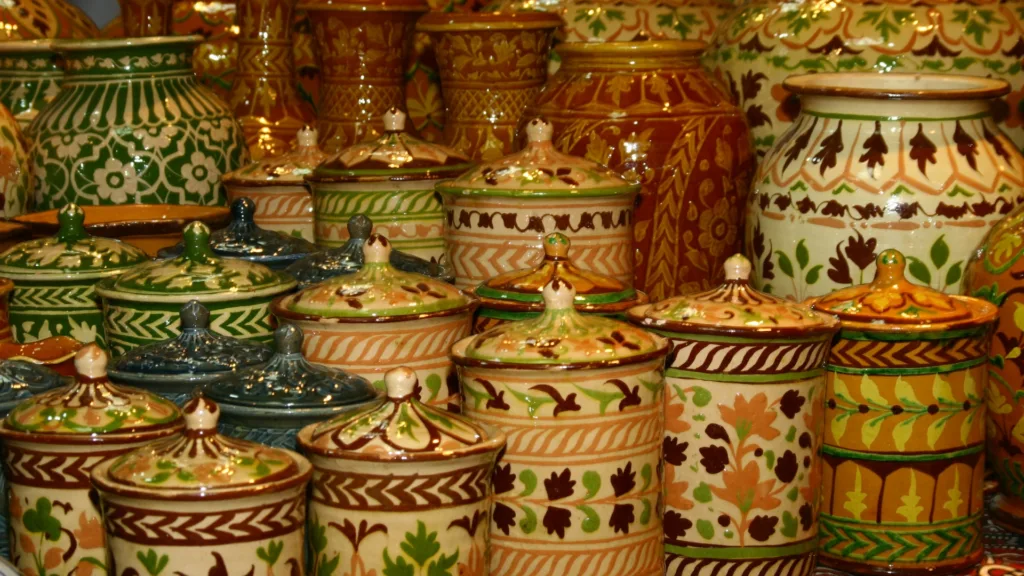
Even in a world filled with modern research materials, Terracotta Pottery of India remains relevant. It carries a sense of warmth, closeness to nature, and handmade charm. Many people still prefer terracotta for cooking, decorating, gardening, and even building eco-friendly structures. To understand its beauty, it is essential to explore how this craft began, how it grew across regions, and how it continues to shape modern design.
Origins of Terracotta Pottery of India
The story of Terracotta Pottery of India goes back thousands of years. Archaeologists have found terracotta objects at Indus Valley sites like Mohenjo-daro and Harappa. These discoveries include figurines, small pots, toys, and seals. They tell us one important thing: even in ancient times, this craft was already highly developed.
Clay was easily available, and people learned early on how to shape it with simple tools. They dried their creations under the sun and fired them to make them strong. Over time, they discovered better firing techniques, new shapes, and finer decorations. As a result, Terracotta Pottery of India became more diverse and showcased the creativity of early craftsmen.
Clay also had symbolic meaning. Many terracotta figures found in excavation sites represent Goddesses, animals, and daily life scenes. These pieces reveal the spiritual side of ancient Indian communities. Terracotta was not just used for everyday objects—it was also used for rituals, festivals, and storytelling.
Growth of Terracotta Pottery Through the Ages
As Indian civilization evolved, Terracotta Pottery of India adapted to different regions and cultures. The craft grew through the influence of kingdoms, trade, religion, and local needs. During the Vedic period, terracotta plates, bowls, and lamps became common household items. In later centuries, terracotta temples appeared in Bengal and other parts of eastern India. These temples remain stunning examples of how clay art can be used on a monumental scale.
The Mughals and other dynasties also encouraged pottery. While they introduced their own styles, terracotta continued to thrive because rural communities depended on it. Clay kulhads for drinking tea, big storage pots, and handmade utensils stayed popular even when metal vessels became common.
Despite new materials entering the market, Terracotta Pottery of India never faded away. Craftsmen passed their skills from one generation to another. Their art became part of local fairs, seasonal markets, and harvest festivals. Even today, if you walk through traditional craft villages, you will see potters spinning wheels, shaping clay, and firing their creations, just as their ancestors did.
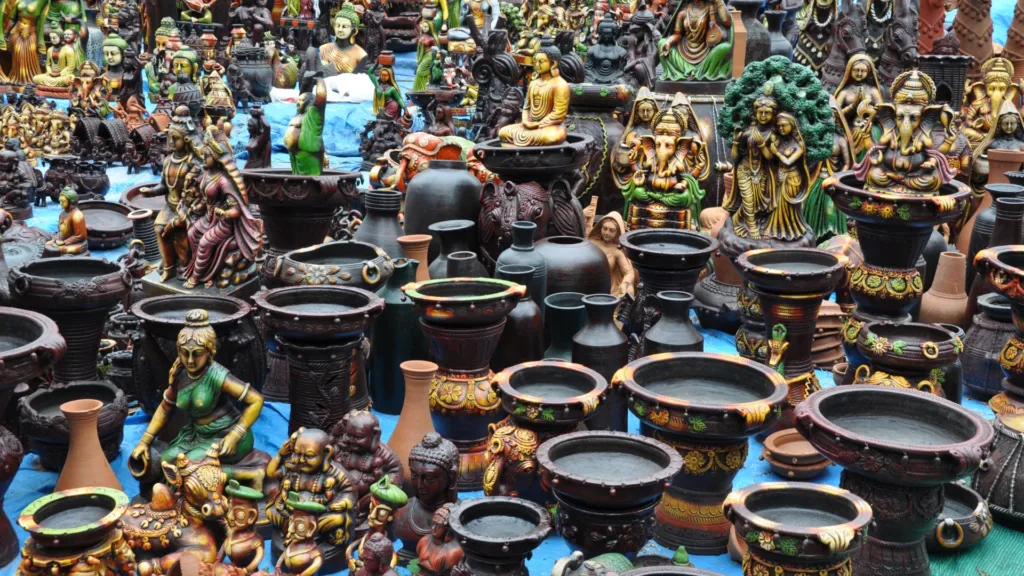
Regional Styles of Terracotta Pottery of India
India is a vast country, and each state adds its own flavour to Terracotta Pottery of India. The soil, climate, and cultural traditions influence the shapes, colors, and designs of terracotta. Here are some well-known regional varieties:
1. West Bengal
West Bengal’s terracotta art is admired for its detailed carvings and temple architecture. The Bishnupur temples are prime examples of how terracotta can be used for storytelling. Panels on these temples show scenes from epics, royal processions, and village life. West Bengal also produces beautiful terracotta horses, elephants, jewelry, and decorative pieces.
2. Rajasthan
Rajasthan adds a rustic yet elegant touch to Terracotta Pottery of India. The desert clay is rich and smooth, making it ideal for large water pots and storage vessels. The famous molela plaques, usually painted in bright colors, depict deities and folk tales. Terracotta from Rajasthan often features geometric patterns and bold shapes.
3. Gujarat
Gujarat’s terracotta includes tribal figurines, votive horses, and clay toys. Many pieces are associated with local rituals. The craft is vibrant, with white and red patterns painted on the natural clay surface. The Kutch region is especially known for its handcrafted pottery and sculpted clay murals.
4. Tamil Nadu
Tamil Nadu has a long tradition of making clay figurines for festivals. Large terracotta horses are common in Ayyanar temples. The state’s terracotta vessels are sturdy, elegant, and often used for cooking. The craft reflects both devotion and practical use.
5. Maharashtra
Maharashtra’s terracotta products include clay lanterns, pots, lamps, and wall hangings. The Warli tribe uses terracotta objects as part of their cultural expressions. Many artisans in the Konkan region produce unique terracotta roof tiles and household items.
6. Uttar Pradesh
The potters of Uttar Pradesh bring a fine finish to Terracotta Pottery of India. The state is known for glossy surfaces and delicate handwork. Gorakhpur terracotta, with its attractive lacquer coating, is especially famous.
These regional variations show how every community adds its own identity to Terracotta Pottery of India. The diversity of shapes, colors, and patterns reflects the diversity of India itself.
Terracotta in Social and Cultural Traditions
Terracotta Pottery of India plays an active role in festivals, rituals, and daily routines. In many villages, clay lamps are lit during Diwali. Clay idols are used for Durga Puja, Ganesh Chaturthi, and several local ceremonies. Even today, people use terracotta kulhads to serve tea during events because they bring a fresh earthy aroma.
Clay toys also have cultural value. They are safe for children and represent simple joys. In some regions, weddings include terracotta symbols to bless the new couple. This deep connection with tradition makes terracotta more than a craft—it becomes a part of life.
The Making Process of Terracotta Pottery of India
The creation process of Terracotta Pottery of India is long and detailed. Each step requires patience, experience, and understanding of the soil. Here’s how potters bring clay to life:
1. Clay Selection
Not all soil is suitable for pottery. Potters search for smooth, fine clay that can hold shape. They often mix clay from different areas to get the right consistency.
2. Kneading and Preparing the Clay
The clay is cleaned, filtered, and kneaded to remove stones and air bubbles. This step is important because even tiny particles can break the piece during firing.
3. Shaping
Potters use a wheel or shape clay by hand. On the wheel, they create bowls, pots, and vessels. By hand, they make figurines, sculptures, and decorative pieces. The craft requires great hand–eye coordination.
4. Drying
Before firing, the piece must dry completely. Some potters dry their creations under the sun, while others keep them in shade to prevent cracks.
5. Firing
Firing is the most crucial stage. Clay pieces are arranged in a kiln or pit and covered with wood, cow dung, leaves, or other materials. When fired, the clay becomes strong and durable.
6. Decoration
After firing, artisans paint, polish, or add fine details. Some use natural colors, while others apply lac or glaze. Every design carries cultural meaning.
The process of making Terracotta Pottery of India is both artistic and scientific. It demands skill, control over temperature, and deep knowledge passed down through generations.

Terracotta in Daily Life – Traditional Uses
Since ancient times, Terracotta Pottery of India has been used for practical and household purposes. Some traditional uses include:
- Water storage: Terracotta pots keep water cool naturally.
- Cooking: Clay pots are used for slow cooking and add rich flavour to food.
- Lighting: Diyas and lamps illuminate homes during festivals.
- Storage: Large jars store grains, pickles, and spices.
- Decor: Clay murals, idols, and wall hangings beautify living spaces.
- Gardening: Flower pots and planters are widely used in homes and farms.
These items show how terracotta supports simple living, sustainability, and cultural values.
Modern Use of Terracotta Pottery of India
Today, Terracotta Pottery of India has entered new spaces. Designers, architects, and home décor experts are using terracotta in fresh and creative ways. The craft now fits both rural and urban lifestyles.
1. Home Décor
Terracotta lamps, vases, candle holders, and sculptures are now part of modern interiors. They blend well with wooden furniture, natural light, and minimal décor styles.
2. Architecture
Architects are bringing terracotta back into building design. Terracotta tiles, blocks, and jaalis help keep homes cool. They also add texture and warmth to walls. These features make terracotta a popular choice for eco-friendly buildings.
3. Fashion and Accessories
Terracotta jewelry has become trendy again. Earrings, necklaces, pendants, and bangles made from clay are lightweight, artistic, and affordable. Many young designers are experimenting with shapes and colors.
4. Kitchenware
Clay cookers, tandoors, griddles, and serving bowls have found a new audience. People appreciate their ability to enhance taste while keeping food healthy.
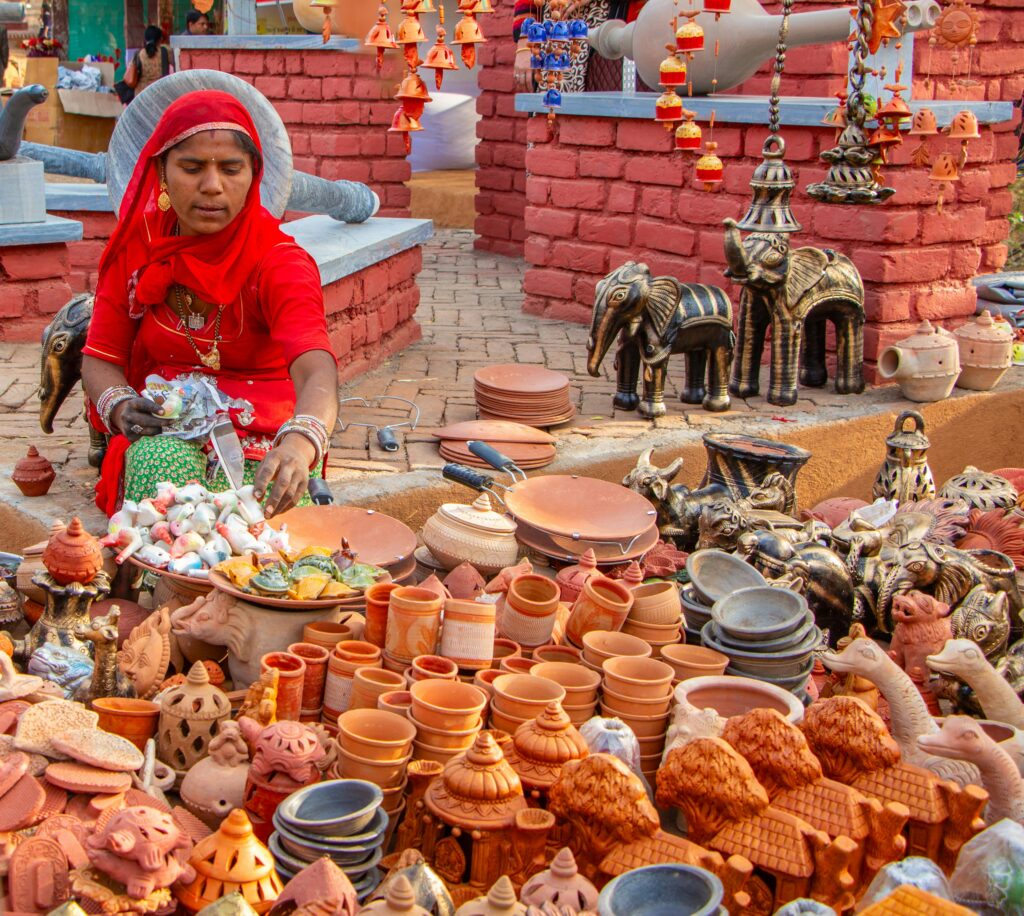
5. Garden and Outdoor Spaces
Terracotta planters and decorative pieces fit well with natural landscapes. They are durable and blend perfectly with greenery.
6. Art Installations
Artists use Terracotta Pottery of India to create large installations for exhibitions, parks, and public spaces. These artworks celebrate traditional skills while embracing modern imagination.
7. Sustainable Living
Many people are turning to terracotta because it is earth-friendly. It is biodegradable, free from toxins, and energy-efficient. As awareness grows, terracotta is becoming a symbol of sustainable choices.
Challenges Faced by Terracotta Artisans
Even though Terracotta Pottery of India has a rich heritage, artisans face several challenges. Cheap factory-made products often replace handmade ones. Many young people from pottery families leave the craft because it does not offer stable income. Rising costs of raw materials and lack of modern kilns also create difficulties.
However, things are improving slowly. Government programs, craft fairs, online marketplaces, and design institutes are helping artisans find better opportunities. Many people now prefer handmade items, which has revived interest in terracotta. With proper support, the future of Terracotta Pottery of India can be bright and rewarding.
The Growing Global Appeal
Terracotta Pottery of India is gaining followers around the world. Foreign tourists buy clay art during visits, and international designers now work with Indian potters. The global trend toward natural materials supports terracotta’s revival. Handcrafted products, especially those with cultural stories, are loved by people who want meaningful items rather than mass-produced goods.
Indian terracotta stands out because each piece reflects tradition, skill, and community life. As global tastes shift toward sustainability and handmade beauty, terracotta continues to find new markets and admirers.
Keynote Takeaway
Terracotta Pottery of India is more than a craft—it is a living tradition that has survived for thousands of years. Its journey from ancient settlements to modern living rooms shows its enduring charm. Whether used in temples, homes, gardens, or contemporary design, terracotta carries a story of the soil and the hands that shape it.

Today, Terracotta Pottery of India stands at an exciting point. With growing appreciation for sustainable and handmade goods, this timeless art continues to evolve. Its blend of beauty, usefulness, and cultural meaning keeps it relevant across generations.
FAQs
Terracotta Pottery of India stands out because it is made from natural clay and shaped by hand. Every region adds its own style, which makes each piece unique. The craft is also eco-friendly, cultural, and practical for everyday use.
It has survived because it is useful, affordable, and suited to India’s climate. People used terracotta for cooking, storing water, and religious rituals. Even today, many choose it for its natural charm and sustainable qualities.
Yes, terracotta cookware is safe when it is properly fired and made by skilled artisans. Many households still use clay pots for slow cooking because they enhance flavor and retain nutrients.
Designers love terracotta for its warm tones and earthy textures. It blends beautifully with wood, metal, or natural fabrics. It also helps regulate indoor temperature and suits both traditional and modern spaces.
Terracotta should be handled gently, cleaned with mild soap, and dried properly. If you are using terracotta cookware, soak it before first use and avoid sudden temperature changes to prevent cracks.
Yes, terracotta is biodegradable and made from natural earth. It does not harm the environment and can easily return to the soil, making it a sustainable choice.
Tourists enjoy buying terracotta because it carries cultural stories and is handcrafted. It makes meaningful souvenirs that represent India’s artistic heritage.
Many artisans still use traditional wheels, wooden paddles, and hand-shaping methods. However, some also use modern kilns and improved tools to increase quality and efficiency.