Introduction
Forests are among the most valuable natural ecosystems on Earth, playing a crucial role in maintaining ecological balance and supporting biodiversity. They serve as natural habitats for a vast array of wildlife species, from the smallest insects to the largest mammals. Wildlife conservation is deeply interconnected with forest conservation, as forests provide food, shelter, breeding grounds, and protection for countless organisms.
In recent decades, rapid urbanization, deforestation, and climate change have posed serious threats to forests and the wildlife that depends on them. Understanding the importance of forests in wildlife conservation is essential for developing effective strategies to protect our planet’s biodiversity. This blog explores how forests contribute to wildlife conservation and why their preservation is critical for the survival of life on Earth.
Forests as Natural Habitats for Wildlife
Forests are the primary homes for nearly 80% of terrestrial biodiversity. They provide a safe and suitable environment where animals can live, reproduce, and thrive.
Diverse Ecosystems
Forests are not uniform; they include tropical rainforests, temperate forests, boreal forests, and mangrove forests. Each type supports unique species adapted to specific climatic conditions. For example:
- Tropical forests host monkeys, tigers, and exotic birds.
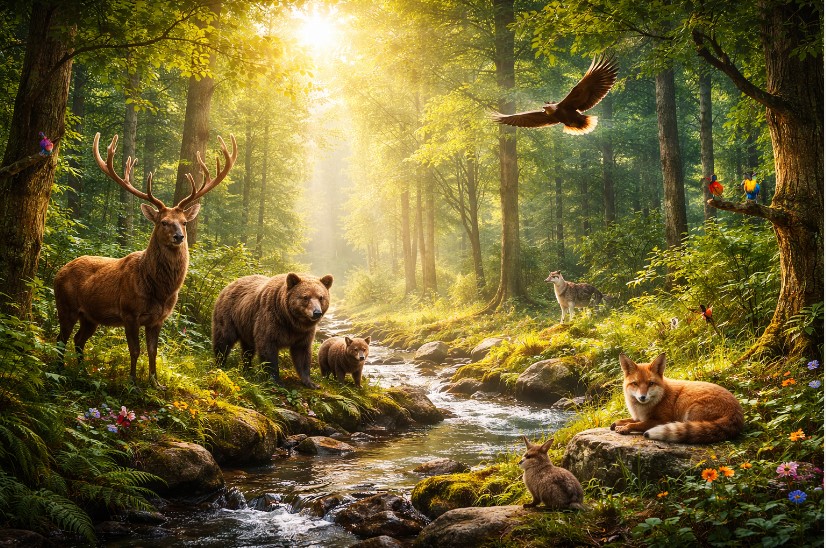
- Temperate forests are home to deer, foxes, and bears.
- Mangrove forests support amphibians, reptiles, and aquatic birds.
Shelter and Protection
Trees, shrubs, and undergrowth provide shelter from predators and harsh weather conditions. Hollow tree trunks, dense foliage, and forest floors offer hiding spots and nesting areas for birds, mammals, and insects.
Breeding Grounds
Many species depend on forests for reproduction. Birds build nests in trees, mammals find safe places to give birth, and amphibians rely on forest moisture for laying eggs.
Forests Provide Food Resources
Forests are a rich source of food for wildlife. They supply a variety of natural resources that sustain different species.
Plant-Based Food
Herbivores feed on leaves, fruits, seeds, bark, and roots. For instance:
- Elephants consume large quantities of leaves and grass.
- Deer graze on shrubs and vegetation.
- Birds feed on fruits and seeds.
Food Chain Support
Forests maintain complex food chains:
- Plants act as producers.
- Herbivores are primary consumers.
- Carnivores depend on herbivores for survival.
If forests are destroyed, this delicate balance collapses, leading to species extinction.
Seasonal Availability
Forests provide seasonal food supplies, ensuring survival throughout the year. Different plants bear fruits and flowers in different seasons, supporting wildlife continuously.
Role of Forests in Maintaining Biodiversity
Biodiversity refers to the variety of life forms within anecosystem. Forests are biodiversity hotspots that support a wide range of species.
Genetic Diversity
Forests help preserve genetic variation within species. This diversity is essential for adaptation to environmental changes and disease resistance.
Species Interdependence
In forest ecosystems, species depend on each other:
- Bees pollinate flowers.
- Birds disperse seeds.
- Predators control prey populations.
This interconnected system ensures ecosystem stability.
Protection of Endangered Species
Many endangered species survive only in forest environments. Protecting forests helps conserve these species and prevent extinction.
Forests Regulate Climate and Support Wildlife Survival
Forests play a vital role in regulating climate, which directly affects wildlife.
Temperature Regulation
Forests maintain local and global temperatures by providing shade and releasing moisture into the atmosphere. This creates a suitable environment for wildlife.
Carbon Sequestration
Trees absorb carbon dioxide and release oxygen, helping reduce gases. This process mitigates climate change, which threatens wildlife habitats.
Rainfall Patterns
Forests influence rainfall cycles by releasing water vapor through transpiration. Adequate rainfall supports vegetation growth, ensuring food availability for animals.
Water Conservation and Wildlife Support
Water is essential for all living organisms, and forests play a critical role in water conservation.
Maintaining Water Cycles
Forests regulate the water cycle by absorbing rainfall and releasing it slowly into rivers and streams. This ensures a continuous water supply for wildlife.
Preventing Soil Erosion
Tree roots bind the soil, preventing erosion and maintaining fertile land. This supports plant growth, which in turn sustains herbivores.
Freshwater Availability
Forests protect watersheds and ensure clean water sources for animals. Many species depend on forest streams and ponds for survival.
Forests as Migration Corridors
Wildlife often migrates in search of food, water, or breeding grounds. Forests act as natural corridors that facilitate safe movement.
Connectivity Between Habitats
Forests connect different ecosystems, allowing animals to travel without facing human-made barriers.
Reducing Human-Wildlife Conflict
When forests are intact, animals remain within their natural habitats. Deforestation forces them into human settlements, leading to conflicts.
Genetic Exchange
Migration allows species to breed with different populations, maintaining genetic diversity and strengthening species survival.
Protection from Natural Disasters
Forests act as natural barriers against environmental hazards, protecting wildlife.
Flood Control
Forests absorb excess rainwater, reducing the risk of floods that can destroy habitats.
Windbreaks
Dense forests reduce wind speed, protecting animals and vegetation from storms.
Fire Resistance
Healthy forests with proper management can reduce the spread of wildfires, safeguarding wildlife.
Human Dependence on Forests and Its Impact on Wildlife
Humans rely heavily on forests for resources such as timber, fuel, and medicine. However, excessive exploitation has negative consequences.
Deforestation
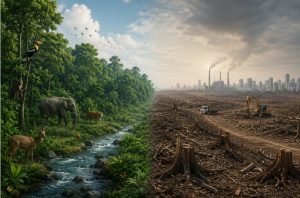
Large-scale clearing of forests for agriculture, urbanization, and industries destroys wildlife habitats.
Illegal Hunting and Logging
Human activities in forests often lead to poaching and illegal logging, threatening species survival.
Habitat Fragmentation
Breaking forests into smaller patches isolates wildlife populations, making survival difficult.
Major Threats to Forests and Wildlife
Despite their immense importance, forests across the world are under severe threat due to human and environmental factors. These threats directly impact wildlife conservation.
Deforestation and Land Conversion
Forests are being cleared at an alarming rate for agriculture, infrastructure development, mining, and urban expansion. This leads to:
- Loss of habitat for wildlife
- Decline in biodiversity
- Displacement of species
Climate Change
Global warming is altering forest ecosystems:
- Rising temperatures affect species survival
- Changes in rainfall disrupt food availability
- Increased frequency of wildfires damages habitats
Illegal Wildlife Trade
Poaching and illegal trade in wildlife products threaten many species:
- Animals are hunted for fur, horns, and body parts
- Rare species face extinction due to high demand
Pollution
Air, water, and soil pollution degrade forest environments:
- Contaminated water harms aquatic species
- Toxic substances affect plant growth and animal health
Invasive Species
Non-native species disrupt natural ecosystems by:
- Competing with native species for resources
- Spreading diseases
- Altering habitat structures
Conservation Strategies for Forests and Wildlife
To protect forests and wildlife, various conservation strategies have been developed and implemented globally.
Protected Areas and National Parks
Governments establish protected zones such as:
- National parks
- Wildlife sanctuaries
- Biosphere reserves
These areas provide safe habitats where human activities are restricted.
Afforestation and Reforestation
Planting trees helps restore degraded forests:
- Afforestation creates new forests
- Reforestation restores lost forest cover
These practices improve habitat availability and biodiversity.
Sustainable Forest Management
Balancing resource use and conservation ensures long-term forest health:
- Controlled logging
- Community-based forest management
- Monitoring of forest resources
Wildlife Protection Laws
Strict laws and regulations help prevent exploitation:
- Anti-poaching laws
- Wildlife protection acts
- International agreements banning illegal trade
Use of Technology in Conservation
Modern tools are improving conservation efforts:
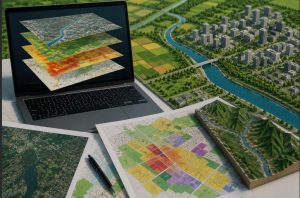
- Satellite monitoring of forests
- GPS tracking of animals
- Drones for surveillance
Government Initiatives in Forest and Wildlife Conservation (India Focus)
India has taken significant steps to protect its forests and wildlife.
Project Tiger
Launched in 1973, this initiative aims to protect the declining tiger population by preserving their habitats.
Project Elephant
This program focuses on the conservation of elephants and their migration corridors.
National Afforestation Programme
This initiative promotes tree planting and ecological restoration across degraded lands.
Wildlife Protection Act, 1972
A landmark law that provides legal protection to wildlife and regulates hunting and trade.
Joint Forest Management (JFM)
This approach involves local communities in forest conservation, ensuring sustainable use of resources.
Role of Local Communities in Conservation
Local communities play a crucial role in protecting forests and wildlife.
Traditional Knowledge
Indigenous people have deep knowledge of forest ecosystems and sustainable practices.
Community Participation
Involving communities leads to:
- Better forest management
- Reduced illegal activities
- Increased awareness
Livelihood Support
Providing alternative livelihoods reduces dependence on forest exploitation.
Role of Individuals in Protecting Forests and Wildlife
Every individual can contribute to conservation efforts.
Reduce, Reuse, Recycle
Minimizing waste reduces pressure on forest resources.
Support Sustainable Products
Choose eco-friendly and certified forest products.
Spread Awareness
Educating others about the importance of forests helps build a conservation mindset.
Participate in Tree Plantation
Planting trees contributes directly to forest restoration.
Responsible Tourism
Avoid activities that harm wildlife and their habitats.
Importance of Environmental Education
Education is a powerful tool for conservation.
Creating Awareness
Teaching people about forests and wildlife encourages responsible behavior.
Encouraging Research
Scientific studies help understand ecosystems and develop better conservation strategies.
Youth Involvement
Engaging young people ensures long-term sustainability of conservation efforts.
Future of Forests and Wildlife Conservation
The future of wildlife conservation depends on collective action and sustainable practices.
Adopting Green Technologies
Innovations can reduce environmental impact and support conservation.
Global Cooperation
Countries must work together to address issues like climate change and illegal wildlife trade.
Policy Implementation
Strong enforcement of environmental laws is essential.
Restoration of Ecosystems
Efforts should focus on restoring degraded forests and protecting existing ones.
Conclusion
Forests are the backbone of wildlife conservation, providing essential resources and maintaining ecological balance. However, increasing threats such as deforestation, climate change, and human exploitation are putting immense pressure on these ecosystems.
Effective conservation requires a combination of government initiatives, community participation, technological advancements, and individual responsibility. Protecting forests is not just about saving wildlife—it is about preserving the natural heritage of our planet for future generations.
By working together, we can ensure that forests continue to thrive and support the incredible diversity of life they hold.
FAQs:
Forests provide habitat, food, and protection for wildlife, making them essential for survival and biodiversity.
Deforestation destroys habitats, reduces food sources, and leads to the extinction of species.
Major threats include deforestation, climate change, pollution, and illegal wildlife trade.
People can plant trees, reduce waste, support eco-friendly products, and spread awareness.
Governments create laws, establish protected areas, and implement conservation programs to protect forests and wildlife.