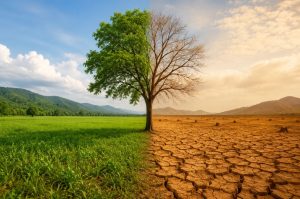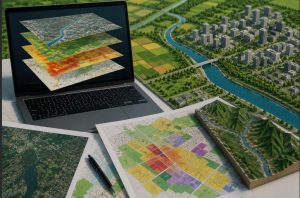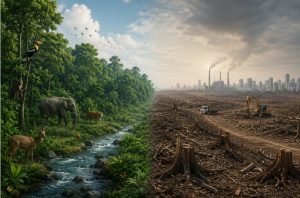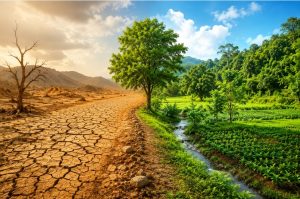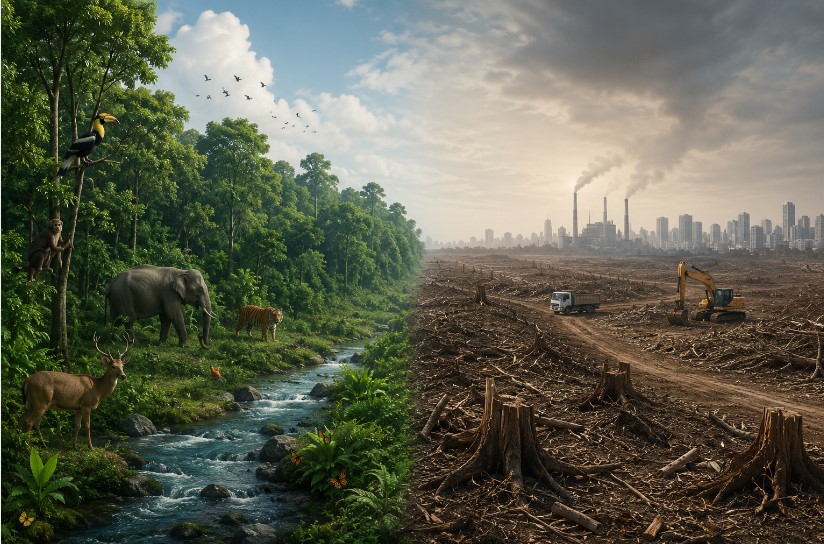
Biodiversity is essential for maintaining ecological balance and supporting life on Earth. Plants, animals, microorganisms, and ecosystems work together to create healthy environments that provide food, water, medicine, and climate stability. However, biodiversity is declining rapidly across the world. Among the many environmental challenges, habitat loss remains one of the biggest threats to biodiversity. As natural habitats disappear, countless species struggle to survive.
Understanding Habitat Loss
Habitat loss happens when natural environments become damaged, reduced, or completely destroyed. As a result, plants and animals lose the spaces where they live, feed, reproduce, and grow.
What Is a Habitat?
A habitat is the natural home of a living organism. Different species depend on different habitats for survival.
Common habitats include:
- Forests
- Grasslands
- Wetlands
- Oceans
- Rivers
- Mountains
- Deserts
Each habitat supports unique ecosystems and biodiversity.
Why Habitats Are Important
Habitats provide everything species need to survive. Therefore, healthy habitats are essential for ecological balance.
Functions of Natural Habitats
Habitats help by:
- Providing food and water
- Offering shelter and breeding grounds
- Supporting migration and movement
- Maintaining climate balance
- Protecting soil and water quality
Moreover, habitats support interactions between species that keep ecosystems stable.
What Is Biodiversity?
Biodiversity refers to the variety of living organisms on Earth. It includes plants, animals, fungi, bacteria, and ecosystems.
Levels of Biodiversity
Biodiversity exists at different levels:
- Genetic diversity
- Species diversity
- Ecosystem diversity
Therefore, protecting biodiversity means protecting life in all forms.
Relationship Between Habitat Loss and Biodiversity
Habitat loss directly affects biodiversity because species depend on stable environments. When habitats disappear, species populations decline rapidly.
How Habitat Loss Affects Species
Habitat destruction may cause:
- Loss of food sources
- Reduced breeding areas
- Increased competition
- Migration problems
- Species extinction
As a result, ecosystems become weak and unbalanced.
Main Causes of Habitat Loss
Several human activities contribute to habitat destruction across the world.
Deforestation
Deforestation is one of the leading causes of habitat loss.
Why Forests Are Cut Down
Forests are cleared for:
- Agriculture
- Urban development
- Roads and infrastructure
- Mining
- Timber production
Consequently, forest species lose shelter and food sources.
Impact on Wildlife
Many animals depend completely on forests.
Deforestation affects:
- Birds
- Tigers
- Elephants
- Insects
- Primates
Therefore, forest destruction threatens entire ecosystems.
Urbanization
Rapid urban growth also destroys natural habitats.
Expansion of Cities
Cities expand through:
- Housing projects
- Industrial development
- Transportation systems
- Commercial infrastructure
As urban areas grow, natural ecosystems shrink.
Effects on Biodiversity
Urbanization may lead to:
- Habitat fragmentation
- Pollution
- Reduced green spaces
- Wildlife displacement
Consequently, many species cannot adapt to changing environments.
Agricultural Expansion
Agriculture is necessary for human survival. However, large-scale farming often damages natural ecosystems.
Habitat Conversion
Natural habitats are converted into:
- Crop fields
- Plantations
- Grazing land
As a result, native plants and animals disappear from those areas.
Use of Chemicals
Modern farming often uses pesticides and fertilizers.
These chemicals may:
- Pollute water sources
- Harm beneficial insects
- Damage soil organisms
Therefore, biodiversity declines further.
Climate Change and Habitat Loss
Climate change also affects habitats significantly.
Rising Temperatures
Higher temperatures alter ecosystems and force species to move.
Melting Ice and Sea-Level Rise
Climate change causes:
- Loss of polar habitats
- Coastal erosion
- Flooding of wetlands
As a result, many species lose their natural environments.
Mining and Industrial Activities
Mining and industrial development often destroy large natural areas.
Environmental Damage from Mining
Mining may cause:
- Deforestation
- Soil erosion
- Water contamination
- Air pollution
Therefore, nearby ecosystems suffer severe damage.
Get admission assistance for biodiversity management courses
Pollution and Habitat Degradation
Pollution weakens habitats even when they are not completely destroyed.
Water Pollution
Industries and waste disposal pollute rivers, lakes, and oceans.
Effects on Aquatic Life
Polluted water may:
- Reduce oxygen levels
- Kill fish populations
- Harm marine ecosystems
Consequently, aquatic biodiversity decreases rapidly.
Air Pollution
Air pollution damages forests, plants, and freshwater systems.
Acid Rain Effects
Acid rain can:
- Damage leaves and trees
- Reduce soil fertility
- Harm aquatic habitats
Therefore, species survival becomes difficult.
Habitat Fragmentation
Habitat fragmentation occurs when large habitats break into smaller isolated areas.
Causes of Fragmentation
Fragmentation often happens because of:
- Roads
- Railways
- Urban construction
- Dams
As a result, animals cannot move freely.
Problems Caused by Fragmentation
Fragmentation may lead to:
- Reduced genetic diversity
- Isolation of species
- Increased human-wildlife conflict
Therefore, populations become weaker over time.
Impact on Endangered Species
Habitat loss is a major reason many species become endangered.
Threatened Wildlife
Species affected by habitat destruction include:
- Tigers
- Rhinos
- Orangutans
- Polar bears
- Sea turtles
Many animals cannot survive without their specific habitats.
Risk of Extinction
When habitats disappear completely, extinction risk increases.
Why Extinction Matters
Species extinction affects:
- Food chains
- Ecosystem balance
- Human resources
Therefore, biodiversity loss impacts both nature and people.
Importance of Forest Ecosystems
Forests are among the richest habitats on Earth.
Biodiversity in Forests
Forests support:
- Mammals
- Birds
- Insects
- Medicinal plants
- Microorganisms
Moreover, forests store carbon and regulate climate.
Rainforests and Global Biodiversity
Rainforests contain extremely high biodiversity.
Importance of Rainforests
They help:
- Produce oxygen
- Store carbon
- Regulate rainfall
- Support indigenous communities
However, deforestation threatens rainforest ecosystems worldwide.
Wetlands and Biodiversity
Wetlands are highly productive ecosystems.
Functions of Wetlands
Wetlands help:
- Filter water
- Control floods
- Support fish breeding
- Provide bird habitats
Therefore, wetland destruction harms biodiversity significantly.
Ocean Habitat Loss
Marine ecosystems also face serious threats.
Coral Reef Destruction
Coral reefs support thousands of marine species.
Causes of Coral Damage
Coral reefs suffer because of:
- Ocean warming
- Pollution
- Overfishing
As a result, marine biodiversity declines.
Coastal Habitat Loss
Mangroves and coastal wetlands protect marine life.
Importance of Coastal Ecosystems
These habitats support:
- Fish populations
- Shoreline protection
- Carbon storage
However, coastal development destroys many of these ecosystems.
Role of Indigenous Communities in Habitat Protection
Indigenous communities often protect natural ecosystems effectively.
Traditional Knowledge
Many indigenous groups practice:
- Sustainable farming
- Forest conservation
- Water protection
Therefore, their knowledge supports biodiversity conservation.
Economic Impact of Habitat Loss
Habitat destruction also affects economies and livelihoods.
Impact on Agriculture
Healthy ecosystems support pollination and soil fertility.
Loss of Ecosystem Services
Habitat loss may reduce:
- Crop productivity
- Water availability
- Natural pest control
Consequently, food security becomes weaker.
Tourism and Biodiversity
Wildlife tourism depends on healthy ecosystems.
Economic Importance
Protected natural areas support:
- Jobs
- Local businesses
- Tourism revenue
Therefore, biodiversity conservation benefits economies too.
Human Health and Habitat Loss
Healthy ecosystems support human health in many ways.
Spread of Diseases
Habitat destruction can increase contact between humans and wildlife.
Disease Risks
This may increase the spread of:
- Zoonotic diseases
- Waterborne illnesses
- Vector-borne diseases
Therefore, environmental protection supports public health.
Mental and Physical Well-Being
Natural environments improve human well-being.
Benefits of Green Spaces
Nature helps:
- Reduce stress
- Improve air quality
- Encourage physical activity
Consequently, habitat conservation supports healthier communities.
Importance of Conservation Efforts
Conservation helps protect habitats and biodiversity for future generations.
Protected Areas
Governments and organizations create protected areas such as:
- National parks
- Wildlife sanctuaries
- Marine reserves
These areas help preserve ecosystems and endangered species.
Reforestation and Habitat Restoration
Restoration projects rebuild damaged ecosystems.
Benefits of Restoration
Habitat restoration may:
- Increase biodiversity
- Improve soil health
- Restore wildlife populations
Therefore, restoration supports long-term ecological balance.
Sustainable Development and Habitat Protection
Balanced development helps reduce environmental damage while supporting human needs.
Sustainable Practices
These include:
- Responsible farming
- Eco-friendly construction
- Renewable energy
- Forest conservation
As a result, habitats face less pressure.
Long-Term Effects of Habitat Loss
Habitat destruction creates serious environmental problems that continue for many years. Moreover, these effects influence both wildlife and human populations.
Decline in Species Population
When habitats become smaller, species struggle to survive.
Why Populations Decrease
Animals and plants lose:
- Food sources
- Shelter
- Breeding spaces
- Safe migration routes
As a result, population numbers fall rapidly.
Increased Risk of Extinction
Some species cannot adapt to environmental changes.
Species With High Extinction Risk
Species with limited habitats face greater danger, including:
- Giant pandas
- Snow leopards
- Orangutans
- Certain amphibians
Therefore, habitat protection is critical for endangered wildlife.
Loss of Ecosystem Balance
Ecosystems depend on interactions between different species. However, habitat loss disrupts these natural relationships.
Effects on Food Chains
When one species disappears:
- Predators lose prey
- Plants lose pollinators
- Soil quality decreases
Consequently, ecosystems become unstable.
Impact on Pollinators
Pollinators play an important role in biodiversity and agriculture.
Connect today for environmental studies admission counseling
Importance of Pollinators
Bees, butterflies, and birds help plants reproduce.
Benefits of Pollination
Pollination supports:
- Crop production
- Wild plant growth
- Food security
Therefore, pollinators are essential for both ecosystems and humans.
Habitat Loss and Pollinator Decline
Urbanization and pesticide use reduce pollinator habitats.
Major Threats
Pollinators suffer because of:
- Deforestation
- Chemical pollution
- Loss of flowering plants
As a result, pollinator populations continue declining worldwide.
Impact of Habitat Loss on Marine Biodiversity
Marine ecosystems are also facing severe habitat destruction.
Coral Reef Decline
Coral reefs support thousands of marine species.
Causes of Coral Habitat Loss
Coral reefs are damaged by:
- Ocean warming
- Pollution
- Overfishing
- Coastal construction
Consequently, marine biodiversity decreases significantly.
Destruction of Mangroves
Mangrove forests protect coastlines and marine ecosystems.
Importance of Mangroves
Mangroves help:
- Prevent coastal erosion
- Support fish breeding
- Store carbon
- Protect shorelines from storms
However, many mangrove forests disappear because of development projects.
Freshwater Habitat Loss
Rivers, lakes, and wetlands also face major environmental threats.
Dam Construction
Large dams often alter freshwater ecosystems.
Environmental Effects of Dams
Dams may:
- Block fish migration
- Reduce water flow
- Destroy river habitats
Therefore, freshwater biodiversity declines.
Water Pollution
Industries and agricultural waste pollute freshwater systems.
Harmful Effects
Polluted water can:
- Kill aquatic species
- Reduce oxygen levels
- Spread toxins in ecosystems
As a result, freshwater habitats become unsafe for many organisms.
Climate Change and Habitat Shifts
Climate change changes natural habitats across the world.
Changing Weather Patterns
Rising temperatures affect ecosystems differently.
Common Climate Impacts
Climate change causes:
- Droughts
- Floods
- Wildfires
- Stronger storms
Consequently, habitats become unstable.
Species Migration
Many species move to cooler areas for survival.
Challenges During Migration
Animals may face:
- Lack of food
- Human settlements
- Competition with other species
Therefore, survival becomes more difficult.
Human-Wildlife Conflict
Habitat loss increases interactions between humans and wildlife.
Why Conflicts Increase
As forests shrink, animals enter villages and farms searching for food.
Common Examples
Conflicts may involve:
- Elephants damaging crops
- Leopards entering towns
- Monkeys invading farms
As a result, both humans and animals face danger.
Economic Costs of Habitat Destruction
Habitat loss affects economies globally.
Loss of Ecosystem Services
Natural ecosystems provide free environmental services.
Important Ecosystem Services
Healthy ecosystems support:
- Pollination
- Water purification
- Climate regulation
- Soil fertility
Therefore, habitat destruction increases environmental costs.
Impact on Fisheries
Marine habitat loss affects fishing communities.
Decline in Fish Populations
Overfishing and coral reef destruction reduce seafood supplies.
Consequently:
- Fishermen lose income
- Food prices increase
- Coastal economies weaken
Role of Conservation Programs
Conservation programs help protect ecosystems and biodiversity.
Wildlife Sanctuaries and National Parks
Protected areas reduce habitat destruction.
Benefits of Protected Areas
These regions help:
- Preserve endangered species
- Reduce deforestation
- Support ecological research
Moreover, protected areas encourage eco-tourism.
Habitat Restoration Projects
Many organizations now restore damaged ecosystems.
Common Restoration Activities
Restoration programs include:
- Reforestation
- Wetland recovery
- River cleaning
- Mangrove planting
As a result, biodiversity slowly improves.
Importance of Reforestation
Reforestation helps rebuild natural habitats.
Benefits of Planting Trees
Tree plantation supports:
- Carbon absorption
- Soil protection
- Wildlife habitats
- Rainfall regulation
Therefore, forests play a key role in environmental balance.
Native Tree Plantations
Planting native species is especially important.
Why Native Trees Matter
Native plants:
- Support local wildlife
- Improve ecosystem stability
- Require less maintenance
Consequently, native forests recover more naturally.
Sustainable Agriculture and Biodiversity
Agriculture can become more environmentally friendly.
Eco-Friendly Farming Methods
Sustainable farming practices include:
- Organic farming
- Crop rotation
- Reduced pesticide use
- Agroforestry
These methods reduce habitat destruction and support biodiversity.
Agroforestry Benefits
Agroforestry combines trees with farming.
Advantages
It helps:
- Improve soil fertility
- Increase biodiversity
- Reduce erosion
- Support pollinators
Therefore, agroforestry supports both farmers and ecosystems.
Importance of Environmental Laws
Governments play a major role in habitat protection.
Wildlife Protection Laws
Environmental laws help control:
- Illegal deforestation
- Hunting
- Pollution
- Land destruction
Therefore, strict regulations are necessary.
International Conservation Agreements
Countries also work together to protect biodiversity.
Global Environmental Efforts
International programs focus on:
- Climate action
- Forest conservation
- Marine protection
- Endangered species protection
As a result, global cooperation improves conservation efforts.
Role of Education and Awareness
Public awareness is essential for biodiversity protection.
Environmental Education
Schools and organizations educate people about:
- Conservation
- Climate change
- Sustainable living
- Wildlife protection
Therefore, awareness encourages responsible behavior.
Community Participation
Local communities can support conservation through:
- Tree plantation drives
- Waste reduction
- Water conservation
- Sustainable resource use
Moreover, community involvement strengthens environmental protection.
How Individuals Can Help Reduce Habitat Loss
Every person can contribute to biodiversity conservation.
Reduce Waste and Pollution
People can:
- Recycle materials
- Reduce plastic use
- Save water
- Avoid littering
As a result, ecosystems face less pollution.
Support Sustainable Products
Consumers should choose:
- Eco-friendly products
- Sustainable wood products
- Organic foods
Therefore, market demand can encourage environmental responsibility.
Plant Trees and Protect Green Spaces
Individuals can support local biodiversity by:
- Planting native trees
- Protecting parks
- Creating gardens for pollinators
Consequently, urban biodiversity improves.
Explore ecology programs with personalized admission support
Importance of Biodiversity for Future Generations
Protecting biodiversity ensures a healthier future for humans and wildlife.
Ecological Stability
Healthy ecosystems maintain balance in nature.
Benefits of Stable Ecosystems
They support:
- Clean air
- Fresh water
- Fertile soil
- Climate regulation
Therefore, biodiversity is essential for survival.
Sustainable Future
Conservation supports long-term development.
Future Benefits
Protecting habitats helps future generations by:
- Preserving wildlife
- Reducing climate risks
- Supporting food security
- Maintaining natural resources
Consequently, environmental protection benefits everyone.
Start your sustainability education journey with expert support
Final Conclusion
Habitat loss remains one of the biggest threats to biodiversity because it destroys the ecosystems that support life on Earth. Deforestation, urbanization, pollution, climate change, agriculture, and industrial development continue to damage forests, wetlands, oceans, rivers, and grasslands worldwide.
However, conservation efforts, habitat restoration, sustainable development, environmental laws, and public awareness can help reduce biodiversity loss. Therefore, protecting habitats is not only necessary for wildlife survival but also essential for human health, economic stability, and the future of the planet.
FAQs:
Habitat loss happens when natural environments such as forests, wetlands, and oceans are damaged or destroyed, making it difficult for species to survive.
Habitat loss reduces food, shelter, and breeding spaces for plants and animals. As a result, many species face population decline and extinction.
Major causes include deforestation, urbanization, agriculture, mining, pollution, and climate change.
Habitat destruction affects clean air, water quality, food production, climate balance, and even human health and livelihoods.
Yes, reforestation, wetland restoration, and conservation projects help rebuild ecosystems and support wildlife populations.