

Introduction For Flower Gardening
Flower gardening is more than just planting seeds and waiting for blooms. It’s an art that brings joy, relaxation, and beauty into our lives. Whether you have a sprawling backyard or a small balcony, you can create a mesmerizing flower garden with the right approach. But how do you ensure your flowers thrive? What mistakes should you avoid? Let’s talk about the top 10 essential flower gardening tips that will make your garden a paradise of colors and fragrances.
1. Choose the Right Flowers for Your Climate
Not all flowers thrive in every climate. Before selecting plants, research what grows well in your region. Tropical flowers like hibiscus love warm weather, while tulips and daffodils flourish in cooler climates. If you’re unsure, visit a local nursery to get recommendations based on your area’s conditions.
Why It Matters
Planting flowers suited to your environment reduces the need for excessive care and increases your chances of success. Plus, native plants attract local pollinators like bees and butterflies, making your garden more vibrant and eco-friendly.
2. Prepare the Soil Properly
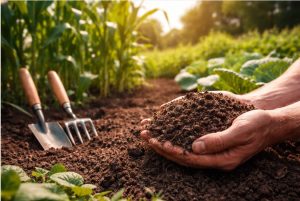
Flowers need nutrient-rich soil to grow healthy and strong. Before planting, loosen the soil and mix in organic compost or manure. This helps retain moisture and provides essential nutrients for your plants.
Quick Tip
Perform a soil test to check for pH balance and nutrient levels. Most flowering plants prefer slightly acidic to neutral soil (pH 6-7).

3. Give Your Flowers Enough Sunlight
Sunlight is crucial for flower gardening. Most flowers need at least 6 hours of direct sunlight daily. However, some shade-loving varieties like begonias and ferns can thrive with less sun.
Ask Yourself:
Have you checked how much sunlight your garden gets? Observe different spots throughout the day to determine where to plant sun-loving and shade-loving flowers.
4. Water Wisely
Overwatering and underwatering are common mistakes in flower gardening. The key is to water deeply but less frequently to encourage strong root growth. Early morning watering is best because it prevents evaporation and allows plants to absorb moisture before the heat of the day.
Signs of Overwatering
- Yellowing leaves
- Wilting despite wet soil
- Root rot
Signs of Underwatering
- Dry, brittle leaves
- Slow growth
- Drooping flowers
5. Mulch for Moisture Retention and Weed Control
Mulching is one of the simplest ways to keep your flower garden healthy. Organic mulches like bark, straw, and leaves help retain moisture, prevent weeds, and regulate soil temperature.
How to Mulch Correctly
- Apply a 2-3 inch layer around the base of plants
- Keep mulch away from direct contact with stems to prevent rot
- Replenish mulch as needed to maintain its benefits

6. Fertilize Regularly but Don’t Overdo It
Flowers need proper nutrition to bloom beautifully. Use organic fertilizers like compost tea or well-balanced slow-release fertilizers to feed your plants.
Common Fertilizing Mistakes
- Using too much fertilizer can burn roots
- Applying at the wrong time (avoid fertilizing during dormancy)
- Not following recommended dosages on the packaging
7. Prune and Deadhead for Continuous Blooms
Pruning encourages healthy growth and prevents diseases. Deadheading, or removing spent blooms, helps many flowers keep producing more blooms throughout the season.
Best Time to Prune
- Spring-flowering plants: After they finish blooming
- Summer-blooming plants: Late winter or early spring
8. Protect from Pests and Diseases
Pests like aphids, spider mites, and caterpillars can damage your flowers. Use natural remedies like neem oil, garlic spray, or introducing beneficial insects like ladybugs to keep pests in check.
Common Flower Diseases
- Powdery mildew (white powdery spots on leaves)
- Black spot (black patches on roses)
- Rust (orange-brown spots on leaves)
Regularly inspect your plants and remove affected leaves to prevent the spread of disease.

9. Choose Companion Plants for Healthier Growth
Some plants grow better together! Marigolds, for example, help repel pests from roses and tomatoes. Lavender attracts bees that aid in pollination.
Good Companion Planting Combos:
- Roses and garlic (repels aphids)
- Sunflowers and cucumbers (provides shade for cucumbers)
- Petunias and basil (deters pests)
10. Enjoy and Experiment
Flower gardening is a joyful experience. Try new plants, rearrange your garden, and experiment with colors and textures. The more you engage with your garden, the better you’ll understand what works best for your space.
Fun Idea:
Create a themed garden—like a butterfly garden with nectar-rich flowers or a moonlight garden with white and night-blooming flowers.

Conclusion
Flower gardening is a rewarding hobby that brings beauty, relaxation, and joy to your life. By following these simple yet effective tips, you can create a flourishing garden full of vibrant blooms. Whether you’re a beginner or an experienced gardener, there’s always something new to learn and explore in the world of flowers. So, grab your gardening tools, get your hands in the soil, and start growing your dream garden today!
FAQs
1. How often should I water my flowers?
Most flowers need watering 2-3 times a week, but it depends on the season and soil type.
2. What is the best flower for beginners?
Marigolds, petunias, and zinnias are easy to grow and maintain.
3. How do I prevent weeds in my flower garden?
Mulching and regular hand weeding help prevent unwanted weeds.
4. When should I plant flowers?
Spring and fall are the best times for planting, depending on the flower type.
5. How do I attract pollinators to my garden?
Plant nectar-rich flowers like lavender, sunflowers, and daisies.
6. What’s the best way to improve my soil?
Add compost, mulch, and organic matter regularly.
7. Why are my flowers not blooming?
Lack of sunlight, poor soil, and over-fertilization could be the reasons.
8. Can I grow flowers in containers?
Yes! Many flowers, like geraniums and pansies, thrive in pots.
9. What flowers bloom all year round?
Perennials like roses, daisies, and chrysanthemums bloom multiple times a year.
10. How do I protect flowers from extreme weather?
Use shade cloth, mulch, and proper watering techniques to shield your flowers from extreme heat or cold.





1 thought on “Top 10 Flower Gardening Tips for a Stunning Garden”