
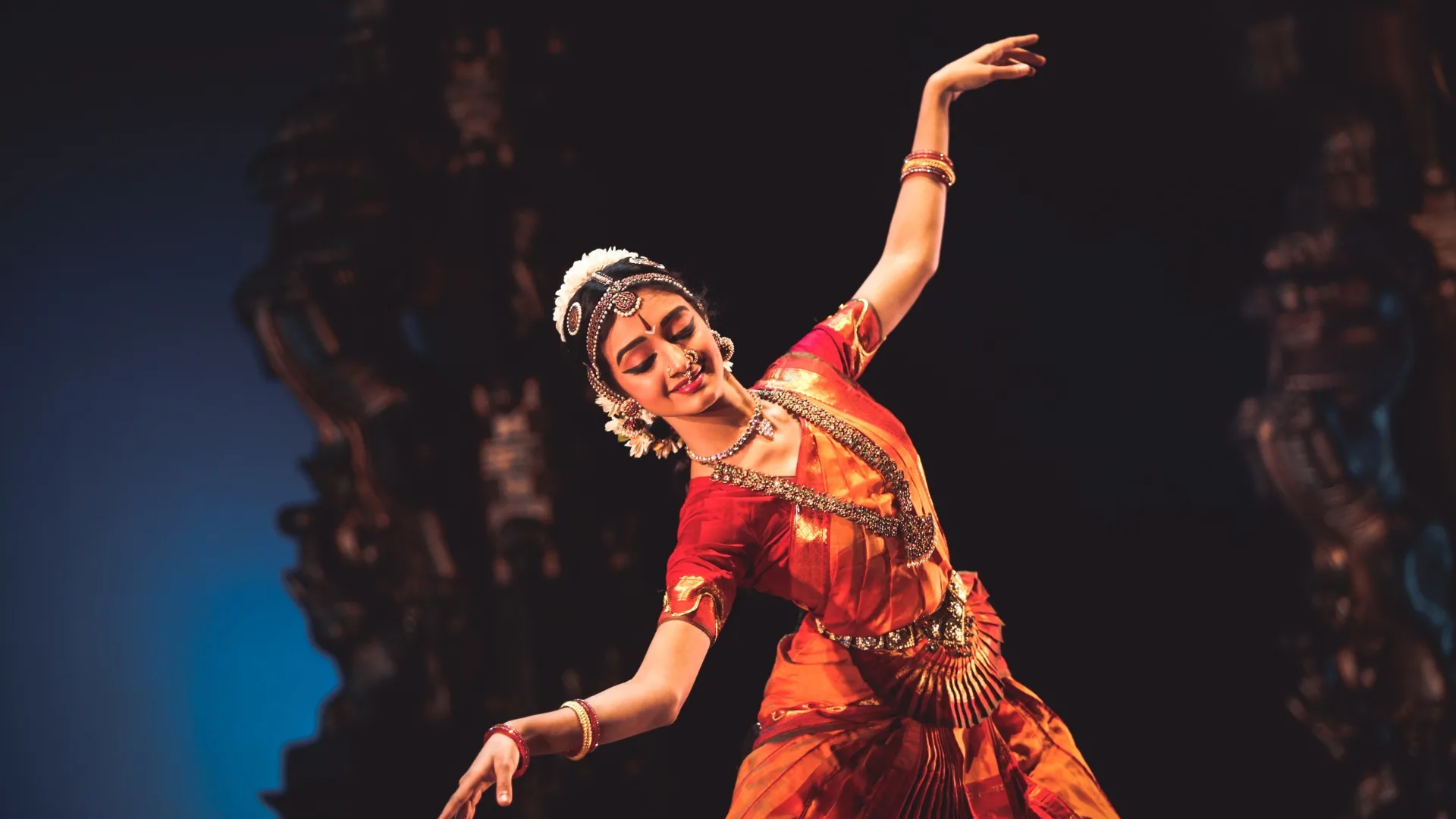
Kathak is one of the most graceful classical dance forms of India, known for its fast footwork, expressive storytelling, and rhythmic spins. When people talk about traditional Indian arts, the conversation almost always circles back to this beautiful dance form. To understand the true beauty of Kathak, one must understand how it evolved over the centuries. This is where the deeper journey into kathak dance history begins.
Kathak is not just a dance; it is a long cultural journey that holds stories, traditions, and emotions from ancient India. The dance has passed through many phases—temple storytelling, court performances, Mughal influence, and modern global exposure. Each phase added something special to what we know today.
In this detailed guide, we walk through the entire landscape of kathak dance history, its styles, techniques, costumes, and the artists who became legends. The goal is to give you a clear and simple understanding of everything that shaped this beautiful art form.
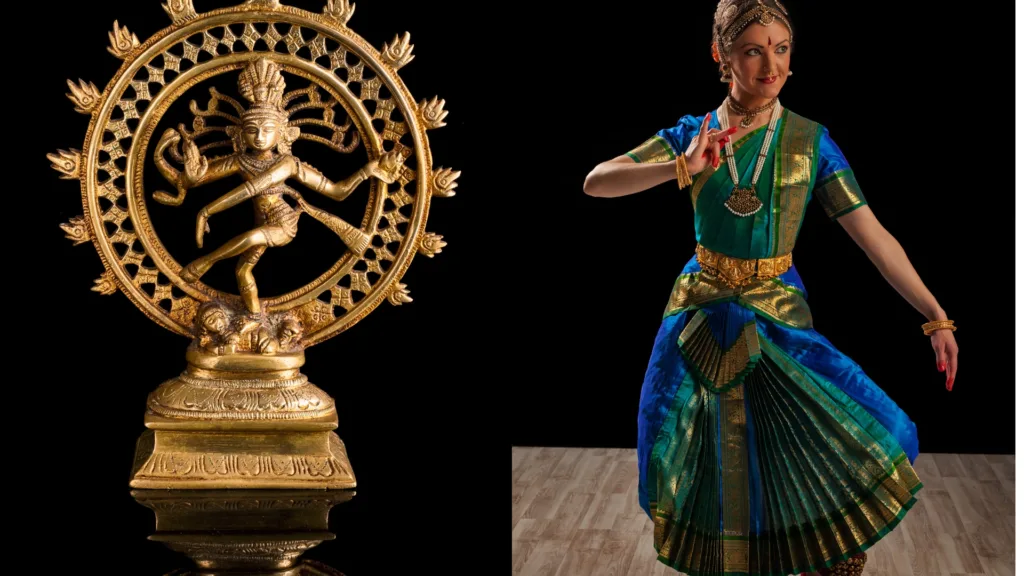
The Early Roots: Origins of Kathak
The roots of kathak go back to the travelling storytellers of ancient northern India. These storytellers, called Kathakars, used music, expressions, hand gestures, and rhythmic movement to narrate stories from mythological texts. These early performers moved from village to village, bringing tales of gods and heroes to life.
In the earliest period of kathak dance history, the dance was not what we see today. It was more like a dramatic storytelling session. Over time, these stories became more expressive, more musical, and more rhythmic. The movements grew more detailed, the footwork more defined, and the expressions more nuanced.
When temples became major learning centers, Kathak was performed to express devotion. The dance became a form of worship, especially in temples dedicated to Krishna. The romantic tales of Radha and Krishna inspired dancers to develop unique expressions of love and devotion, which are still central to the dance today.
This early period shaped the emotional foundation of kathak dance history, giving it a spiritual tone that continues even now.
The Mughal Influence: A Turning Point
The Mughal era dramatically changed the course of kathak. When the dance entered royal courts, it began to grow in sophistication. The Mughal courts loved music, poetry, and dance, and they welcomed Kathak with open hearts. It was during this time that Kathak transformed from a devotional storytelling style into a refined classical dance form.
The influence of Persian culture added delicate hand gestures, intricate spins, and graceful movements. The rhythmic system became more complex, giving dancers more freedom for improvisation. Costumes also changed. Instead of temple attire, dancers wore long flowing dresses influenced by Mughal fashion.
This period in kathak dance history was crucial because it brought the dance into the royal spotlight. Dancers were encouraged to explore new ideas and add layers of elegance to their performance. While the temple version of Kathak focused on devotion, the court version focused on beauty, precision, and artistry.
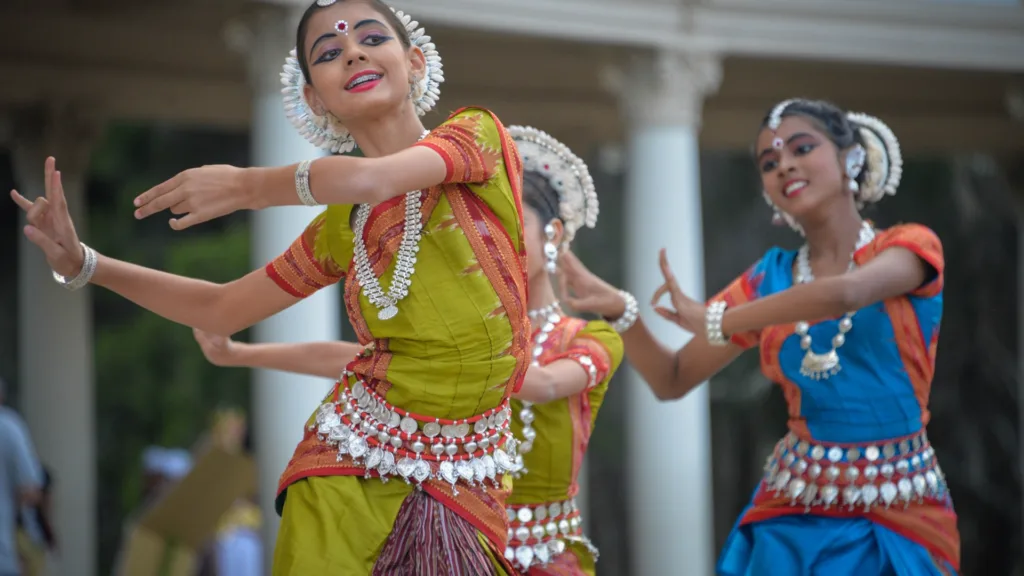
This balance between devotion and elegance continues to define the dance even today.
Kathak in the British Era
When the British arrived, performing arts across India went through many challenges. Court patronage declined, temples lost support, and many traditional artists struggled to sustain their practice. Kathak was no exception.
However, even during this tough period, the dance survived because of families who preserved their traditions. These families became the foundation of the gharanas (schools or styles) that later shaped modern Kathak.
In this chapter of kathak dance history, resilience became a major theme. Artists kept the dance alive in small gatherings and family settings. They trained their children, protected their compositions, and preserved the rhythmic patterns passed down through generations.
By the late British period, interest in Indian arts began to rise again. Cultural groups, nationalist movements, and art lovers started supporting traditional dances. This revival helped Kathak regain respect and slowly make its way back into mainstream culture.
Understanding the Three Gharanas of Kathak
Kathak has three major gharanas, each with its own style and specialties. These styles developed in different regions, shaped by local culture and patronage.
1. Lucknow Gharana
The Lucknow style focuses on expression, grace, and delicate movement. It is famous for its subtle emotions, soft gestures, and romantic storytelling. The court of Nawab Wajid Ali Shah played a major role in nurturing this style. Many elements from this era remain central to the Lucknow identity.
2. Jaipur Gharana
This style is known for powerful footwork, complex rhythms, and energetic spins. Dancers from the Jaipur school often highlight strong technique and mathematical precision. The temples and courts of Rajasthan greatly influenced the development of this gharana.
3. Benaras (Banaras) Gharana
The Benaras style blends both expressive and technical elements. It is known for graceful movements, strong footwork, and unique compositions. The dance tradition of Kashi played an important role in shaping the temperament of this gharana.
Each gharana holds an important place in kathak dance history, reflecting the diversity of the Indian cultural landscape.
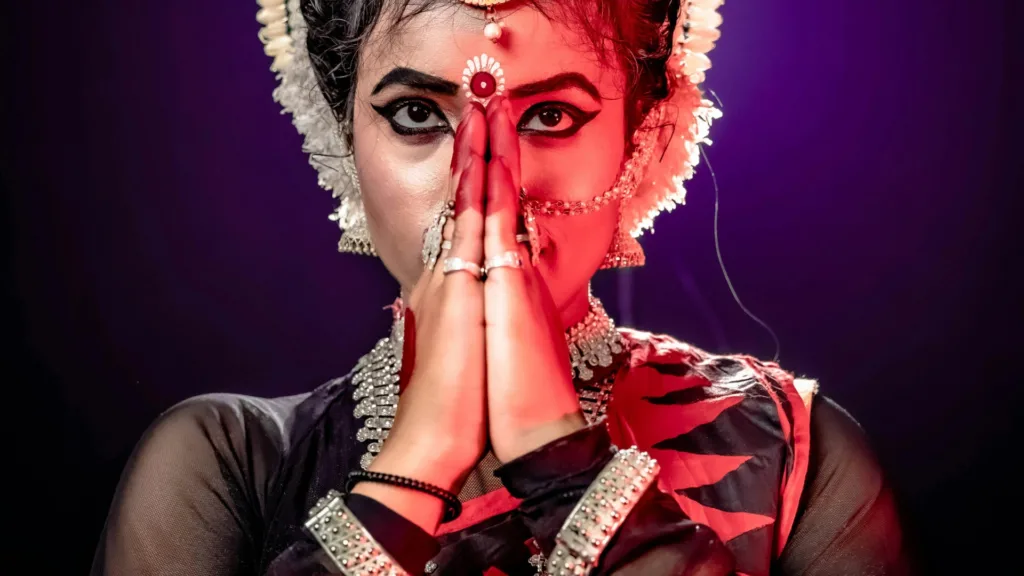
Techniques That Make Kathak Unique
Kathak stands out because of its blend of movement, rhythm, and expression. The techniques used in the dance make it both challenging and captivating.
Footwork (Tatkaar)
Kathak footwork involves fast, sharp, and rhythmic tapping. Dancers can produce hundreds of beats within a few minutes, all in perfect alignment with the music. This is one of the strongest pillars of kathak dance history, developed over centuries of practice.
Spins (Chakkars)
Kathak spins are world-famous. These turns require perfect balance, sharp control, and deep practice. The number of spins a dancer takes is often used to display mastery.
Hand Gestures (Mudras)
Mudras help narrate stories and emotions. Kathak uses both simple and complex gestures to show ideas, characters, and scenes.
Expressions (Abhinaya)
Expression is the heart of Kathak. Whether telling a mythological story or performing a modern theme, dancers bring emotions alive using their eyes, face, and subtle gestures.
Rhythmic Patterns (Taal)
Kathak uses a wide range of rhythmic cycles, each bringing a different mood. Dancers must have a strong sense of timing to perform these patterns confidently.
Costumes and Music in Kathak
The magic of Kathak is incomplete without its costumes and music.
Costumes
Kathak costumes differ for men and women:
- Women often wear a long flowing skirt, fitted blouse, and a dupatta, or sometimes the Mughal-inspired angarkha set.
- Men usually wear a kurta-churidar or a long angarkha.
The costumes are designed to highlight movement, footwork, and spins.
Music
The music of Kathak includes instruments like:
- Tabla
- Harmonium
- Sarangi
- Sitar
- Pakhawaj
- Flute
The rhythmic dialogue between the dancer and tabla player is one of the most thrilling parts of Kathak performance.
Kathak in Modern Times
Today, Kathak has become one of the most recognized classical dance forms globally. It is performed on big stages, festivals, and cultural events in many countries. Artists are blending traditional themes with modern storytelling. Schools and academies are teaching new learners across India and abroad.
In modern kathak dance history, the focus is shifting toward innovation while respecting tradition. Dancers experiment with new music styles, new stories, and collaborative performances. Yet, the core spirit of Kathak remains untouched—its deep connection with rhythm, expression, and storytelling.
Legendary Performers Who Shaped Kathak
Many dancers used their creativity and discipline to expand and preserve the art. While there are countless contributors, a few names stand out for their influence and lifelong dedication.
Pandit Birju Maharaj
A true legend, he is one of the most respected names in kathak dance history. Known for his grace, expressions, and dedication, he taught thousands of students and inspired millions.
Sitara Devi
Often called the “Queen of Kathak,” she brought enormous energy and boldness to her performances. She helped popularize the dance on international stages.
Saswati Sen
A renowned artist closely associated with the Lucknow style, she has played a huge role in teaching and performing across the world.
Shovana Narayan
Known for her intelligence, discipline, and deep understanding of the art, she has contributed greatly to modern Kathak.
Maya Rao
A powerful performer and teacher, she made strong contributions to the dance world through choreographies and training programs.
Each of these artists added a new dimension to kathak dance history, ensuring that future generations could learn and grow.
The Emotional Side of Kathak
Kathak is not only about technique. It is a dance of feelings. Every movement reflects a mood, a story, or an emotion. Whether the dancer is portraying joy, devotion, mischief, pain, or love, the audience can feel the energy.
The emotional richness is what keeps Kathak alive even after hundreds of years. The more you understand the emotional journey, the deeper your connection with the dance becomes. This emotional depth is also one of the most admired aspects in the long span of kathak dance history.
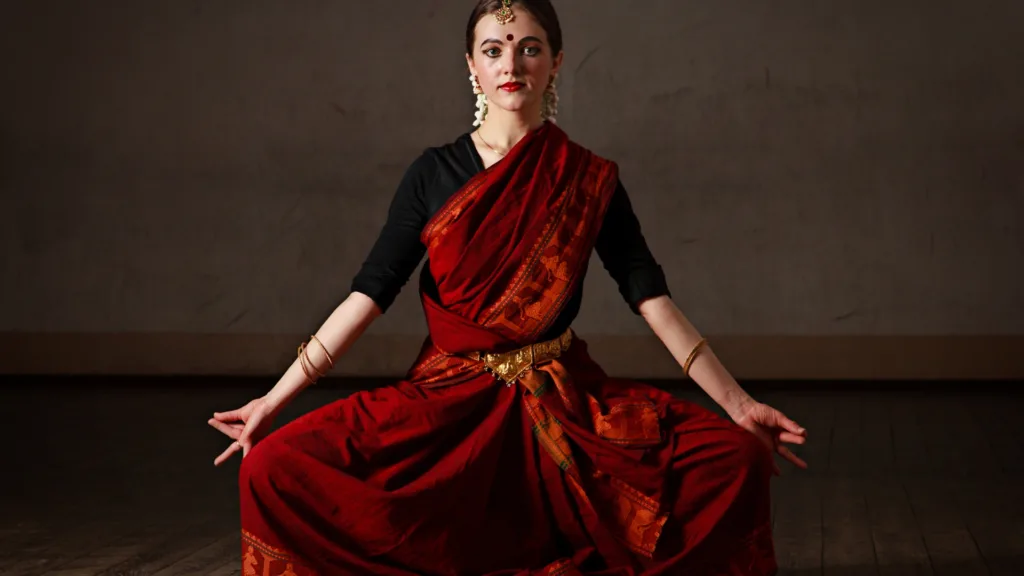
The Global Journey of Kathak
Kathak is now taught in universities, academies, and cultural centers around the world. Many dancers from the US, UK, Europe, Australia, and Asia have become devoted learners of the form.
International festivals often feature Kathak performances, and global collaborations have taken the art to new audiences. The rise of social media and online classes has also made it easier for learners everywhere to access high-quality training.
These global developments form the latest chapter in kathak dance history, showing how a regional dance from ancient India has become a universal art form.
Keynote Takeaway
Kathak is more than a classical dance. It is a living history of emotions, devotion, rhythm, and culture. Its roots lie in ancient storytelling, its elegance grew in royal courts, and its resilience survived colonial challenges. Today, it shines as one of the most respected dance traditions in India and abroad.
Every turn, every beat, and every expression carries the weight of centuries. By understanding kathak dance history, we begin to appreciate not just the dance but the people and stories that kept it alive through time.
FAQs:
1. What makes Kathak different from other Indian classical dances?
Kathak stands out for its fast footwork, graceful spins, and expressive storytelling. While many classical dances focus mainly on devotion, Kathak blends devotion with courtly elegance, giving it a unique balance of strength and softness.
2. How long does it take to learn Kathak?
Learning the basics may take a few months, but mastering the dance usually takes years of steady practice. Many dancers continue learning throughout their lives, as Kathak offers endless depth and possibilities.
3. Can beginners start Kathak at any age?
Yes, Kathak is very beginner-friendly. Children, teenagers, and adults can all start learning. What truly matters is consistency, passion, and a love for rhythm and movement.
4. What instruments are commonly used in Kathak performances?
The most common instruments are tabla, harmonium, sarangi, sitar, flute, and pakhawaj. The rhythmic exchange between the dancer and the percussionist is often the highlight of the performance.
5. Are the three gharanas very different from each other?
Yes, each gharana has its own personality. Lucknow focuses on grace and expression, Jaipur emphasizes strong footwork and rhythm, and Benaras blends expressive and technical elements. While they share the same foundation, their styles bring different flavors to the dance.
6. Is Kathak hard to learn for someone with no dance background?
Not at all. Many beginners start Kathak without any prior dance experience. The movements are taught step by step, and the pace can be adjusted based on the learner’s comfort. Over time, coordination, rhythm, and confidence improve naturally.
7. Is Kathak only a traditional dance?
While it is rooted in tradition, Kathak is very flexible. Modern dancers often experiment with new themes, music styles, and stage designs. This makes Kathak suitable for classical performances as well as contemporary storytelling.
8. Why is storytelling so important in Kathak?
Storytelling is part of the dance’s earliest roots. Kathak was originally performed by storytellers who narrated tales through gestures, expressions, and movement. This tradition still shapes how dancers express emotions and characters today.
9. How is costume important in Kathak?
Costumes highlight the movements, spins, and expressions of the dancer. The flowing skirt or angarkha enhances visual beauty, while jewelry and colors help reflect the mood of the performance.
10. How has Kathak reached global popularity?
International festivals, cultural programs, online platforms, and global dance collaborations have helped Kathak spread across continents. Many dancers and teachers now run academies outside India, making the art accessible worldwide.


