

Introduction: Parenting in 2025—What’s Changed?
Let’s face it—parenting today isn’t what it used to be. Between technology overload, academic pressure, and emotional burnout, both parents and children are navigating new challenges every single day. That’s why understanding the Top 10 Parenting tips is more important than ever. But here’s the twist: it’s not just about what we do at home. Schools now play a huge role in our children’s mental, emotional, and social health.
Have you ever found yourself wondering if schools are really doing enough for your child’s well-being? You’re not alone. Parents across the globe are asking the same question. And that’s what this blog is all about—linking the Top 10 Parenting tips to why schools should make student well-being a top priority in 2025.

Why Parenting and Schools Must Work Together
In the past, parenting and schooling were considered separate entities. But today, parenting doesn’t stop at the school gate. Emotional resilience, stress management, digital health, and self-esteem are now part of a child’s educational journey. That’s why one of the Top 10 Parenting tips is this: work with the school, not against it. Parents and teachers should be on the same team.
You might ask, “Isn’t academic excellence the primary goal of education?” Sure, but what’s the point of straight A’s if your child is anxious, overwhelmed, or disconnected?
Main Body: Top 10 Parenting Tips That Every Parent Must Know
Let’s get into the practical stuff. These are the Top 10 Parenting tips you need in 2025, especially as schools begin to rethink their approach to student well-being.
1. Listen More Than You Speak
This sounds simple but it’s one of the most powerful Top 10 Parenting tips. Kids aren’t always looking for answers—they want to feel heard. Schools should also adopt this mindset, encouraging active listening among teachers and counselors.
Ask Yourself:
Do you give your child enough time to express their feelings without interruption?
2. Teach Emotional Vocabulary at Home
Words matter. Helping your child name their feelings—like anxious, frustrated, proud, or peaceful—builds emotional intelligence. And when schools support this by implementing emotional literacy programs, everyone wins.
3. Set Realistic Academic Expectations
One of the Top 10 Parenting tips is knowing the difference between motivation and pressure. Parents often push too hard without realizing it. If schools provide individualized support plans, students can thrive at their own pace.

4. Encourage Digital Balance
We live in a screen-filled world, and digital balance is one of the most crucial Top 10 Parenting tips. Limit screen time without banning it. At the same time, schools should focus on teaching digital citizenship—not just tech skills.
5. Make Time for Unstructured Play
Unstructured play boosts creativity and emotional regulation. It’s not just for toddlers—older kids need it too. Schools that prioritize well-being include play and physical activity in the curriculum.
6. Practice Positive Discipline
Forget yelling or punishments. Use consequences that teach rather than hurt. This Top 10 Parenting tip helps raise respectful and self-aware kids. Schools need to adopt similar discipline strategies to create emotionally safe environments.
7. Prioritize Sleep Hygiene
Many parents don’t realize how crucial sleep is for mental and emotional well-being. Make it a non-negotiable part of your routine. Schools should advocate for later start times to support adolescent sleep cycles.
8. Normalize Mental Health Conversations
This Top 10 Parenting tip is gaining more attention than ever before. Talk about feelings, therapy, and stress management like you would talk about a cold. Schools that provide mental health resources and workshops create lasting impact.
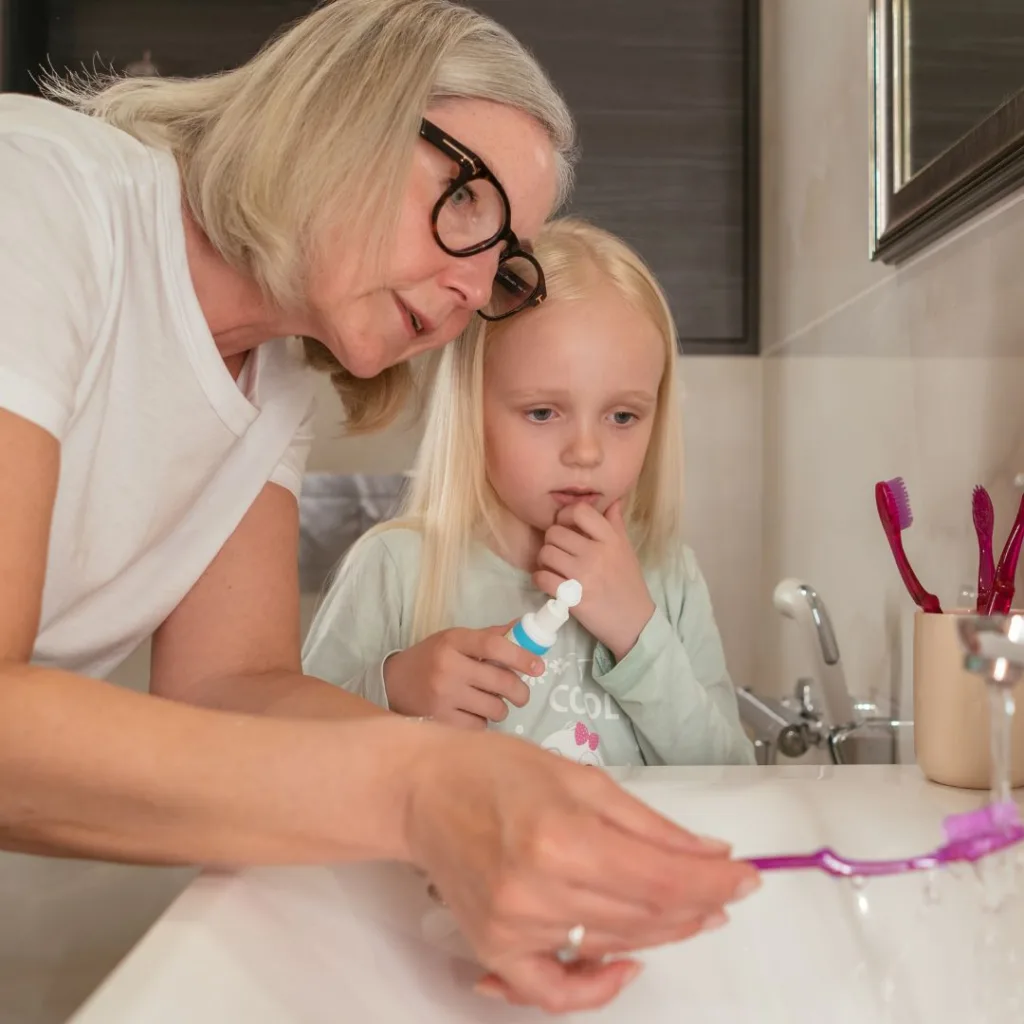
9. Model the Behavior You Want to See
Kids learn more by watching than by listening. Be kind, curious, and emotionally aware—and chances are, they will be too. Schools should reflect this by hiring teachers trained in emotional and behavioral development.
10. Create a Safe Space at Home
And finally, the most powerful of the Top 10 Parenting tips: make home a judgment-free zone. Your child should feel like they can talk to you about anything. Schools should mirror this approach with open-door counseling and safe zones.
Why Should Schools Prioritize Student Well-being in 2025?
Because the world our children are growing up in is changing fast.
Mental health issues in children and teens have skyrocketed. Depression, anxiety, and even suicide are no longer rare. Academic achievement alone won’t protect them.
When schools shift their focus from just grades to emotional resilience, kids perform better, behave better, and grow up to be more balanced adults. And isn’t that what we all want?
Do you know if your child’s school has a well-being policy?
The Science Behind Student Well-being
Studies show that schools that include well-being strategies—like mindfulness sessions, social-emotional learning (SEL), and peer-support systems—see improvements in academic scores and student behavior.
Children with high emotional intelligence are:
- Less likely to experience depression
- More likely to do well academically
- Better at forming meaningful relationships
If these aren’t reasons to adopt the Top 10 Parenting tips, what are?
How to Talk to Your Child’s School About Well-being
- Ask questions about emotional support services
- Suggest parent-teacher collaboration workshops
- Encourage schools to include mental health in their curriculum
- Be vocal about the importance of well-being during PTA meetings
How These Parenting Tips Fit Into Everyday Life
Let’s bring it home. You’re busy, juggling work, home, and your child’s future. But integrating the Top 10 Parenting tips doesn’t mean redoing your life. It means small, consistent changes.
For example:
- Tip 1 (Listen more) can be practiced at the dinner table.
- Tip 4 (Digital balance) starts with a no-phones-at-bedtime rule.
- Tip 10 (Safe space) happens when you say, “It’s okay to cry.”
Conclusion: The Real Win is a Balanced Child
At the end of the day, you’re not just raising a student—you’re raising a human. And while test scores and achievements matter, emotional safety and well-being are what truly set your child up for success in life.
So yes, follow the Top 10 Parenting tips and yes, demand more from schools. Let’s raise a generation that is not just smart, but also kind, curious, and emotionally resilient.
Because in 2025 and beyond, emotional strength is the new academic excellence.

FAQs About Top 10 Parenting Tips & Student Well-being
1. What if my child doesn’t talk about their feelings?
Start small. Ask open-ended questions. Be patient and consistent.
2. How do I manage screen time without causing conflict?
Involve them in setting the rules. Kids are more cooperative when they feel heard.
3. Can well-being be measured in schools?
Yes. Through surveys, feedback, and emotional check-ins.
4. Is playtime really that important for older kids?
Absolutely. It fuels imagination, stress relief, and social bonding.
5. How can I tell if a school prioritizes well-being?
Look for SEL programs, mental health counselors, and stress-free academic policies.
6. What’s the best way to support emotional learning at home?
Use storytelling, role-play, and emotion charts. Keep it light but consistent.
7. Should I talk to my child about therapy?
Yes. Normalize it just like a visit to the doctor.
8. What are signs my child is overwhelmed?
Irritability, withdrawal, fatigue, or changes in appetite and sleep.
9. Can I raise a resilient child in a high-pressure school system?
Yes—but only if you balance it with emotional safety and realistic expectations.
10. How often should I check in with my child emotionally?
Daily, even if it’s just for five minutes. Make it a habit, not a task.


1 thought on “Top 10 Parenting Tips: Why Schools Need to Prioritize Student Well-being in 2025”