
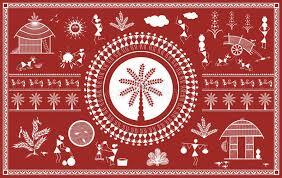
Warli Painting: The Traditional Tribal Art of Maharashtra
When you hear the phrase Warli Painting of Maharashtra, you might picture simple stick-like figures drawn in white on earthy brown walls. But this tribal art is far more than just shapes and patterns. It carries stories, emotions, rituals, and a lifestyle that has survived for thousands of years. This art belongs to the Warli tribe living in the coastal regions of Maharashtra, mainly in places like Dahanu, Palghar, and Thane. Even though the visual style looks simple, the ideas behind it are rich and incredibly meaningful.

In this guide, let’s explore what makes the Warli Painting of Maharashtra so special. You’ll learn about its history, symbols, materials, themes, and the way this tribal art connects deeply with nature and community. The goal is to make you understand the art the same way you would understand a friend telling you a story—not complicated, not heavy, just real and easy.
What Makes Warli Painting of Maharashtra Unique?
The first thing that stands out is its minimalistic look. The Warli Painting of Maharashtra uses only two main colours—white and brown. The brown background comes from mud walls, and the white pigment is made from rice paste. Instead of using bright palettes like many other Indian art styles, Warli artists stick to simplicity. This simplicity is not a limitation; it’s the identity of the art.
The figures are drawn using basic shapes—circles, triangles, squares. But these shapes are not random. They represent elements of nature. For example:
- Circle represents the sun and the moon.
- Triangle represents mountains or trees.
- Square represents a sacred space.
Together, these shapes build scenes of daily life, rituals, farming, celebrations, and community events.
History Behind the Warli Painting of Maharashtra
The Warli Painting of Maharashtra is believed to be one of the oldest forms of tribal art in India, dating back almost 2,500 years. What makes it fascinating is how the art remained untouched by modern influence for centuries. While other painting styles evolved, Warli stayed loyal to its roots. For the Warli tribe, art was not decoration—it was communication.
Warli artists painted during important occasions like marriages, harvest festivals, or rituals. Their paintings were not meant for display or selling in the market. They were part of their culture, a way to record experiences or honour their gods. That’s why the art feels humble yet powerful.
The Meaning of Symbols in Warli Painting of Maharashtra
Understanding the symbols can help you appreciate the art better. Every symbol has a purpose.
The Tarpa Dance
One of the most iconic scenes in the Warli Painting of Maharashtra is the Tarpa dance. The Tarpa is a wind instrument played during festivals. You’ll often see a group of people dancing in a circle around the musician. This circular movement symbolizes unity and the cycle of life.
Human Figures
The stick-like figures are not just drawn randomly. Their posture shows movement—running, climbing, dancing, sowing crops, hunting, or celebrating. The idea is to show the rhythm of daily life.
Trees and Animals
Warli artists often draw animals like cows, birds, and deer. Trees especially the palm tree appear frequently. These elements show how deeply connected the tribe is to nature.
The Mother Goddess
The central deity in Warli belief is the Mother Goddess, representing fertility and growth. She is often drawn larger than other figures.
Each symbol feels like a piece of a bigger story, and when the story comes together, it gives you a glimpse into tribal life.
Materials Used in Warli Painting of Maharashtra
Traditional artists used natural materials available around them. For the background, they would coat the walls with a mixture of mud and cow dung, giving it a strong brown base. For the paint, they used ground rice mixed with water and gum. Brushes were made from bamboo sticks or chewed bamboo fibers.
Even though modern Warli artists now use canvas, acrylic colours, and market-friendly tools, many still stick to the traditional style because they want the art to stay authentic.
Themes Depicted in Warli Painting of Maharashtra
1. Daily Activities
Scenes of farming, cooking, fishing, collecting firewood, or grazing cattle are common.
2. Festivals and Rituals
Weddings are a major theme. The wedding painting, known as Lagnacha Chowk, is considered sacred.
3. Nature
Mountains, rivers, trees, birds, and animals show how the tribe respects nature.
4. Social Life
Warli paintings beautifully show community bonding—people dancing, sharing meals, or working together.
These themes reflect the rhythm of life without exaggeration. It’s everyday life captured through art.
How the Warli Painting of Maharashtra Is Created
Let’s go through the simple step-by-step flow of how a traditional painting is made:
- Walls are cleaned and coated with cow dung and mud.
- Artists prepare the rice paste.
- The outline of the painting is sketched.
- The main figures are added.
- Details like trees, animals, and decorations complete the scene.
The process is peaceful and slow, almost like meditation. Every stroke carries meaning.
Role of Women in Warli Painting of Maharashtra
What makes this art even more special is that women were the original artists. Before the art reached the outside world, the murals were created almost entirely by women during rituals and weddings. Over time, men also started painting, especially when Warli art entered the commercial space. But the heart of the painting still beats with the creativity of tribal women.
Modern Influence on the Warli Painting of Maharashtra
Today, the art is not limited to mud walls. You can see Warli designs on fabrics, home décor, canvases, souvenirs, corporate branding, and even street murals. Schools and colleges invite Warli artists for workshops. Urban designers use Warli themes for public projects.
This new interest has helped the Warli community financially. But at the same time, many tribal artists ensure the essence remains unchanged—the simplicity, the story, and the connection to nature.
The Social Message in Warli Painting of Maharashtra
The art may look simple, but it speaks loudly about unity, equality, and respect for nature. There is no hierarchy in the figures. Everyone looks alike, symbolizing community equality. Nature is always central, showing how important the environment is to the tribe.
At a time when the world is facing environmental issues, Warli art quietly reminds us that we are part of nature and responsible for protecting it.
Why the Warli Painting of Maharashtra Stands Out
There are many reasons why people are drawn to this art:
- It’s simple but meaningful.
- It uses nature-inspired symbols.
- It celebrates community spirit.
- It connects you to ancient Indian culture.
- It reflects balance between humans and nature.
- It’s highly versatile for modern design.
The Warli Painting of Maharashtra proves that art doesn’t need to be fancy to be powerful. Sometimes, the simplest forms leave the strongest impression.
Influence of Warli Painting of Maharashtra on Modern Designers
From fashion designers to interior decorators, many creators use Warli motifs today. Sarees, shawls, notebooks, lamps, t-shirts, wall decals—all carry Warli symbols. The style adds a rustic yet elegant touch.
Designers love it because it has:
- Clean lines
- Minimal patterns
- Universal themes
- Easy-to-recognise style
Even big brands have used Warli designs to promote eco-friendly campaigns and community themes.

How Warli Painting of Maharashtra Preserved Tribal Identity
The Warli tribe did not have a written script. Their stories, traditions, rituals, and knowledge were passed down visually through paintings. This is why the art is sacred to them. It is not just drawing; it is a record of their way of life.
Even today, Warli murals in villages act like cultural memory walls. They remind the younger generation of their roots.
Warli Painting of Maharashtra: A Living Tradition
Unlike some ancient art forms that remain only in textbooks, Warli art is alive and evolving. Tribal artists continue painting every festival, marriage, or seasonal ceremony. Young artists are learning both the traditional method and modern adaptations. It is a beautiful blend of culture and creativity.
The survival of the Warli Painting of Maharashtra proves how strong the connection between people and tradition can be when art is tied to identity, not just aesthetics.
Keynote Takeaway
The Warli Painting of Maharashtra is more than a tribal art style; it is a living language of shapes, symbols, and traditions. Its simplicity carries deep meaning, and its age-old practices continue to inspire people even today. Whether you admire it for its beauty, its message, or its cultural value, Warli art always gives you something to think about.
FAQs:
1. What makes Warli painting of Maharashtra special?
Warli painting of Maharashtra stands out because of its simple geometric shapes and deep connection to nature. It reflects the daily life, beliefs, and traditions of the Warli tribe in a way that feels pure and honest.
2. Which colours are used in Warli painting of Maharashtra?
Traditionally, only two colours are used—white for the figures and brown or red mud for the background. The white colour comes from rice paste, which gives the artwork a raw and earthy look.
3. Who are the creators of Warli painting of Maharashtra?
The Warli tribe from the northern districts of Maharashtra, mainly Palghar, are the creators of this beautiful art. It has been passed down through generations, mostly by women of the community.
4. Is Warli painting of Maharashtra difficult to learn?
Not at all. The beauty lies in its simplicity. With practice, anyone can learn the basic shapes and storytelling style that make this art form unique.
5. What themes are commonly shown in Warli painting of Maharashtra?
Most paintings show scenes from daily life—farming, hunting, dancing, festivals, and rituals. Nature is always at the centre of it.
6. Why is the Tarpa dance famous in Warli painting of Maharashtra?
The Tarpa dance is a common festive scene. It celebrates togetherness, music, and community joy, making it a favourite subject of Warli artists.
7. Can Warli painting of Maharashtra be used in modern décor?
Yes, very easily. Today, it appears on wall murals, home décor items, clothing, bags, and even branding. Its timeless design fits both traditional and modern spaces.
8. Is Warli painting of Maharashtra protected under any law?
Yes. It is recognised as a tribal art heritage of Maharashtra. Many efforts are being made to support tribal artists and preserve the authenticity of the style.
9. What materials are used in Warli painting of Maharashtra today?
While rice paste and mud walls were used earlier, artists now use acrylic paints, canvas, handmade paper, and even digital mediums to reach a wider audience.
10. Why is Warli painting of Maharashtra popular worldwide?
Its minimal style, strong storytelling, and natural charm appeal to people all over the world. It represents Indian tribal culture in the simplest and most beautiful way.


