Indian Wedding Traditions: A Complete Guide
If you’ve ever attended an Indian wedding, you already know it’s not just an event—it’s an entire world of emotions, rituals, colors, laughter, and celebrations stitched together like a beautiful story. Every family brings its own touch, every region adds its own style, and every ceremony has a purpose rooted in culture. That’s what makes Indian wedding traditions so fascinating.

Whether you’re a bride-to-be, a groom prepping for your big day, a curious guest, or simply someone who loves learning about cultures, this guide walks you through everything in the simplest and most relatable way.
And here’s a quick question to start—Have you ever wondered why so many Indian weddings last three to five days? You’re about to find out.
Understanding Indian Wedding Traditions
Indian weddings aren’t just about the union of two people—they’re about the joining of two families, two lineages, and two sets of customs. That is why every ceremony, from the smallest to the biggest, has a meaning behind it.
Here’s how the entire journey unfolds:
- Pre-wedding rituals
- The main wedding day
- Post-wedding traditions
- Regional and religious variations
- Family bonding, food, music, and celebrations
- Symbolic gestures that express blessings
And more than anything else, these traditions reflect love and respect.
Pre-Wedding Rituals: The Beginning of the Celebration
1. Roka & Engagement Ceremony
The roka is like the official announcement from both families that the couple is ready to start their new life together. It’s usually intimate, emotional, and marks the beginning of the wedding journey.
The engagement follows, where rings are exchanged, and blessings flow from every direction. It’s simple in some families and grand in others, but the essence remains the same—acceptance and joy.
2. Haldi: A Ceremony of Joy and Glow
This is one of the happiest pre-wedding moments. Family members apply a paste of turmeric, sandalwood, and rosewater on the bride and groom.
Turmeric is believed to bring positivity and a natural glow, while the ceremony itself becomes a moment of laughter, teasing, and warm blessings.
Ever wondered why everyone dresses in yellow for haldi? It symbolizes purity and new beginnings.

3. Mehendi: Art, Celebration & Mystery
The mehendi ceremony is usually filled with dance, music, and endless fun. The bride’s hands and feet are decorated with intricate designs, often hiding the groom’s name inside the patterns.
Some families even believe that the darker the mehendi color, the stronger the bond between the couple. Romantic, isn’t it?
4. Sangeet: Music, Dance & Family Fun
This is where everyone lets loose. The sangeet is like the heart of Indian wedding celebrations—dance performances, friendly face-offs between families, and songs that stay in your head for years.
Some families combine sangeet with cocktail night or welcome dinner. The idea is simple—celebrate love with music.
Main Wedding Day Ceremonies
5. The Baraat: A Parade of Celebration
The groom’s procession is one of the most energetic moments of the wedding.
He arrives with his family and friends dancing to upbeat music, while the bride’s family welcomes them warmly. It’s fun, loud, and full of pure excitement.
6. Varmala (Jaimala): Exchanging Garlands
When the bride and groom meet, they exchange flower garlands. This may look like a simple gesture, but it signifies acceptance and respect.
Some families even add playful moments like lifting the groom or bride to make the exchange challenging.
7. Kanyadaan: A Moment of Deep Emotion
This is one of the most emotional rituals. The bride’s parents symbolically give their daughter’s hand to the groom, entrusting her future to him.
In many households, this moment brings tears, blessings, and a sense of heartfelt love.
8. Mangal Pheras: A Sacred Promise
The couple walks around the sacred fire, taking vows of love, honesty, and partnership.
Each round represents a promise:
- Nourishment
- Strength
- Prosperity
- Family
- Togetherness
- Duty
- Faith
9. Sindoor & Mangalsutra: Symbols of Commitment
In many Indian communities, the groom applies sindoor (vermillion) on the bride’s forehead and ties the mangalsutra around her neck.
These are timeless symbols of marriage and respect.
Post-Wedding Traditions
10. Vidaai: A Bittersweet Goodbye
This is the moment when the bride leaves her parental home. There are tears, blessings, and warm hugs.
It’s emotional yet beautiful—a symbol of a new beginning.
11. Griha Pravesh: Welcoming the Bride
When the bride reaches her new home, the family welcomes her with rituals that symbolize prosperity and happiness.
Usually, she gently kicks a pot of rice at the entrance, representing abundance entering the household.
12. Reception: The Grand Celebration
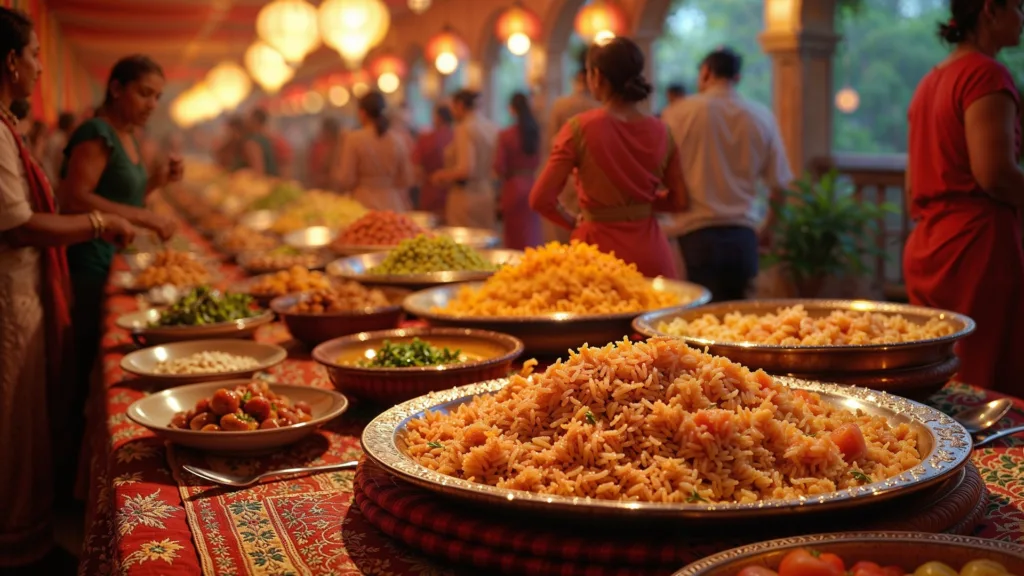
The reception is all about celebration, food, greetings, and lots of photographs.
It’s the first official introduction of the newly married couple to friends and extended families.
Variations Across India
Indian wedding traditions vary beautifully across regions. Each part of India adds its own flavor.
Hindu Weddings:
Known for pheras, sindoor, and elaborate rituals.
Sikh Weddings:
Centered around the Anand Karaj ceremony in the Gurudwara.
Muslim Weddings:
Nikaah, Mehr, Ijab-Qubool, and Walima are central ceremonies.
Christian Weddings:
Church wedding, white gown, ring exchange, and reception celebrations.
South Indian Weddings:
A mix of cultural blessings, classic rituals, and temple-style ceremonies.
The incredible thing?
Even with so much variety, the core emotion of unity stays the same.

Why Indian Wedding Traditions Matter Today
With modern trends taking over—from destination weddings to minimalist décor—these age-old rituals still remain timeless.
They connect families, carry cultural identity, and remind us of shared values.
Even couples who prefer simple weddings choose to keep at least a few essential ceremonies alive.
Because these traditions are more than rituals—they’re memories.
Modern Touches in Traditional Weddings
Indian weddings today blend old and new beautifully:
✔ Pre-wedding photoshoots
✔ Designer décor
✔ Personalized vows
✔ Fusion sangeet themes
✔ Creative entry ideas
✔ Minimalist bridal outfits
✔ Digital wedding invites
✔ Eco-friendly celebrations
It’s a perfect blend of heritage and modern style.
Keynote Takeaway
Indian wedding traditions create a space for families to come together, share joy, and celebrate the bond of two people with rituals that hold centuries of meaning.
Whether you follow every tradition or mix things up with modern ideas, the heart of the celebration remains love, respect, and togetherness.

If you’re planning or attending an Indian wedding soon, now you’ll not only enjoy the ceremonies—you’ll also understand the beautiful meaning behind each one.
FAQs:
Most Indian weddings include pre-wedding events like haldi, mehendi, and sangeet, followed by the main wedding rituals such as varmala, pheras, sindoor, and finally post-wedding traditions like vidaai and reception.
Indian rituals are based on cultural values, blessings, and traditions passed down through generations. Each ceremony has a meaning connected to happiness, protection, and the start of a new life for the couple.
A typical wedding lasts 3–5 days. Some families keep it short with just 1–2 important rituals, while others enjoy extended celebrations.
It is believed to purify the bride and groom while bringing good luck. Turmeric also gives a natural glow, which is why this ritual is always filled with fun and cheer.
It started as a fun game where the groom has to find his name hidden in the designs. Today, it’s just a cute and playful moment between the couple.
The pheras represent promises the couple makes for nourishment, strength, prosperity, family, faith, and lifelong partnership.
It marks the moment the bride leaves her parental home. It’s soft, heartfelt, and filled with blessings for her new journey.
No. Rituals vary by region, religion, and community. But the core idea—celebrating the union of two families—remains the same everywhere.
It symbolizes love, respect, and commitment between the couple. Many women wear it daily after marriage.
Some families simplify them, but most people keep meaningful rituals. Many modern weddings blend tradition with new ideas.