Introduction
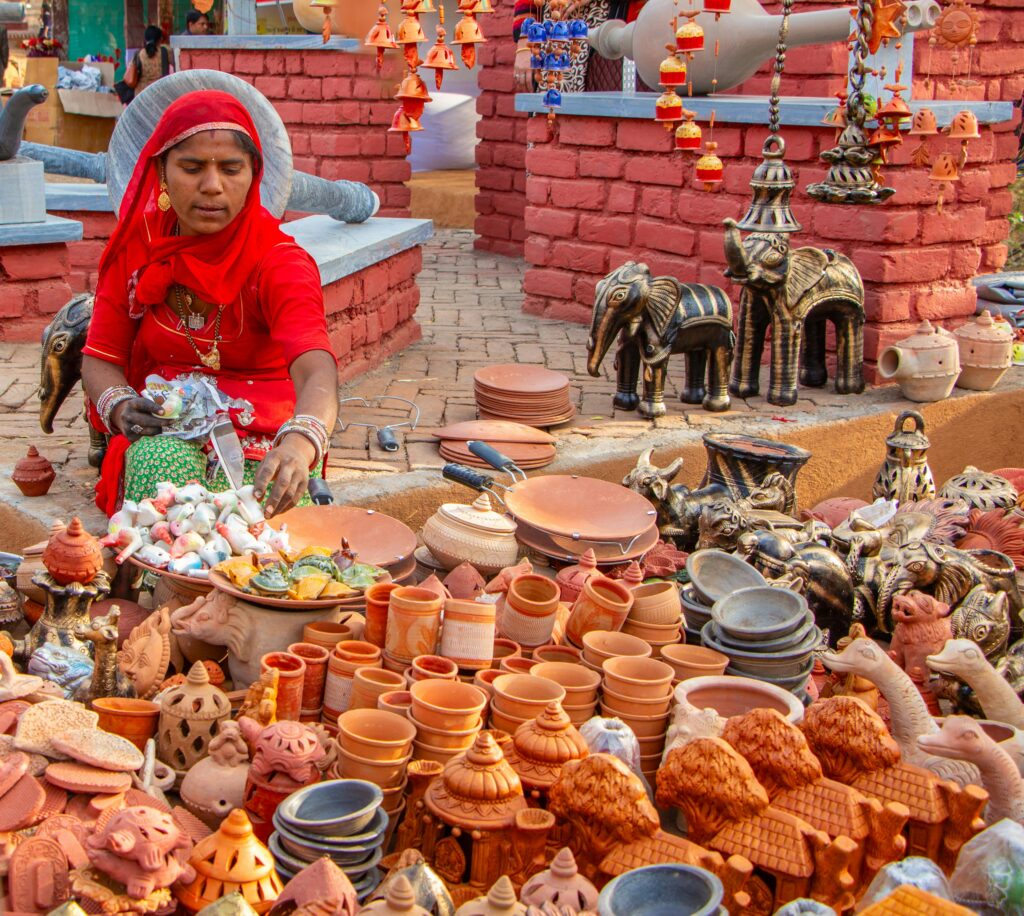
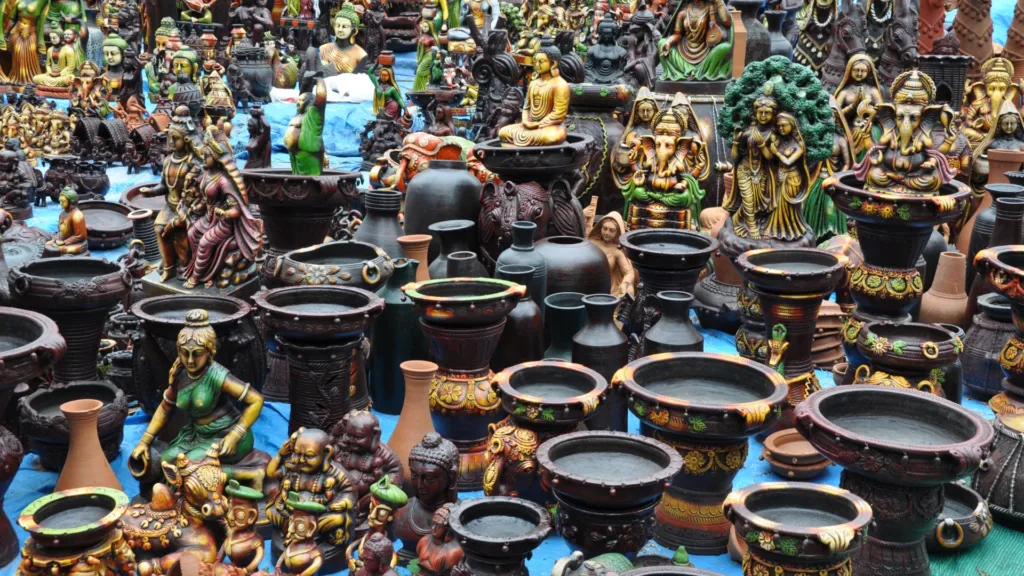
Indian terracotta art is among the oldest and most heartfelt forms of creative expression in India. Long before marble temples or metal statues appeared, people shaped the soil beneath their feet into objects for worship, beauty, and daily life. As a result, this humble craft, born from clay and fire, carries stories of belief, culture, survival, and creativity that still feel alive today.

Across villages, towns, and growing cities, Indian terracotta art mirrors everyday life. For example, small clay lamps glow during festivals, while large temple panels narrate ancient stories. Over time, terracotta has quietly remained part of Indian homes. Most importantly, it has adapted to modern needs without losing its traditional spirit.
Understanding Terracotta and Its Meaning
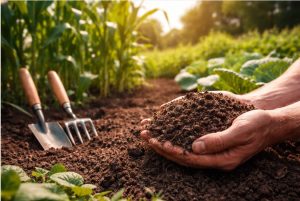
The word terracotta simply means “baked earth.” In Indian terracotta art, this baked earth becomes a powerful medium through which artisans express feelings, beliefs, and daily experiences. First, clay is gathered from riverbanks or fields. Then it is cleaned, shaped by hand or wheel, dried under the sun, and finally fired in kilns.
Unlike shiny ceramics, terracotta has a soft, earthy color that feels warm and calming. Because of this, Indian terracotta art has always stayed close to nature and spirituality. The texture, shade, and even small flaws make every piece feel personal and alive.
Ancient Roots of Indian Terracotta Art
Indian terracotta art goes back thousands of years. Archaeological discoveries from the Indus Valley Civilization reveal clay toys, figurines, and seals. These findings clearly show that clay was one of the first materials people trusted for creative work.
As time passed, terracotta changed with different rulers and regions. During the Mauryan and Gupta periods, this art form grew strongly in religious and architectural spaces. For instance, temples and monasteries used terracotta panels to show gods, dancers, musicians, and epic stories.

What makes this craft special is its accessibility. While stone and metal were costly, clay was easy to find. Therefore, Indian terracotta art truly became an art of the people.
Terracotta in Religious and Spiritual Life
Religion has always shaped Indian terracotta art in deep ways. Clay idols of gods and goddesses are created for festivals, rituals, and seasonal worship. These idols are meant to return to the earth, which gently reminds people that life is temporary.
In many regions, terracotta horses, elephants, and human figures are offered to local deities. These offerings express faith, hope, and gratitude. Moreover, terracotta temple panels often tell stories from ancient epics, helping even non-readers understand sacred tales.
Because of this strong link between earth and creation, Indian terracotta art carries deep symbolic meaning.
Regional Styles Across India
As you travel across India, Indian terracotta art changes its form and style. Each region adds its own touch, methods, and stories.
For example, West Bengal is famous for terracotta temples filled with detailed panels and red-toned bricks. In Bankura, terracotta horses stand as symbols of folk belief. Meanwhile, Odisha is known for elegant clay figures inspired by temple carvings.
Similarly, Tamil Nadu uses terracotta in village shrines and temple Architecture. Rajasthan often mixes terracotta with painting and mirror work. In addition, Gujarat’s toys, Uttar Pradesh’s pottery, and Assam’s clay dolls show how this art reflects local life.
The Making Process: Skill Passed Through Generations
Creating Indian terracotta art is a slow and careful process. It starts with choosing good-quality clay. After that, the clay is kneaded to remove air pockets. Artisans then shape it using hands, wheels, or simple tools.
Next, the pieces dry in sunlight. This step is important because uneven drying can cause cracks. Once dry, the items are fired in kilns or open fires. As a result, temperature and timing decide the final strength and color.
Often, artisans learn this craft from elders in their family. Therefore, Indian terracotta art becomes more than a skill—it becomes a shared heritage.
Terracotta in Daily Life
For centuries, Indian terracotta art has been part of everyday living. Clay pots keep water cool, while terracotta cookware improves food taste. During festivals, clay lamps light up homes and streets.
Even today, many families choose terracotta items because they are natural and safe. In this way, Indian terracotta art combines beauty with daily use. Because it is useful, it has survived while many other crafts disappeared.
Symbolism and Storytelling in Terracotta
Every piece of Indian terracotta art tells a story. For instance, a horse may stand for strength, while a mother figure shows care and fertility. Natural patterns like leaves and animals highlight respect for nature.
Artisans often show village scenes in their work. Farmers, musicians, and women carrying water appear in clay forms. As a result, Indian terracotta art becomes a visual record of social life across time.
Challenges Faced by Terracotta Artisans
Despite its long history, Indian terracotta art faces many problems today. Cheap factory products and plastic goods have reduced demand for handmade items. Because of this, many young artisans leave the craft for other jobs.
In addition, limited marketing, rising costs, and fewer urban connections affect craftsmen. Still, many continue out of love for tradition. Supporting Indian terracotta art, therefore, means supporting culture, skill, and livelihoods.The Revival of Indian Terracotta Art
In recent years, Indian terracotta art has started to gain attention again. Designers and architects are rediscovering the charm of clay. Terracotta tiles, sculptures, and wall panels now appear in modern homes and public spaces.
At the same time, craft fairs, online platforms, and government support have helped artisans reach new buyers. Young designers are also working with traditional craftsmen. Together, they blend old skills with fresh ideas.
Clearly, Indian terracotta art is not outdated. Instead, it remains timeless.
Terracotta in Modern Architecture and Design
Modern architecture now welcomes Indian terracotta art for both beauty and function. Terracotta bricks and tiles help control temperature and improve airflow. As a result, buildings feel more natural and comfortable.
Inside homes, designers use terracotta planters, lamps, and wall art. The earthy texture balances modern materials like glass and steel. Therefore, Indian terracotta art fits well with today’s eco-friendly lifestyle choices.
Terracotta as Sustainable Art
One major strength of Indian terracotta art is sustainability. Clay is natural, safe, and needs less energy to produce than many modern materials. Even when broken, terracotta returns harmlessly to the soil.
As people grow more aware of environmental issues, terracotta becomes a smart choice. In this way, Indian terracotta art supports mindful living and respect for nature.
Emotional Connection with Terracotta
Indian terracotta art creates a strong emotional bond. The smell of wet clay, the warmth of fired earth, and the handmade feel bring comfort. Many people link terracotta with childhood memories, festivals, and village life.
Unlike machine-made items, terracotta carries human touch. Because of this, Indian terracotta art connects deeply with both heart and mind.
Indian Terracotta Art in the Global Market
Indian terracotta art is now admired worldwide. Global buyers value its natural beauty, cultural depth, and craftsmanship. Museums and exhibitions across countries display terracotta works from India.
As interest in handmade and sustainable products grows, Indian terracotta art has strong potential. With fair trade and proper support, artisans can gain stable income and global respect.
Final Thoughts
Indian terracotta art is more than a craft made from clay. It is a living tradition that reflects history, culture, and everyday life in India. From ancient villages to modern research at homes, this art form has adapted with time while keeping its natural charm. It connects people to the earth, supports skilled artisans, and promotes sustainable living. By choosing and valuing terracotta, we help preserve a heritage passed down through generations. In a fast, machine-made world, Indian terracotta art reminds us of the beauty found in simplicity, patience, and human touch.
FAQs:
A./ Indian terracotta art is the traditional craft of shaping clay into objects such as pots, figurines, lamps, and decorative pieces. It is baked in kilns to make the items durable while preserving their natural earthy color. This art has been part of Indian culture for thousands of years.
A. Indian terracotta art dates back to the Indus Valley Civilization, around 2500–1500 BCE. Archaeological finds include clay toys, figurines, and seals, showing that clay was one of India’s earliest artistic mediums.
A. West Bengal, Odisha, Tamil Nadu, Rajasthan, Gujarat, Uttar Pradesh, and Assam are well-known for terracotta. Each region has unique styles, such as West Bengal’s temple panels or Bankura’s terracotta horses.
A. Clay is collected, cleaned, kneaded, and shaped using hands or tools. After drying under the sun, the items are fired in kilns or open fires. Temperature and firing duration determine their color and durability.
A. Yes. Terracotta is biodegradable, non-toxic, and requires less energy than many modern materials. Broken pieces naturally return to the earth, making it a sustainable choice for crafts and home items.
A. Absolutely. Terracotta tiles, bricks, planters, lamps, and wall art are now used in contemporary architecture and interior design. Its earthy texture adds warmth while remaining eco-friendly.