Introduction
Afforestation is the process of planting trees in areas where there were no forests before. In today’s world, where climate change, soil degradation, and water scarcity are growing concerns, afforestation has become one of the most effective natural solutions.
Forests are not just collections of trees. Instead, they are living ecosystems that support biodiversity, regulate climate, protect soil, and manage water cycles. Therefore, increasing forest cover through afforestation can help restore ecological balance and improve environmental health.
In this guide, you will learn how afforestation benefits climate, soil, and water systems, and why it is essential for a sustainable future.
What is Afforestation?
Afforestation refers to the creation of new forests on land that has not been recently forested. Unlike reforestation, which involves replanting trees in deforested areas, afforestation focuses on developing entirely new green spaces.
Key Features:
- Involves planting trees on barren or unused land
- Helps restore ecological balance
- Supports long-term environmental sustainability
As a result, afforestation plays a crucial role in combating environmental challenges.
Importance of Afforestation in Modern Times
Environmental problems are increasing rapidly. Because of this, solutions like afforestation are becoming more important.
Major Reasons:
- Rising global temperatures
- Increasing pollution levels
- Soil erosion and land degradation
- Water shortages
Therefore, afforestation offers a natural and effective way to address multiple issues at once.
Benefits of Afforestation for Climate
Trees have a direct impact on the climate. In fact, they play a key role in regulating temperature and improving air quality.
Helps Reduce Carbon Dioxide
Trees absorb carbon dioxide from the atmosphere during photosynthesis. As a result, they reduce the amount of greenhouse gases.
Why This Matters:
- Lower carbon dioxide levels help slow global warming
- Improved air quality benefits human health
Therefore, afforestation is an effective way to combat climate change.
Regulates Temperature
Forests help maintain balanced temperatures.
How It Works:
- Trees provide shade
- They release moisture into the air
- They reduce heat in urban and rural areas
Because of this, afforestation can help reduce the effects of extreme heat.
Improves Air Quality
Trees act as natural air filters.
They Help By:
- Absorbing pollutants
- Releasing oxygen
- Trapping dust particles
As a result, areas with more trees have cleaner and healthier air.
Supports Rainfall Patterns
Forests influence rainfall cycles.
Process:
- Trees release water vapor
- This contributes to cloud formation
- Clouds lead to rainfall
Therefore, afforestation can help improve rainfall in certain regions.
Benefits of Afforestation for Soil
Healthy soil is essential for agriculture and ecosystems. Afforestation plays a major role in protecting and improving soil quality.
Prevents Soil Erosion
Soil erosion occurs when topsoil is washed or blown away. However, trees help prevent this.
How Trees Help:
- Roots hold soil together
- Leaves reduce the impact of rainfall
- Ground cover slows water flow
As a result, soil remains stable and fertile.
Improves Soil Fertility
Trees contribute organic matter to the soil.
Sources:
- Fallen leaves
- Decomposed plant material
This organic matter enriches the soil with nutrients. Therefore, afforestation improves soil fertility over time.
Enhances Soil Structure
Tree roots create spaces in the soil.
Benefits:
- Better air circulation
- Improved water absorption
- Stronger soil structure
Because of this, soil becomes more productive and resilient.
Reduces Land Degradation
Land degradation is a major environmental problem. However, afforestation helps restore damaged land.
Key Effects:
- Rebuilds soil quality
- Prevents desertification
- Supports plant growth
As a result, barren land can become productive again.
Benefits of Afforestation for Water
Water is one of the most important natural resources. Afforestation plays a key role in conserving and managing water.
Improves Water Retention
Tree roots help the soil absorb and retain water.
How It Helps:
- Reduces surface runoff
- Increases groundwater recharge
Therefore, water availability improves over time.
Reduces Flood Risk
Forests act as natural barriers against floods.
Mechanism:
- Trees slow down rainwater flow
- Soil absorbs more water
- Less water accumulates on the surface
As a result, flood risks are reduced.
Maintains Water Cycle
Trees play an important role in the water cycle.
Process:
- Absorb water from soil
- Release moisture into the atmosphere
- Support cloud formation
Because of this, afforestation helps maintain balanced water cycles.
Improves Water Quality
Forests act as natural filters.
Benefits:
- Reduce sediment in water
- Filter pollutants
- Protect water bodies
Therefore, water becomes cleaner and safer.
Role of Afforestation in Combating Climate Change
Climate change is one of the biggest global challenges. Afforestation provides a natural solution.
Key Contributions:
- Reduces greenhouse gases
- Lowers temperature
- Supports biodiversity
As a result, afforestation is widely promoted as a climate action strategy.
Environmental and Social Impact
Afforestation benefits not only the environment but also society.
Environmental Benefits:
- Increased biodiversity
- Improved ecosystem balance
- Better natural resource management
Social Benefits:
- Job creation
- Improved living conditions
- Health benefits due to cleaner air
Therefore, afforestation supports both ecological and human well-being.
Methods of Afforestation
Afforestation can be done in different ways depending on land type, climate, and available resources. Therefore, choosing the right method is essential for success.
Natural Regeneration
In some cases, nature can restore forests on its own. However, it needs protection and time.
How It Works:
- Existing seeds in the soil grow naturally
- Human interference is minimized
- Area is protected from grazing and deforestation
Benefits:
- Low cost
- Maintains natural biodiversity
- Sustainable in the long term
As a result, this method is ideal for areas where natural vegetation still exists.
Artificial Planting
This is the most common method of afforestation.
How It Works:
- Trees are planted manually
- Suitable species are selected
- Land is prepared before planting
Benefits:
- Faster forest development
- Controlled growth
- Can be applied in barren lands
However, proper care is required for survival and growth.
Agroforestry
Agroforestry combines farming with tree plantation. Therefore, it benefits both agriculture and the environment.
Key Features:
- Trees are planted alongside crops
- Improves soil fertility
- Provides additional income to farmers
As a result, it is a practical and sustainable method.
Urban Afforestation
This method focuses on planting trees in cities.
Examples:
- Parks and green belts
- Roadside plantations
- Residential areas
Benefits:
- Reduces urban heat
- Improves air quality
- Enhances living conditions
Therefore, urban afforestation is important for growing cities.
Social Forestry
Social forestry involves community participation.
Key Aspects:
- Local people are involved
- Trees are planted for community use
- Focus on fuel, fodder, and small timber
Because of this, it promotes both environmental and social benefits.
Steps for Successful Afforestation
Planting trees is only the beginning. In addition, proper steps must be followed to ensure success.
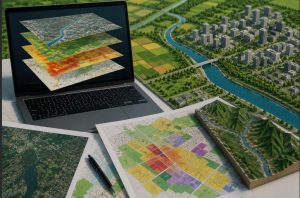
Land Assessment
First, the land must be studied. Soil type, climate, and water availability should be analyzed.
Species Selection
Next, suitable tree species should be chosen. Native species are often the best option because they adapt easily.
Soil Preparation
The land should be prepared before planting. This improves root growth and survival rate.
Plantation Process
Trees should be planted at the right time and spacing. As a result, they grow properly without competition.
Maintenance
Finally, regular care is necessary. This includes watering, protecting plants, and removing weeds.
Challenges in Afforestation
Although afforestation has many benefits, it also faces several challenges.
Lack of Water
Water shortage can affect plant growth. Therefore, irrigation planning is important.
Poor Soil Quality
Some areas have degraded soil. As a result, plants may struggle to grow.
Climate Conditions
Extreme weather conditions can damage young plants. For example, droughts or heavy rainfall may reduce survival rates.
Human Activities
Activities such as deforestation, grazing, and urban expansion can harm afforestation efforts.
Lack of Awareness
Many people are not aware of the importance of afforestation. Therefore, participation remains low in some regions.
Solutions to Overcome Challenges
To make afforestation successful, these challenges must be addressed effectively.
Water Management
Rainwater harvesting and efficient irrigation systems can help maintain water supply.
Soil Improvement
Adding organic matter improves soil quality. As a result, plant growth becomes stronger.
Use of Native Species
Native trees are more adaptable. Therefore, they have higher survival rates.
Community Participation
Involving local communities increases success. People are more likely to protect and maintain the forest.
Government Support
Policies, funding, and awareness programs play a major role. Because of this, large-scale projects become possible.
Large-Scale Afforestation Strategies
Afforestation at a large scale requires proper planning and coordination.
Government Initiatives
Governments often launch programs to increase forest cover.
Key Actions:
- Funding plantation drives
- Protecting forest land
- Promoting environmental awareness
Public-Private Partnerships
Collaboration between government and private organizations can improve efficiency.
Benefits:
- Better resource management
- Increased funding
- Faster implementation
Use of Technology
Modern technology can support afforestation efforts.
Examples:
- Satellite monitoring
- Drones for planting seeds
- Data analysis for planning
Therefore, technology improves accuracy and scale.
Community-Based Programs
Local communities play a crucial role.
Advantages:
- Better protection of trees
- Long-term sustainability
- Increased awareness
Because of this, community involvement is essential.
Role of Afforestation in Sustainable Development
Afforestation supports long-term development goals.
Key Contributions:
- Protects natural resources
- Supports agriculture
- Improves climate conditions
- Enhances biodiversity
Therefore, it is an important part of sustainable development strategies.
Economic Benefits of Afforestation
Apart from environmental advantages, afforestation also provides economic benefits.
Examples:
- Job creation in plantation and maintenance
- Income from forest products
- Support for rural development
As a result, it contributes to economic growth as well.
Future Impact of Afforestation
Afforestation has the potential to create lasting environmental change. As environmental challenges continue to grow, its importance will only increase.
Climate Stability
Forests play a key role in stabilizing climate conditions. Over time, increased tree cover can reduce global temperatures and balance weather patterns. As a result, extreme climate events may decrease.
Restoration of Ecosystems
Afforestation helps rebuild damaged ecosystems. In addition, it provides habitat for plants and animals. Because of this, biodiversity increases and ecosystems become more balanced.
Long-Term Soil Protection
With continuous tree cover, soil remains protected for years. Therefore, erosion decreases and land remains fertile. This supports agriculture and food security.
Sustainable Water Resources
Afforestation improves water availability over time. It supports groundwater recharge and stabilizes the water cycle. As a result, water scarcity can be reduced in many regions.
Global Afforestation Efforts
Many countries and organizations are actively promoting afforestation. These efforts show how important tree planting has become worldwide.
Bonn Challenge
This global initiative aims to restore millions of hectares of degraded land. It encourages countries to increase forest cover and improve ecosystems.
Trillion Tree Campaign
This campaign focuses on planting billions of trees across the world. It promotes awareness and encourages participation from individuals and organizations.
National-Level Programs
Many countries have their own afforestation programs. These include large plantation drives, forest protection laws, and environmental awareness campaigns. As a result, forest cover is gradually increasing in several regions.
Role of Technology in Afforestation
Technology is making afforestation faster and more efficient.
Modern Tools:
- Drones for seed planting
- Satellite monitoring for forest tracking
- Data analysis for planning plantations
Because of these advancements, large areas can be covered in less time.
Importance of Community Participation
Afforestation becomes more successful when people are involved.
Why It Matters:
- Local communities protect trees
- Awareness increases
- Long-term sustainability improves
Therefore, encouraging community participation is essential for success.
What Individuals Can Do
Every person can contribute to afforestation in simple ways. Even small actions can create a big impact over time.
Plant Trees
First of all, planting trees in available spaces is the most direct way to help. This includes gardens, schools, and community areas.
Support Tree Plantation Drives
In addition, participating in plantation campaigns increases impact. Many organizations regularly conduct such programs.
Reduce Paper and Wood Waste
Using fewer paper products helps reduce the demand for cutting trees. Therefore, recycling and reusing materials is important.
Spread Awareness
Educating others about the importance of afforestation can encourage more people to take action.
Protect Existing Trees
Saving existing trees is as important as planting new ones. Avoiding unnecessary cutting and supporting conservation efforts helps maintain green cover.
Environmental Balance Through Afforestation
Afforestation supports overall environmental balance.
Key Benefits:
- Improves air quality
- Protects soil
- Maintains water cycle
- Supports wildlife
Because of this, it contributes to a healthier planet.
Economic and Social Impact
Afforestation also benefits society and the economy.
Economic Benefits:
- Creates employment opportunities
- Supports rural development
- Provides forest-based resources
Social Benefits:
- Improves living conditions
- Promotes environmental awareness
- Enhances community involvement
As a result, afforestation supports both people and nature.
Challenges for the Future
Although afforestation is beneficial, future challenges must be addressed.
Key Concerns:
- Climate change impacts
- Urban expansion
- Limited land availability
- Resource constraints
Therefore, continuous efforts and smart planning are required.
Sustainable Approach to Afforestation
For long-term success, afforestation must be done sustainably.
Best Practices:
- Use native species
- Avoid over-plantation in unsuitable areas
- Maintain ecological balance
- Ensure long-term care
As a result, forests remain healthy and productive.
Final Thoughts
Afforestation is one of the most powerful natural solutions for environmental protection. It supports climate stability, improves soil health, and conserves water resources.
Moreover, it offers economic and social benefits, making it a complete solution for sustainable development. While governments and organizations play a major role, individual efforts are equally important.
Therefore, by planting trees, protecting nature, and spreading awareness, everyone can contribute to building a greener and healthier future.
FAQs:
Afforestation is the process of planting trees in areas without forests. It is important because it helps improve climate, soil, and water systems.
It reduces carbon dioxide levels, improves air quality, and helps regulate temperature.
Yes, it supports groundwater recharge, reduces runoff, and maintains the water cycle.
Challenges include water shortage, poor soil quality, climate conditions, and human activities.
Individuals can plant trees, join plantation drives, reduce waste, and spread awareness.