In today’s fast-paced world, maintaining a healthy diet often feels impossible. Between work deadlines, studies, family responsibilities, and social commitments, people tend to skip meals, rely on fast food, or eat unhealthy snacks. However, eating well doesn’t have to be complicated or time-consuming.
With the right approach, you can follow easy diet plans that fit perfectly into a busy lifestyle while keeping you energetic, focused, and healthy.
Why Busy People Struggle with Diet
Many individuals fail to maintain a healthy diet not because they lack knowledge, but because of time constraints and poor planning.
Common Challenges:
- Skipping meals due to lack of time
- Dependence on fast food or packaged meals
- Irregular eating schedules
- Stress eating and cravings
- Lack of meal planning
Understanding these challenges is the first step toward building a practical diet plan.
Importance of a Balanced Diet
A balanced diet provides your body with essential nutrients like carbohydrates, proteins, fats, vitamins, and minerals.
Benefits of Healthy Eating:
- Sustained energy throughout the day
- Better concentration and productivity
- Improved immunity
- Healthy weight management
- Reduced risk of diseases
Even small improvements in your diet can create long-term health benefits.
Key Principles of Easy Diet Planning
Creating a diet plan for a busy lifestyle is not about perfection—it’s about simplicity and consistency.
Keep It Simple
Choose meals that require minimal preparation and ingredients.
Plan Ahead
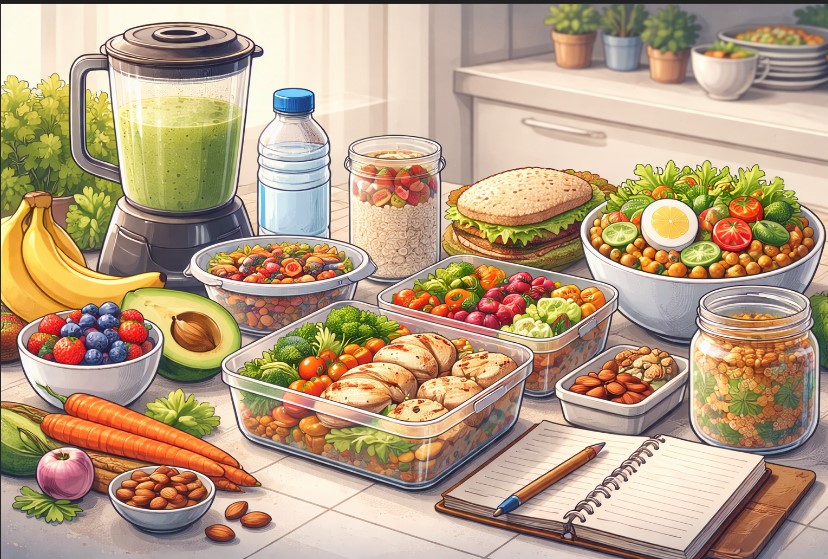
Meal prepping once or twice a week saves time daily.
Focus on Nutrition
Prioritize whole foods over processed ones.
Stay Flexible
Your diet should adapt to your schedule, not stress you out.
Smart Meal Planning for Busy Days
Planning your meals in advance can save time, money, and effort.
Weekly Planning Tips:
- Decide your meals for the week
- Prepare ingredients in advance
- Keep healthy snacks ready
- Use simple recipes
Meal Prep Ideas:
- Chop vegetables in bulk
- Cook grains like rice or quinoa in advance
- Store meals in containers
Meal planning reduces last-minute unhealthy food choices.
Quick and Healthy Breakfast Ideas
Breakfast is often skipped, but it’s essential for starting your day right.
Easy Options:
- Oats with fruits and nuts
- Smoothies with banana and milk
- Boiled eggs with whole grain toast
- Peanut butter sandwich
- Yogurt with granola
A quick breakfast can be prepared in under 10 minutes.
Simple Lunch Ideas for Work or College
Lunch should be filling, balanced, and easy to carry.
Healthy Lunch Options:
- Roti with vegetables and dal
- Rice with paneer or chicken
- Vegetable sandwich or wrap
- Salad with protein (beans, eggs, or chicken)
- Leftover dinner meals
Packing lunch helps avoid unhealthy outside food.
Quick Dinner Ideas After a Long Day
Dinner should be light but nutritious.
Easy Dinner Options:
- Khichdi or दलिया
- Vegetable soup with bread
- Stir-fried vegetables with paneer
- Grilled chicken or tofu
- Simple dal-chawal
Avoid heavy meals late at night for better digestion and sleep.
Healthy Snacking for Busy People
Snacking is important, but it should be healthy.
Smart Snack Choices:
- Fruits like apples and bananas
- Roasted nuts and seeds
- Protein bars (low sugar)
- Boiled corn or sprouts
- Dark chocolate (in moderation)
Healthy snacks prevent overeating during main meals.
Hydration: The Forgotten Key
Many people ignore hydration, which is essential for overall health.
Benefits of Staying Hydrated:
- Improves digestion
- Boosts energy levels
- Enhances skin health
- Supports brain function
Tips:
- Drink at least 2–3 liters of water daily
- Carry a water bottle
- Add lemon or mint for flavor
Sometimes, fatigue is just dehydration in disguise.
Portion Control Made Easy
Eating healthy is not just about what you eat, but how much you eat.
Simple Portion Tips:
- Use smaller plates
- Avoid overeating
- Eat slowly and mindfully
- Stop when you feel full
Portion control helps maintain a healthy weight without strict dieting.
Eating Healthy on the Go
Busy schedules often require eating outside.
Smart Choices:
- Choose grilled over fried foods
- Avoid sugary drinks
- Opt for salads or wraps
- Control portion sizes
Making better choices outside can still keep your diet on track.
Common Diet Mistakes to Avoid
Many people unknowingly follow habits that harm their health.
Mistakes:
- Skipping meals
- Crash dieting
- Overeating at night
- Relying on processed food
- Ignoring hydration
Avoiding these mistakes is as important as following a diet plan.
Time-Saving Kitchen Hacks
Cooking doesn’t have to take hours.
Useful Hacks:
- Use one-pot recipes
- Cook in bulk
- Use kitchen tools like blenders and air fryers
- Store ready-to-eat ingredients
Saving time in the kitchen makes healthy eating easier.
Building a Sustainable Diet Routine
A good diet is one you can follow long-term.
Tips for Sustainability:
- Don’t aim for perfection
- Allow occasional treats
- Stay consistent
- Listen to your body
Healthy eating is a lifestyle, not a short-term plan.
Diet Plans Based on Your Goals
Different people have different health goals, so your diet should match your needs.
Diet Plan for Weight Loss
Focus on low-calorie, nutrient-dense foods.
- Include more vegetables and fruits
- Choose whole grains over refined carbs
- Increase protein intake
- Avoid sugary and processed foods
- Drink plenty of water
Consistency is key to gradual and healthy weight loss.
Diet Plan for Weight Gain
If you want to gain healthy weight, focus on calorie-rich and nutritious foods.
- Eat frequent meals
- Add healthy fats like nuts and seeds
- Include protein-rich foods
- Drink smoothies and shakes
- Don’t skip meals
Healthy weight gain requires balanced nutrition, not junk food.
Diet Plan for Muscle Gain
For muscle building, protein and strength training go hand in hand.
- Include eggs, chicken, paneer, or tofu
- Eat protein after workouts
- Add complex carbs for energy
- Stay hydrated
- Maintain a calorie surplus
Balanced meals support muscle recovery and growth.
Budget-Friendly Diet Tips
Healthy eating doesn’t have to be expensive.
Save Money While Eating Healthy:
- Buy seasonal fruits and vegetables
- Purchase grains and pulses in bulk
- Cook meals at home
- Avoid packaged and processed foods
- Use leftovers smartly
Simple home-cooked meals are often the healthiest and cheapest option.
Vegetarian Diet Plan for Busy People
Vegetarian diets can be both healthy and convenient.
Easy Vegetarian Options:
- Dal, rice, and vegetables
- Paneer dishes
- Vegetable poha or upma
- Sprouts salad
- Smoothies with fruits and nuts
Plant-based diets are rich in fiber and essential nutrients.
Vegan Diet Plan Ideas
For those following a vegan lifestyle, there are plenty of easy options.
Vegan Meal Ideas:
- Oats with plant-based milk
- Tofu stir-fry
- Lentil soup
- Peanut butter toast
- Rice with beans and vegetables
Ensure you get enough protein, iron, and vitamin B12.
Office-Friendly Diet Plan
Working professionals often struggle the most with maintaining a diet.
Practical Tips:
- Carry homemade meals
- Keep healthy snacks at your desk
- Avoid vending machine junk food
- Drink enough water throughout the day
Planning ahead makes office eating much easier.
Diet Tips for Students
Students often skip meals or rely on junk food.
Smart Eating Tips:
- Don’t skip breakfast
- Keep quick snacks like fruits and nuts
- Avoid late-night junk food
- Stay hydrated
Good nutrition helps improve focus and academic performance.
Managing Cravings and Emotional Eating
Cravings are normal, but managing them is important.
How to Control Cravings:
- Eat balanced meals
- Don’t stay hungry for too long
- Choose healthier alternatives
- Stay hydrated
- Manage stress
Understanding your cravings helps you control them better.
Importance of Protein in Daily Diet
Protein is essential for muscle repair, energy, and overall health.
Good Protein Sources:
- Eggs
- Chicken
- Paneer
- Lentils and beans
- Nuts and seeds
Including protein in every meal helps you stay full and energized.
Importance of Fiber in Diet
Fiber supports digestion and keeps you full longer.
Fiber-Rich Foods:
- Fruits and vegetables
- Whole grains
- Legumes
- Seeds
A high-fiber diet improves gut health and prevents overeating.
Cheat Meals: Are They Okay?
Completely restricting your favorite foods can lead to frustration.
Healthy Approach:
- Allow occasional cheat meals
- Practice portion control
- Avoid binge eating
Balance is more important than strict dieting.
Creating a Weekly Diet Routine
A weekly plan helps maintain consistency.
Sample Routine:
- Plan meals every weekend
- Prepare ingredients in advance
- Keep backup meal options
- Track your eating habits
Planning reduces stress and improves diet quality.
Quick Daily Diet Example
Here’s a simple diet plan for a busy day:
Morning:
- Warm water + fruit
Breakfast:
- Oats or eggs with toast
Lunch:
- Roti, dal, vegetables
Evening Snack:
- Fruits or nuts
Dinner:
- Light meal like soup or khichdi
This simple structure can be adjusted based on your needs.
Final Thoughts
Eating healthy doesn’t require complicated recipes or strict dieting. With simple planning, smart food choices, and consistency, you can maintain a balanced diet even with the busiest schedule.
Focus on:
- Simplicity
- Consistency
- Nutrition
- Balance
Small daily habits lead to long-term health benefits.
FAQs:
The easiest diet plan includes simple meals like oats, fruits, roti-dal, and quick snacks that require minimal preparation and time.
Yes, meal prepping, batch cooking, and choosing ready-to-eat healthy options like fruits, nuts, and yogurt can help.
Plan meals in advance, carry homemade food, keep healthy snacks, and avoid skipping meals.
Oats, smoothies, boiled eggs, peanut butter toast, and yogurt with fruits are great quick options.
Eat balanced meals, stay hydrated, avoid long gaps between meals, and choose healthy snack alternatives.
Around 2–3 liters of water daily is recommended, depending on your activity level and climate.