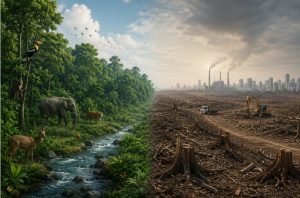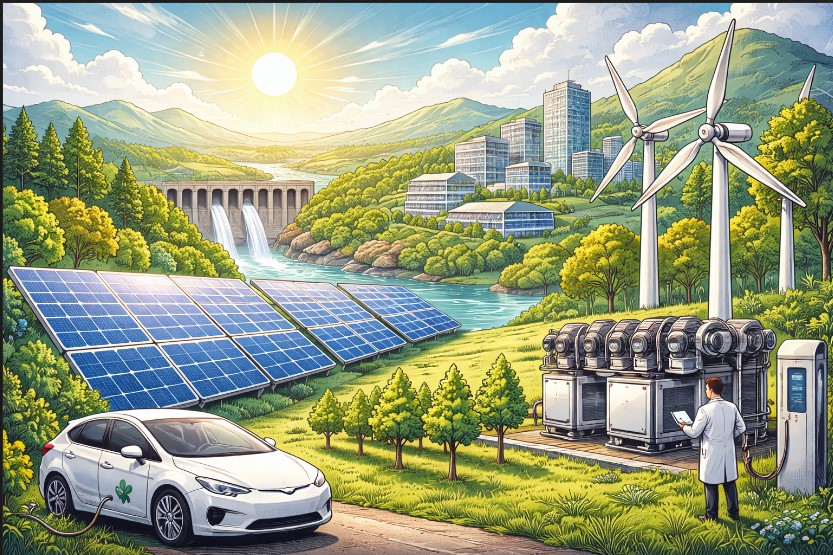
Climate change is one of the most pressing challenges facing humanity today. Rising global temperatures, extreme weather events, melting glaciers, and increasing sea levels are clear signs that urgent action is needed. Governments, scientists, and organizations worldwide are actively exploring innovative solutions to combat climate change and build a sustainable future.
In this article, we explore the future climate solutions that are shaping the world and offering hope for generations to come.
Understanding the Climate Crisis
Climate change is primarily caused by the increase in greenhouse gases like carbon dioxide and methane in the atmosphere. These gases trap heat, leading to global warming.
Key Causes:
- Burning fossil fuels (coal, oil, gas)
- Deforestation
- Industrial emissions
- Agriculture and livestock
Major Impacts:
- Rising temperatures
- Extreme weather events
- Loss of biodiversity
- Water scarcity
Understanding the problem helps us appreciate the importance of the solutions being developed.
Transition to Renewable Energy
One of the most significant climate solutions is shifting from fossil fuels to renewable energy sources.
Types of Renewable Energy:
- Solar power
- Wind energy
- Hydropower
- Geothermal energy
Benefits:
- Reduces carbon emissions
- Sustainable and abundant
- Decreases dependence on fossil fuels
Countries around the world are investing heavily in renewable energy infrastructure.
Solar Energy Innovations
Solar power is becoming more efficient and accessible.
Emerging Trends:
- Solar panels with higher efficiency
- Floating solar farms
- Solar-powered homes and cities
Future Potential:
- Affordable energy for remote areas
- Integration with smart grids
- Reduced electricity costs
Solar energy is expected to play a major role in the future energy mix.
Wind Energy Expansion
Wind energy is another rapidly growing renewable source.
Advancements:
- Offshore wind farms
- Larger and more efficient turbines
- Improved energy storage
Advantages:
- Clean and renewable
- Low operational costs
- Scalable solutions
Wind energy is especially useful in coastal and open regions.
Electric Vehicles and Clean Transportation
Transportation is a major contributor to carbon emissions.
Future Solutions:
- Electric vehicles (EVs)
- Hydrogen fuel cars
- Improved public transport systems
Benefits:
- Reduced air pollution
- Lower fuel costs
- Sustainable mobility
Governments are encouraging EV adoption through subsidies and policies.
Energy Storage Technologies
Renewable energy sources like solar and wind are intermittent, meaning they don’t produce energy all the time.
Solutions:
- Advanced battery systems
- Grid-scale energy storage
- Smart energy management
Importance:
- Ensures continuous power supply
- Stabilizes energy grids
- Increases efficiency
Energy storage is crucial for a reliable renewable future.
Smart Cities and Green Infrastructure
Urban areas consume a large portion of global energy.
Smart City Features:
- Energy-efficient buildings
- Smart lighting systems
- Sustainable transport
Green Infrastructure:
- Green roofs and walls
- Urban forests
- Water management systems
These innovations help reduce emissions and improve quality of life.
Carbon Capture and Storage (CCS)
Carbon capture technology removes carbon dioxide from the atmosphere or industrial emissions.
How It Works:
- Capture CO₂ at the source
- Transport it
- Store it underground
Benefits:
- Reduces greenhouse gases
- Supports industries transitioning to clean energy
CCS is seen as a key tool in achieving climate targets.
Reforestation and Afforestation
Forests play a vital role in absorbing carbon dioxide.
Key Strategies:
- Planting new trees (afforestation)
- Restoring degraded forests (reforestation)
Benefits:
- Improves air quality
- Supports biodiversity
- Reduces global warming
Nature-based solutions are among the most effective and affordable.
Sustainable Agriculture Practices
Agriculture contributes significantly to greenhouse gas emissions.
Future Practices:
- Organic farming
- Precision agriculture
- Reduced use of chemical fertilizers
Benefits:
- Lower emissions
- Improved soil health
- Better food security
Sustainable farming is essential for both climate and human health.
Circular Economy Approach
The traditional “take-make-dispose” model is harmful to the environment.
Circular Economy Focus:
- Reduce waste
- Reuse materials
- Recycle products
Impact:
- Conserves resources
- Reduces pollution
- Promotes sustainability
This approach is gaining global attention.
Green Hydrogen as Future Fuel
Hydrogen fuel is emerging as a clean energy alternative.
Why It Matters:
- Produces zero emissions when used
- Can power industries and transport
Challenges:
- High production costs
- Infrastructure development
Green hydrogen has huge potential for the future.
Role of Technology and Innovation
Technology is driving climate solutions forward.
Innovations:
- Artificial intelligence for energy efficiency
- Climate modeling and prediction
- Smart grids
Technology helps optimize resources and reduce environmental impact.
Global Cooperation and Climate Policies
Climate change is a global issue that requires collective action.
Key Actions:
- International agreements
- Government policies
- Corporate sustainability goals
Collaboration between countries is essential for success.
Advanced Climate Technologies
Innovation is accelerating the development of powerful tools to tackle climate change.
Artificial Intelligence for Climate Action
AI is being used to optimize energy usage, predict climate patterns, and improve efficiency.
- Smart energy systems reduce waste
- Predictive models help disaster management
- Improves renewable energy performance
Internet of Things (IoT)
Connected devices are making cities and industries more efficient.
- Smart homes reduce energy consumption
- Sensors monitor pollution levels
- Efficient resource management
Technology is making climate solutions smarter and more effective.
Geoengineering: A Controversial Solution
Geoengineering involves large-scale interventions in Earth’s climate system.
Types of Geoengineering:
- Solar radiation management (reflecting sunlight)
- Carbon dioxide removal from the atmosphere
Pros:
- Can quickly reduce global temperatures
- Potential emergency solution
Cons:
- Uncertain long-term effects
- Ethical and environmental concerns
Geoengineering is still under research and debate.
Ocean-Based Climate Solutions
Oceans play a major role in regulating the Earth’s climate.
Key Solutions:
- Protecting marine ecosystems
- Restoring coral reefs
- Ocean-based carbon capture
Benefits:
- Absorbs large amounts of CO₂
- Supports biodiversity
- Stabilizes climate systems
Healthy oceans are critical for a balanced planet.
Climate-Resilient Infrastructure
As climate impacts increase, infrastructure must adapt.
Examples:
- Flood-resistant buildings
- Heat-resistant materials
- Improved drainage systems
Importance:
- Reduces damage from disasters
- Protects communities
- Ensures long-term sustainability
Adaptation is as important as mitigation.
Role of Individuals in Climate Action
While governments and industries play a major role, individual actions also matter.
Simple Actions:
- Reduce energy consumption
- Use public transport or carpool
- Avoid single-use plastics
- Support eco-friendly products
Small daily habits can collectively create a big impact.
Sustainable Lifestyle Choices
Living sustainably helps reduce your carbon footprint.
Lifestyle Changes:
- Eat more plant-based foods
- Reduce waste
- Conserve water
- Use renewable energy at home
Sustainability begins with everyday decisions.
Climate Education and Awareness
Awareness is key to driving change.
Importance:
- Educates people about environmental issues
- Encourages responsible behavior
- Promotes innovation
Ways to Spread Awareness:
- Social media campaigns
- School programs
- Community initiatives
An informed society is more likely to act.
Corporate Responsibility and Green Business
Businesses play a crucial role in reducing emissions.
Green Business Practices:
- Using renewable energy
- Reducing waste and packaging
- Sustainable sourcing
Benefits:
- Builds brand trust
- Reduces environmental impact
- Supports long-term growth
Sustainability is becoming a priority for companies worldwide.
Challenges in Implementing Climate Solutions
Despite progress, several challenges remain.
Key Challenges:
- High costs of new technologies
- Lack of awareness
- Political and economic barriers
- Resistance to change
Overcoming these challenges requires global cooperation and commitment.
Future Opportunities in Climate Innovation
Climate change also presents opportunities for growth and innovation.
Emerging Opportunities:
- Green jobs and industries
- Clean energy startups
- Sustainable technology development
The transition to a green economy can benefit both people and the planet.
The Path Toward a Sustainable Future
The future depends on how we act today.
What Needs to Happen:
- Faster adoption of renewable energy
- Stronger climate policies
- Global collaboration
- Individual responsibility
Every effort counts in building a sustainable world.
Final Thoughts
Climate change is a complex challenge, but the solutions being explored offer hope. From cutting-edge technologies to simple lifestyle changes, every action contributes to a healthier planet.
The journey toward sustainability is ongoing, and it requires participation from governments, industries, and individuals alike.
Together, we can create a future where economic growth and environmental protection go hand in hand.
FAQs:
Renewable energy, reforestation, sustainable agriculture, and energy efficiency are among the most effective solutions.
Geoengineering refers to large-scale techniques aimed at altering the Earth’s climate to reduce global warming.
By reducing energy use, minimizing waste, and adopting sustainable lifestyle habits.
It reduces dependence on fossil fuels and lowers greenhouse gas emissions.
High costs, lack of awareness, and political barriers are major challenges.