

Introduction
In the face of mounting environmental challenges, Green Technologies are no longer optional—they’re essential. These technologies are designed to reduce human impact on the planet by promoting energy efficiency, resource conservation, and eco-friendly innovations. As awareness grows about climate change, pollution, and the depletion of natural resources, Green Technologies have taken center stage as practical solutions that reshape how we live, work, and think about sustainability.
This comprehensive guide explores how Green Technologies are shaping a sustainable future, their importance in modern industries, and why every individual and business needs to understand and adopt them.

What Are Green Technologies?
Green Technologies refer to environmentally friendly innovations designed to conserve natural resources and minimize harm to the environment. These technologies are embedded in everything from renewable energy systems to sustainable agriculture and energy-efficient construction.
Key Objectives of Green Technologies:
- Reduce carbon emissions
- Promote renewable resources
- Decrease waste and pollution
- Create energy-efficient processes
- Foster sustainable development
1. Renewable Energy Sources
One of the most significant categories of Green Technologies is renewable energy. Fossil fuels are a major contributor to greenhouse gas emissions. Replacing them with solar, wind, hydro, and geothermal sources dramatically cuts environmental damage.
Solar Power
Photovoltaic cells in solar panels convert sunlight directly into electricity. They’re now widely used in residential, commercial, and industrial setups.
Wind Energy
Wind turbines harness kinetic energy from wind, generating electricity without any emissions.
Hydropower and Geothermal
Hydropower uses flowing water to produce power, while geothermal taps into Earth’s internal heat. Both are steady, reliable sources of energy in the Green Technologies sector.

2. Green Buildings and Construction
Green construction involves using sustainable building materials and methods that reduce the carbon footprint of infrastructure.
Key Features:
- Use of recycled or renewable materials
- Installation of energy-efficient appliances
- Smart lighting and temperature systems
- Water-saving fixtures
- Living roofs and vertical gardens
Green buildings are cost-effective over time and align perfectly with the philosophy of Green Technologies.
3. Sustainable Transportation
The transportation sector has traditionally been one of the biggest polluters. Green Technologies aim to revolutionize transportation through electric vehicles (EVs), hydrogen fuel cells, and smart traffic systems.
Examples:
- Electric cars like Tesla and BYD
- E-bikes and scooters for short-distance travel
- Carpooling platforms powered by algorithms
- High-speed rail systems that run on clean energy
These innovations are drastically cutting emissions and fuel dependency.
4. Waste Management and Recycling Innovations
Traditional waste management systems contribute heavily to pollution. Green Technologies have introduced smarter ways of dealing with waste.
Techniques Include:
- Smart bins with sensors for waste segregation
- Waste-to-energy conversion systems
- Advanced composting technologies
- Plastic alternatives like biodegradable packaging
This technology ensures that waste is reused, recycled, or safely decomposed.
5. Water Purification and Conservation
Water scarcity is a growing global concern. Green Technologies offer practical ways to manage and conserve this critical resource.
Innovations:
- Rainwater harvesting systems
- Low-flow fixtures and irrigation systems
- Solar-powered water desalination
- Greywater recycling systems
By using these methods, both urban and rural communities benefit from consistent and clean water supplies.

6. Smart Agriculture
Agriculture faces the dual challenge of increasing food production and reducing environmental impact. Green Technologies are transforming how we grow food.
Methods:
- Precision farming using IoT devices
- Vertical farming in urban areas
- Natural pest control using beneficial insects
- Soil health monitoring via AI and sensors
Sustainable farming techniques reduce water usage, chemical dependence, and food waste.
7. Green Manufacturing and Industry 4.0
Manufacturing is now embracing Green Technologies to streamline operations and reduce environmental damage.
Key Features:
- Energy-efficient machinery
- Waste heat recovery systems
- Closed-loop water systems
- Use of recycled raw materials
Digital transformation through AI and IoT makes production more sustainable and less wasteful.
Why Green Technologies Matter Today
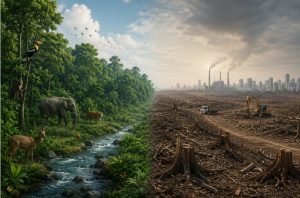
The environmental challenges we face—rising global temperatures, melting glaciers, deforestation—require immediate action. Green Technologies offer realistic solutions that not only reduce harm but also pave the way for a balanced ecosystem.
Advantages:
- Healthier planet
- Reduced utility costs
- Long-term economic gains
- Increased energy independence
- Better quality of life
Industries and governments globally are investing heavily in these technologies, underlining their importance.
Conclusion
The era of Green Technologies is not just a trend—it is the foundation of a responsible and sustainable future. These innovations are rewriting the rules of energy, waste, transportation, and resource management across the globe. They not only protect the planet but also bring long-term economic and health benefits.
Understanding and implementing Green Technologies is vital for individuals, corporations, and governments. By making informed choices today, we shape a healthier tomorrow.
Whether it’s installing solar panels at home, supporting green startups, or choosing products made through eco-conscious processes, every action contributes. Embracing Green Technologies is not just a necessity; it’s the smartest investment for future generations.
10 FAQs on Green Technologies
1. What are Green Technologies?
They are eco-friendly innovations designed to minimize environmental damage and promote sustainability.
2. Why are Green Technologies important?
They help reduce carbon emissions, save energy, and protect natural resources.
3. Are Green Technologies expensive?
While initial costs may be higher, they save money in the long run through energy efficiency and reduced waste.
4. What industries use Green Technologies?
Energy, agriculture, construction, transportation, and manufacturing, among others.
5. Can individuals use Green Technologies at home?
Yes, through solar panels, LED lighting, smart thermostats, and low-flow water systems.
6. How do Green Technologies improve health?
They reduce pollution, which lowers respiratory and cardiovascular health risks.
7. Are governments supporting Green Technologies?
Yes, many countries offer subsidies, tax breaks, and grants for green innovations.
8. How do Green Technologies affect jobs?
They create new opportunities in clean energy, sustainable design, and eco-consulting.
9. Do Green Technologies work in all climates?
Yes, with proper planning and design, they adapt to various environmental conditions.
10. What is the future of Green Technologies?
It includes smarter integration with AI, expanded renewable energy use, and global adoption.






1 thought on “7 Powerful Green Technologies Reshaping Our Sustainable Future”