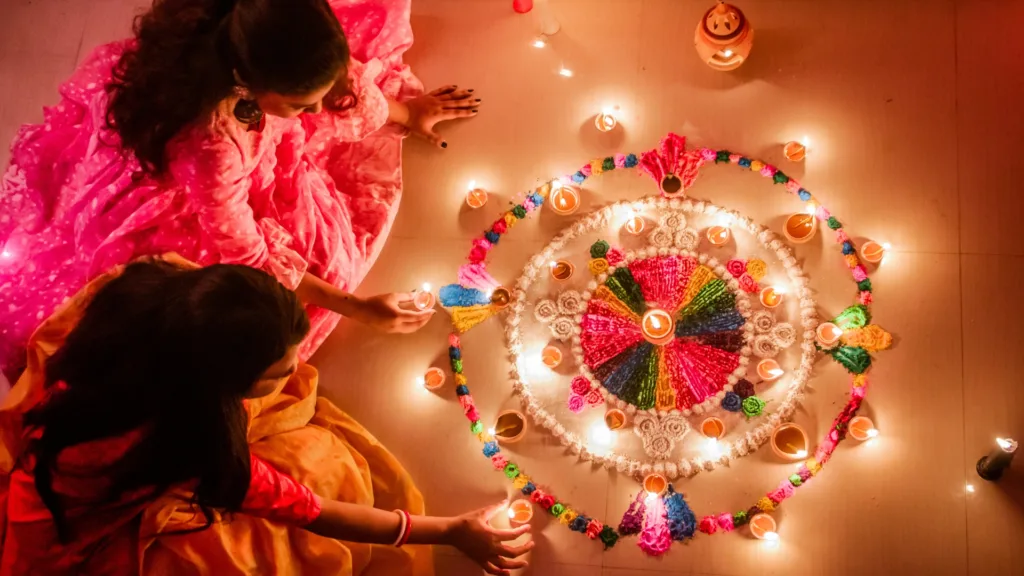
Rangoli is not just an art form; it is a symbol of beauty, tradition, and positivity in Indian households. Across India, from north to south and east to west, the colorful designs of rangoli decorate homes during festivals, weddings, and special occasions. Understanding the rangoli importance in indian culture opens a window into centuries of tradition, spirituality, and the celebration of life.
Rangoli is made with rice flour, colored powders, flower petals, or even grains. Each design is unique, and its purpose goes beyond decoration. Its history is rich and intertwined with religious beliefs, social harmony, and artistic expression. Let’s explore why this beautiful tradition is so significant in Indian culture and why it continues to be a central part of festivals and homes.
1. A Symbol of Warm Welcome
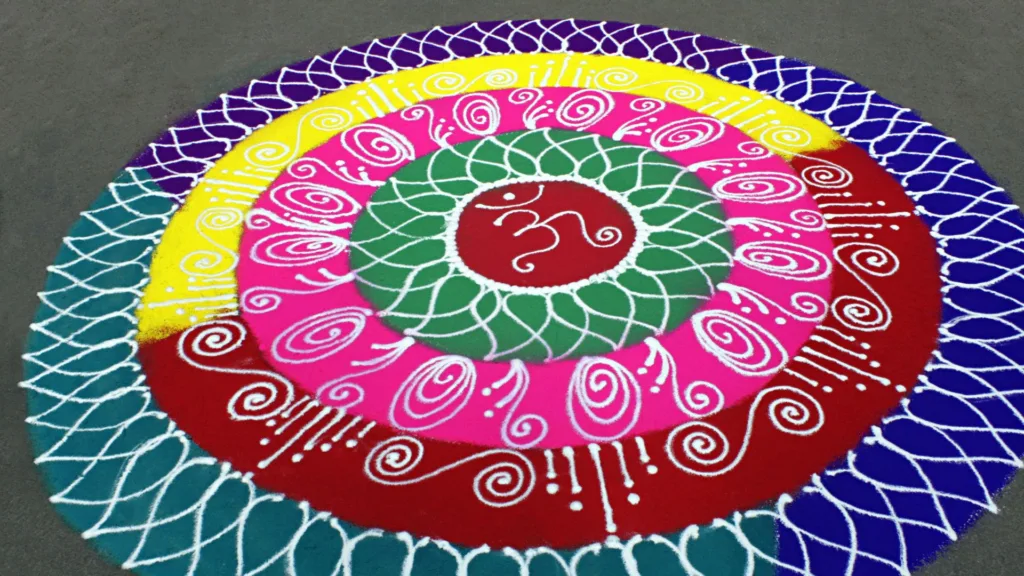
One of the primary reasons for the rangoli importance in indian culture is its role as a welcoming gesture. Traditionally, families create rangoli at the entrance of their homes. The colorful patterns are believed to attract positive energy and divine blessings while warding off evil spirits.
During festivals like Diwali, Makar Sankranti, or Pongal, guests are greeted with vibrant rangoli designs that set a joyful tone. In many regions, the art of rangoli is also a way to show hospitality. A beautifully designed rangoli reflects the warmth and happiness of the household, making visitors feel respected and honored.
2. A Celebration of Festivals
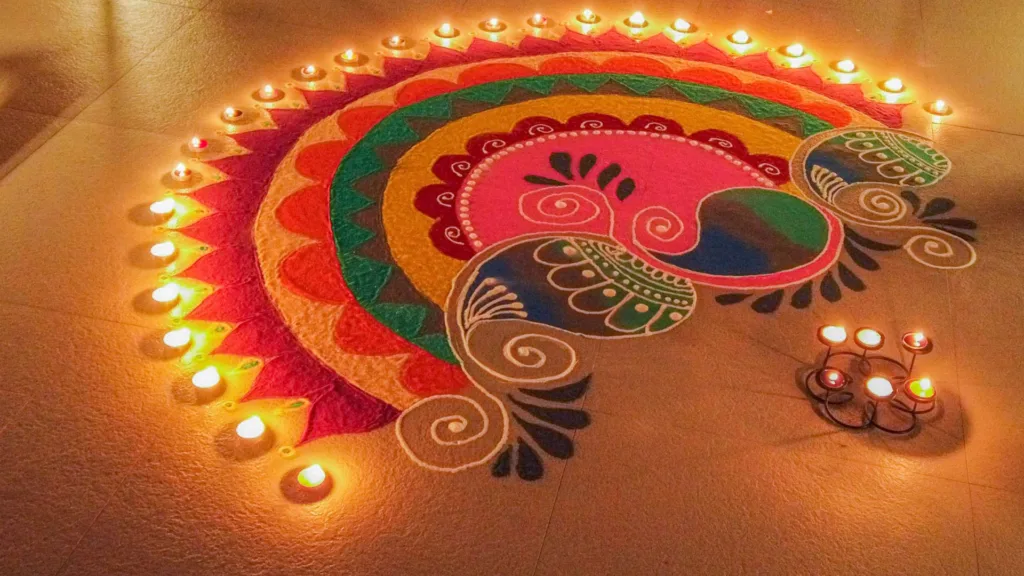
Festivals in India are incomplete without the charm of rangoli. The rangoli importance in indian culture is most visible during celebrations. During Diwali, patterns of lamps and lotus designs symbolize light overcoming darkness. On Makar Sankranti, geometric patterns made with sesame seeds and rice powder celebrate prosperity and harvest.
Each festival has its specific motifs and colors that carry cultural meaning. The act of creating rangoli is often a family activity, bringing together generations and fostering a sense of togetherness. This not only enhances the festive atmosphere but also passes down the tradition from elders to younger members, ensuring that the cultural heritage thrives.
3. Artistic Expression and Creativity
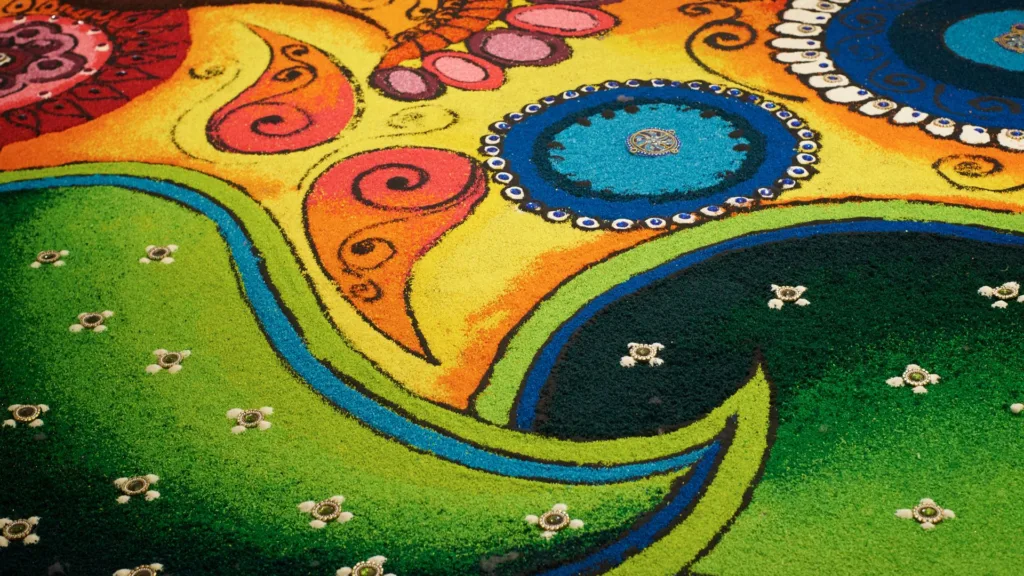
Rangoli is a form of art that allows limitless creativity. The rangoli importance in indian culture also lies in its ability to nurture artistic expression. While traditional patterns like peacocks, flowers, and religious symbols are common, contemporary designs often incorporate modern elements, reflecting personal styles.
This art form is not limited to professional artists. Every household can create unique patterns with their imagination, colors, and materials available. Children learn to develop their creativity, symmetry skills, and attention to detail while participating in rangoli-making. This makes it a fun and educational activity that combines culture, aesthetics, and learning.
4. Spiritual and Religious Significance
Rangoli is closely tied to spirituality in Indian culture. The rangoli importance in indian culture is evident in its use during pujas, prayers, and temple rituals. Many believe that drawing rangoli invites Goddess Lakshmi into the home, symbolizing wealth, prosperity, and good fortune.
The designs often incorporate sacred symbols such as the lotus, Om, or swastika. Each shape, pattern, and color has a meaning, creating an energy-filled environment conducive to meditation and positive thinking. By practicing rangoli, individuals are reminded of their spiritual roots and the importance of maintaining harmony with nature and the universe
5. Strengthening Community Bonds
Rangoli-making is not just a private household activity; it often brings communities together. The rangoli importance in indian culture extends to festivals and local fairs, where neighbors and families gather to create collective patterns.
Community rangolis encourage social interaction, teamwork, and cultural exchange. People of all ages contribute, and the process strengthens bonds within the community. Children and adults alike learn the values of cooperation, patience, and respect for cultural traditions, creating a sense of unity and belonging.
6. Enhancing Mental Wellbeing
Creating rangoli is a calming and therapeutic activity. The rangoli importance in indian culture also lies in its positive impact on mental wellbeing. Drawing intricate patterns requires focus, patience, and a steady hand, which can reduce stress and anxiety.
The vibrant colors and symmetrical designs have been shown to evoke happiness and positivity. Many families consider rangoli-making a mindful activity that encourages relaxation, creativity, and emotional expression. This shows that beyond its cultural and spiritual value, rangoli has a holistic benefit for mental health

7. Preservation of Cultural Heritage
The last but most crucial reason for the rangoli importance in indian culture is its role in preserving India’s rich heritage. Rangoli has been practiced for centuries, and each region has developed its distinctive styles and motifs. From the intricate kolams of Tamil Nadu to the geometric alpana designs of West Bengal, these patterns narrate stories of history, tradition, and regional identity.
By continuing to practice rangoli, families ensure that this ancient art form survives the test of time. Children observe, learn, and replicate these designs, keeping the tradition alive. Rangoli is more than decoration—it is a living link to India’s cultural and artistic legacy.
Different Materials and Styles
Rangoli can be made with various materials like colored powders, rice, sand, flowers, or pulses. Each material has a special significance and can change the meaning of the design. Powdered colors represent creativity and joy, rice symbolizes prosperity, and flowers add freshness and fragrance.
Different styles include:
- Freehand Rangoli – Drawn directly without stencils, allowing personal creativity.
- Stencil Rangoli – Using cut-out shapes to maintain symmetry and uniformity.
- Kolam – A South Indian tradition with geometric patterns drawn using rice flour.
- Alpana – Bengali patterns using white paste for religious and social events.
The diversity of materials and styles highlights the rangoli importance in indian culture as a versatile, inclusive, and evolving art form.
Teaching and Learning Rangoli
Rangoli-making is often passed down through generations. Mothers and grandmothers teach children to make patterns, explaining their significance. Schools and cultural centers also organize workshops, showing the younger generation the historical, spiritual, and artistic value of rangoli.
This learning process ensures that the tradition remains vibrant and adaptive. It also empowers children to explore cultural practices while fostering a sense of pride and belonging. By understanding the rangoli importance in indian culture, students and children gain insight into the deep connection between art, spirituality, and daily life in India.
Rangoli Beyond Festivals
While rangoli is most prominent during festivals, it also plays a role in everyday life. Many families create simple designs at the entrance of their homes every day to invite positivity and happiness. Rangoli can also be used for weddings, housewarming ceremonies, or even local competitions.
This daily or frequent practice signifies mindfulness and dedication. It’s a way for families to stay connected to tradition while adding beauty to their homes. The rangoli importance in indian culture is thus reflected not just in grand celebrations but also in the small, consistent acts of maintaining art and harmony in daily life.
Takeaway
Rangoli is more than decorative art; it is a reflection of India’s soul, connecting people to tradition, spirituality, creativity, and community. The rangoli importance in indian culture cannot be overstated—it represents welcoming, celebration, artistic expression, spiritual beliefs, mental wellbeing, social bonding, and heritage preservation.
Every stroke, color, and pattern tells a story, enriching homes and festivals with energy, happiness, and cultural identity. By practicing and appreciating rangoli, we continue a centuries-old tradition that celebrates life, positivity, and the beauty of Indian culture.
FAQs on Rangoli Importance in Indian Culture
Q1: Why is rangoli important in Indian culture?
Rangoli is important because it symbolizes prosperity, happiness, and positivity. It is a traditional art form that brings families together and enhances festivals and special occasions.
Q2: What materials are used to make rangoli?
Rangoli can be made with colored powders, rice, flower petals, pulses, sand, or chalk. Each material has its own significance—rice for prosperity, flowers for freshness, and powders for creativity.
Q3: Which festivals prominently feature rangoli?
Rangoli is commonly used in Diwali, Makar Sankranti, Pongal, Onam, and many other regional festivals. It decorates homes and temples, inviting positive energy and blessings.
Q4: Can rangoli be made by children?
Yes! Rangoli is a fun and creative activity for children. It improves focus, creativity, and patience, while teaching them about cultural traditions.
Q5: Are there different styles of rangoli?
Yes, India has various styles like Kolam (Tamil Nadu), Alpana (Bengal), Mandana (Rajasthan), and freehand or stencil designs. Each style has unique patterns, meanings, and techniques.
Q6: Does rangoli have spiritual significance?
Absolutely. Rangoli designs often include sacred symbols like the lotus, Om, or swastika, believed to bring blessings, positivity, and spiritual harmony to homes.
Q7: Is rangoli only for festivals?
No. Many families create simple rangoli daily at their entrances to maintain positivity and good vibes. It is also used in weddings, housewarmings, and cultural events.
Q8: How does rangoli help mental wellbeing?
Making rangoli requires focus, creativity, and patience. This can reduce stress, encourage mindfulness, and boost happiness, making it beneficial for emotional health.
Q9: How can rangoli strengthen community bonds?
During local festivals or competitions, communities create rangoli together. This promotes cooperation, social interaction, and a sense of unity among neighbors and families.
Q10: Can modern designs be used in traditional rangoli?
Yes! Contemporary rangoli designs incorporate modern elements while preserving traditional significance, allowing creative expression and personal style.