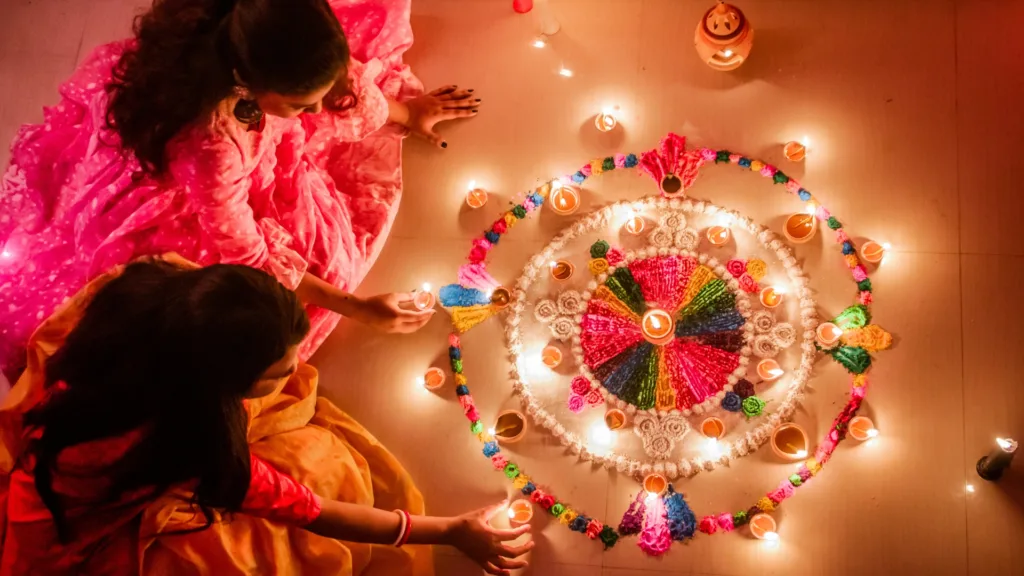
Every year, India lights up with joy, laughter, and dazzling colors during Diwali — the Festival of Lights. It’s one of the most awaited celebrations not just in India but across the world where Indian communities live. As we approach Diwali Festival 2025, excitement is already building up. This vibrant festival carries centuries of culture, devotion, and deep meanings that unite families and communities.
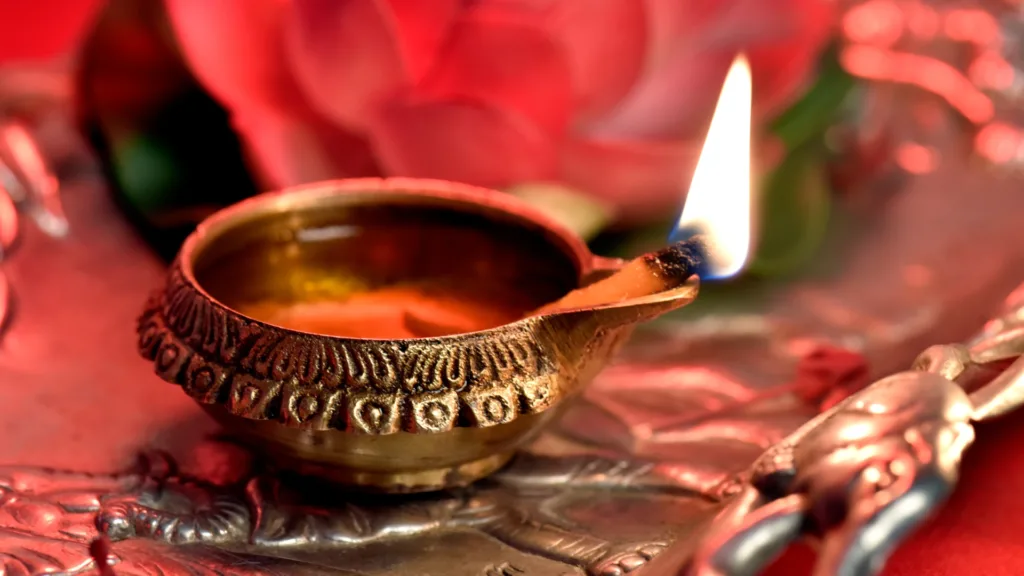
In this article, we’ll explore the diwali festival traditions, the spiritual and historical significance behind the celebrations, and how modern generations have added their own creative twists to this timeless festival.
🪔 The Origin and Significance of Diwali Festival
The story of Diwali dates back thousands of years and finds its roots in various legends from Hindu mythology. The most popular tale comes from the Ramayana, where Lord Rama returns to Ayodhya after defeating Ravana, the demon king. The people welcomed Rama, Sita, and Lakshmana by lighting rows of oil lamps — called diyas — symbolizing the victory of light over darkness and good over evil.
However, Diwali is not just a single-story festival. Across India, different regions associate it with different beliefs. In Gujarat, it marks the new year for the business community, West Bengal, it is celebrated as Kali Puja, honoring Goddess Kali. In Punjab, Sikhs observe it as Bandi Chhor Divas, celebrating Guru Hargobind Sahib’s release from imprisonment. For Jains, it commemorates Lord Mahavira’s attainment of nirvana.
This diversity of meaning shows the beauty of diwali festival traditions — they connect people of various faiths and regions under one bright celebration of light, renewal, and gratitude.
🪔 The Spiritual Meaning Behind the Lights
The shimmering diyas, candles, and colorful lights are not just decorative; they hold a deep spiritual message. Diwali teaches us to dispel ignorance and ego with the light of wisdom and humility. Lighting a lamp signifies awakening one’s inner light and sharing positivity with others.
Each flame lit during Diwali represents hope, purity, and the triumph of righteousness. As families decorate their homes with rows of lamps, it becomes a reminder that darkness — whether in the world or in our hearts — can always be overcome by light.
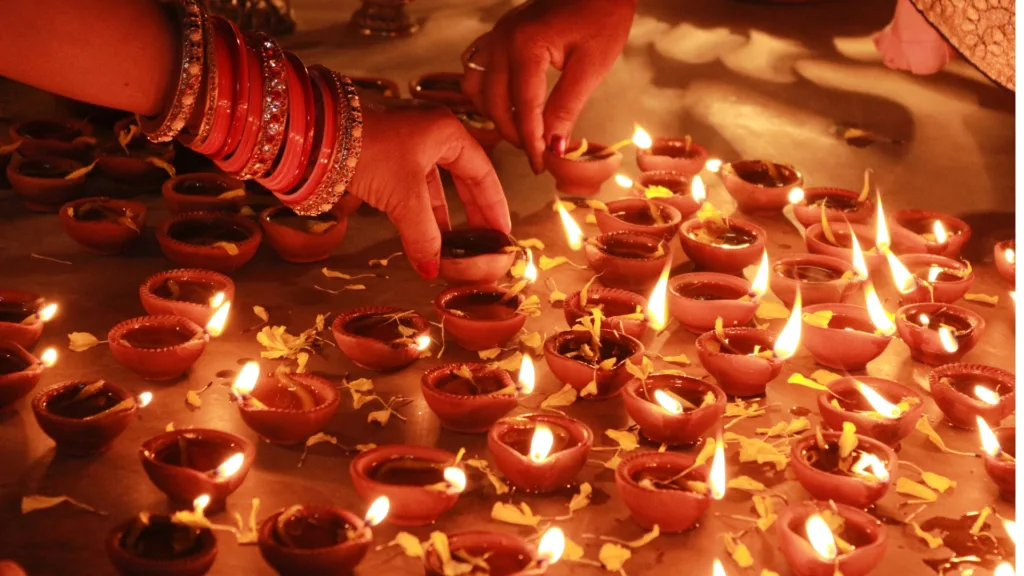
This underlying message gives the diwali festival traditions their timeless charm. No matter how modern life becomes, this festival continues to remind everyone of the eternal power of goodness.
🪔 The Five Days of Diwali
Diwali isn’t just a one-day celebration; it unfolds beautifully over five days, each carrying its own story and rituals.
Day 1 – Dhanteras
Diwali begins with Dhanteras, the day dedicated to wealth and prosperity. People clean their homes, buy new utensils, gold, or silver, and worship Lord Dhanvantari for good health. This marks the start of festive preparations.
Day 2 – Naraka Chaturdashi or Choti Diwali
On this day, people perform oil baths early in the morning, wear new clothes, and light lamps to drive away negativity. It’s believed that Lord Krishna destroyed the demon Narakasura on this day, symbolizing victory over evil.
Day 3 – Lakshmi Puja
This is the main day of Diwali. Families worship Goddess Lakshmi, the goddess of wealth and prosperity, along with Lord Ganesha for wisdom. Homes are adorned with rangolis, flowers, and lights. The evening is filled with prayers, feasts, and fireworks. The joy of togetherness defines this day in diwali festival traditions.
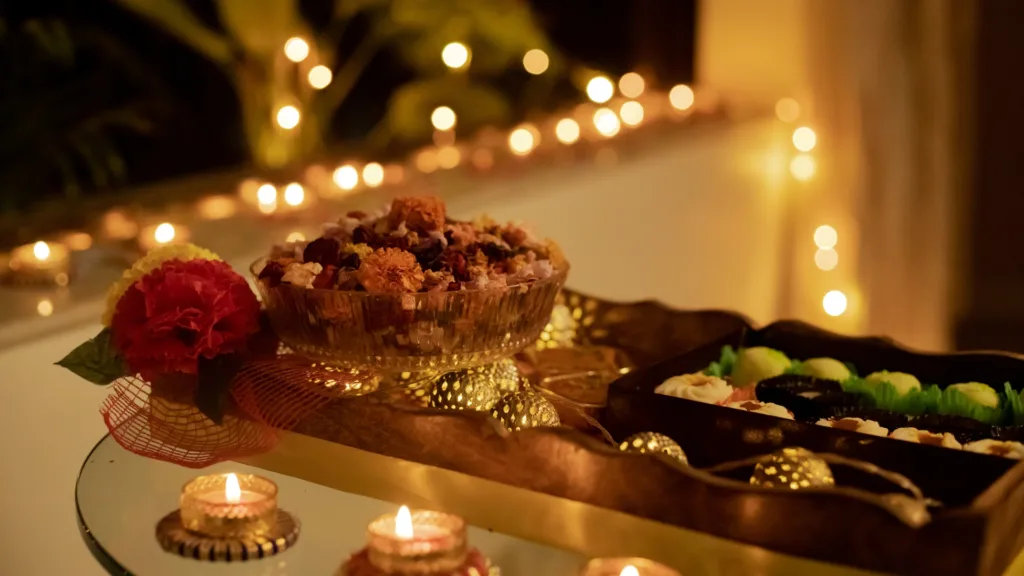
Day 4 – Govardhan Puja or Annakut
The fourth day celebrates Lord Krishna lifting the Govardhan Hill to protect villagers from heavy rains. Devotees prepare a large variety of vegetarian food and offer it to God, symbolizing gratitude for nature’s blessings.
Day 5 – Bhai Dooj
The final day honors the sacred bond between brothers and sisters. Sisters apply tilak on their brothers’ foreheads and pray for their well-being, while brothers promise to protect their sisters. This tradition strengthens family love and harmony.
🪔 The Beauty of Diwali Preparations
Weeks before Diwali, Indian homes buzz with activity. Markets sparkle with lights, sweets, clothes, and decorations. Families engage in cleaning and redecorating their homes — a ritual believed to invite Goddess Lakshmi.
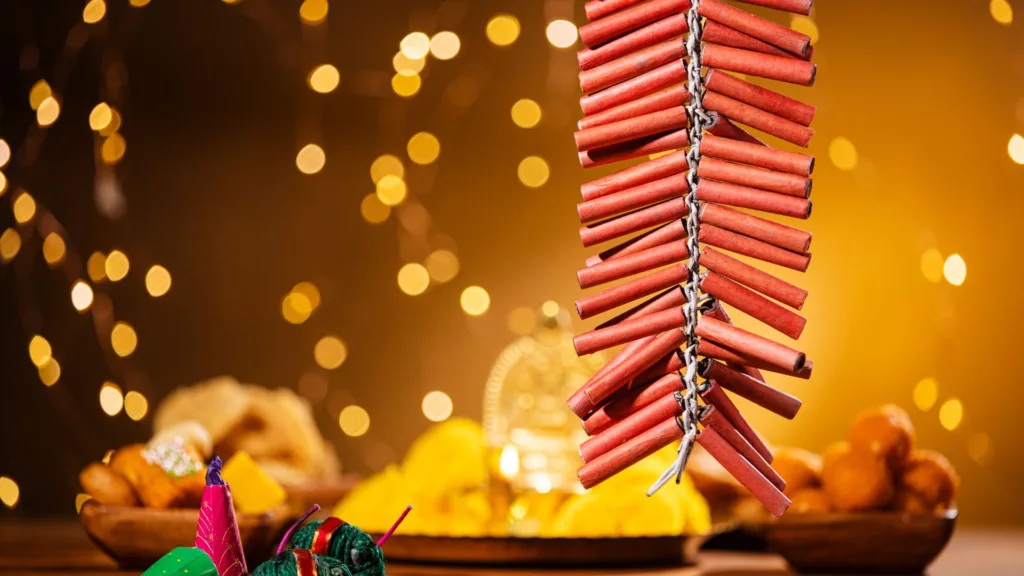
Colorful rangolis made with powders, flowers, or rice adorn entrances, welcoming guests and good fortune. Fragrant incense fills the air, while golden diyas flicker in every corner. New clothes are purchased, gifts are exchanged, and sweet boxes become tokens of affection.
These joyful preparations form the heart of diwali festival traditions — every task, from cleaning to cooking, carries emotional meaning. It’s about renewal, gratitude, and spreading love.
🪔 Traditional Diwali Foods and Sweets
No Indian festival is complete without food, and Diwali is a true feast for the senses. Kitchens turn into sweet-smelling havens where families prepare age-old recipes passed down through generations.
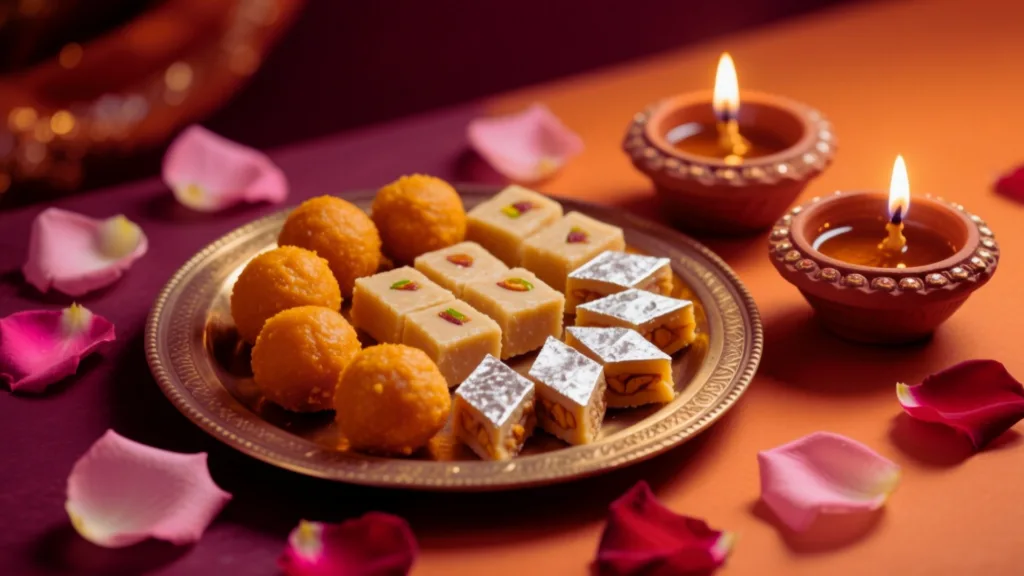
Favorites like laddoos, barfis, jalebis, and gujiyas fill every plate. Savory delights such as chakli, namak pare, and mathri balance the sweetness. Each bite tells a story of heritage, warmth, and sharing.
In many homes, neighbors exchange homemade sweets, symbolizing friendship and togetherness. These simple gestures keep the spirit of diwali festival traditions alive — spreading joy through food and kindness.
🪔 Lights, Fireworks, and Joy
As the sun sets on Diwali evening, the entire country transforms into a glowing wonderland. Homes, streets, and temples gleam with lamps and fairy lights. Fireworks burst in the sky, reflecting the collective happiness of millions.
Children laugh as they light sparklers, and elders watch with joy. In villages and towns alike, communities come together to share sweets and exchange warm wishes. Despite evolving times, the shared excitement of lighting up the night remains central to diwali festival traditions.
While fireworks symbolize celebration, there’s now a growing awareness about eco-friendly alternatives. Many families are choosing noiseless or green crackers, focusing more on lamps and community joy rather than pollution. This shift shows how traditions adapt while keeping the essence alive.
🪔 The Cultural Unity of Diwali
Diwali transcends religion, language, and geography. Whether celebrated by Hindus, Sikhs, Jains, or Buddhists, it brings people together through common values — gratitude, forgiveness, and positivity.
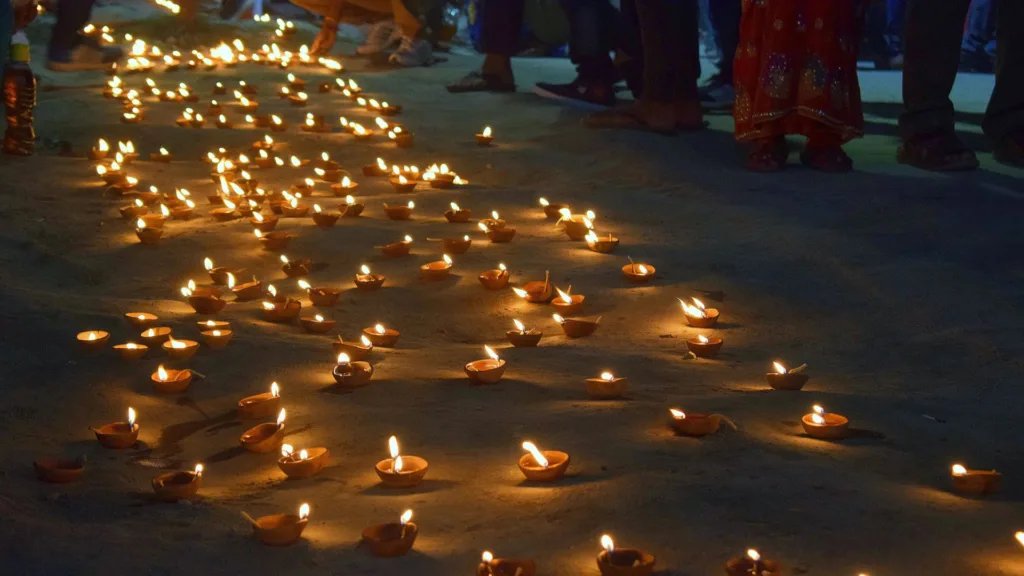
Across India, every state has its unique customs. In Tamil Nadu, Diwali begins with early morning oil baths. In Maharashtra, it’s marked by colorful akash kandils (paper lanterns), North India, elaborate decorations and bustling markets take center stage. Even outside India — from Singapore to London — communities celebrate Diwali with fairs, temple prayers, and light shows.
This universal joy reflects how diwali festival traditions have become global symbols of peace, hope, and human connection.
🪔 Diwali in the Modern World
In 2025, Diwali continues to blend tradition with modernity. Social media platforms buzz with festive greetings, digital rangolis, and creative gifting ideas. Offices host virtual celebrations for employees working remotely. Eco-conscious people choose sustainable décor, clay diyas, and organic colors.
Many families now celebrate Diwali as a time for mindfulness — reducing waste, supporting local artisans, and giving back to society. Charity drives, donations, and community service are becoming new-age traditions.
Even with these modern updates, the foundation of diwali festival traditions remains unshaken — family unity, cultural pride, and spreading light to every corner of life.

🪔 The Deeper Lessons of Diwali
Beyond the fireworks and sweets, Diwali teaches profound life lessons. It encourages people to let go of anger, ego, and jealousy, just as we clean our homes to remove clutter. It’s a reminder to nurture relationships, forgive past mistakes, and start anew.
The lights remind us to keep faith even in dark times. They whisper the truth that inner peace and kindness shine brighter than any lamp. Every prayer offered and every diya lit connects people spiritually, making Diwali not just a festival, but a state of mind — one that celebrates love and goodness.
That’s why diwali festival traditions continue to hold emotional power even in a fast-paced world.
🪔 Keynote Takeaway
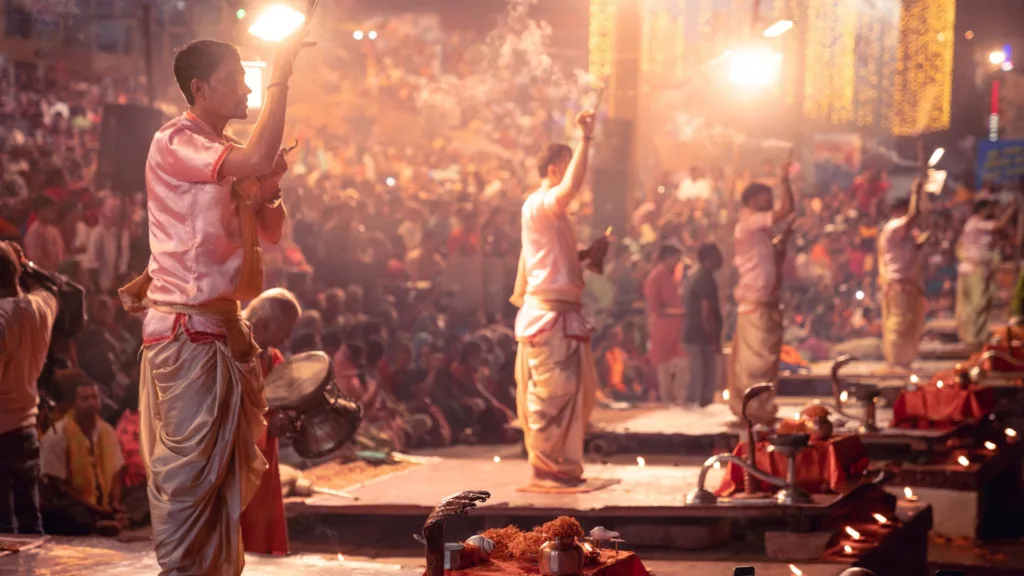
Diwali 2025 promises to be another beautiful reminder of how ancient customs continue to shape modern lives. The joy of decorating homes, lighting diyas, and sharing sweets is timeless. The spirit of renewal, gratitude, and compassion that the festival brings makes it much more than a religious event — it’s a celebration of humanity.
As we prepare for Diwali Festival 2025, may we carry forward the essence of these beloved diwali festival traditions — lighting up not just our homes, but also our hearts with kindness, love, and hope for a brighter tomorrow.
🪔 FAQs:
1. Why is Diwali called the Festival of Lights?
Diwali is called the Festival of Lights because people light diyas, candles, and lamps to celebrate the victory of light over darkness and good over evil. It also symbolizes inner enlightenment and the removal of negativity from life.
2. What are the main Diwali festival traditions?
The most loved diwali festival traditions include cleaning and decorating homes, making colorful rangolis, lighting diyas, performing Lakshmi Puja, exchanging sweets and gifts, and spending time with family. Each of these customs represents prosperity, happiness, and togetherness.
3. How is Diwali celebrated in 2025?
In 2025, Diwali will be celebrated with a blend of traditional rituals and modern touches. People will worship Goddess Lakshmi, light eco-friendly lamps, share digital greetings, and enjoy sustainable celebrations while keeping age-old customs alive.
4. Which deities are worshipped during Diwali?
Goddess Lakshmi, the goddess of wealth and prosperity, is worshipped along with Lord Ganesha, who brings wisdom and success. In some regions, Lord Rama, Goddess Kali, or Lord Krishna are also worshipped, depending on local beliefs.
5. What is the spiritual meaning behind lighting diyas?
Lighting diyas is more than a decoration — it’s a symbol of removing ignorance and welcoming knowledge and hope. It reminds people to keep faith and positivity even in dark times, reflecting the true essence of diwali festival traditions.
6. How do people prepare for Diwali?
Preparations begin weeks in advance. Families clean their homes, buy new clothes, prepare sweets, and decorate with lights and rangolis. Markets come alive with festive energy, and everyone participates in spreading joy and warmth.
7. Is Diwali celebrated outside India too?
Yes, Diwali is celebrated worldwide — in countries like Nepal, Singapore, the UK, the US, Canada, Fiji, and Mauritius. Indian communities organize fairs, cultural programs, and temple prayers, making it a global celebration of light and unity.