Agriculture has always been deeply connected to water. From ancient canal systems to modern sprinkler setups, irrigation has played a central role in determining crop yields and food security. However, as we move into 2026, traditional irrigation methods are no longer sufficient to meet the growing demands of a rapidly increasing global population, climate uncertainty, and shrinking water resources. This is where smart irrigation steps in, revolutionizing how water is managed in agriculture.
Smart irrigation refers to the use of advanced technologies such as sensors, automation, artificial intelligence, and data analytics to optimize water usage in farming. It ensures that crops receive the exact amount of water they need at the right time, minimizing waste and maximizing efficiency. This transformation is not just a technological upgrade—it is a necessity for sustainable agriculture in the modern era.
The Need for Smart Irrigation
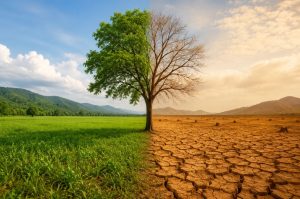
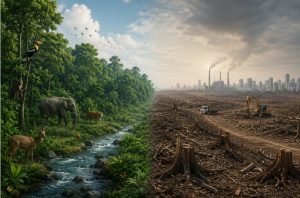
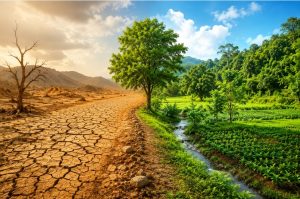
Water scarcity has become one of the most pressing challenges worldwide. Many regions are experiencing declining groundwater levels, unpredictable rainfall patterns, and prolonged droughts. Traditional irrigation methods like flood irrigation often lead to significant water wastage, soil erosion, and nutrient loss.
In countries like India, where agriculture heavily depends on monsoon rains, farmers face uncertainty every year. Over-irrigation in some areas and under-irrigation in others lead to inconsistent crop yields. Smart irrigation systems address these challenges by introducing precision and control into water management.
Another major issue is energy consumption. Conventional irrigation systems often rely on manual operation or inefficient pumps, leading to higher energy costs. Smart systems, on the other hand, integrate energy-efficient technologies, reducing both operational costs and environmental impact.
What Makes Irrigation “Smart”?
Smart irrigation systems are built on the concept of data-driven decision-making. Instead of relying on fixed schedules or guesswork, these systems use real-time data to determine when and how much to irrigate.
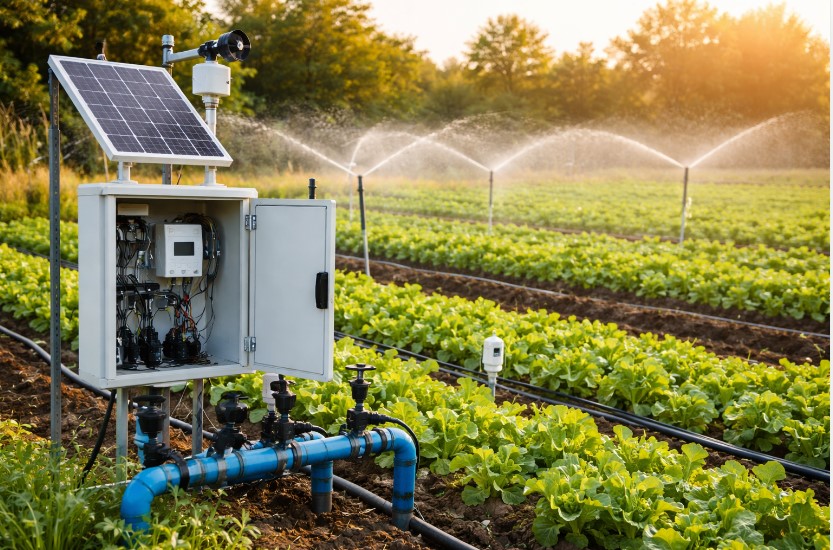
Key components include soil moisture sensors, weather data integration, automated valves, and cloud-based monitoring systems. These tools work together to create a responsive irrigation network that adapts to changing conditions.
For example, soil moisture sensors measure the water content in the soil and send this information to a central system. If the soil is already moist, irrigation is delayed or reduced. Similarly, weather forecasts help the system anticipate rainfall and adjust watering schedules accordingly.
Automation is another critical aspect. Farmers can control irrigation systems remotely using smartphones or computers. This not only saves time but also ensures timely irrigation even when farmers are not physically present in the fields.
Types of Smart Irrigation Systems
Smart irrigation is not a single technology but a combination of different methods designed to improve water efficiency. Each method has its unique advantages and applications depending on the type of crop, soil, and climate.
Drip irrigation has evolved significantly with the integration of smart technologies. In a smart drip system, water is delivered directly to the root zone of plants through a network of pipes and emitters. Sensors and controllers ensure precise water delivery, reducing evaporation and runoff.
Sprinkler systems have also become more advanced. Smart sprinklers can adjust water pressure, spray patterns, and timing based on environmental conditions. They are particularly useful for large fields and crops that require uniform water distribution.
Another innovative approach is subsurface irrigation, where water is delivered below the soil surface. This method minimizes evaporation losses and ensures that water reaches the roots directly. When combined with smart monitoring systems, subsurface irrigation becomes highly efficient and sustainable.
Role of Artificial Intelligence and Data Analytics
Artificial intelligence is playing a transformative role in smart irrigation. AI-powered systems analyze vast amounts of data, including soil conditions, weather patterns, crop type, and growth stages, to make accurate irrigation decisions.
Machine learning algorithms can predict water requirements based on historical data and real-time inputs. Over time, these systems become more accurate, learning from past patterns and improving their recommendations.
Data analytics also helps farmers identify trends and optimize their irrigation strategies. For instance, farmers can analyze which areas of their fields require more water and which areas are over-irrigated. This level of insight was not possible with traditional methods.
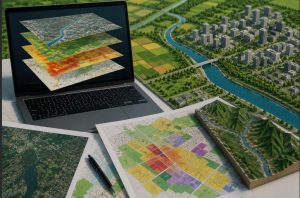
The integration of satellite imagery and remote sensing further enhances decision-making. Farmers can monitor crop health, detect stress areas, and adjust irrigation accordingly. This not only improves productivity but also reduces resource wastage.
Internet of Things in Irrigation
The Internet of Things (IoT) has brought connectivity and automation to agriculture. In smart irrigation systems, IoT devices such as sensors, controllers, and actuators communicate with each other through the internet.
These devices collect and share data in real time, enabling seamless operation of irrigation systems. For example, a soil moisture sensor can trigger an irrigation system automatically when moisture levels drop below a certain threshold.
Farmers can access this data through mobile apps or web platforms, allowing them to monitor and control irrigation remotely. This level of convenience and control is particularly beneficial for large farms and remote areas.
IoT-based irrigation systems also provide alerts and notifications, helping farmers respond quickly to issues such as equipment failure or abnormal water usage. This proactive approach reduces downtime and ensures efficient operation.
Benefits of Smart Irrigation
The advantages of smart irrigation extend beyond water conservation. One of the most significant benefits is improved crop yield. By providing the right amount of water at the right time, crops grow healthier and more consistently.
Water efficiency is another major benefit. Smart irrigation systems can reduce water usage by up to fifty percent compared to traditional methods. This is crucial in regions facing water scarcity.
Cost savings are also substantial. Reduced water usage leads to lower electricity bills for pumping water. Automation reduces labor costs, and better crop yields increase overall profitability.
Environmental sustainability is a key outcome of smart irrigation. By minimizing water wastage and reducing chemical runoff, these systems help protect soil health and surrounding ecosystems.
Challenges in Adoption
Despite its numerous benefits, the adoption of smart irrigation is not without challenges. One of the primary barriers is the initial cost. Advanced sensors, controllers, and automation systems can be expensive, especially for small-scale farmers.
Lack of awareness and technical knowledge is another issue. Many farmers are not familiar with smart technologies and may find them difficult to use. Training and education are essential to bridge this gap.
Infrastructure limitations, such as unreliable internet connectivity and power supply, can also hinder the implementation of IoT-based systems in rural areas.
However, governments and organizations are increasingly supporting the adoption of smart irrigation through subsidies, training programs, and awareness campaigns. As technology becomes more affordable, these challenges are expected to diminish.
The Indian Perspective
In India, smart irrigation is gaining momentum as a solution to water scarcity and agricultural inefficiency. Government initiatives are promoting micro-irrigation systems, including drip and sprinkler irrigation, with financial support for farmers.
Startups and agri-tech companies are also playing a crucial role by developing affordable and user-friendly smart irrigation solutions. These innovations are tailored to the needs of Indian farmers, taking into account local conditions and challenges.
Farmers who have adopted smart irrigation are already seeing positive results, including increased crop yields, reduced water usage, and improved income. This shift is gradually transforming the agricultural landscape of the country.
Looking Ahead
As we move further into 2026, smart irrigation is expected to become an integral part of modern agriculture. Continuous advancements in technology, combined with increasing awareness and support, will drive widespread adoption.
The future of irrigation lies in precision, efficiency, and sustainability. Smart irrigation systems are not just tools—they are a pathway to ensuring food security, conserving natural resources, and building a resilient agricultural sector.
In the next part, we will explore real-world examples, advanced innovations, and the future potential of smart irrigation technologies that are shaping agriculture globally.
Smart Irrigation Methods Changing Agriculture in 2026
As smart irrigation technologies continue to evolve, their real-world impact is becoming increasingly visible across farms of all sizes. From smallholder farmers in developing countries to large-scale commercial agriculture, these systems are transforming how water is managed, crops are grown, and resources are conserved. In this part, we explore practical applications, emerging innovations, and the future potential of smart irrigation in shaping global agriculture.
Real-World Applications of Smart Irrigation
One of the most compelling aspects of smart irrigation is its adaptability. Farmers across different regions are implementing these technologies based on their specific needs and environmental conditions.
In water-scarce regions, smart drip irrigation systems are helping farmers grow crops with minimal water. By delivering water directly to plant roots and adjusting flow rates based on real-time data, farmers can cultivate crops even during dry seasons. This has proven particularly beneficial for high-value crops such as fruits and vegetables.
In areas with unpredictable rainfall, weather-based irrigation controllers are making a significant difference. These systems use local weather data to adjust irrigation schedules dynamically. For example, if rain is expected, the system automatically reduces or skips irrigation, preventing waterlogging and saving resources.
Large-scale farms are increasingly adopting centralized irrigation management systems. These systems allow farmers to monitor multiple fields from a single dashboard, analyze performance, and make data-driven decisions. This level of control enhances efficiency and productivity on a much larger scale.
Integration with Renewable Energy
Another major advancement in smart irrigation is its integration with renewable energy sources. Solar-powered irrigation systems are gaining popularity, especially in regions with abundant sunlight.
Solar pumps combined with smart controllers enable farmers to irrigate their fields without relying on grid electricity or diesel generators. This not only reduces operational costs but also minimizes carbon emissions.
The combination of solar energy and smart irrigation creates a sustainable solution that addresses both water and energy challenges. Farmers can store excess solar energy or use it during peak irrigation times, ensuring uninterrupted operation.
Advanced Technologies Shaping Smart Irrigation
The future of smart irrigation is being driven by cutting-edge technologies that go beyond basic automation. These innovations are making irrigation systems more intelligent, efficient, and user-friendly.
One such technology is predictive analytics. By analyzing historical weather patterns, soil data, and crop growth cycles, predictive models can forecast irrigation needs days or even weeks in advance. This allows farmers to plan their water usage more effectively.
Another breakthrough is the use of drones in agriculture. Drones equipped with sensors and cameras can capture detailed images of fields, identifying areas that require more or less water. This aerial perspective helps farmers optimize irrigation with precision.
Blockchain technology is also beginning to find its place in agriculture. It can be used to track water usage, ensure transparency, and promote fair distribution of water resources among farmers.
Robotics is another emerging field. Automated irrigation robots can navigate fields, monitor plant health, and deliver water precisely where needed. While still in early stages, this technology holds great promise for the future.
Impact on Crop Quality and Yield
Smart irrigation not only increases crop quantity but also improves quality. Consistent and precise watering leads to uniform crop growth, better texture, and enhanced nutritional value.
For example, fruits grown with controlled irrigation tend to have better size, color, and taste. Similarly, crops like wheat and rice benefit from optimized water levels, resulting in higher yields and reduced losses.
By preventing over-irrigation, smart systems also reduce the risk of diseases caused by excess moisture. This leads to healthier crops and lower dependency on chemical treatments.
Economic Benefits for Farmers
The financial advantages of smart irrigation are significant. Although the initial investment may be high, the long-term savings and increased income make it a worthwhile investment.
Farmers can reduce water bills, energy costs, and labor expenses. Automation eliminates the need for constant manual monitoring, allowing farmers to focus on other important tasks.
Higher crop yields and better quality products fetch better prices in the market, increasing overall profitability. In many cases, farmers recover their investment within a few growing seasons.
Additionally, access to data and insights enables farmers to make informed decisions, reducing risks and improving efficiency.
Government Policies and Support
Governments around the world are recognizing the importance of smart irrigation and are implementing policies to encourage its adoption.
In India, schemes promoting micro-irrigation and water conservation are providing subsidies and financial assistance to farmers. Training programs and workshops are helping farmers understand and use these technologies effectively.
Public-private partnerships are also playing a key role in developing and distributing smart irrigation solutions. Collaboration between governments, research institutions, and technology companies is accelerating innovation in this field.
International organizations are supporting sustainable irrigation practices through funding, research, and knowledge sharing. These efforts are helping to scale smart irrigation globally.
Challenges and Future Opportunities
While smart irrigation offers numerous benefits, certain challenges still need to be addressed for widespread adoption.
Affordability remains a concern, particularly for small and marginal farmers. Although costs are decreasing, more efforts are needed to make these technologies accessible to all.
Technical complexity can also be a barrier. User-friendly interfaces and proper training are essential to ensure that farmers can easily operate and maintain these systems.
Data security and privacy are emerging concerns as more agricultural data is collected and stored digitally. Ensuring secure data management will be crucial in the future.
Despite these challenges, the opportunities are immense. Continuous innovation, combined with supportive policies and increasing awareness, will drive the growth of smart irrigation.
The Future of Smart Irrigation
Looking ahead, smart irrigation is expected to become even more advanced and integrated. Systems will become more autonomous, requiring minimal human intervention.
Artificial intelligence will continue to improve, enabling highly accurate predictions and real-time adjustments. Integration with other smart farming technologies, such as precision agriculture and automated machinery, will create a fully connected agricultural ecosystem.
Water management will become more efficient at both farm and regional levels. Smart irrigation systems could be linked to larger water distribution networks, ensuring optimal allocation of water resources.
As climate change continues to impact agriculture, smart irrigation will play a critical role in building resilience. Farmers will be better equipped to adapt to changing conditions and maintain productivity.
Conclusion
Smart irrigation is redefining agriculture in 2026 by bringing precision, efficiency, and sustainability to water management. It addresses some of the most pressing challenges faced by farmers today, including water scarcity, rising costs, and climate uncertainty.
By leveraging technologies such as sensors, artificial intelligence, IoT, and renewable energy, smart irrigation systems are transforming traditional farming practices into data-driven, efficient operations. The benefits extend beyond individual farms, contributing to environmental conservation and global food security.
While challenges such as cost and technical barriers remain, ongoing advancements and supportive policies are paving the way for widespread adoption. As more farmers embrace these technologies, the agricultural sector will become more resilient, productive, and sustainable.
The journey of smart irrigation is just beginning, but its impact is already profound. It represents not just a technological shift, but a fundamental change in how we approach agriculture and resource management in the modern world.
FAQs:
Smart irrigation is an advanced method of watering crops using technologies like sensors, AI, and IoT to deliver the right amount of water at the right time.
It uses soil moisture sensors and weather data to avoid overwatering, reducing water wastage and ensuring efficient usage.
The main types include smart drip irrigation, smart sprinkler systems, and subsurface irrigation systems.
Initial costs can be high, but long-term savings on water, energy, and labor make it cost-effective.
AI analyzes data like weather, soil condition, and crop needs to optimize irrigation schedules and improve efficiency.