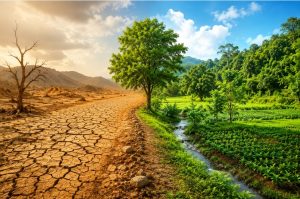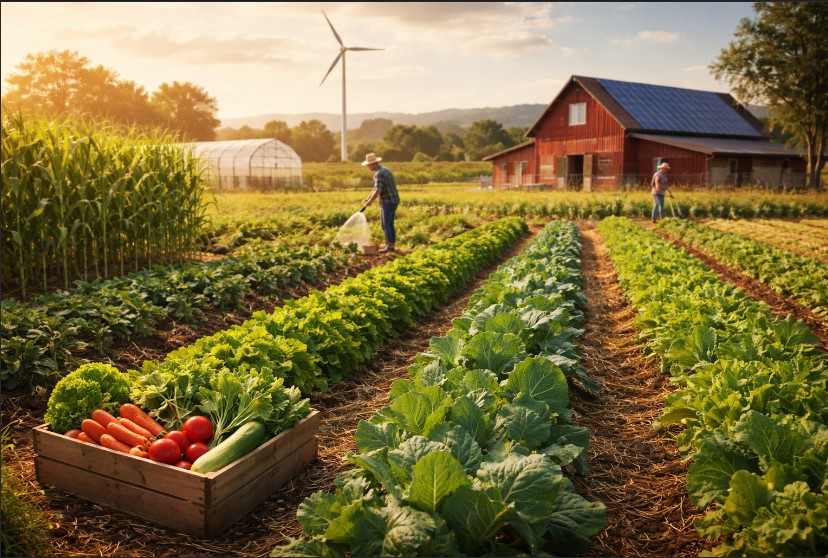
Sustainable farming is no longer just a niche concept discussed by environmentalists—it has become a global necessity. As the world faces climate change, soil degradation, water scarcity, and rising food demand, the way we produce food is under intense scrutiny. Sustainable farming offers a solution that balances productivity with environmental care, economic viability, and social responsibility.
In this first part, we’ll explore what sustainable farming really means, its core principles, and why it has become so important in today’s world.
Understanding Sustainable Farming
Sustainable farming, also known as sustainable agriculture, refers to agricultural practices that meet current food and textile needs without compromising the ability of future generations to meet their own needs. It focuses on maintaining ecological balance, conserving natural resources, and supporting the livelihoods of farmers.
Unlike conventional farming, which often relies heavily on chemical fertilizers, pesticides, and intensive monoculture systems, sustainable farming emphasizes harmony with nature. It integrates traditional knowledge with modern innovation to create systems that are both productive and environmentally sound.
Core Principles of Sustainable Farming
Sustainable farming is built on several key principles that guide its practices:
Environmental Protection
The foundation of sustainable farming lies in protecting natural ecosystems. This includes preserving soil health, maintaining biodiversity, reducing pollution, and minimizing the use of harmful chemicals.
Economic Viability
Farmers must be able to sustain their livelihoods. Sustainable farming encourages practices that reduce input costs, improve yield quality, and ensure long-term profitability without degrading resources.
Social Responsibility
Sustainable agriculture promotes fair labor practices, supports rural communities, and ensures food security. It also considers the well-being of farm workers and consumers.
Resource Efficiency
Efficient use of water, energy, and land is essential. Sustainable farming aims to reduce waste and optimize resource use through techniques like drip irrigation and renewable energy integration.
Key Practices in Sustainable Farming
Sustainable farming is not a single method but a combination of practices tailored to different environments and needs. Some of the most common techniques include:
Crop Rotation
Instead of growing the same crop repeatedly, farmers rotate crops across seasons. This improves soil fertility, reduces pest infestations, and enhances productivity.
Organic Farming
Organic farming avoids synthetic chemicals and relies on natural fertilizers like compost and manure. It promotes healthier soil and reduces environmental pollution.
Agroforestry
This involves integrating trees and shrubs into agricultural land. Agroforestry improves biodiversity, prevents soil erosion, and enhances carbon sequestration.
Conservation Tillage
Reducing or eliminating plowing helps maintain soil structure, reduce erosion, and improve water retention.
Integrated Pest Management (IPM)
IPM uses biological controls, natural predators, and minimal chemical inputs to manage pests effectively and sustainably.
Water Management Techniques
Efficient irrigation methods like drip irrigation and rainwater harvesting help conserve water while ensuring optimal crop growth.
Why Sustainable Farming Matters Today
The importance of sustainable farming has grown significantly in recent years due to several pressing global challenges.
Climate Change and Agriculture
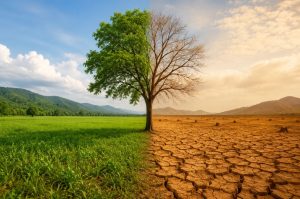
Agriculture is both a contributor to and a victim of climate change. Conventional farming methods release greenhouse gases through excessive fertilizer use, deforestation, and livestock emissions. At the same time, changing weather patterns, droughts, and floods threaten crop yields.
Sustainable farming helps mitigate climate change by:
- Reducing greenhouse gas emissions
- Enhancing carbon storage in soil and vegetation
- Promoting climate-resilient crops
Soil Degradation Crisis
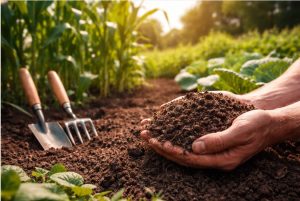
Healthy soil is the backbone of agriculture, yet it is being degraded at an alarming rate due to overuse of chemicals, erosion, and intensive farming practices.
Sustainable farming restores soil health through:
- Organic matter addition
- Reduced tillage
- Crop diversity
Healthy soil not only improves yields but also enhances water retention and resilience against extreme weather.
Water Scarcity
Water is a critical resource for agriculture, but many regions are experiencing severe shortages. Unsustainable irrigation practices have led to groundwater depletion and water pollution.
Sustainable farming addresses this by:
- Using efficient irrigation systems
- Recycling water resources
- Reducing chemical runoff
Loss of Biodiversity
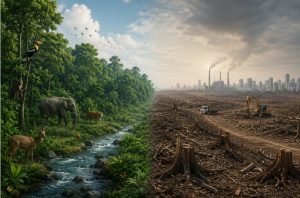
Modern agriculture has contributed to a significant decline in biodiversity due to monoculture farming and habitat destruction.
Sustainable farming promotes biodiversity by:
- Encouraging mixed cropping systems
- Protecting natural habitats
- Supporting pollinators like bees and butterflies
Biodiversity is essential for ecosystem stability and agricultural productivity.
Rising Food Demand
With the global population expected to reach nearly 10 billion by 2050, food production must increase significantly. However, simply expanding farmland is not a viable solution due to environmental constraints.
Sustainable farming focuses on increasing productivity without harming the environment by:
- Improving crop efficiency
- Reducing waste
- Enhancing soil fertility naturally
Benefits of Sustainable Farming
Adopting sustainable farming practices offers a wide range of benefits:
Environmental Benefits
- Reduced pollution and chemical usage
- Improved soil health
- Conservation of water resources
- Enhanced biodiversity
Economic Benefits
- Lower input costs over time
- Better resilience to market and climate shocks
- Access to premium markets for organic and sustainable products
Social Benefits
- Improved farmer livelihoods
- Healthier food for consumers
- Stronger rural communities
Challenges in Adopting Sustainable Farming
Despite its advantages, sustainable farming faces several challenges:
High Initial Costs
Transitioning from conventional to sustainable practices may require investment in new equipment, training, and infrastructure.
Knowledge Gap
Farmers may lack awareness or technical knowledge about sustainable methods.
Market Barriers
Access to markets for sustainable products can be limited, especially for small-scale farmers.
Policy and Support Issues
In many regions, government policies still favor conventional farming practices.
The Role of Technology in Sustainable Farming
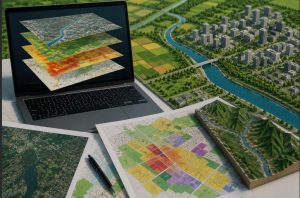
Technology plays a crucial role in making sustainable farming more effective and accessible. Innovations such as precision agriculture, satellite monitoring, and data analytics help farmers make informed decisions.
Examples include:
- Soil sensors for nutrient management
- Drones for crop monitoring
- AI-based weather forecasting
These tools enable farmers to optimize resources while minimizing environmental impact.
Consumer Awareness and Responsibility
Consumers also play a vital role in promoting sustainable farming. By choosing sustainably produced food, supporting local farmers, and reducing food waste, individuals can contribute to a more sustainable food system.
Simple actions include:
- Buying organic or locally grown produce
- Reducing food waste
- Supporting eco-friendly brands
Looking Ahead
Sustainable farming is not just an alternative—it is the future of agriculture. As environmental challenges intensify and food demand rises, adopting sustainable practices will be essential for ensuring food security and protecting the planet.
However, achieving this requires collective effort from farmers, governments, businesses, and consumers alike.
Real-World Examples of Sustainable Farming
Sustainable farming is already making a difference across the globe. Different regions are adopting innovative approaches suited to their climate, resources, and cultural practices.
India: Blending Tradition with Innovation
In India, many farmers are returning to traditional practices such as natural farming, zero-budget farming, and organic agriculture. States like Andhra Pradesh have promoted chemical-free farming on a large scale, helping farmers reduce costs and improve soil health.
Community-driven initiatives and farmer cooperatives are also playing a key role in spreading awareness and sharing resources.
Europe: Policy-Driven Sustainability
European countries have been at the forefront of sustainable agriculture through strong policies and incentives. The European Union’s “Farm to Fork Strategy” encourages reduced pesticide use, organic farming expansion, and improved animal welfare standards.
Farmers are supported through subsidies and training programs to transition toward eco-friendly practices.
United States: Technology-Driven Farming
In the United States, sustainable farming is often supported by advanced technology. Precision agriculture tools—such as GPS-guided tractors and AI-based crop monitoring—help optimize inputs and reduce waste.
Many farms are also adopting regenerative agriculture practices that focus on restoring soil health and capturing carbon.
Africa: Climate-Resilient Agriculture
In several African countries, sustainable farming focuses on resilience. Techniques like drought-resistant crops, agroforestry, and water conservation are helping farmers adapt to climate challenges while improving food security.
Government Policies and Support
Governments play a critical role in promoting sustainable farming by creating supportive policies, financial incentives, and educational programs.
Subsidies and Incentives
Many governments offer subsidies for organic farming, drip irrigation systems, and renewable energy use on farms. These incentives make it easier for farmers to adopt sustainable practices.
Training and Education
Agricultural extension programs help farmers learn about new techniques, technologies, and sustainable methods.
Research and Development
Investment in agricultural research leads to innovations such as climate-resistant crops and improved farming techniques.
Regulations
Policies that limit harmful pesticides, protect water resources, and encourage biodiversity are essential for long-term sustainability.
Sustainable Farming and Climate Goals
Sustainable agriculture is closely linked to global climate goals. It contributes significantly to reducing emissions and improving environmental health.
Carbon Sequestration
Practices like agroforestry and conservation tillage help capture carbon dioxide from the atmosphere and store it in soil and plants.
Reduced Emissions
By minimizing chemical use and improving livestock management, sustainable farming reduces greenhouse gas emissions.
Alignment with Global Goals
Sustainable farming supports initiatives like the United Nations Sustainable Development Goals (SDGs), particularly those related to zero hunger, climate action, and life on land.
Future Trends in Sustainable Farming
The future of agriculture is being shaped by innovation, awareness, and necessity. Several trends are emerging that will define sustainable farming in the coming years.
Regenerative Agriculture
This approach goes beyond sustainability by actively restoring ecosystems. It focuses on rebuilding soil health, increasing biodiversity, and improving water cycles.
Vertical Farming
Urban areas are adopting vertical farming systems where crops are grown in stacked layers using controlled environments. This reduces land use and transportation costs.
Smart Farming
Smart farming uses technologies like IoT (Internet of Things), artificial intelligence, and big data to optimize agricultural processes.
Plant-Based and Alternative Proteins
The rise in plant-based diets and alternative proteins is influencing farming practices, reducing the environmental impact of livestock farming.
Circular Agriculture
Circular systems aim to eliminate waste by reusing resources. For example, agricultural waste can be converted into compost or bioenergy.
How Farmers Can Adopt Sustainable Practices
Transitioning to sustainable farming may seem challenging, but it can be achieved step by step.
Start Small
Farmers can begin by adopting one or two sustainable practices, such as crop rotation or organic fertilizers.
Use Local Resources
Utilizing locally available materials like compost and natural pest control methods can reduce costs.
Invest in Training
Learning new techniques through workshops and agricultural programs is essential.
Collaborate with Other Farmers
Sharing knowledge and resources within communities can accelerate adoption.
Leverage Technology
Using modern tools can improve efficiency and reduce environmental impact.
How Individuals Can Support Sustainable Farming
Consumers have significant power to influence agricultural practices through their choices.
Choose Sustainable Products
Look for organic, locally grown, and eco-friendly products.
Reduce Food Waste
Minimizing food waste helps reduce pressure on agricultural systems.
Support Local Farmers
Buying directly from farmers or local markets strengthens sustainable practices.
Spread Awareness
Educating others about sustainable farming can create a ripple effect.
Barriers That Still Need to Be Addressed
While progress is being made, several barriers remain:
- Limited access to funding for small farmers
- Lack of infrastructure in rural areas
- Resistance to change due to traditional practices
- Inconsistent policies across regions
Addressing these challenges requires coordinated efforts from governments, organizations, and communities.
The Global Impact of Sustainable Farming
If adopted widely, sustainable farming can transform the global food system. It has the potential to:
- Ensure long-term food security
- Protect natural ecosystems
- Reduce the impact of climate change
- Improve the quality of life for farmers
It represents a shift from short-term gains to long-term resilience and sustainability.
Final Thoughts
Sustainable farming is not just a trend—it is a necessity for the survival of our planet and future generations. It offers a balanced approach to agriculture that respects nature while meeting human needs.
The journey toward sustainability requires collaboration, innovation, and commitment from every level of society. Whether you are a farmer, policymaker, or consumer, your actions can contribute to a more sustainable future.
FAQs:
The main goal is to produce food in a way that preserves the environment, supports farmers economically, and meets the needs of future generations.
It is important because it helps address major global challenges like climate change, soil degradation, water scarcity, and increasing food demand while protecting natural ecosystems.
Traditional (or conventional) farming often relies on chemical fertilizers and pesticides, whereas sustainable farming focuses on natural methods, soil health, and long-term environmental balance.
No, organic farming is a part of sustainable farming. Sustainable farming also includes economic viability and social responsibility, not just avoiding chemicals.
Yes, over time it can improve yields by enhancing soil fertility, reducing pest problems, and making crops more resilient to climate changes.
It minimizes chemical pesticides and instead uses natural pest control methods like biological agents and integrated pest management.