Small farmers are the backbone of agriculture, especially in countries like India. With limited land, resources, and increasing climate challenges, it becomes essential to adopt smart and efficient crop management practices. The right techniques not only improve productivity but also ensure long-term sustainability and better income.
This guide explains practical and effective crop management techniques that small farmers can easily implement in their daily farming practices.
Understanding Crop Management
Crop management includes all agricultural practices that help crops grow efficiently and produce better yields. It covers activities such as soil preparation, seed selection, irrigation, fertilization, pest control, and harvesting.
For small farmers, crop management is about:
- Using resources wisely
- Reducing risks
- Improving productivity
Importance of Crop Management for Small Farmers
Proper crop management plays a crucial role in farming success. It helps in:
- Increasing production from small land areas
- Reducing unnecessary expenses
- Maintaining soil fertility
- Improving crop quality
- Handling climate uncertainties
Farmers who follow proper techniques are more likely to achieve stable and higher yields.
Soil Health Management
Soil Testing
Understanding soil condition is the first step in farming. Soil testing helps farmers know:
- Nutrient levels
- Soil pH
- Organic matter content
Based on the results, farmers can apply the right type and amount of fertilizers.
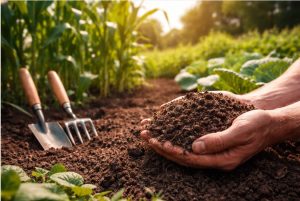
Adding Organic Matter
Organic matter improves soil fertility and structure. Common options include:
- Compost
- Farmyard manure
- Green manure
These help increase water retention and support beneficial soil organisms.
Crop Residue Management
Instead of burning crop residues, farmers should:
- Mix them into the soil
- Use them as mulch
This improves soil nutrients and prevents environmental pollution.
Crop Selection and Planning
Choosing Suitable Crops
Farmers should select crops based on:
- Climate conditions
- Soil type
- Availability of water
Examples:
- Dry areas → Millets and pulses
- Irrigated areas → Rice and sugarcane
Use of Quality Seeds
Good seeds are essential for better yield. Farmers should choose:
- Certified seeds
- High-yield varieties
- Disease-resistant seeds
Crop Rotation
Crop rotation means growing different crops in a sequence on the same land.
Benefits:
- Maintains soil nutrients
- Reduces pest and disease problems
- Improves soil structure
Example rotation:
- Cereal crops followed by legumes
Water Management Techniques
Water management is very important for small farmers, especially in areas facing water scarcity.
Efficient Irrigation Methods
Modern irrigation techniques include:
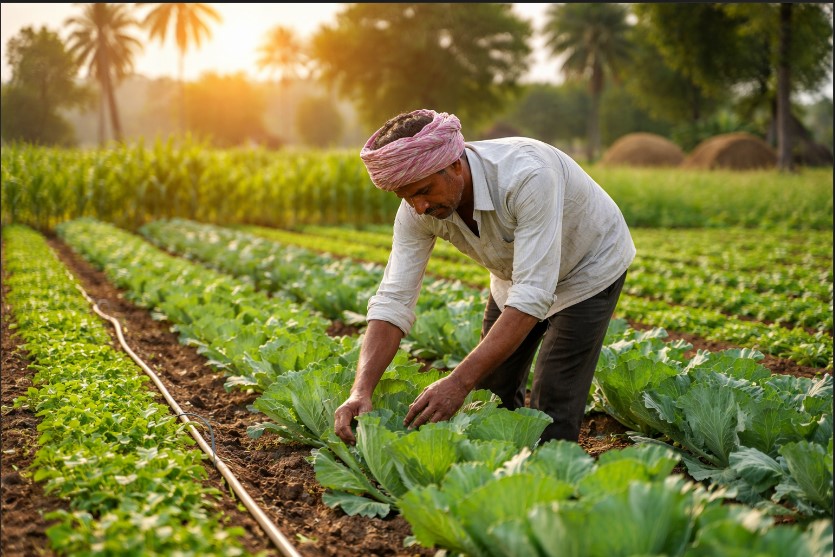
- Drip irrigation
- Sprinkler irrigation
Advantages:
- Saves water
- Provides uniform distribution
- Reduces weed growth
Rainwater Harvesting
Farmers can store rainwater through:
- Farm ponds
- Small storage tanks
This helps in irrigation during dry periods.
Proper Irrigation Scheduling
Farmers should:
- Avoid overwatering
- Irrigate during critical growth stages
This ensures better crop growth and prevents water wastage.
Nutrient Management
Balanced Use of Fertilizers
Crops require proper nutrients for growth. These include:
- Nitrogen (N)
- Phosphorus (P)
- Potassium (K)
Overuse or underuse of fertilizers can affect yield and soil health.
Integrated Nutrient Management
This method combines:
- Organic manure
- Chemical fertilizers
- Biofertilizers
Benefits:
- Improves soil fertility
- Reduces cost
- Enhances productivity
Use of Biofertilizers
Biofertilizers help naturally improve soil nutrients. Examples include:
- Rhizobium
- Azotobacter
They support plant growth and reduce chemical dependency.
Weed Management
Weeds compete with crops for nutrients, water, and sunlight.
Manual Weeding
- Hand weeding
- Use of simple tools
Suitable for small farms and cost-effective.
Mulching
Covering soil with materials like:
- Straw
- Dry leaves
- Plastic sheets
Benefits:
- Prevents weed growth
- Retains moisture
Controlled Use of Herbicides
Herbicides can be used carefully when weed growth is high. Proper dosage and timing are important to avoid crop damage.
Pest and Disease Management
Pests and diseases can reduce crop yield significantly if not controlled.
Integrated Pest Management
This approach includes:
- Biological control methods
- Mechanical techniques
- Limited use of chemicals
It is environmentally friendly and cost-effective.
Natural Pest Control
Farmers can use:
- Neem-based sprays
- Garlic and chili extracts
- Light and sticky traps
These are safe and affordable options.
Disease-Resistant Varieties
Growing resistant crop varieties reduces the risk of diseases and minimizes pesticide use.
Climate-Smart Farming Practices
Changing climate conditions affect crop production.
Proper Sowing Time
Sowing at the right time helps crops avoid:
- Extreme weather
- Pest attacks
Short-Duration Crops
These crops:
- Grow quickly
- Reduce risk of crop failure
Agroforestry
Growing trees along with crops:
- Improves soil quality
- Provides extra income
- Protects crops from harsh weather
Farm Record Keeping
Maintaining records helps farmers make better decisions.
Farmers should record:
- Crop yield
- Expenses
- Weather conditions
- Pest issues
This improves planning and financial management.
Role of Technology in Farming
Technology is becoming useful even for small farmers.
Mobile-Based Information
Farmers can access:
- Weather updates
- Market prices
- Expert advice
Use of Small Tools
Tools like:
- Seed drills
- Weeders
Help reduce labor and increase efficiency.
Advanced Crop Management Techniques for Small Farmers
To achieve long-term success in agriculture, small farmers need to go beyond basic practices and adopt advanced crop management techniques. These methods focus on improving efficiency, reducing losses, and increasing profitability while maintaining sustainability.
This section highlights modern, practical, and result-oriented strategies that can help small farmers grow more with fewer resources.
Precision Farming for Small Farmers
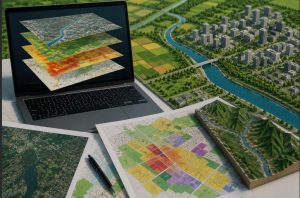
Precision farming involves using data and technology to manage crops more accurately.
Benefits of Precision Farming
- Reduces input costs
- Improves crop yield
- Minimizes resource wastage
Simple Precision Techniques
Small farmers can adopt basic precision methods such as:
- Monitoring soil moisture using simple tools
- Applying fertilizers only where needed
- Observing crop health regularly
Even without expensive equipment, careful observation and planning can bring significant improvements.
Intercropping and Mixed Cropping
Intercropping
Growing two or more crops together on the same land.
Examples:
- Maize + Beans
- Sugarcane + Vegetables
Benefits:
- Better use of land
- Reduced pest attacks
- Increased income
Mixed Cropping
Growing different crops without a specific pattern.
Advantages:
- Reduces risk of total crop failure
- Improves soil fertility
- Provides multiple sources of income
Sustainable Farming Practices
Organic Farming
Organic farming avoids synthetic chemicals and focuses on natural inputs like:
- Compost
- Biofertilizers
- Natural pesticides
Benefits:
- Improves soil health
- Produces chemical-free food
- Fetches better market prices
Conservation Agriculture
This method focuses on:
- Minimum soil disturbance
- Permanent soil cover
- Crop rotation
It helps:
- Reduce soil erosion
- Improve water retention
- Enhance long-term productivity
Post-Harvest Management
A significant portion of crops is lost after harvesting due to poor handling and storage.
Proper Harvesting Techniques
- Harvest crops at the right maturity stage
- Avoid damage during harvesting
- Use proper tools
Storage Management
Farmers should:
- Store grains in dry and ventilated areas
- Use moisture-proof containers
- Protect from pests and rodents
Value Addition
Instead of selling raw produce, farmers can:
- Clean and grade crops
- Process into products (like flour, pickles, etc.)
- Package properly
This increases market value and profit.
Market Linkage and Selling Strategies
Direct Selling
Farmers can sell directly to:
- Local markets
- Consumers
- Farmer markets
This reduces middlemen and increases profit.
Farmer Producer Organizations (FPOs)
Joining FPOs helps farmers:
- Get better prices
- Access bulk buyers
- Reduce marketing costs
Digital Platforms
Farmers can use online platforms to:
- Check market prices
- Sell produce
- Connect with buyers
Government Schemes and Support
Small farmers can benefit from various government schemes.
Financial Support Schemes
- PM-KISAN (income support)
- Crop insurance schemes
Subsidies
Government provides subsidies on:
- Seeds
- Fertilizers
- Irrigation systems
Training Programs
Farmers can attend:
- Agricultural workshops
- Skill development programs
These help in learning modern farming techniques.
Risk Management in Farming
Farming involves many risks such as weather changes, pests, and market fluctuations.
Crop Insurance
Crop insurance protects farmers from:
- Natural disasters
- Crop failure
Diversification
Farmers should grow different crops to:
- Reduce dependency on one crop
- Ensure stable income
Weather Awareness
Regularly checking weather forecasts helps farmers:
- Plan irrigation
- Protect crops
- Schedule harvesting
Use of Renewable Energy in Farming
Solar-Powered Irrigation
Solar pumps:
- Reduce electricity costs
- Work in remote areas
Biogas Plants
Using farm waste to produce energy:
- Reduces waste
- Provides fuel
- Produces organic manure
Labor and Time Management
Efficient use of labor is important for small farmers.
Mechanization
Small machines like:
- Mini tractors
- Power tillers
Help reduce manual effort.
Proper Planning
Farmers should:
- Plan activities in advance
- Use seasonal calendars
This saves time and increases efficiency.
Financial Management for Farmers
Managing money is as important as managing crops.
Budget Planning
Farmers should:
- Estimate costs before planting
- Track expenses
Reducing Input Costs
Ways to reduce costs:
- Use organic inputs
- Share equipment with other farmers
- Buy inputs in bulk
Saving and Investment
Farmers should:
- Save a portion of income
- Invest in better tools and techniques
Building Knowledge and Skills
Continuous learning helps farmers stay updated.
Learning Sources
- Agricultural universities
- Government extension services
- Farmer groups
Field Demonstrations
Seeing practical demonstrations helps farmers:
- Understand new techniques
- Apply them effectively
Increasing Farm Profitability
High-Value Crops
Farmers can grow:
- Fruits
- Vegetables
- Medicinal plants
These offer better returns than traditional crops.
Off-Season Farming
Using techniques like:
- Polyhouse
- Greenhouse
Farmers can grow crops in off-season and earn higher profits.
Integrated Farming System
Combining different activities such as:
- Crop farming
- Dairy
- Poultry
Benefits:
- Multiple income sources
- Better resource utilization
Conclusion
Advanced crop management techniques help small farmers move from traditional farming to more efficient and profitable agriculture. By adopting practices like intercropping, sustainable farming, proper post-harvest management, and market strategies, farmers can significantly increase their income and reduce risks.
With the right knowledge, planning, and use of available resources, small farmers can achieve long-term success and sustainability in agriculture.
FAQs:
Crop management refers to the set of agricultural practices used to ensure healthy crop growth, higher yield, and efficient use of resources like soil, water, and fertilizers.
It helps small farmers increase productivity, reduce costs, improve soil fertility, and manage risks like pests and climate changes.
Drip irrigation is considered one of the best methods as it saves water, reduces weed growth, and provides nutrients directly to plant roots.
Crop rotation improves soil fertility, prevents pest buildup, reduces diseases, and increases overall farm productivity.
Farmers can use neem oil sprays, herbal solutions like garlic-chili extract, and traps to control pests without harmful chemicals.
Organic fertilizers improve soil structure, increase microbial activity, and provide long-term fertility without harming the environment.