How Weather Patterns Affect Agriculture and Daily Life
Weather patterns play a fundamental role in shaping both agriculture and everyday human activities. From the timing of rainfall to the intensity of heatwaves, weather influences how crops grow, how food is produced, and how people plan their routines. Across the world, communities—especially those dependent on farming—closely observe seasonal changes to make critical decisions that affect their livelihoods.
Understanding weather patterns is no longer just a concern for farmers or scientists. With changing climatic conditions, unpredictable rainfall, and rising temperatures, the impact of weather is becoming more visible in daily life. This makes it essential to explore how weather systems function and how they influence agriculture and human behavior in meaningful ways.
Understanding Weather Patterns
Weather patterns refer to the recurring atmospheric conditions in a specific region over a period of time. These include temperature, humidity, rainfall, wind speed, and seasonal shifts. While weather describes short-term conditions, patterns help us understand trends and predict future changes.
Some common weather patterns include:
- Seasonal monsoons
- Dry and wet cycles
- Heatwaves and cold waves
- Storm systems and cyclones
These patterns are influenced by global factors such as ocean currents, air pressure systems, and geographic features like mountains and oceans. Even slight changes in these patterns can have a ripple effect on agriculture and daily life.
Role of Weather in Agriculture
Agriculture is one of the most weather-dependent sectors. Farmers rely on predictable weather cycles to plant, grow, and harvest crops. Any variation in these patterns can significantly affect productivity.
Rainfall and Crop Growth
Rainfall is essential for crop survival. Adequate water supply ensures proper germination, nutrient absorption, and plant growth. However, both too little and too much rainfall can be harmful.
- Insufficient rainfall leads to drought conditions, reducing crop yield
- Excess rainfall can cause flooding, soil erosion, and crop damage
In regions dependent on monsoon rains, delays or irregular rainfall can disrupt the entire agricultural calendar.
Temperature and Plant Development
Temperature directly affects the rate of plant growth. Each crop has an optimal temperature range for development.
- High temperatures can cause heat stress, reducing crop quality
- Low temperatures may slow growth or damage sensitive crops
For example, crops like wheat require cooler climates, while rice thrives in warmer conditions. Sudden temperature fluctuations can reduce productivity and impact food supply.
Seasonal Changes and Farming Cycles
Seasonal weather patterns determine planting and harvesting periods. Farmers plan their activities based on expected seasonal conditions.
- Spring is often associated with sowing
- Summer supports growth
- Autumn is typically harvest season
When these seasons shift due to changing weather patterns, farming schedules are disrupted, leading to economic losses.
Impact of Extreme Weather Events
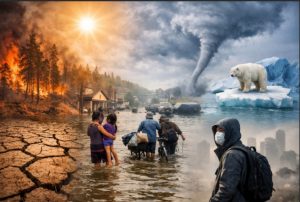
Extreme weather events are becoming more frequent and intense, affecting agriculture on a larger scale.
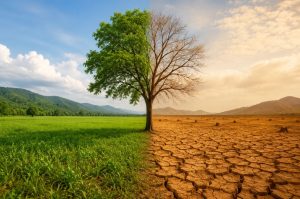
Droughts
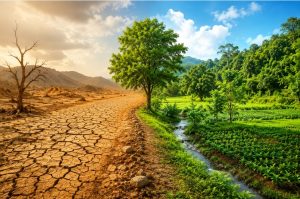
Droughts occur when there is a prolonged shortage of rainfall. This leads to:
- Water scarcity for irrigation
- Reduced soil moisture
- Crop failure
Farmers in drought-prone areas often face financial hardship and may struggle to sustain their livelihoods.
Floods
Flooding can destroy crops, damage infrastructure, and wash away fertile soil. It also delays planting and harvesting activities.
Storms and Cyclones
Strong winds and heavy rains from storms can flatten crops, uproot trees, and damage storage facilities. This not only affects current harvests but also future agricultural planning.
Soil Health and Weather Influence
Weather patterns significantly impact soil quality, which is crucial for agriculture.
- Heavy rainfall can lead to soil erosion
- Dry conditions can reduce soil fertility
- Temperature changes affect microbial activity in the soil
Healthy soil is essential for sustainable farming, and unpredictable weather can degrade soil over time, making it less productive.
Water Resources and Irrigation
Water availability is directly linked to weather conditions. Rivers, lakes, and groundwater levels depend on rainfall and seasonal patterns.
- Irregular rainfall affects water storage
- Reduced water supply limits irrigation
- Overuse of groundwater can lead to depletion
Farmers often rely on irrigation systems to compensate for inconsistent rainfall, but this increases costs and resource pressure.
Effects on Livestock
Weather patterns also influence livestock health and productivity.
- Heat stress reduces milk production in dairy animals
- Cold weather increases energy needs
- Extreme conditions can lead to disease outbreaks
Proper shelter, water availability, and feed management become critical during harsh weather conditions.
Influence on Food Supply and Prices
Weather directly affects food production, which in turn influences market prices and availability.
- Poor harvests lead to food shortages
- Increased demand with limited supply raises prices
- Weather disruptions can affect transportation and storage
Consumers experience these impacts through rising food costs and reduced availability of certain crops.
Weather and Daily Life
Beyond agriculture, weather patterns shape everyday human activities in many ways.
Clothing and Lifestyle Choices
People adjust their clothing and routines based on weather conditions.
- Light clothing during summer
- Warm clothing in winter
- Rain gear during monsoon
These changes affect fashion, retail markets, and lifestyle habits.
Transportation and Mobility
Weather conditions can disrupt transportation systems.
- Heavy rain causes traffic congestion
- Fog reduces visibility
- Storms can delay flights and trains
Daily commuting becomes challenging during extreme weather conditions.
Health and Well-being
Weather influences physical and mental health.
- Heatwaves can cause dehydration and heatstroke
- Cold weather may lead to respiratory issues
- Humidity can increase the spread of infections
People often adapt their routines to maintain health during changing weather conditions.
Urban Life and Weather Impact
Cities are particularly vulnerable to weather changes due to high population density and infrastructure limitations.
- Urban flooding due to poor drainage
- Heat islands caused by concrete structures
- Increased energy demand for cooling and heating
Weather patterns influence how cities are designed and managed, including drainage systems, housing, and energy use.
Adaptation Strategies in Agriculture
Farmers are adopting various strategies to cope with changing weather patterns.
- Using drought-resistant crop varieties
- Implementing efficient irrigation techniques
- Adjusting planting schedules
- Practicing crop diversification
These methods help reduce risks and improve resilience against unpredictable weather.
Technology and Weather Forecasting
Advancements in technology have improved weather prediction and agricultural planning.
- Satellite monitoring provides real-time data
- Weather apps offer daily forecasts
- Early warning systems help prepare for extreme events
Farmers and individuals can make informed decisions based on accurate weather information.
Cultural and Social Influence of Weather
Weather patterns also shape cultural practices and social behavior.
- Festivals often align with seasonal changes
- Agricultural traditions depend on weather cycles
- Community activities vary with climate conditions
These cultural connections highlight the deep relationship between weather and human life.
Climate Change and Shifting Weather Patterns
In recent decades, long-term changes in climate have significantly altered traditional weather patterns. Climate change is causing rising global temperatures, irregular rainfall, and more frequent extreme weather events. These shifts are no longer gradual—they are increasingly unpredictable and intense, making it difficult for both farmers and communities to adapt.
One of the most noticeable changes is the disruption of seasonal cycles. Winters are becoming shorter, summers hotter, and rainfall less predictable. This directly impacts agricultural planning, as crops depend heavily on stable seasonal conditions.
Impact on Crop Productivity
Changing weather patterns have a direct effect on crop yields and quality. Even slight variations in temperature or rainfall during critical growth stages can significantly reduce production.
- Increased temperatures can shorten crop growth cycles, leading to lower yields
- Irregular rainfall disrupts irrigation planning
- Unexpected weather events during harvest can damage crops
For example, unseasonal rains can spoil ready-to-harvest crops, resulting in financial losses for farmers and reduced food supply in markets.
Threats to Food Security
Food security depends on consistent agricultural production. When weather patterns become unpredictable, food systems become vulnerable.
- Reduced crop yields lead to supply shortages
- Price fluctuations make food less affordable
- Dependence on imports increases in affected regions
Developing countries, where agriculture is a primary livelihood, are particularly at risk. A single season of poor weather can impact millions of people.
Changing Pest and Disease Patterns
Weather conditions also influence the spread of pests and plant diseases. Warmer temperatures and increased humidity create favorable conditions for pests to thrive.
- Insects reproduce faster in warmer climates
- New pests emerge in regions previously unaffected
- Crop diseases spread more rapidly in humid conditions
This forces farmers to use more pesticides, increasing production costs and environmental impact.
Water Scarcity and Management Challenges
Water is one of the most critical resources affected by changing weather patterns. While some regions experience excessive rainfall, others face severe water shortages.
- Melting glaciers affect river flows
- Reduced rainfall lowers groundwater levels
- Increased evaporation due to heat reduces water availability
Efficient water management becomes essential. Techniques like rainwater harvesting, drip irrigation, and water recycling are increasingly being adopted.
Economic Impact on Farmers
Weather-related uncertainties create financial instability for farmers.
- Crop failure leads to income loss
- Increased investment in irrigation and protection measures
- Debt burdens rise due to unpredictable returns
Small-scale farmers are especially vulnerable, as they often lack access to advanced technology or financial support systems.
Effects on Rural Communities
Agriculture is the backbone of many rural economies. When weather patterns disrupt farming, entire communities are affected.
- Loss of employment opportunities
- Migration to urban areas in search of work
- Decline in local economies
This shift not only affects rural livelihoods but also increases pressure on urban infrastructure.
Urban Challenges Due to Weather Changes
Cities are also facing growing challenges due to changing weather conditions.
Rising Temperatures
Urban areas experience higher temperatures due to dense construction and limited greenery.
- Increased use of air conditioning
- Higher electricity consumption
- Greater risk of heat-related illnesses
Flooding and Infrastructure Damage
Heavy rainfall can overwhelm city drainage systems.
- Waterlogging disrupts daily life
- Damage to roads, homes, and public transport
- Increased maintenance costs
Air Quality Issues
Weather conditions like temperature and wind influence air pollution levels.
- Stagnant air traps pollutants
- Heat increases ozone formation
- Poor air quality affects public health
Impact on Daily Routines and Lifestyle
Changing weather patterns are altering how people live and plan their daily activities.
Work and Productivity
- Outdoor work becomes difficult during extreme heat or rain
- Construction and agriculture face delays
- Energy levels and productivity fluctuate with weather conditions
Education
- School closures during extreme weather events
- Difficulty in commuting for students
- Shift toward online learning in affected areas
Household Activities
- Increased energy use for cooling or heating
- Water storage during shortages
- Adjustments in cooking and cleaning routines
Health Implications of Changing Weather
Weather patterns have a strong influence on public health.
Heat-Related Illnesses
Rising temperatures lead to:
- Heat exhaustion
- Heatstroke
- Dehydration
Spread of Diseases
- Mosquito-borne diseases increase in warm, wet conditions
- Waterborne diseases spread during floods
- Respiratory issues worsen due to pollution and temperature changes
Mental Health Effects
Unpredictable weather and climate stress can lead to anxiety and uncertainty, especially among farmers and vulnerable communities.
Role of Technology in Adaptation
Technology is playing a crucial role in helping people adapt to changing weather patterns.
Advanced Weather Forecasting
- Accurate predictions help farmers plan activities
- Early warnings reduce disaster risks
- Mobile apps provide real-time updates
Smart Agriculture
- Use of sensors to monitor soil moisture
- Automated irrigation systems
- Climate-resilient crop varieties
Data-Driven Decisions
Farmers and governments use data analytics to improve planning and reduce risks associated with weather changes.
Government Policies and Support
Governments are implementing various measures to reduce the impact of weather on agriculture and daily life.
- Crop insurance schemes to protect farmers
- Investment in irrigation infrastructure
- Disaster management programs
- Promotion of sustainable farming practices
Policy support is essential to ensure long-term resilience and food security.
Sustainable Agricultural Practices
Adopting sustainable methods can help reduce the negative impact of weather variability.
- Organic farming improves soil health
- Crop rotation maintains fertility
- Agroforestry provides natural climate protection
- Conservation of water resources
These practices not only protect the environment but also ensure stable agricultural production.
Individual Actions to Cope with Weather Changes
People can also take small steps to adapt to changing weather patterns.
- Conserving water and electricity
- Using weather-appropriate clothing
- Staying informed through weather forecasts
- Supporting local and seasonal food
These actions collectively contribute to resilience and sustainability.
Future Outlook
The future of agriculture and daily life will increasingly depend on how well we adapt to changing weather patterns. Innovation, awareness, and sustainable practices will play a key role in minimizing risks.
Collaboration between governments, scientists, farmers, and communities is essential to build systems that can withstand weather uncertainties.
Final Thought
Weather patterns are no longer predictable forces that humans can passively observe—they are dynamic systems that require active understanding and adaptation. From the food we eat to the way we live each day, weather influences every aspect of life. By embracing sustainable practices, leveraging technology, and staying informed, we can better navigate the challenges posed by changing weather patterns and create a more resilient future for all.
FAQs:
Weather patterns are the recurring atmospheric conditions in a region over time, including temperature, rainfall, humidity, and wind. These patterns help predict seasonal changes and guide agricultural and daily planning.
Weather affects every stage of crop growth. Proper rainfall, suitable temperature, and stable seasons help crops grow efficiently, while extreme conditions like drought or floods can reduce yield or destroy crops.
Rainfall provides essential water for crops. It supports germination, nutrient absorption, and plant growth. Too little rain causes drought, while too much can lead to flooding and crop damage.
Temperature determines how fast crops grow. High temperatures can stress plants and reduce quality, while low temperatures can slow growth or damage crops sensitive to cold.
Extreme events include droughts, floods, cyclones, and heatwaves. These can destroy crops, damage soil, and disrupt farming schedules.
Poor weather can reduce crop production, leading to lower supply. When supply decreases and demand remains high, food prices increase.