Carbon emissions are one of the most talked-about environmental issues today, yet many people are still unclear about what they actually are and why they matter so much. From global warming headlines to sustainability campaigns, carbon emissions are at the center of discussions about the planet’s future. In this detailed guide, we will explore the meaning of carbon emissions, their sources, how they impact the environment, and why reducing them is essential for both current and future generations.
Understanding Carbon Emissions
Carbon emissions refer to the release of carbon-containing gases into the atmosphere, primarily in the form of carbon dioxide (CO₂). These emissions are a natural part of Earth’s carbon cycle, but human activities have significantly increased their levels over the past century.
The concept is closely linked to the Greenhouse Effect, a natural phenomenon where certain gases trap heat in the Earth’s atmosphere. Without this process, the planet would be too cold to sustain life. However, excessive emissions intensify this effect, leading to global warming.
What Is Carbon Dioxide and Why Is It Important?
Carbon dioxide is a colorless, odorless gas that occurs naturally in the atmosphere. It is produced through processes such as respiration, volcanic eruptions, and the decomposition of organic matter.
In a balanced ecosystem, carbon dioxide plays a vital role in photosynthesis, allowing plants to convert sunlight into energy. However, the problem arises when too much CO₂ is released into the atmosphere faster than natural systems can absorb it.
This imbalance is largely driven by human activities since the Industrial Revolution, which marked the beginning of large-scale fossil fuel use.
Major Sources of Carbon Emissions
Carbon emissions come from a variety of natural and human-made sources. While natural emissions are part of Earth’s cycles, anthropogenic (human-caused) emissions are the primary concern today.
Burning of Fossil Fuels
The largest contributor to carbon emissions is the combustion of fossil fuels such as coal, oil, and natural gas. These fuels are used in power plants, vehicles, and industrial processes.
When fossil fuels are burned, carbon stored underground for millions of years is released into the atmosphere as CO₂. This process is a major driver of global warming.
Transportation
Cars, trucks, airplanes, and ships all rely heavily on fossil fuels. The global transportation sector is responsible for a significant portion of emissions.
Rapid urbanization and increased demand for travel have further intensified this issue, making transportation one of the fastest-growing sources of carbon emissions.
Industrial Activities
Manufacturing industries release large amounts of carbon emissions through energy use and chemical reactions. For example, cement production emits CO₂ not only from fuel use but also from the chemical transformation of limestone.
Industries such as steel, chemicals, and textiles are also major contributors.
Deforestation
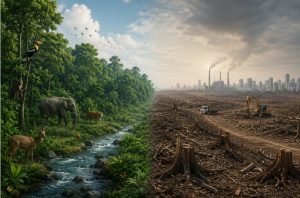
Forests act as carbon sinks, absorbing CO₂ from the atmosphere. When trees are cut down or burned, not only is this absorption capacity reduced, but the stored carbon is also released back into the atmosphere.
Deforestation for agriculture, logging, and urban development significantly increases carbon emissions.
Agriculture
Agricultural practices contribute to carbon emissions in several ways. Livestock farming produces methane, a potent greenhouse gas, while soil management and fertilizer use release nitrous oxide.
Although these are not CO₂ emissions, they are often grouped under the broader category of greenhouse gas emissions because of their impact on climate.
The Science Behind Carbon Emissions
To understand why carbon emissions matter, it is important to look at how they affect Earth’s energy balance.
The atmosphere contains gases that trap heat from the sun. These include carbon dioxide, methane, and water vapor. This process is explained by the Greenhouse Gas Effect, where heat is absorbed and re-radiated, keeping the planet warm.
However, when the concentration of these gases increases, more heat is trapped, causing the Earth’s average temperature to rise. This phenomenon is commonly referred to as global warming.
What Is a Carbon Footprint?
A carbon footprint measures the total amount of carbon emissions produced directly or indirectly by an individual, organization, or activity.
For example:
- Driving a petrol car increases your carbon footprint
- Using electricity generated from coal adds to emissions
- Purchasing goods that require transportation also contributes
Even everyday actions such as cooking, heating, and using electronic devices leave a carbon footprint.
Understanding your carbon footprint is the first step toward reducing it.
Natural vs Human-Caused Emissions
Carbon emissions can be categorized into natural and anthropogenic sources.
Natural Emissions
Natural sources include:
- Volcanic eruptions
- Respiration by living organisms
- Ocean-atmosphere exchanges
- Decomposition of organic matter
These emissions are typically balanced by natural processes such as photosynthesis and ocean absorption.
Human-Caused Emissions
Human activities have disrupted this balance. The burning of fossil fuels, deforestation, and industrialization have increased carbon emissions beyond what natural systems can handle.
This imbalance is the main cause of rising atmospheric CO₂ levels.
Why Carbon Emissions Are Increasing
Over the past century, carbon emissions have increased dramatically due to several factors.
Population Growth
As the global population grows, so does the demand for energy, transportation, and food. This leads to higher emissions.
Urbanization
Cities require large amounts of energy for buildings, transportation, and infrastructure. Rapid urban expansion contributes significantly to emissions.
Industrialization
Developing countries are rapidly industrializing to meet economic demands. While this boosts growth, it also increases carbon emissions.
Energy Demand
Modern lifestyles rely heavily on energy. From electricity to transportation, most of this energy still comes from fossil fuels.
The Role of Energy Production
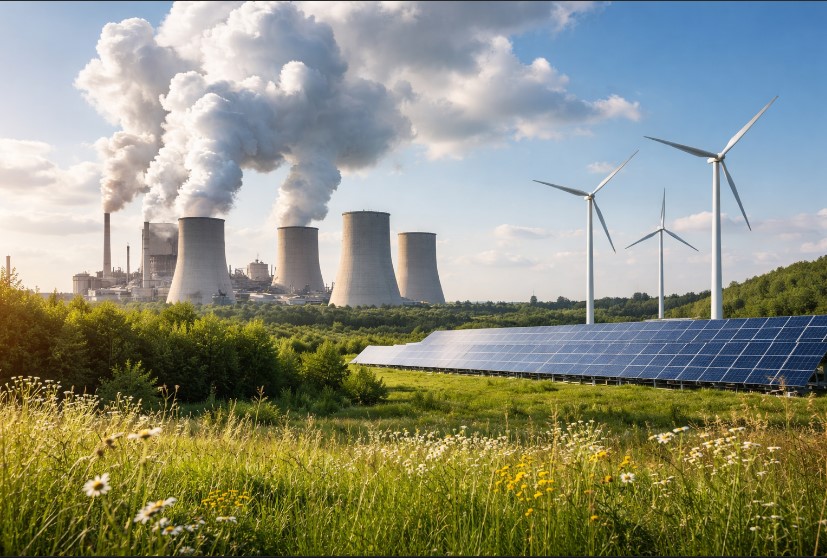
Energy production is the single largest contributor to global carbon emissions. Coal-fired power plants, in particular, are among the biggest sources.
Renewable energy sources such as solar, wind, and hydropower offer cleaner alternatives, but their adoption is still growing.
Transitioning to renewable energy is essential for reducing emissions and combating climate change.
How Carbon Emissions Are Measured
Carbon emissions are typically measured in metric tons of CO₂ or CO₂ equivalents (CO₂e). This allows different greenhouse gases to be compared based on their global warming potential.
For example:
- Methane is more potent than CO₂ but exists in smaller quantities
- Nitrous oxide has an even higher warming potential
Using CO₂e helps provide a standardized way to measure emissions.
Global Trends in Carbon Emissions
Carbon emissions have been rising steadily over the past decades. Major contributors include large industrialized nations and rapidly developing economies.
Countries with high energy consumption and industrial activity tend to have the largest carbon footprints.
However, per capita emissions vary widely, with some smaller nations having higher emissions per person due to lifestyle and energy use patterns.
The Link Between Carbon Emissions and Climate Change
Carbon emissions are the primary driver of climate change. Increased levels of greenhouse gases lead to rising global temperatures, which in turn cause a range of environmental impacts.
These include:
- Melting polar ice caps
- Rising sea levels
- Extreme weather events
- Changes in ecosystems
The issue is not just environmental but also economic and social, affecting agriculture, health, and livelihoods worldwide.
Why This Topic Matters More Than Ever
In recent years, awareness about carbon emissions has grown significantly. Governments, businesses, and individuals are taking steps to reduce their environmental impact.
International agreements like the Paris Agreement aim to limit global warming by reducing emissions and promoting sustainable practices.
However, achieving these goals requires collective action on a global scale.
Environmental Impacts of Carbon Emissions
Carbon emissions significantly influence the Earth’s environment. As greenhouse gases accumulate in the atmosphere, they intensify the Greenhouse Effect, leading to rising global temperatures and widespread ecological disruption.
Rising Global Temperatures
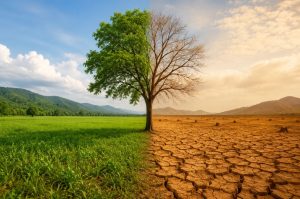
One of the most direct consequences of increased carbon emissions is global warming. Average global temperatures have risen steadily over the past century, leading to long-term changes in climate patterns.
Warmer temperatures affect seasonal cycles, disrupt ecosystems, and increase the frequency of heatwaves.
Melting Ice and Rising Sea Levels
The warming planet is causing glaciers and polar ice caps to melt at an alarming rate. Regions like Antarctica and Greenland are losing ice mass, contributing to rising sea levels.
This puts coastal cities and island nations at risk of flooding, displacement, and long-term economic damage.
Extreme Weather Events
Carbon emissions are linked to more intense and frequent weather events. These include:
- Hurricanes
- Floods
- Droughts
- Wildfires
Although no single event can be attributed solely to emissions, the overall increase in greenhouse gases amplifies the severity and frequency of such disasters.
Impact on Ecosystems and Biodiversity
The natural world is highly sensitive to changes in temperature and climate.
Habitat Loss
As temperatures rise, many species struggle to adapt to new conditions. Habitats such as coral reefs, forests, and wetlands are particularly vulnerable.
Coral bleaching, for instance, occurs when ocean temperatures rise, causing coral ecosystems to collapse.
Threat to Wildlife
Many species are facing extinction due to changing climates. Migration patterns are disrupted, food sources become scarce, and breeding cycles are affected.
Biodiversity loss not only harms ecosystems but also reduces nature’s ability to recover from environmental stress.
Human Health Impacts
Carbon emissions don’t just affect the environment—they also have serious consequences for human health.
Air Pollution
Burning fossil fuels releases pollutants along with carbon dioxide. These pollutants contribute to respiratory diseases, heart conditions, and other health issues.
Cities with high emissions often experience poor air quality, affecting millions of people daily.
Heat-Related Illnesses
Rising temperatures increase the risk of heat exhaustion and heatstroke, especially among vulnerable populations such as the elderly and children.
Spread of Diseases
Climate change can expand the range of disease-carrying organisms like mosquitoes. This increases the spread of diseases such as malaria and dengue fever.
Economic Consequences of Carbon Emissions
The economic impact of carbon emissions is significant and far-reaching.
Damage to Infrastructure
Extreme weather events can damage roads, buildings, and power systems. Repairing and rebuilding infrastructure costs billions of dollars each year.
Impact on Agriculture
Changes in rainfall patterns and temperature affect crop yields. Farmers face unpredictable growing seasons, which can lead to food shortages and increased prices.
Rising Costs
Governments and businesses must invest in climate adaptation and mitigation strategies. These costs can strain economies, especially in developing countries.
Social and Global Inequality
Carbon emissions also highlight global inequalities.
Developed countries have historically contributed the most to carbon emissions, while developing nations often suffer the worst impacts.
Communities with fewer resources are less equipped to adapt to climate change, making them more vulnerable to its effects.
What Is Carbon Neutrality?
Carbon neutrality refers to achieving a balance between the carbon emitted and the carbon removed from the atmosphere.
This can be done by:
- Reducing emissions
- Using renewable energy
- Offsetting emissions through activities like tree planting
Many countries and companies have pledged to reach net-zero emissions in the coming decades.
Solutions to Reduce Carbon Emissions
Reducing carbon emissions requires action at every level—individual, community, corporate, and governmental.
Transition to Renewable Energy
Switching from fossil fuels to renewable energy sources like solar, wind, and hydropower is one of the most effective ways to cut emissions.
Countries around the world are investing in clean energy to reduce their carbon footprint.
Energy Efficiency
Improving energy efficiency in homes, buildings, and industries can significantly reduce emissions.
Simple steps like using LED lighting, energy-efficient appliances, and better insulation can make a big difference.
Sustainable Transportation
Transportation is a major source of emissions. Solutions include:
- Using public transport
- Carpooling
- Switching to electric vehicles
- Promoting cycling and walking
Electric vehicles, in particular, are gaining popularity as a cleaner alternative to traditional cars.
Reforestation and Conservation
Planting trees and protecting forests help absorb carbon dioxide from the atmosphere.
Forests act as natural carbon sinks, making conservation efforts crucial in the fight against climate change.
Policy and Global Action
Governments play a key role in reducing emissions through regulations, incentives, and international agreements.
The Paris Agreement is a major global effort aimed at limiting temperature rise and reducing greenhouse gas emissions.
What Individuals Can Do
While large-scale action is essential, individual choices also matter.
You can reduce your carbon footprint by:
- Conserving energy at home
- Reducing waste and recycling
- Choosing sustainable products
- Eating a more plant-based diet
- Supporting environmentally responsible companies
Small changes, when adopted by millions of people, can have a significant impact.
The Role of Technology
Technology is playing an increasingly important role in reducing carbon emissions.
Innovations include:
- Carbon capture and storage
- Smart grids
- Electric transportation
- Sustainable materials
Advancements in technology can help accelerate the transition to a low-carbon future.
The Urgency of Action
The need to reduce carbon emissions is urgent. Scientists warn that exceeding certain temperature thresholds could lead to irreversible changes in the planet’s climate system.
Limiting global warming requires immediate and sustained efforts across all sectors.
Final Thoughts
Carbon emissions are at the heart of one of the greatest challenges facing humanity today. They affect the environment, human health, economies, and global stability.
Understanding why carbon emissions matter is the first step toward meaningful change. By taking action—whether through policy, innovation, or everyday choices—we can work toward a more sustainable and resilient future.
The responsibility lies with all of us, and the time to act is now.
FAQs:
Carbon emissions are gases released into the atmosphere, mainly carbon dioxide, from activities like burning fuel and industrial processes.
They trap heat in the atmosphere, leading to global warming and climate change, which harm ecosystems and human health.
The burning of fossil fuels for energy and transportation is the largest source.
While it may be difficult to eliminate them entirely, they can be significantly reduced and balanced through carbon neutrality efforts.
You can save energy, use public transport, reduce waste, and support sustainable practices.