Introduction
In recent decades, the world has witnessed rapid environmental changes—rising temperatures, shrinking forests, loss of biodiversity, and increasing pollution levels. These issues are not just scientific concerns; they directly affect human life, economic stability, and the future of our planet. One of the most effective and widely discussed solutions to combat these challenges is afforestation.
Afforestation is more than just planting trees—it is a powerful environmental strategy that can restore ecological balance, reduce climate change impacts, and support sustainable development. As governments, organizations, and individuals increasingly turn toward green solutions, afforestation has emerged as a key tool in shaping a healthier planet.
What Is Afforestation?
Afforestation refers to the process of planting trees or sowing seeds in an area that previously did not have forests. Unlike reforestation, which involves restoring forests that were destroyed or degraded, afforestation focuses on creating entirely new forest cover in barren or non-forested lands.
These lands may include:
- Deserts or semi-arid regions
- Agricultural lands that are no longer in use
- Urban areas lacking greenery
- Wastelands or degraded lands
The main goal of afforestation is to increase forest cover, improve environmental quality, and support ecosystems that can thrive naturally over time.
Afforestation vs. Reforestation
Although the terms are often used interchangeably, afforestation and reforestation have distinct meanings:
| Feature | Afforestation | Reforestation |
|---|---|---|
| Definition | Planting trees in non-forested areas | Replanting trees in deforested areas |
| Purpose | Create new forests | Restore lost forests |
| Land Type | Barren or unused land | Previously forested land |
| Impact | Expands forest cover | Recovers existing ecosystems |
Both are essential for environmental conservation, but afforestation plays a unique role in expanding green areas where none existed before.
History and Evolution of Afforestation
Afforestation is not a new concept. Ancient civilizations understood the importance of trees and practiced planting them for various purposes such as agriculture, shelter, and religious significance.
However, modern afforestation gained momentum during the 19th and 20th centuries when industrialization led to large-scale deforestation. Governments and environmentalists began organized efforts to plant trees and restore ecological balance.
Today, afforestation is a global movement supported by:
- Governments
- Environmental organizations
- Non-profits
- Local communities
- Individuals
Large-scale programs such as national tree plantation drives and international climate initiatives have made afforestation a central part of environmental policy worldwide.
How Afforestation Works
Afforestation is a systematic process that involves careful planning and execution. It is not just about planting trees randomly; it requires scientific methods to ensure long-term success.
Site Selection
The first step is identifying suitable land where trees can grow. Factors such as soil type, climate, water availability, and land use are considered.
Soil Preparation
The soil may need treatment to improve fertility. This can include adding organic matter, fertilizers, or improving drainage systems.
Species Selection
Choosing the right type of trees is crucial. Native species are often preferred because they adapt better to local conditions and support biodiversity.
Planting
Seeds or saplings are planted using appropriate techniques depending on the terrain and climate.
Maintenance
Regular care is essential, especially in the early stages. This includes:
- Watering
- Protecting from pests
- Preventing grazing
- Monitoring growth
Monitoring and Management
Long-term success depends on continuous monitoring to ensure the forest grows sustainably.
Types of Afforestation
Afforestation can be categorized into different types based on purpose and approach:
Environmental Afforestation
This type focuses on improving ecological balance, reducing pollution, and combating climate change.
Commercial Afforestation
Trees are planted for economic purposes such as timber production, paper industries, or fuelwood.
Social Afforestation
This involves community participation and aims to provide resources like firewood, fodder, and small timber to local populations.
Urban Afforestation
Trees are planted in cities to improve air quality, reduce heat, and enhance living conditions.
Agroforestry (Related Concept)
Although slightly different, agroforestry combines agriculture and tree planting to benefit farmers and the environment simultaneously.
Why Afforestation Is Important Today
The importance of afforestation has grown significantly in recent years due to increasing environmental challenges. Here are some of the key reasons why it matters today:
Combating Climate Change
One of the biggest threats facing humanity today is climate change. Rising global temperatures, melting glaciers, and extreme weather events are clear signs of environmental imbalance.
Trees play a crucial role in absorbing carbon dioxide (CO₂), one of the main greenhouse gases responsible for global warming. Through photosynthesis, trees capture CO₂ and release oxygen, helping to regulate the Earth’s climate.
Afforestation increases the number of trees, thereby:
- Reducing carbon levels in the atmosphere
- Lowering global temperatures
- Slowing down climate change
Improving Air Quality
Air pollution is a major problem in many parts of the world, especially in urban areas. Harmful pollutants such as carbon monoxide, sulfur dioxide, and particulate matter can cause serious health issues.
Trees act as natural air filters by:
- Absorbing pollutants
- Releasing oxygen
- Trapping dust and harmful particles
Afforestation helps create cleaner and healthier air, reducing the risk of respiratory diseases.
Preventing Soil Erosion
Soil erosion occurs when wind or water removes the top layer of soil, making land less fertile and unsuitable for agriculture.
Tree roots help bind the soil together, preventing it from being washed or blown away. Afforestation:
- Stabilizes soil
- Improves soil fertility
- Reduces desertification
This is especially important in regions prone to drought and land degradation.
Supporting Biodiversity
Forests are home to a wide variety of plants, animals, and microorganisms. When forests are destroyed, many species lose their habitat and may become endangered or extinct.
Afforestation helps:
- Create new habitats
- Support wildlife
- Maintain ecological balance
By increasing forest cover, we can protect biodiversity and ensure the survival of many species.
Enhancing Water Cycle
Trees play an important role in maintaining the water cycle. They absorb water from the soil and release it into the atmosphere through transpiration.
This process helps:
- Maintain rainfall patterns
- Recharge groundwater
- Prevent floods and droughts
Afforestation contributes to better water management and supports agriculture.
Reducing Urban Heat
Cities often experience higher temperatures than surrounding areas due to concrete structures and lack of greenery. This phenomenon is known as the “urban heat island effect.”
Urban afforestation helps:
- Provide shade
- Reduce surface temperatures
- Improve comfort levels
It also reduces the need for air conditioning, saving energy.
Challenges in Afforestation
While afforestation offers numerous benefits, it also faces several challenges:
- Lack of proper planning
- Use of non-native species
- Insufficient maintenance
- Land availability issues
- Climate constraints
Addressing these challenges is essential to ensure successful and sustainable afforestation projects.
Economic Benefits of Afforestation
While afforestation is often discussed in environmental terms, it also offers significant economic advantages that contribute to sustainable development.
Employment Generation
Afforestation projects create jobs in:
- Nursery management
- Tree planting
- Forest maintenance
- Monitoring and protection
This is especially beneficial in rural areas where employment opportunities may be limited.
Timber and Forest Products
Afforestation can provide valuable resources such as:
- Timber for construction
- Raw material for paper industries
- Fuelwood
- Medicinal plants
When managed sustainably, these resources can support industries without harming the environment.
Boost to Agriculture
Trees improve soil fertility and water retention, which benefits nearby agricultural activities. Agroforestry practices help farmers:
- Increase crop productivity
- Diversify income sources
- Reduce dependency on chemical fertilizers
Ecotourism Opportunities
New forests and green spaces can attract tourists, promoting ecotourism. This generates revenue for local communities and encourages conservation efforts.
Social Benefits of Afforestation
Afforestation also has a positive impact on society and human well-being.
Improved Quality of Life
Green spaces improve mental health, reduce stress, and enhance overall well-being. People living near forests often enjoy better air quality and a healthier lifestyle.
Community Development
Social afforestation programs involve local communities in tree planting and maintenance. This:
- Encourages teamwork
- Builds environmental awareness
- Strengthens community bonds
Resource Availability
Afforestation provides essential resources such as:
- Firewood
- Fodder for livestock
- Small timber for rural use
This reduces pressure on natural forests.
Global Afforestation Initiatives
Many countries and organizations have recognized the importance of afforestation and launched large-scale initiatives.
Bonn Challenge
The Bonn Challenge is a global effort to restore degraded and deforested land. It aims to bring millions of hectares of land under restoration by planting trees and improving ecosystems.
Trillion Tree Campaign
This initiative focuses on planting one trillion trees worldwide to combat climate change and restore biodiversity.
National Afforestation Programs
Many countries have their own afforestation schemes. For example:
- India’s National Afforestation Programme
- China’s “Great Green Wall” project
- African Union’s “Great Green Wall of Africa”
These programs aim to increase forest cover and improve environmental conditions.
Afforestation in India
India has made significant efforts to promote afforestation as part of its environmental policies.
Government Initiatives
Some major programs include:
- Green India Mission
- National Afforestation Programme
- Compensatory Afforestation Fund (CAMPA)
These initiatives focus on increasing forest cover and restoring degraded lands.
Role of Local Communities
In India, community participation plays a crucial role in afforestation. Villagers, NGOs, and self-help groups actively participate in tree plantation drives.
Urban Afforestation
Cities like Delhi, Mumbai, and Bengaluru have started urban afforestation projects to improve air quality and reduce pollution levels.
Role of Individuals in Afforestation
Afforestation is not just the responsibility of governments—it requires active participation from individuals as well.
Planting Trees
Even planting a single tree can make a difference. Individuals can:
- Plant trees in their surroundings
- Participate in plantation drives
- Encourage others to do the same
Supporting Eco-Friendly Practices
Reducing paper usage, recycling, and supporting sustainable products indirectly contribute to afforestation.
Spreading Awareness
Educating others about the importance of trees and forests can inspire more people to take action.
Future of Afforestation
The future of afforestation looks promising, especially with advancements in technology and growing environmental awareness.
Use of Technology
Modern techniques such as:
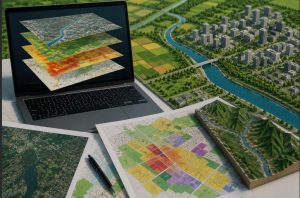
- Drone-based seed planting
- Satellite monitoring
- Geographic Information Systems (GIS)
are making afforestation more efficient and effective.
Climate Policies
Governments worldwide are including afforestation in climate action plans to meet carbon reduction targets.
Sustainable Development Goals (SDGs)
Afforestation contributes to several global goals, including:
- Climate action
- Life on land
- Clean air and water
Conclusion
Afforestation is a vital strategy for addressing some of the most pressing challenges of our time. It not only helps combat climate change but also supports biodiversity, improves air quality, and enhances human well-being.
From economic growth to social development, the benefits of afforestation are vast and interconnected. However, its success depends on collective efforts—from governments and organizations to individuals.
By embracing afforestation, we can move toward a greener, healthier, and more sustainable future.
FAQs:
The main purpose is to create new forests in non-forested areas to improve environmental conditions and increase green cover.
Afforestation creates forests in new areas, while reforestation restores forests that have been destroyed.
It helps absorb carbon dioxide from the atmosphere, reducing global warming.
Yes, trees absorb pollutants and release oxygen, improving air quality.
Challenges include poor planning, lack of maintenance, unsuitable tree species, and limited land availability.